

 Travel Essentials
 Travel Essentials

Explore NYC's best beaches, from iconic boardwalks to hidden gems. Find lifeguard hours, amenities, and travel tips for summer beach days.
 Travel Essentials
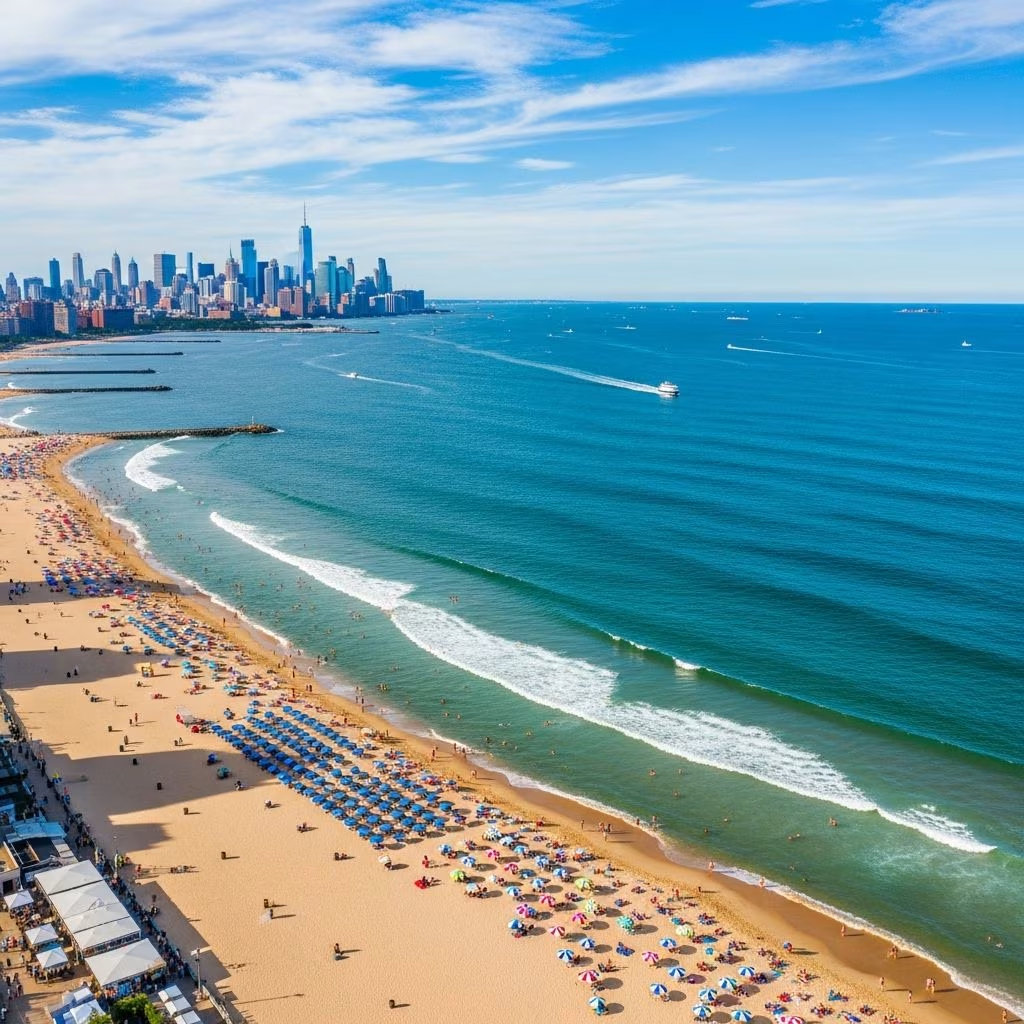
New York City offers more than just urban skylines and bustling streets—the metropolis is surrounded by stunning waterfront areas that provide relief from the summer heat and urban intensity. With 14 miles of maintained coastline, the city operates numerous accessible beaches across its five boroughs, each offering distinct atmospheres and experiences for residents and visitors alike. Whether you seek vibrant boardwalk entertainment, tranquil coastal retreats, or family-friendly swimming environments, NYC’s beaches deliver diverse options to suit every preference.
Planning a successful beach outing in New York City requires understanding seasonal operations and safety protocols. Beaches operate from Memorial Day weekend through September 7, with lifeguard supervision available daily from 10:00 a.m. to 6:00 p.m. during this period. Swimming is strictly prohibited outside lifeguard hours and in sections marked with signs or red flags. All NYC beaches remain free and open to the public, making waterfront access democratic and accessible regardless of budget.
The combination of professional lifeguard presence, clear safety markings, and designated swimming zones creates a secure environment for water activities. Visitors should always check current conditions before arrival, as weather patterns and water quality can affect beach accessibility throughout the season.
Brooklyn hosts some of the city’s most recognizable and beloved beaches, drawing millions of visitors annually. Coney Island and Brighton Beach represent the quintessential New York beach experience, stretching along the Atlantic Ocean from West 37th Street to Ocean Parkway. Coney Island pulses with activity throughout summer and even maintains appeal during off-season months, featuring historic amusement park attractions, vintage boardwalk games, and numerous dining establishments. The beach’s legendary status stems from its combination of swimming opportunities, entertainment venues, and cultural significance within New York’s recreational landscape.
Adjacent Brighton Beach offers distinct characteristics despite its proximity to Coney Island. The neighborhood surrounding Brighton Beach reflects remarkable cultural diversity, with international communities contributing unique culinary traditions, shops, and cultural events. This multicultural dimension enriches the beach experience beyond swimming and sunbathing, providing visitors with authentic cultural immersion opportunities.
Queens contains several lesser-known beaches that appeal to visitors seeking alternatives to crowded mainstream destinations. These quieter waterfront areas maintain natural characteristics while providing essential amenities and safety infrastructure. Jacob Riis Park and Fort Tilden represent notable Queens beach destinations, each offering unique environmental and recreational features.
These Queens locations attract visitors interested in more contemplative beach experiences, away from commercial entertainment infrastructure. The relative tranquility of these destinations makes them particularly appealing for meditation, reading, photography, and peaceful social gatherings. Access to natural dune systems and native vegetation provides educational opportunities for nature enthusiasts.
Staten Island hosts several distinctive beach environments across its considerable shoreline, each presenting different recreational opportunities and atmospheric qualities. Cedar Grove Beach represents the city’s newest beach development, converted from a historic oceanfront bungalow colony into accessible public recreation space. This unique transformation demonstrates how urban areas can reclaim and repurpose waterfront properties for community benefit.
Midland Beach and Franklin D. Roosevelt Boardwalk provide extensive waterfront recreation along Lower New York Bay, stretching from Fort Wadsworth to Miller Field. Midland Beach typically experiences less crowding than its neighboring South Beach, making it attractive for visitors preferring calmer environments with adequate space for various activities. The shared boardwalk infrastructure supports walking, cycling, and recreational jogging while facilitating access to swimming areas.
Wolfe’s Pond Beach stands apart as the city’s best-kept secret among beach enthusiasts—a small, calm, and secluded waterfront retreat situated on Raritan Bay. This destination appeals specifically to visitors who appreciate ocean environments without the chaos characteristic of more famous locations. The intimate scale and peaceful ambiance make Wolfe’s Pond ideal for families seeking quieter experiences, individuals requiring sensory-friendly environments, and photographers pursuing natural aesthetic documentation.
Orchard Beach and Promenade situated within Pelham Bay Park along Long Island Sound provides the Bronx’s primary beach recreation destination. This facility offers swimming, walking, and recreational opportunities within a well-maintained park setting. The surrounding Pelham Bay Park adds significant value through extensive hiking trails, natural areas, and picnic facilities that complement beach-based activities.
| Beach Location | Borough | Primary Features | Best For |
|---|---|---|---|
| Coney Island & Brighton | Brooklyn | Boardwalk, amusement parks, dining | Entertainment, families, cultural experiences |
| Jacob Riis Park | Queens | Natural setting, scenic views | Nature lovers, quiet experiences |
| Fort Tilden | Queens | Historic site, secluded areas | Photography, history enthusiasts |
| Cedar Grove Beach | Staten Island | Newly developed, accessible facilities | Families, accessible recreation |
| Midland Beach | Staten Island | Boardwalk, less crowded | Peaceful swimming, walking |
| Wolfe’s Pond Beach | Staten Island | Small, secluded, calm waters | Quiet retreats, sensory-friendly visits |
| Orchard Beach | Bronx | Park setting, trails nearby | Active recreation, families |
Successful beach experiences require advance planning considering multiple factors. Determine your priorities—entertainment, tranquility, cultural immersion, or family activities—to select appropriate destinations. Consider transportation options, as different beaches present varying accessibility depending on your starting location and preferred transit methods.
Pack appropriately for beach conditions, including sunscreen with adequate SPF ratings, protective clothing, hydration supplies, and entertainment materials. Arrive early during peak season to secure convenient parking and avoid extreme crowding during afternoon hours. Check weather forecasts and water quality reports before departure to ensure safe swimming conditions.
NYC Parks maintains facilities and services across all beaches to ensure visitor comfort and accessibility. Most major beaches provide parking areas, restroom facilities, food concessions, and equipment rental services during operating season. Accessible beaches include Coney Island, Brighton Beach, Manhattan Beach, and Cedar Grove Beach, featuring Americans with Disabilities Act accommodations and adaptive recreation equipment.
Lifeguard stations positioned throughout each beach provide emergency response capabilities and water safety monitoring. First aid stations and emergency communication systems ensure rapid assistance when needed. These infrastructure investments reflect the city’s commitment to safe, inclusive waterfront recreation.
NYC beaches offer recreational activities beyond traditional swimming and sunbathing. Photography enthusiasts capture distinctive urban beach landscapes, sunset compositions, and seasonal wildlife documentation. Joggers and cyclists utilize boardwalk infrastructure for cardiovascular exercise with scenic water views. Picnickers gather for social occasions while enjoying water access. Artists sketch coastal scenes, while nature observers document migratory bird species and marine ecosystems.
Evening beach visits during sunset hours provide atmospheric alternatives to daytime experiences, with cooler temperatures and dramatically altered lighting conditions. Some beaches host seasonal events, concerts, and cultural programming that extend recreation beyond standard beach activities.
NYC beaches open from Memorial Day weekend and remain operational through September 7. Lifeguards provide supervision daily during designated operating hours.
Lifeguards are on duty from 10:00 a.m. to 6:00 p.m. daily during beach season. Swimming outside these hours is prohibited and potentially dangerous.
Yes, all NYC beaches remain free and open to the public. No entrance fees or permits are required for beach access.
Several beaches maintain ADA-accessible facilities, including Coney Island, Brighton Beach, Manhattan Beach, and Cedar Grove Beach. Contact NYC Parks for specific accessibility information.
Essential items include sunscreen, protective clothing, hydration supplies, towels, and entertainment materials. Depending on planned activities, consider bringing cameras, books, picnic supplies, or recreational equipment.
Public transit options vary by beach location. Most major beaches are accessible via subway lines with connections to local bus systems. Check MTA trip planning tools for specific route information.
Beach conditions fluctuate throughout the operating season as water temperatures gradually increase from spring through summer, peaking in August before declining through September. Early season visits (May-June) provide uncrowded experiences with cooler water temperatures suitable for serious swimmers. Mid-summer (July-August) brings peak attendance, warmest water conditions, and maximum amenities availability but with corresponding crowding.
Late-season visits (early September) offer ideal weather combinations—warm water, moderate crowds, and comfortable air temperatures. Understanding seasonal patterns helps optimize personal beach experiences through strategic timing.
New York City’s extensive beach infrastructure provides diverse waterfront recreation options across all five boroughs, from iconic entertainment destinations to tranquil natural retreats. Whether seeking vibrant social environments, peaceful natural settings, or family-friendly recreation, NYC beaches accommodate varied preferences within accessible, safe, and free public facilities. By understanding operational details, safety protocols, and unique characteristics of individual beaches, visitors can craft personalized waterfront experiences that enhance urban living and provide essential recreational relief during summer months.
