

 Travel Essentials
 Travel Essentials

Explore South Africa's most exceptional beaches across multiple regions, from penguin colonies to dramatic cliffs and golden sands perfect for every traveler.
 Travel Essentials
South Africa’s coastline stretches across more than 2,798 kilometers, offering an extraordinary diversity of beaches that cater to virtually every type of traveler. From the rugged Atlantic-facing shores near Cape Town to the subtropical waters of KwaZulu-Natal, the nation’s beaches present a compelling mix of natural beauty, wildlife encounters, and recreational opportunities. Each region along this vast coastline possesses its own distinctive character, shaped by unique geographical features, ocean currents, and local ecosystems. Whether you seek solitude on remote strands, adventure in wave-rich waters, or cultural experiences within seaside communities, South Africa delivers exceptional coastal experiences that rival destinations worldwide.
The Cape Town region stands as South Africa’s most famous beach destination, drawing visitors globally for its dramatic scenery and accessibility. The Atlantic-facing beaches here benefit from cool ocean currents and stunning mountain backdrops that create unforgettable visual landscapes. These beaches range from sheltered coves ideal for swimming to exposed shores perfect for surfing and adventure activities.
Boulders Beach represents one of the continent’s most unique coastal attractions, distinguished by its thriving African penguin colony. The beach’s distinctive granite boulders create natural enclosures that shelter swimming areas while providing protected habitats for these remarkable birds. Visitors can observe penguins in their natural environment during designated viewing hours, making this destination simultaneously educational and entertaining. The gentle waters between boulders offer safe swimming conditions, while the adjacent penguin reserve allows for extended wildlife observation.
Muizenberg Beach captures the essence of Cape Town’s more relaxed, bohemian beach culture. The beach earned recognition for its distinctive colorful wooden beach huts, which have become iconic symbols of South African coastal charm. Soft, golden sand stretches along a gently sloping shore suitable for swimmers of all abilities. The area supports an active surfing community, with consistent swells attracting both beginners and experienced wave riders. The promenade behind the beach offers dining options, shops, and entertainment venues, making it ideal for full-day visits combining beach time with exploration.
Nordhoek Beach appeals to those seeking expansive, less crowded spaces. This long, sandy strand stretches for nearly eight kilometers with minimal development, offering contemplative walking experiences and opportunities for horseback riding along the shore. The beach’s width and gentle grade make it accessible for various activities, from picnicking to kite flying. Rocky outcrops at either end provide tide pool exploration and scenic photographic opportunities.
Camps Bay Beach occupies a unique position within Cape Town’s beach hierarchy, combining urban convenience with dramatic mountain scenery. The Twelve Apostles mountain range frames the beach with imposing presence, creating iconic vistas. The beach attracts a cosmopolitan crowd and offers excellent facilities including restaurants, cafes, and retail establishments along the beachfront promenade.
Beyond Cape Town’s immediate coastline, the Western Cape extends spectacular beach destinations along the renowned Garden Route and toward Africa’s southern tip. This region combines dramatic geological formations with lush hinterland vegetation, creating exceptionally scenic coastal environments.
Cape Agulhas marks the geographic meeting point where the Atlantic and Indian Oceans converge, creating a destination of both geological and symbolic significance. Located at Africa’s true southern tip, Cape Agulhas beaches offer expansive sandy shores with historical significance and unique oceanographic phenomena. The area’s lighthouse guides maritime traffic while offering visitors elevated perspectives of the coastline. Multiple beaches in this region provide varied experiences from sheltered swimming areas to wilder, more exposed strands suitable for experienced swimmers and surfers.
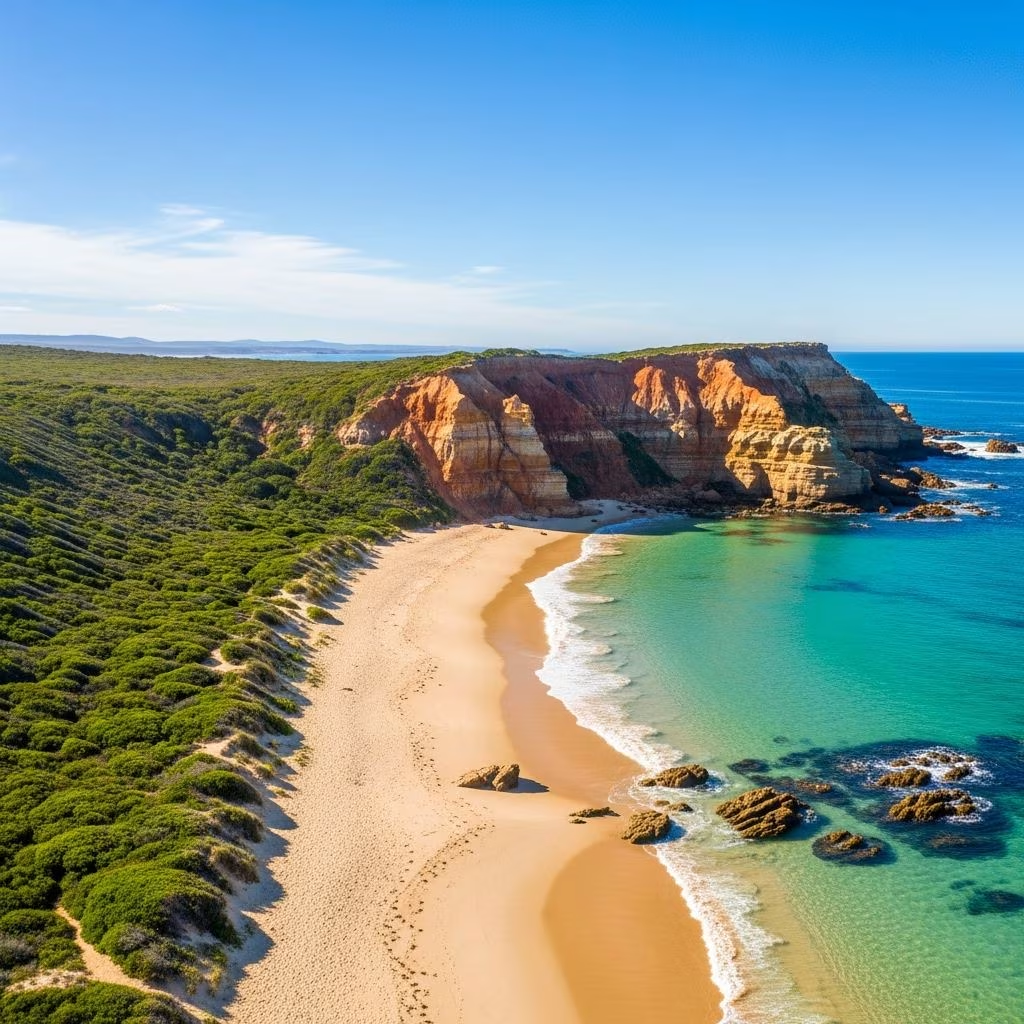
Noetzie Beach near Knysna represents a hidden gem for travelers venturing beyond mainstream tourist corridors. Accessed by descending a narrow valley pathway, this secluded beach surprises visitors with its pristine condition and golden sand. Clear turquoise waters contrast dramatically with surrounding forested hills, creating an almost tropical aesthetic unusual for South Africa’s southern coast. The beach’s limited accessibility preserves its relatively undeveloped character, attracting visitors seeking authentic, unspoiled coastal experiences.
Storms River Mouth in the Eastern Cape showcases nature’s raw power where a significant river carves through coastal cliffs before meeting the Indian Ocean. The dramatic cliffs surrounding the river mouth create one of South Africa’s most photographed coastal vistas. Visitors can traverse suspension bridges spanning the river canyon, combining beach experiences with adventure activities. The rugged beach itself provides dramatic backdrops for photography while offering tide pools and rocky terrain for exploration.
The Eastern Cape coastline presents varied beach environments ranging from gentle family-friendly strands to challenging surf breaks and pristine wilderness beaches. This region remains less developed than Western Cape alternatives, preserving authentic coastal character.
Jeffrey’s Bay achieved international recognition as a premier surfing destination, hosting professional competitions and attracting wave enthusiasts worldwide. Consistent, powerful swells create ideal conditions for surfing throughout much of the year. Beyond its reputation for water sports, the town itself maintains a relaxed, creative atmosphere with local artisan communities and excellent accommodations catering specifically to surfers and adventure tourists.
Sardinia Bay Beach offers a more tranquil alternative for those seeking fewer crowds and natural beauty over developed infrastructure. The beach’s semi-sheltered location provides reasonable swimming conditions while maintaining a relatively wild, undeveloped character. Surrounding proteas and coastal fynbos vegetation emphasize the region’s ecological significance and natural heritage.
The KwaZulu-Natal province experiences subtropical climate influences that warm coastal waters and support unique marine ecosystems. Beaches here feature different characteristics than their southern counterparts, with warmer temperatures and distinct seasonal patterns.
Umhlanga Beach near Durban provides sophisticated beach experiences within proximity to South Africa’s major cities. The beach combines natural beauty with substantial developed infrastructure, offering families and leisure travelers excellent facilities. Umhlanga’s curved beach holds consistently calm conditions during certain seasons, making it popular with swimmers and snorkelers. The adjacent Umhlanga Rocks nature reserve protects coastal ecosystems while offering enhanced recreational opportunities.
The Golden Mile in Durban represents South Africa’s most developed and accessible urban beach destination. Multiple beaches along this promenade provide distinct characters while maintaining urban convenience. Beach volleyball courts, water sports facilities, and beachfront restaurants create vibrant social atmospheres. The area serves as the primary gateway for visitors experiencing South African beaches within urban settings.
Understanding seasonal patterns significantly enhances beach vacation planning. South Africa’s Southern Hemisphere location means peak summer occurs December through February, bringing warm temperatures and school holidays. Winter months (June through August) bring cooler conditions but often feature cleaner swells for surfers and reduced crowds.
Water temperatures vary dramatically between regions. Atlantic-facing Cape Town beaches remain cool year-round, rarely exceeding 18°C, while KwaZulu-Natal waters reach pleasant 24-25°C during summer months. Visitor preferences often align with temperature comfort levels, with cold-water enthusiasts drawn to Cape Town while warm-water seekers prefer KwaZulu-Natal.
| Beach Destination | Primary Activity | Best Season | Water Temperature |
|---|---|---|---|
| Boulders Beach | Wildlife Viewing | Year-Round | 15-18°C |
| Muizenberg Beach | Surfing | Autumn-Spring | 14-17°C |
| Jeffrey’s Bay | Professional Surfing | Autumn-Winter | 16-19°C |
| Umhlanga Beach | Swimming/Family | Summer | 22-25°C |
| Storms River Mouth | Adventure/Hiking | Spring-Summer | 17-20°C |
The optimal visiting period depends on individual preferences and target destinations. Summer months (December-February) offer warm temperatures and busy periods, making them ideal for families and warm-water swimmers. Autumn and spring (March-May and September-November) provide moderate temperatures with fewer crowds. Winter (June-August) appeals to surfers seeking powerful swells but requires cold-water tolerance in Cape Town regions.
Most developed beaches maintain lifeguard supervision during peak seasons and display safety flags indicating water conditions. Some beaches experience strong currents or dangerous marine life during specific seasons. Always swim in designated areas, follow posted warnings, and check local conditions before entering water. Cape Town’s Atlantic beaches remain generally cooler and require appropriate thermal protection for extended water time.
Urban beaches like Camps Bay, Muizenberg, and Durban’s Golden Mile provide comprehensive facilities including restaurants, shops, bathrooms, and changing facilities. More remote destinations like Noetzie Beach and Storms River Mouth offer limited infrastructure, requiring visitors to bring necessary supplies. Plan accordingly based on comfort requirements and intended duration of beach visits.
Boulders Beach offers guaranteed African penguin sightings in their natural habitat. Coastal areas occasionally feature dolphins and whales during migration seasons. Be aware of potential hazards including sharks, particularly in KwaZulu-Natal waters, and follow all posted safety advisories. Most wildlife encounters occur during early morning or late evening hours when marine animals are most active.
Pet policies vary significantly between beaches and municipalities. Some beaches designate specific pet-friendly zones, while others prohibit animals entirely. Check with local beach authorities or tourism information offices for current pet policies before arriving with animals. Generally, pets remain prohibited on beaches designated for penguin protection or marine conservation areas.
Successful beach vacations require consideration of multiple factors beyond simply arriving at coastal destinations. Advance research regarding specific beach conditions, facilities, and seasonal characteristics prevents disappointing experiences. Consider transportation logistics, accommodation options, and activity availability when selecting beach destinations.
Budget considerations vary dramatically between destinations. Urban beaches near Cape Town and Durban offer extensive accommodation and dining options at various price points. Remote beaches in the Eastern Cape may require longer travel times and simpler infrastructure, potentially reducing overall vacation costs while offering enhanced seclusion.
Packing appropriately for South African beach conditions ensures comfort and safety. Sunscreen protection remains essential year-round due to strong ultraviolet exposure near the equator. Thermal protection becomes necessary for cold-water bathing in Atlantic-facing beaches. Insect repellent, comfortable walking shoes, and weather-appropriate clothing support extended beach exploration.
South African beaches support fragile ecosystems requiring visitor respect and responsible behavior. Protected marine areas, penguin sanctuaries, and dune vegetation face pressure from human activity. Visitors contribute to conservation by respecting designated pathways, avoiding protected species, and removing all personal waste from beaches. Supporting local conservation organizations through donations or volunteer participation enhances long-term beach preservation efforts.
Responsible tourism practices ensure these remarkable destinations remain accessible for future generations while maintaining their ecological integrity. Simple actions including staying on marked trails, not collecting shells or rocks, and minimizing noise in protected areas contribute meaningfully to conservation goals.
