

 Travel Essentials
 Travel Essentials

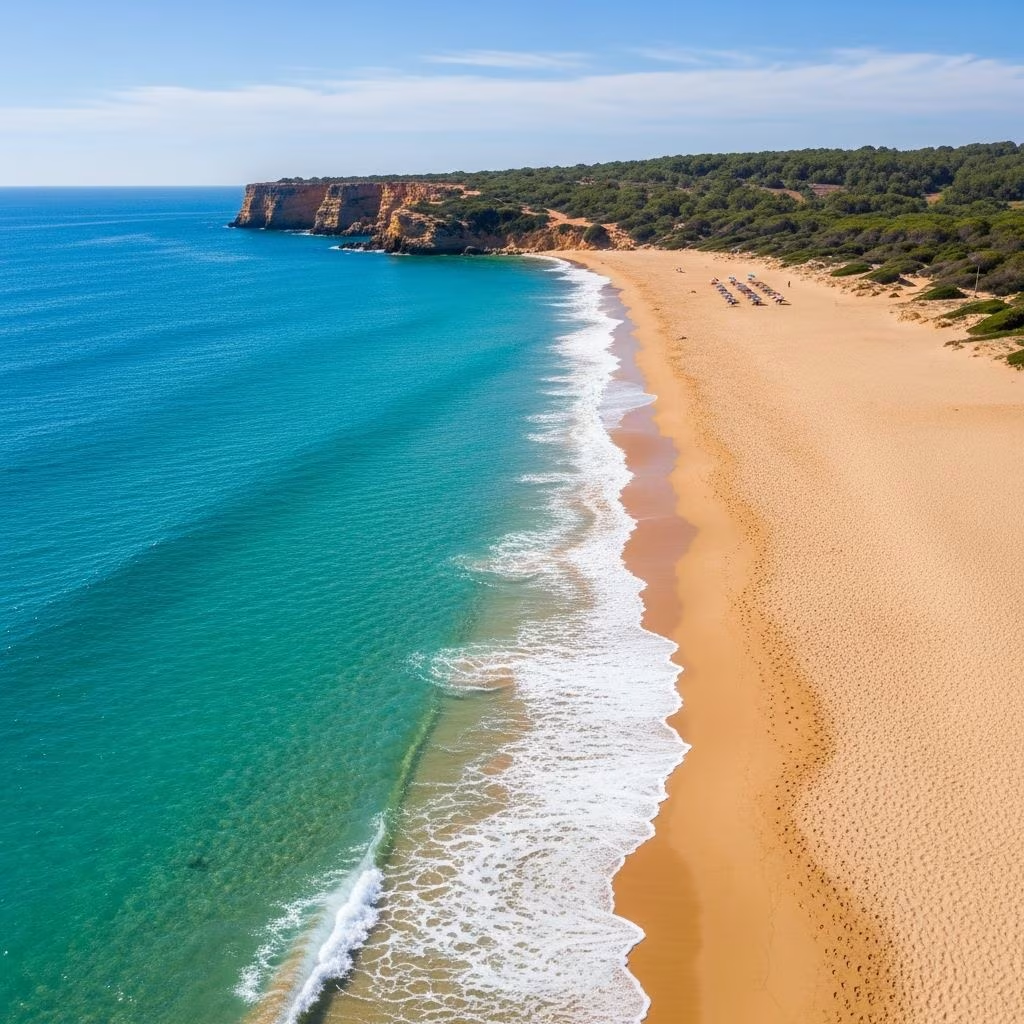
Explore Spain's premier beaches across Costa del Sol, Balearics, and more, with tips on activities, access, and why they captivate visitors worldwide.
 Travel Essentials
Spain boasts over 8,000 kilometers of coastline, featuring everything from expansive golden dunes to secluded rocky inlets. These shores draw millions annually for their diverse landscapes, reliable sunshine, and vibrant culture. Whether seeking lively resorts or tranquil retreats, Spain’s beaches offer unparalleled variety.
The Costa del Sol, stretching along Andalusia’s southern edge from Nerja to Gibraltar, epitomizes Mediterranean bliss with more than 300 sunny days yearly. This region blends glamorous beach clubs, historic white villages, and family-friendly sands, making it ideal for extended stays.
Playa de la Malagueta in Malaga city pulses with urban energy, where promenades line with chiringuitos serving fresh seafood paella. Families flock here for calm waters and playgrounds, while evenings bring salsa rhythms from nearby bars. Further west, Marbella’s Puerto Banús dazzles with superyachts and designer boutiques, but escape to nearby Playa de Cabopino for dunes protected as a nature reserve—perfect for windsurfing amid pine groves.
Tarifa, near Gibraltar, stands out for kitesurfing pros due to steady Levante winds. Its wide beaches back onto wild Atlantic swells, contrasting the calmer Med side. Watch Africa across the strait while paragliding off cliffs—a thrill unique to this spot.
The Balearic archipelago—Ibiza, Mallorca, Menorca, and Formentera—harbors some of Europe’s clearest waters, thanks to Posidonia seagrass meadows filtering the sea. These islands cater to all: Ibiza’s hedonism, Mallorca’s mountains-to-sea drama, Menorca’s UNESCO-protected calm, and Formentera’s car-free serenity.
In Formentera, Ses Illetes rivals Caribbean shores with powdery white sand and shallows glowing turquoise. No cars mean bike rentals rule, letting visitors pedal to miradors overlooking Platja de Llevant. Menorca’s Cala Macarella hides in a forested valley; hike down for snorkeling among octopus and parrotfish in gin-clear bays.
Mallorca’s Es Trenc preserves wild Caribbean vibes on the south coast, banned from high-rises to safeguard wetlands teeming with flamingos. Ibiza shifts gears at Cala Comte, where sunsets paint cliffs red—picnic with cava as DJ beats faintly echo from distant Pacha.
| Island | Signature Beach | Unique Feature | Visitor Tip |
|---|---|---|---|
| Mallorca | Es Trenc | Natural park dunes | Visit pre-July crowds |
| Ibiza | Cala Comte | Epic sunsets | Arrive early for parking |
| Menorca | Cala Macarella | Secluded cove | Pack lunch, limited facilities |
| Formentera | Ses Illetes | Ultra-clear waters | Ferry from Ibiza |
Northeast Catalonia’s Costa Brava, from Barcelona to France, carves dramatic cliffs and hidden calas (coves) shaped by Tramuntana winds. This ‘Wild Coast’ favors adventurers over sunbathers, with hiking paths linking medieval villages to pebbled bays.
Cala Montgó near Cadaqués, Salvador Dalí’s muse, features a sheltered beach inside a volcanic crater. Kayak to offshore islets for monk seal spotting. Tossa de Mar’s Platja Gran merges castle walls with soft sands, evoking Game of Thrones sets. Further north, Cap de Creus peninsula’s moonscape rocks frame nude-friendly coves like Cala Culip, where fishermen’s huts double as seafood shacks.
Besalu’s inland charm pairs with nearby Empuriabrava’s canals, but stick coastal for Aiguablava’s golden curve watched over by medieval towers. Spring wildflowers and autumn storms add seasonal magic here.
Alicante province’s Costa Blanca delivers 200+ kilometers of Blue Flag beaches, from Alicante’s Postiguet to Benidorm’s high-rises. Yet quieter gems shine: Guadalest valley overlooks azure coves, while Tabarca Island’s marine reserve buzzes with groupers.
Playa de la Fossa in Calpe boasts a palm-lined promenade and Peñón de Ifach rock climbs. Moraira’s El Portet offers yacht views and paella spots. Javea’s Arenal mixes British expat vibes with scuba dives to submerged Roman anchors.
Asturias and Cantabria’s ‘Green Coast’ flips the south’s script with misty cliffs, cider houses, and surf breaks. Rodiles Beach hosts pro competitions amid eucalyptus groves, while Lastres’ cove beaches feel worlds from Torremolinos.
Galicia’s Rías Baixas cradle Praia de Rodas on Islas Cíes, voted world’s best beach—white sands shelve into Atlantic rollers, accessible by ferry with daily limits for preservation. Sanxenxo’s golden arcs rival Brazil, backed by pine forests for hiking.
Peak July-August brings heat (30°C+) and crowds; shoulder May-June or September-October offer milder weather (25°C) and festivals like San Juan bonfires. Budget €100-200/night for beachfront posadas; wild camp discreetly in reserves.
Fly into regional hubs: Barcelona (BCN) for Brava, Palma (PMI) for Balearics, Malaga (AGP) for Sol. Trains link Costa Brava; ferries connect islands. Rent cars for flexibility, but buses suffice mainland.
Playa de las Catedrales in Lugo offers sea caves at low tide and calm sands, but Ses Illetes in Formentera tops for shallows and facilities.
Yes, over 400; try Costa Brava’s Cala Jugadora or Costa del Sol’s Bolonia—discreet and naturist-friendly.
Formentera’s Ses Illetes and Menorca’s calas, thanks to Posidonia filters—visibility exceeds 30 meters.
October: Warm seas, fewer tourists, harvest festivals.
Limited; Andalusia bans it, but northern coasts tolerate low-impact spots—check local rules.
| Region | Sand Type | Water Clarity | Crowd Level | Top Activity |
|---|---|---|---|---|
| Costa del Sol | Golden | Good | High | Partying |
| Balearics | White | Excellent | Medium | Snorkeling |
| Costa Brava | Mixed/Pebble | Very Good | Low-Medium | Hiking |
| Costa Blanca | Fine Sand | Good | High | Diving |
| Northern Coast | Coarse/Wild | Fair | Low | Surfing |
Spain’s beaches transcend relaxation, weaving nature, history, and cuisine into unforgettable escapes. From Andalusian glamour to Galician wilds, each stretch reveals the country’s coastal soul.
