


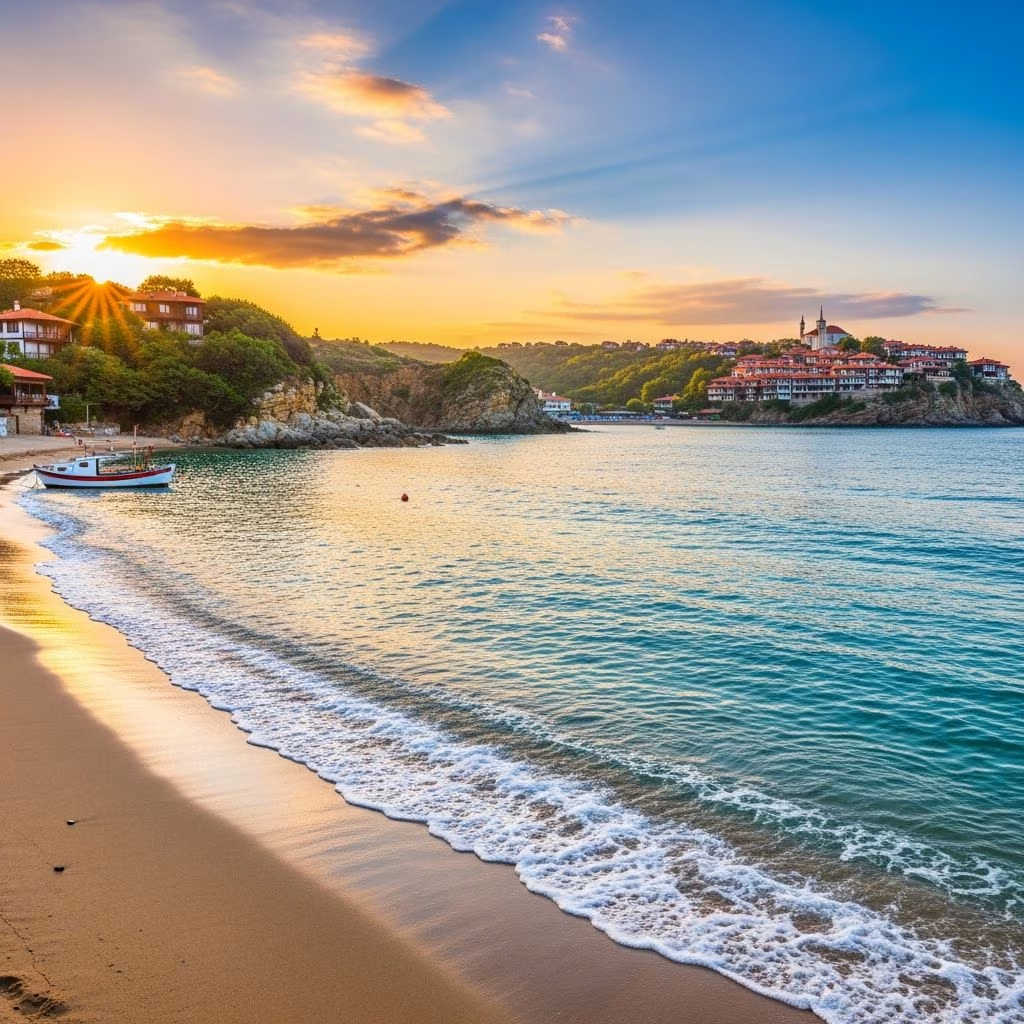
When planning a European beach holiday, most travelers immediately think of Mediterranean destinations or crowded Spanish coasts. However, Bulgaria’s Black Sea coastline offers an exceptional alternative that combines stunning natural beauty, rich historical significance, and remarkable affordability. Stretching across nearly 400 kilometers, the Bulgarian Riviera has emerged as one of Europe’s most compelling seaside destinations, attracting visitors seeking authentic experiences without premium price tags.
The Black Sea coast represents a unique geographical and cultural crossroads where ancient civilizations met modern tourism. This convergence has created a distinctive landscape that appeals to diverse traveler preferences—from luxury resort seekers to adventure enthusiasts and nature conservationists. Understanding what makes Bulgaria’s coastline special requires exploring its individual destinations, each offering distinct characteristics and attractions.
The Evolution of Bulgaria’s Coastal Tourism Appeal
Bulgaria’s relationship with international beach tourism has undergone significant transformation since the fall of the Iron Curtain in 1989. During the Cold War era, the nation’s coastline was known as the Red Riviera, primarily hosting visitors from Soviet-bloc countries. Following geopolitical changes, the region reinvented itself as the Bulgarian Riviera, opening its shores to international tourists and positioning itself as an accessible alternative to increasingly crowded Mediterranean destinations.
The coastline’s composition reflects both geological and economic realities. Approximately 130 kilometers of the 378-kilometer coast features white and golden sandy beaches, while the remainder comprises rocky headlands that create dramatic coastal scenery. This natural variety ensures that different visitor preferences can be accommodated across various beach locations.
Premier Beach Destinations Along the Coast
Iconic Large-Scale Resort Beaches
The northern and central sections of Bulgaria’s coastline feature expansive resort areas designed for high-capacity tourism. These destinations combine long stretches of sandy beach with comprehensive hospitality infrastructure, making them ideal for families and travelers seeking convenient amenities.
Sunny Beach stands as Bulgaria’s flagship coastal destination and represents the country’s largest resort development. Stretching across 8 kilometers of fine golden sand, this beach genuinely justifies its name through exceptional sunshine exposure. The region receives approximately 1,700 hours of direct sunlight between May and October, creating ideal conditions for extended beach relaxation. The resort infrastructure includes countless dining establishments, water sports facilities, entertainment venues, and accommodation options ranging from budget hostels to upscale hotels.
Golden Sands offers similar large-scale resort amenities while maintaining slightly less crowded conditions than Sunny Beach. This destination appeals to travelers seeking the convenience of developed infrastructure without the intensity of the most popular beach zones.
Albena provides another significant resort option in Bulgaria’s northern coast, continuing the pattern of family-friendly beaches with comprehensive tourist services. These interconnected major resorts create a continuous zone of hospitality infrastructure stretching across much of the northern coastline.
Historical and Culturally Significant Coastal Towns
Beyond the massive resort beaches, Bulgaria’s coastline encompasses settlements with substantial historical depth that fundamentally shaped Mediterranean civilization. These destinations combine historical significance with attractive coastal settings, appealing to culturally-minded travelers.
Sozopol represents perhaps the most historically significant location along Bulgaria’s Black Sea coast. Originally established in the 7th century BC by Greek seafaring civilizations under the name Apollonia, this ancient settlement testifies to the region’s importance in classical Mediterranean trade networks. The town’s survival across millennia reflects its natural advantages as a sheltered harbor and fertile coastal location.
Contemporary Sozopol maintains its historical character while accommodating modern tourism. The town offers multiple beach options serving different preferences. Harmani Beach provides a wide sandy expanse suitable for traditional beach activities, while Town Beach accommodates visitors seeking closer proximity to historical attractions and dining establishments. Travelers preferring less congested environments can access Golden Fish and Kavatsi Beaches, located just a few kilometers from the town center, offering similar sand and water quality with reduced crowding and fewer commercial beach vendors.
Ahtopol represents another historically-layered coastal settlement, combining ancient significance with contemporary beach tourism. These older towns provide cultural context that distinguishes them from purpose-built modern resorts.
Distinctive and Specialized Beach Experiences
Natural Wonder and Protected Environments
Bulgaria’s commitment to environmental conservation has resulted in several beaches receiving official protected status, distinguishing them through regulatory frameworks that limit commercial development and preserve natural conditions.
Silistar Beach exemplifies Bulgaria’s protected coastal environments. Designated for formal protection due to its ecological significance, Silistar defies conventional superlatives through its natural characteristics. The beach features remarkably shallow and transparent water conditions that create exceptional visibility for underwater observation and diving activities. Although rocky formations bracket the beach at its extremities, the central area comprises fine, soft sand meeting visitor expectations for comfortable beach experiences.
The protective designation permits wild camping—a feature distinguishing Silistar from heavily commercialized alternatives. This combination of natural beauty, transparent waters, recreational diving opportunities, and primitive accommodation options appeals specifically to travelers seeking authentic coastal wilderness experiences rather than resort amenities.
Bolata Beach represents another exceptional natural coastal location. Located within a nature reserve designation, Bolata offers visitors opportunities to observe rare bird species while enjoying striking natural scenery. The beach is flanked by rock formations containing accessible caves, where archaeological investigations have uncovered artifacts dating to approximately 400 BC. The clear and calm waters create ideal conditions for kayaking, particularly during sunrise hours when minimal wind and optimal lighting enhance the experience.
Specialized Beach Communities and Unique Offerings
Irakli Beach occupies a distinctive niche within Bulgaria’s beach landscape as one of the country’s remaining wild beaches and as an established nudist destination. Positioned approximately halfway between Varna and Burgas, Irakli attracts visitors seeking clothing-optional recreation in an undeveloped coastal setting. The sand quality matches or exceeds more commercialized alternatives, with particularly soft texture that justifies careful consideration before barefoot walking.
Pomorie Beach serves an entirely different market segment based on the therapeutic properties of its mineral-enriched waters and distinctive black mud deposits. The beach has developed a reputation for the curative benefits that visitors attribute to extended mud exposure, particularly for individuals experiencing joint discomfort and related musculoskeletal conditions. This specialized function has attracted predominantly middle-aged visitors seeking health-oriented beach experiences rather than entertainment-focused resort holidays. Pomorie simultaneously functions as a center for sailing and yachting activities, accommodating water sports enthusiasts.
Comparative Analysis of Beach Categories
| Beach Type | Primary Appeal | Infrastructure Level | Visitor Profile | Best Season |
|---|---|---|---|---|
| Large Resort Beaches (Sunny Beach, Golden Sands) | Comprehensive amenities, nightlife, family activities | Extensive | Families, groups, budget travelers | May-September |
| Historical Towns (Sozopol, Ahtopol) | Cultural heritage, authentic atmosphere | Moderate | Cultural tourists, history enthusiasts | May-October |
| Protected Natural Beaches (Silistar, Bolata) | Wilderness experience, diving, kayaking | Minimal | Adventure seekers, nature lovers | May-September |
| Specialized Beaches (Irakli, Pomorie) | Unique experiences (nudist, therapeutic) | Minimal to Moderate | Niche communities, health-conscious travelers | May-October |
Practical Considerations for Coastal Visitors
Seasonal Dynamics and Optimal Visiting Windows
Bulgaria’s Black Sea coast functions as a genuine seasonal destination. The primary tourism season extends from May through October, with peak crowding typically occurring during July and August. Visitors seeking optimal experiences while avoiding excessive congestion should consider May and September, when weather remains favorable while visitor numbers decline significantly. Protected beaches like Silistar experience notably reduced congestion during these shoulder seasons, making them particularly attractive for those prioritizing serene beach experiences.
Economic Value Proposition
The fundamental appeal of Bulgaria’s Black Sea coast rests substantially on exceptional economic value. Compared to established Mediterranean destinations across southern France, Spain, Greece, and Italy, Bulgarian beaches offer comparable or superior natural qualities at substantially reduced costs. Accommodation expenses, dining establishments, and activity pricing consistently undercut Western European alternatives by significant margins. This affordability makes extended coastal vacations economically feasible for middle-income travelers who would find comparable Mediterranean vacations prohibitively expensive.
Addressing Modern Challenges and Future Prospects
Bulgaria’s coastal tourism sector has experienced challenges since approximately 2009, when rapid commercial development, oversized hotel construction projects, and changing visitor demographics created negative perceptions. Massive resort infrastructure development frequently ignored aesthetic and environmental considerations, resulting in structures visually discordant with natural landscapes. Marketing strategies emphasizing extremely budget-oriented pricing inadvertently attracted visitor demographics associated with non-stop entertainment seeking rather than authentic cultural engagement.
Contemporary coastal management increasingly emphasizes sustainable tourism development that preserves natural environments while providing visitor amenities. Protected beach designations and wild camping permissions reflect this commitment to balancing conservation with accessibility. These management philosophies suggest that Bulgaria’s coastal future may involve moderate-scale development prioritizing environmental stewardship over maximizing visitor capacity.
Making Your Coastal Choice
Bulgaria’s 400-kilometer Black Sea coastline accommodates virtually any beach vacation preference through its diverse destination portfolio. Families prioritizing comprehensive amenities should gravitate toward established resorts like Sunny Beach and Golden Sands. Culturally-oriented travelers will find Sozopol and other historical settlements more rewarding. Adventure enthusiasts and nature conservationists should prioritize protected beaches like Silistar and Bolata. Visitors seeking specialized experiences can investigate Pomorie’s therapeutic offerings or Irakli’s unique beach culture.
Regardless of specific destination choice, Bulgaria’s Black Sea coast delivers exceptional value for European beach tourism. The combination of historical significance, natural beauty, diverse beach environments, comprehensive tourism infrastructure, and remarkable affordability creates a compelling alternative to increasingly crowded and expensive Mediterranean options. Whether seeking relaxation, cultural immersion, adventure, or therapeutic beach experiences, Bulgaria’s coastal destinations merit serious consideration from any traveler planning European seaside holidays.
References
- Bulgarian Riviera: best beaches of the Black Sea coast — Lonely Planet. Accessed 2026-04-23. https://www.lonelyplanet.com/articles/bulgarian-riviera-best-beaches-of-the-black-sea-coast
- The 15 Best Bulgarian Beaches: A Guide to the Bulgarian Riviera — Sofia Adventures. https://sofiaadventures.com/best-bulgarian-beaches-bulgarian-riviera-travel-guide/
- 8 favourite places on the Bulgarian Black Sea coast — Travelling Buzz. https://travellingbuzz.com/favourite-places-on-the-bulgarian-black-sea-coast/
- Bulgarian Black Sea Coast — Wikipedia. https://en.wikipedia.org/wiki/Bulgarian_Black_Sea_Coast
- The Secret Charms of Bulgaria’s Black Sea Coast — World Nomads. https://www.worldnomads.com/explore/eastern-europe/bulgaria/secret-charms-of-bulgarias-black-sea-coast

