 Stays
StaysStays
Best Beijing Neighborhoods to Stay, Explore and Experience
Dive into Beijing's diverse neighborhoods: historic centers with palaces and hutongs, trendy nightlife spots, artistic enclaves, and serene imperial retreats. Ideal guide for first-timers and seasoned explorers.
 Stays
StaysBeijing, China’s dynamic capital, blends millennia of imperial legacy with cutting-edge modernity across its sprawling districts. Each neighborhood offers unique experiences, from wandering narrow hutong alleys lined with traditional courtyard homes to sipping cocktails in gleaming skyscraper lounges. This guide highlights the standout areas, helping you choose based on your interests—whether history, cuisine, art, or nightlife. With efficient subway connections and ride-hailing apps, navigating these zones is straightforward for visitors.
Central Imperial Core: Dongcheng’s Historic Heart
The pulsating center of Beijing revolves around Dongcheng District’s southern and central sections, home to the city’s most iconic landmarks. Here, vast palaces and squares evoke the grandeur of emperors past, drawing millions annually. Tiananmen Square, the world’s largest public plaza, sets the stage with its Mao Zedong Mausoleum and National Museum of China, flanked by the resplendent Forbidden City—a UNESCO World Heritage site sprawling over 180 acres with 9,999 rooms.
Beyond the palaces, Jingshan Park offers panoramic views from its hilltop pavilion, once part of the imperial grounds. Evenings come alive with street food stalls along Wangfujing Street, famous for scorpion skewers and tangy noodles. This area suits first-time visitors craving concentrated sightseeing without long commutes. Stay in boutique hotels or hutong guesthouses for an immersive feel; options range from luxury chains near the square to affordable hostels tucked in alleys.
- Key attractions: Forbidden City, Tiananmen Square, Wangfujing Night Market
- Best for: History buffs and families
- Getting around: Lines 1 and 2 of the subway
Northern Hutong Haven: Gulou and Surrounds
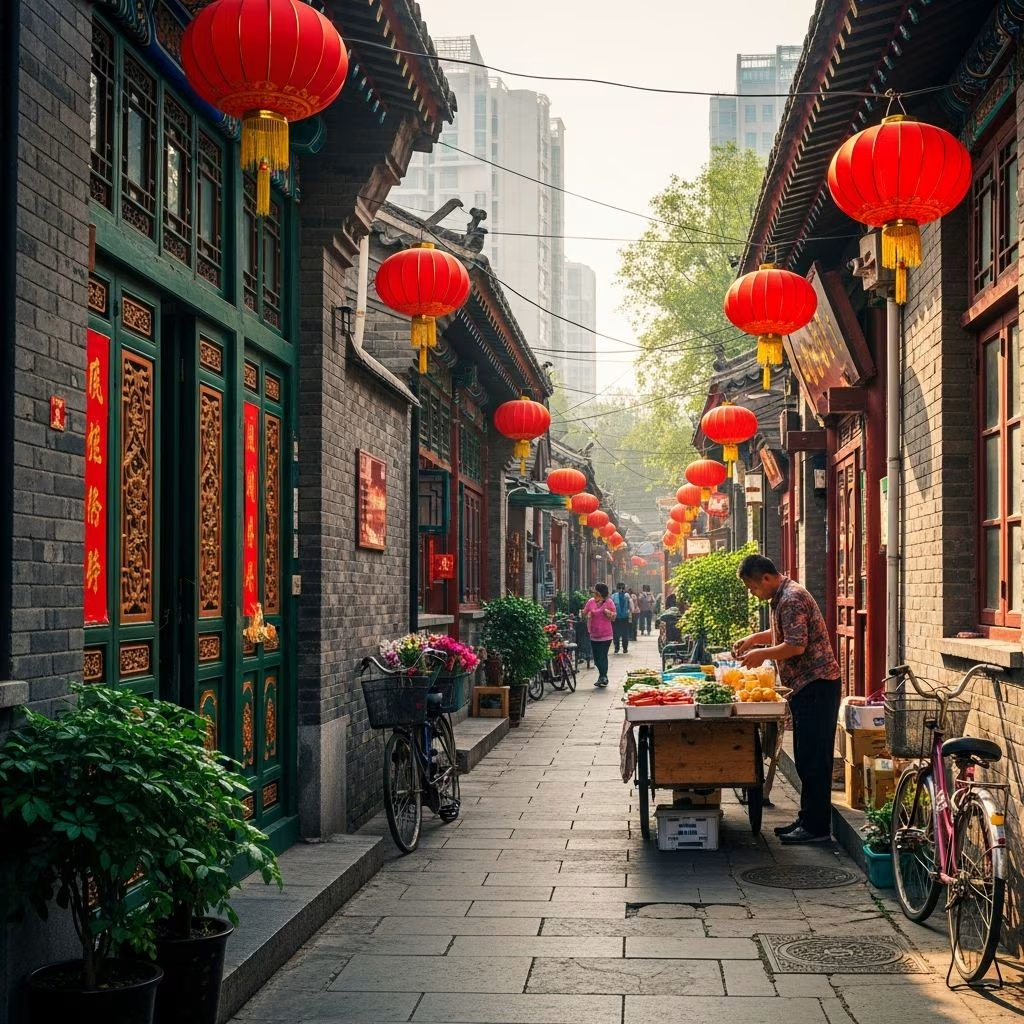
North of the imperial core lies Gulou (Drum Tower) area, a labyrinth of preserved hutongs where gray-brick siheyuan courtyards whisper tales of old Beijing. Climb the Drum and Bell Towers for sunset vistas over the hutong maze, then pedal a bike rickshaw through Nanluoguxiang, a bustling pedestrian street packed with quirky shops, craft beer bars, and fusion eateries blending dumplings with international tacos.
Houhai Lake adds romance, with lotus-lined shores ideal for paddle boating or lakeside jazz lounges. This district captures authentic local life amid gentrified charm—elderly residents chat on stoops while expats flock to trendy cafes. It’s perfect for cultural immersion, with fewer crowds than central sites. Budget travelers love the area’s guesthouses; couples favor boutique inns overlooking the water.
| Activity | Highlight | Time Needed |
|---|---|---|
| Hutong Tour | Rickshaw ride + courtyard visits | 2-3 hours |
| Lake Stroll | Houhai sunset + tea house | 1-2 hours |
| Street Food | Nanluoguxiang snacks | 1 hour |
Eastern Enclaves: Art, Temples, and Lakes
Dongcheng North extends the hutong charm with Yonghegong (Lama Temple), Beijing’s largest Tibetan Buddhist complex, fragrant with incense and towering 18-meter Buddha statues. Nearby, the serene Beihai Park features a vast lake, white dagoba, and imperial gardens—rent a boat for a peaceful escape. These spots offer spiritual respite amid urban hustle.
Further east, quieter residential hutongs like Baochao Street mix hole-in-the-wall dumpling joints with artisanal coffee roasters, attracting those seeking offbeat vibes. Families appreciate the parks’ picnic spots; photographers capture golden-hour temple reflections. Accessible via subway Line 5, this zone balances tranquility and accessibility.
Modern Pulse: Chaoyang’s Sanlitun and Beyond
Chaoyang District embodies Beijing’s cosmopolitan edge, with Sanlitun as its glittering epicenter. Taikoo Li Sanlitun, an open-air mall, draws fashion crowds to high-end boutiques, rooftop bars, and celebrity chef restaurants serving Sichuan hotpot alongside molecular gastronomy. Nightlife peaks here—craft cocktail dens and electronic music clubs pulse until dawn.
Venture to 798 Art District, a repurposed factory zone now Beijing’s street art mecca, with galleries, murals, and indie cafes in Bauhaus-style warehouses. Panjiayuan Antique Market yields jade carvings and propaganda posters. Dongyue Temple’s eerie folk deity halls add mysticism. Luxury hotels cluster nearby; this area’s for foodies, partygoers, and shoppers. Subway Lines 10 and 14 connect seamlessly.
- Nightlife tips: Start at Migas for tapas, end at Sir Teen for hip-hop
- Art scene: Free entry to many 798 exhibits; weekends busiest
- Shopping: Taikoo Li for brands, Panjiayuan for souvenirs
Southern Charms: Qianmen and Temple Vibes
South of Tiananmen, Qianmen (Front Gate) blends Dashilar’s historic shopping street—once lined with fabric dyers and now trendy concept stores—with the Temple of Heaven. This 15th-century park’s Hall of Prayer for Good Harvests symbolizes cosmic harmony; echo-clapping walls amuse visitors. Dashilar’s snack stalls offer roujiamo (Chinese burgers) and ajisen ramen.
The area retains ‘Outer City’ flavor, with hutongs evolving into creative spaces. Ideal for day trips combining history and local eats; budget hotels abound. Subway Line 2/5 at Qianmen Station.
Western Wonders: Xicheng’s Commercial and Cultural Mix
Xicheng buzzes with Xidan, a shopper’s paradise of mega-malls like Joy City and underground markets hawking gadgets. Cultural Square hosts opera performances and food festivals. Hutongs nearby preserve Peking opera houses. Great Wall sections like Badaling are a short high-speed train away. Business travelers favor its central hotels.
Northwestern Retreats: Haidian and Summer Palace
Haidian’s northwest expanse escapes city clamor with the Summer Palace, a 700-acre Qing dynasty marvel of Kunming Lake and Longevity Hill pavilions. Boat rides and marble boat views evoke imperial leisure. Nearby Yuanmingyuan (Old Summer Palace) ruins reflect colonial scars, with lotus ponds and European-style remnants. Fragrant Hills offer autumn foliage hikes.
Tech-savvy Tsinghua and Peking Universities dot the area, with cafes patronized by students. Olympic Park’s Bird’s Nest stadium adds sporty flair. Luxury resorts and mid-range options suit relaxed stays; Line 4 subway or buses from center.
Choosing Your Base: Neighborhood Comparison
| Neighborhood | Vibe | Top Draw | Stay Price Range (per night) | Best Traveler Type |
|---|---|---|---|---|
| Dongcheng Central | Historic grandeur | Forbidden City | $$-$$$ | First-timers |
| Gulou/Houhai | Charming alleys | Hutongs & lakes | $-$$ | Couples, culture seekers |
| Sanlitun/Chaoyang | Trendy nightlife | 798 Art & bars | $$$-$$$$ | Foodies, partygoers |
| Qianmen | Local markets | Temple of Heaven | $-$$ | Budget explorers |
| Summer Palace/Haidian | Serene escapes | Imperial gardens | $$ | Nature lovers |
Practical Tips for Beijing Neighborhood Hopping
Use Didi for taxis, Alipay/WeChat for payments. English signage improves in tourist zones, but translation apps help. Spring (April-May) and autumn (Sept-Oct) offer mild weather; summers humid, winters crisp. Book attractions via WeChat mini-programs to skip lines. Hutong etiquette: Respect privacy, ask before photos.
Frequently Asked Questions (FAQs)
What’s the best neighborhood for first-time visitors?
Dongcheng Central, near major sights like Forbidden City and Tiananmen.
Where to stay for nightlife in Beijing?
Sanlitun in Chaoyang—vibrant bars and clubs galore.
Are hutongs safe to explore at night?
Yes, in touristy Gulou areas; stick to lit paths and groups.
How to get to Summer Palace from city center?
Subway Line 4 (1 hour) or direct bus (45 mins).
Best time for 798 Art District?
Weekdays to avoid crowds; galleries open 10am-6pm.
References
- Discover the best neighborhoods to visit in Beijing — Lonely Planet. 2023-05-15. https://www.lonelyplanet.com/articles/best-neighborhoods-in-beijing-china
- Beijing Municipal Commission of Tourism Development Official Guide to Districts — Beijing Government (.gov). 2025-01-10. https://english.visitbeijing.com.cn/article/47QvXqYk9oO
- UNESCO World Heritage Centre: Imperial Palaces of the Ming and Qing Dynasties — UNESCO (.org). 2024-11-20. https://whc.unesco.org/en/list/439/
- China National Tourism Administration: Beijing District Overview — CNTA (.gov.cn). 2025-03-05. https://www.cnta.gov.cn/english/
- Beijing Subway Network Map and Updates — Beijing Subway Official. 2026-04-01. https://www.bjsubway.com/english/
On This Page
Central Imperial Core: Dongcheng's Historic Heart Northern Hutong Haven: Gulou and Surrounds Eastern Enclaves: Art, Temples, and Lakes Modern Pulse: Chaoyang's Sanlitun and Beyond Southern Charms: Qianmen and Temple Vibes Western Wonders: Xicheng's Commercial and Cultural Mix Northwestern Retreats: Haidian and Summer Palace Choosing Your Base: Neighborhood Comparison Practical Tips for Beijing Neighborhood Hopping Frequently Asked Questions (FAQs)← Previous
25 Best Places to Visit in Mexico for Nature, Culture & Adventure
Next →
Tiananmen Square: History, Landmarks & 2026 Visitor Guide
Related Reading