

 Travel Essentials
 Travel Essentials

A comprehensive guide to Belgrade's most distinctive neighborhoods, from historic old town to vibrant riverside areas, each offering unique character and authentic experiences.
 Travel Essentials
Belgrade, Serbia’s vibrant capital, is a city that reveals itself through its distinct neighborhoods, each with its own character, history, and contemporary energy. Rather than experiencing the city as a monolithic destination, travelers and locals alike understand that Belgrade’s true essence emerges through exploring its diverse urban quarters. Whether you seek historical significance, creative expression, riverside charm, or authentic local life, the city’s neighborhoods provide distinct gateways to understanding Serbia’s complex and fascinating capital.
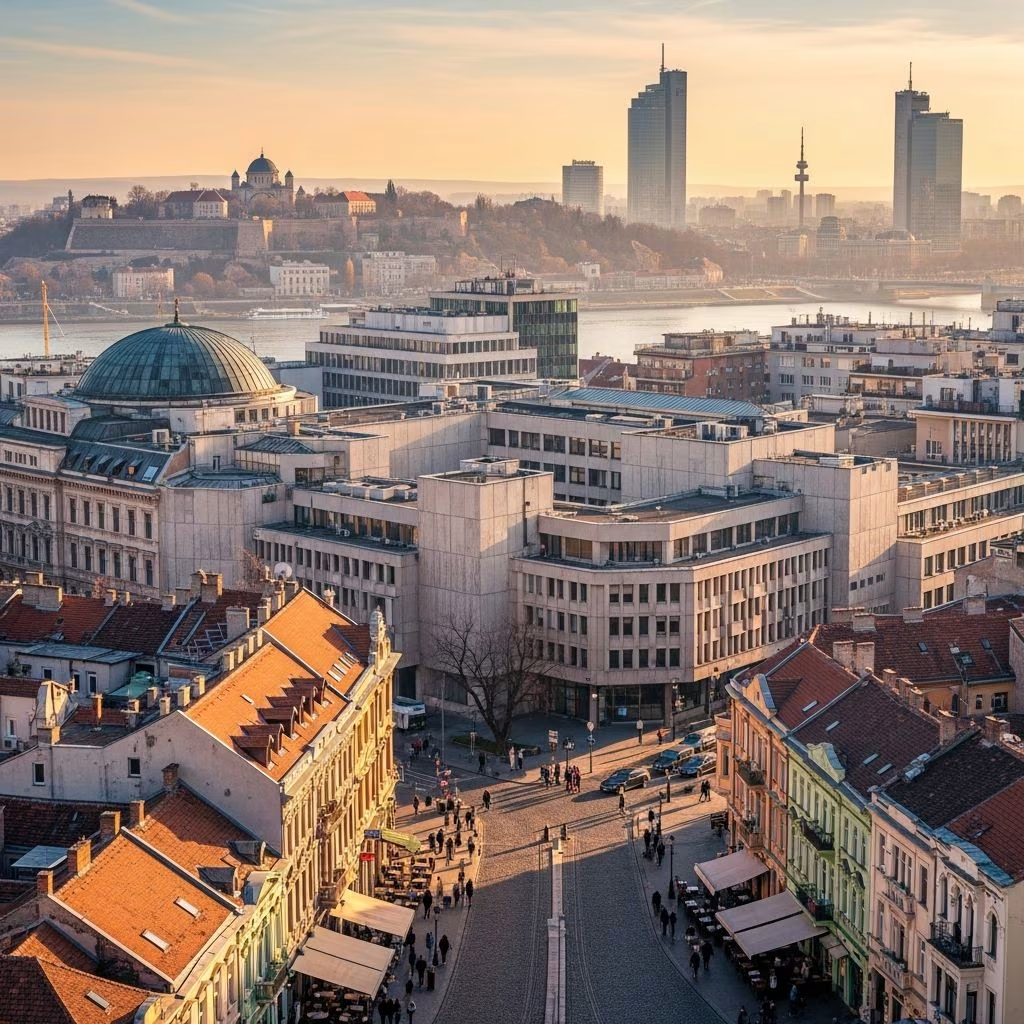
Belgrade’s historical heart encompasses several interconnected neighborhoods that form the foundation of the city’s identity. These areas represent centuries of cultural accumulation, architectural evolution, and social development. The oldest urban sections showcase building styles that range from Ottoman-influenced structures to Austro-Hungarian designs, reflecting the city’s complex history of occupation and liberation.
The downtown core represents Belgrade’s commercial and cultural epicenter, densely packed with shopping venues, entertainment options, and cultural institutions. This area maintains strong connections to transport networks throughout the city, making it accessible for both residents and visitors. The architecture here blends preserved historic buildings with modern developments, creating a visual narrative of the city’s evolution across different historical periods.
Within this central zone, multiple sub-districts each maintain their own identity while contributing to the overall downtown atmosphere. The designated city center features architectural landmarks that have become iconic symbols of Belgrade itself. Historic neighborhoods within this framework preserve narrow streets and intimate plazas that encourage pedestrian exploration and spontaneous discovery.
One particular neighborhood has earned recognition as Belgrade’s creative epicenter, comparable in spirit to famous artistic districts in other European capitals. This area underwent significant transformation in recent decades, evolving from industrial decline into a vibrant hub for contemporary culture and design innovation.
The neighborhood’s character emerges through multiple layers of urban expression. Decadent older buildings now house modern establishments that blend aesthetic appreciation with functional enterprise. Street art covers building facades with impressive visual statements that comment on contemporary issues while celebrating artistic freedom. The urban landscape constantly shifts as new creative projects emerge and established venues adapt to cultural trends.
Infrastructure development projects have further shaped this neighborhood’s trajectory. Modern revitalization initiatives aim to establish design centers, cultural facilities, collaborative workspace facilities, and residential developments. These transformations position the district as a bridge between historical preservation and contemporary urban development, attracting both cultural professionals and lifestyle-conscious residents.
Dining and entertainment venues reflect the neighborhood’s creative orientation, featuring establishments that prioritize aesthetic presentation and innovative culinary approaches. The atmosphere distinctly differs from more commercial downtown areas, offering visitors and residents an alternative to mainstream tourism experiences.
Certain neighborhoods preserve Belgrade’s bohemian heritage through architectural authenticity and cultural programming. These districts maintain connections to historical periods when artistic communities gathered in kafanes (traditional taverns) following cultural performances. The legacy of these creative communities remains embedded in the neighborhood’s identity even as contemporary establishments attempt to recreate historical atmospheres.
Walking through these neighborhoods reveals narrow, winding streets lined with traditional establishments competing alongside modern bars and restaurants. Some venues specifically market their historical connections and traditional entertainment formats, including live music performances that recall earlier eras. The dining experience ranges from sophisticated restaurants with substantial price tags to casual gathering spaces serving local communities.
Beyond the main entertainment thoroughfare, quieter streets preserve residential character while offering boutique shopping and independent gallery spaces. Daytime exploration reveals different dimensions of these neighborhoods compared to evening experiences. Markets operate in adjacent areas, providing access to fresh produce and local goods. Cultural institutions, including science and technology museums with interactive exhibits, add educational dimensions to neighborhood exploration.
Lower sections of these historic districts stretch toward major waterways, featuring leafy streets appropriate for cycling and leisurely strolling. Architectural significance extends to specific historical structures, including buildings recognized as among the oldest residential structures in the city. These elements combine to create neighborhoods that reward both superficial visits and deeper exploration.
Beyond primary tourist zones exist neighborhoods where residents outnumber visitors, providing opportunities to experience Belgrade as locals do. These areas maintain distinct identities while remaining accessible to the broader city through public transportation networks.
One particularly noteworthy residential area encompasses major cultural institutions and maintains connections to political centers. A significant religious structure dominates the local landscape, anchoring the neighborhood’s identity. Public spaces within the district provide recreational facilities, outdoor entertainment venues, and retail establishments. Transport connections through buses and tram systems ensure connectivity without requiring private vehicles. Newer residential construction increasingly includes underground parking solutions, addressing urban congestion issues.
Another densely populated neighborhood maintains a surprisingly village-like atmosphere despite urban density. This area concentrates local businesses, dining options, and beverage establishments. A notable museum dedicated to a famous historical figure provides cultural significance alongside residential function. Multiple embassies establish offices here, indicating international importance and ensuring reliable public transportation infrastructure. Traffic management through one-way street systems reduces noise pollution and creates more livable conditions compared to areas allowing free vehicular movement in all directions.
Beyond the central urban core, Belgrade extends into suburban areas that balance residential development with recreational opportunities. These zones provide escape from urban intensity while maintaining connections to downtown amenities through reliable transit systems.
Suburban neighborhoods organized around commercial sports facilities have developed into distinctive districts. Residential blocks in these areas feature abundant parking spaces, local retail options, and bars distributed throughout the neighborhoods. School facilities and children’s playgrounds indicate family-oriented development patterns. These areas appeal to residents seeking quieter living conditions while maintaining city amenities and employment accessibility.
Other suburban zones develop around historical estates and landscaped gardens, preserving green character within urban expansion. These areas balance environmental preservation with residential growth, offering residents proximity to nature alongside urban convenience.
Contemporary Belgrade development increasingly focuses on riverside areas, transforming industrial and abandoned zones into modern urban attractions. These revitalized waterfront districts represent Belgrade’s evolution into a contemporary European capital while potentially compromising historical character in the process.
Modern waterfront developments feature upscale residential buildings, contemporary office spaces, and entertainment venues designed to appeal to affluent demographics. These areas contrast sharply with traditional neighborhoods through architectural modernism and international aesthetic standards. The nightlife scene in waterfront areas attracts young professionals and tourists seeking contemporary entertainment rather than historical atmosphere.
For First-Time Visitors: Historic central areas provide immediate access to major attractions, cultural institutions, and transportation hubs. While prices exceed other neighborhoods, convenience and concentrated tourist infrastructure justify the investment for initial city exploration.
For Nightlife Seekers: Riverside districts and contemporary entertainment zones offer dynamic nighttime scenes with modern venues, international clientele, and cutting-edge entertainment options.
For Authentic Local Experiences: Residential neighborhoods away from primary tourist routes provide genuine insight into Belgrade’s contemporary daily life, local businesses, and community dynamics.
For Boutique Shopping and Gallery Hopping: Historic districts with preserved architecture maintain concentrated collections of independent retailers and contemporary art spaces.
Belgrade’s public transportation system effectively connects neighborhoods through bus, tram, and trolleybus services. Strategic location choices minimize daily transit time while providing access to diverse experiences. Understanding transportation infrastructure helps visitors and residents maximize neighborhood accessibility without excessive travel time. Cycling through quieter streets provides alternative exploration methods while revealing neighborhood character inaccessible from vehicular routes.
Neighborhood character shifts across seasons as weather influences outdoor activity patterns, establishment operations, and visitor volumes. Summer months concentrate activity in outdoor areas and entertainment districts, while winter emphasizes indoor cultural venues and covered market spaces. Understanding these seasonal dynamics helps travelers plan neighborhood exploration timing based on personal preferences and desired activities.
Parking Availability: Central areas present parking challenges due to high demand and limited spaces, while suburban neighborhoods typically offer abundant parking options. Some neighborhoods implement resident-only evening parking to manage demand.
Noise Levels: Traffic management through one-way streets and restricted through-traffic significantly reduces noise pollution in some neighborhoods compared to others.
Price Variations: Historic central areas command premium prices for both accommodations and dining, while residential neighborhoods offer more moderate pricing.
Tourist Concentration: High-traffic districts provide concentrated attractions but less authentic local atmosphere, while residential areas require more intentional exploration.
Traditional open-air markets operate in multiple neighborhoods, providing access to fresh produce and local goods. These markets function as social gathering spaces beyond their commercial function, offering visitors insight into local shopping practices and community life. Market locations near historic districts create parking challenges but add vibrancy and commercial diversity to neighborhood character.
Belgrade’s neighborhoods collectively create a city experience far more nuanced than any single district could provide. Rather than selecting a single neighborhood for an entire visit, considering multi-neighborhood exploration strategies allows visitors to experience diverse aspects of the city. Each neighborhood contributes distinct elements to a comprehensive Belgrade understanding—from historical significance to contemporary culture to authentic local life. The city rewards explorers willing to venture beyond primary tourist routes and discover the distinct identities that make Belgrade a compelling destination for culturally curious travelers.
