

 Travel Essentials
 Travel Essentials

Embark on a comprehensive guide to India's big cat safaris, exploring top destinations for Bengal tigers in Ranthambore and Bandhavgarh, leopards in Bera, and Asiatic lions in Gir Forest.
 Travel Essentials
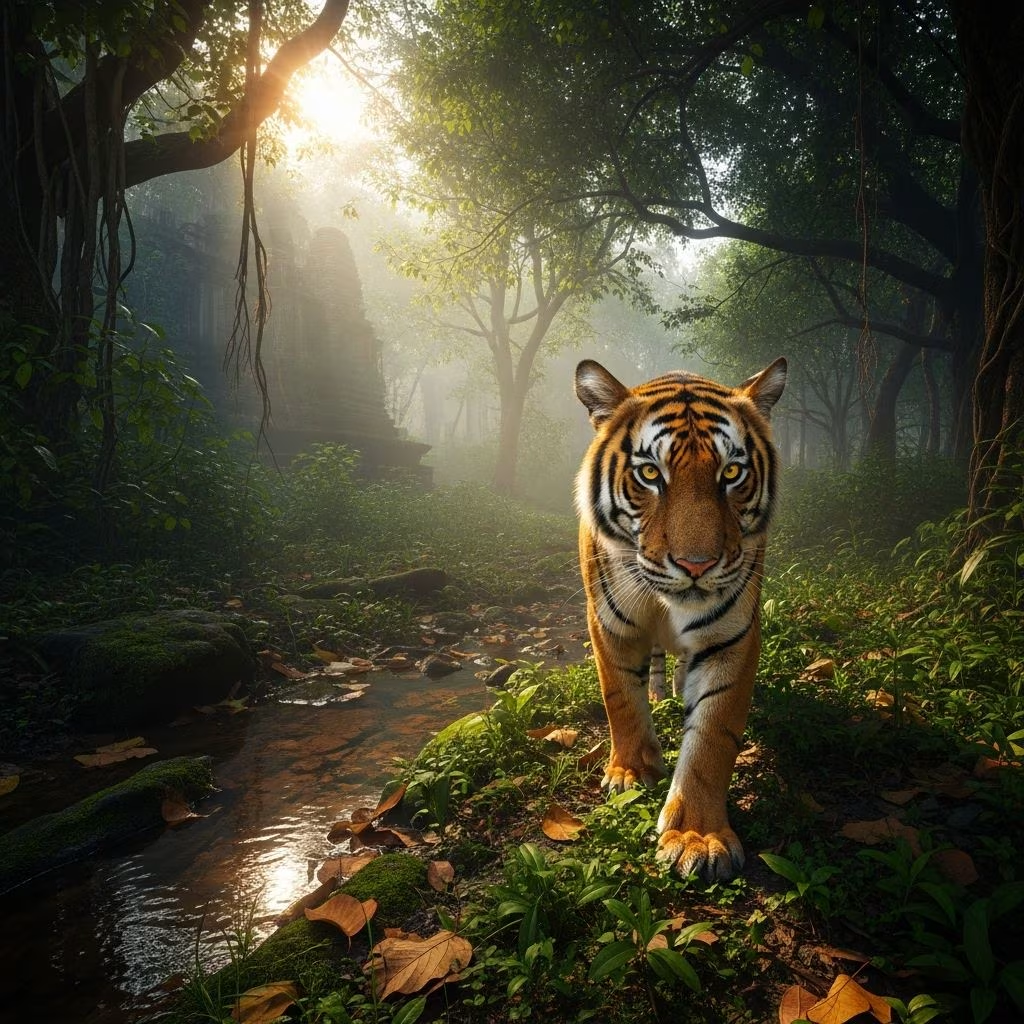
India stands as a global hotspot for wildlife enthusiasts eager to witness some of the planet’s most iconic predators in their natural habitats. From the powerful **Bengal tiger** prowling dense forests to the regal **Asiatic lion** roaming arid scrublands and the cunning **leopard** blending into rocky terrains, the country offers unparalleled opportunities for big cat sightings. This comprehensive guide explores the best safari destinations, practical planning advice, and immersive experiences that make India a must-visit for nature lovers.
India’s diverse ecosystems support thriving populations of big cats, thanks to dedicated conservation efforts. The Bengal tiger, India’s national animal, numbers over 3,000 in the wild, while Gir Forest remains the last stronghold for Asiatic lions outside Africa, with populations exceeding 600. Leopards, highly adaptable, thrive in varied landscapes from arid hills to lush jungles. Safaris here combine adrenaline-pumping wildlife encounters with cultural immersion, scenic drives, and luxury stays amid breathtaking biodiversity.
These expeditions not only thrill but also contribute to conservation. Parks like Ranthambore and Kanha enforce strict regulations, with revenues funding anti-poaching and habitat restoration. Visitors often spot not just big cats but also deer, birds, crocodiles, and sloth bears, creating a holistic wildlife narrative.
**Ranthambore National Park** in Rajasthan exemplifies tiger territory. Once a royal hunting ground, it now hosts around 70 tigers amid ancient ruins and lakes. Morning and evening jeep safaris navigate 10 zones, where tigers are frequently seen near waterholes during dry seasons. The park’s open terrain aids visibility, making it ideal for first-time safari-goers.
In Madhya Pradesh, **Bandhavgarh National Park** boasts one of the highest tiger densities globally, with over 100 individuals. Its rugged hills, meadows, and historical fort provide dramatic backdrops. Safaris here yield high sighting rates, especially in the Tala zone, where tigers patrol territories rich in prey like chital deer.
**Kanha National Park**, also in Madhya Pradesh, inspired Rudyard Kipling’s The Jungle Book. Spanning sal forests and grasslands, it shelters about 100 tigers. Multi-day stays allow exploration of buffer zones and core areas, revealing tigers alongside barasingha deer and wild dogs.
| Park | Tiger Population | Best Season | Signature Features |
|---|---|---|---|
| Ranthambore | ~70 | Oct-Jun | Ruins, lakes |
| Bandhavgarh | ~100 | Oct-Jun | High density, fort |
| Kanha | ~100 | Oct-May | Grasslands, meadows |
**Gir National Park** in Gujarat is the world’s sole natural habitat for Asiatic lions, protecting over 600 of these majestic creatures. The park’s teak forests, acacia groves, and grasslands mimic ancient ecosystems. Lions here form prides similar to African counterparts but are slightly smaller, adapted to semi-arid conditions. Jeep safaris, limited to 18 vehicles per zone, ensure ethical viewing during peak morning and afternoon slots from October to June.
Complementing lions, Gir teems with leopards, sambar deer, and nilgai. Sacred sites like temples within the park add spiritual depth, while nearby Somnath offers coastal relaxation post-safari. Conservation success stories, including translocation to other reserves, highlight India’s commitment to lion survival.
Leopards demand patience, but **Bera Leopard Reserve** near Jawai Dam in Rajasthan delivers exceptional sightings. This non-forested area features granite rocks and hills where leopards den and hunt amid village life. Evening drives reveal these spotted predators lounging on boulders or stalking bluebull antelope, with hyenas, crocodiles, and migratory birds as bonuses.
In tiger parks like Bandhavgarh and Kanha, leopards share space, often spotted in rocky outcrops. Their elusive nature—climbing trees to stash kills—makes encounters rewarding. Bera’s unique village-safari blend offers photography gold, especially at dawn when leopards descend for water.
Maximize sightings with a multi-park circuit blending Rajasthan, Madhya Pradesh, and Gujarat.
Expect 4-6 hour drives between parks; luxury resorts like TreeHouse Ranthambore or GiR Lion Lodge provide comfort with guided expertise.
Booking Safaris: Permits are mandatory via official park websites or authorized operators. Core zones book out months ahead; opt for gypsy jeeps (6 seats) for intimacy. Morning (6-10 AM) and afternoon (2:30-6 PM) slots peak for activity.
Best Time: Dry winter months (October-June) concentrate animals at water sources. Avoid monsoons (July-September) due to closures.
Gear Essentials: Binoculars (8×42), 400mm+ camera lens, neutral clothing, hats, sunscreen, insect repellent. Drones and flash photography are banned.
Costs: Entry ~$20-50/person/safari; gypsy ~$100-200. Packages range $2,500-5,000 for 10-14 days, including stays and meals.
India’s Project Tiger (1973) has quadrupled tiger numbers through protected reserves and community involvement. Gir’s lion census uses tech like camera traps. Tourists support via fees, but adhere to rules: no littering, maintain distance (50m from animals), silence in vehicles. Choose operators certified by Wildlife Trust of India for sustainability.
From tented camps like Pugmark Ranthambore to palaces-turned-hotels in Bandhavgarh, options blend opulence with wilderness. Kanha’s ecolodges offer poolside views; Gir resorts feature lion-tracking guides. Many include meals with local flavors like dal baati and wildlife lectures.
High in peak season: 70-90% for tigers in Bandhavgarh, 80% for lions in Gir, variable for leopards.
Yes, for ages 5+; children under 12 share adult tickets. Parks enforce safety.
Abundant; resorts cater to dietary needs with regional cuisines.
Vaccinations for typhoid/hepatitis; malaria prophylaxis for low-risk areas. Carry water purifiers.
Absolutely; operators tailor for photography, birding, or luxury focus.
