


 Food & Culture
Food & Culture
Best Burgundy Road Trips: Wine, Food, History & Nature Routes
Discover the best driving routes through Burgundy, from prestigious wine trails to historical landmarks and natural landscapes.
 Food & Culture
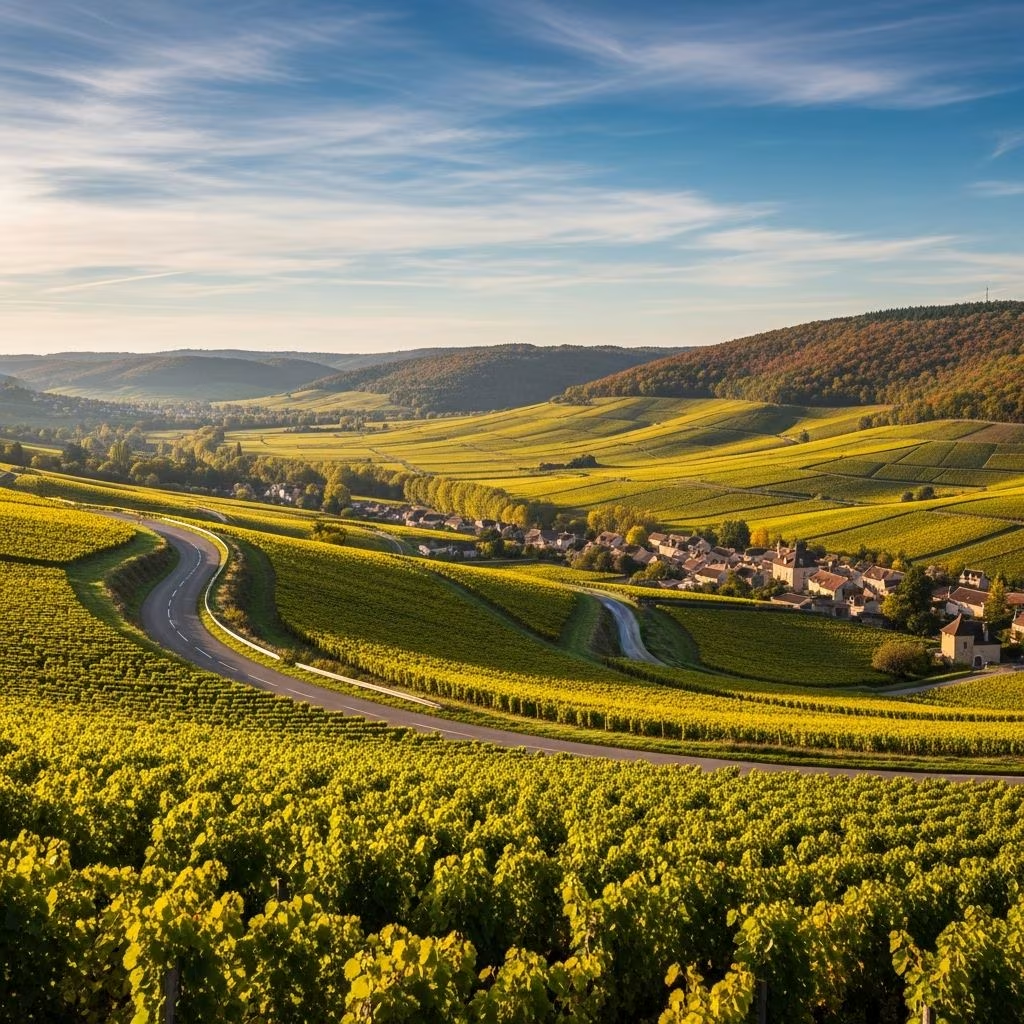
Burgundy stands as one of France’s most rewarding destinations for automotive exploration, offering diverse itineraries that cater to wine enthusiasts, history buffs, food lovers, and nature seekers. The region’s compact geography combined with its concentration of world-class attractions makes it an ideal location for self-guided road adventures. Whether you have a weekend or an extended vacation, Burgundy’s carefully mapped routes transform driving into a cultural and sensory experience rather than mere transportation between destinations.
Understanding Burgundy’s Automotive Landscape
The Burgundy region benefits from well-developed infrastructure designed specifically for touring visitors. Brown directional signs throughout the countryside guide travelers through thematic routes, while short distances between major attractions mean driving sessions typically remain under three hours. This accessibility removes the stress often associated with self-drive holidays, allowing visitors to focus on experiences rather than navigation challenges. The region’s wine culture has influenced route development for decades, with established circuits serving both casual travelers and serious oenophiles.
Visiting Burgundy by automobile offers advantages over other transportation methods. Personal vehicles provide flexibility to visit remote vineyards, stop spontaneously at charming villages, and adjust itineraries based on interests and weather conditions. The region’s secondary roads—distinct from major highways—wind through landscapes that reveal the gradual transitions between wine-growing zones and natural features that motorists traveling by train or bus might miss entirely.
The Premier Wine Route: A Journey Through Acclaimed Vineyards
The most celebrated automotive circuit in Burgundy follows the legendary vineyard corridor stretching approximately 60 kilometers from Dijon southward to Santenay. This route passes through approximately 37 wine-producing villages and encompasses the two most prestigious growing regions: the Côte de Nuits and the Côte de Beaune. The circuit ideally requires two to three days to fully experience, though visitors can condense it into a longer day trip if time constraints apply.
Beginning in Dijon, drivers descend through increasingly famous wine appellations. Gevrey-Chambertin emerges as one of the route’s signature stops, renowned for producing nine Grand Cru designations with Chambertin representing the most internationally recognized vineyard. The village’s modest size belies its significant reputation in global wine markets. Subsequent villages introduce progressively different soil compositions and grape varieties, with each locale offering distinct tasting room experiences and architectural character.
The route’s southern terminus near Santenay represents a natural conclusion, with drivers finding themselves in lower-elevation terrain where white wines increasingly dominate production. Visitors should pace this route deliberately rather than rushing, as the experience depends on quality interactions with winemakers and meaningful pause time in village squares. Alternative cycling options exist for those preferring pedal-powered transit through the vineyards, with approximately 22 kilometers of dedicated bike trails weaving through the Côte regions.
Northern Sparkling Wine Circuit: An Alternative Perspective
For visitors seeking wine-focused exploration outside the heavily trafficked central corridor, the northern sparkling wine route offers a refreshingly different experience. Beginning and ending in Châtillon-sur-Seine, this 120-kilometer circular route passes through 23 hamlets and villages specializing in Crémant du Bourgogne production—Burgundy’s elegant sparkling alternative to Champagne. The route features distinctive brown signage identifying vineyards and tasting establishments, with Pinot Noir and Chardonnay vines defining the landscape.
This northern circuit appeals particularly to visitors seeking to avoid the sometimes-crowded central wine routes while discovering lesser-known producers. The relaxed pace encourages afternoon tastings followed by evening glasses of kir royale—locally produced Crémant mixed with blackcurrant liqueur—while overlooking vineyard vistas. The circular configuration eliminates directional confusion and allows visitors to establish accommodations in a single location for multiple days of exploration.
Historical and Cultural Expeditions
Beyond wine-focused touring, Burgundy offers richly detailed routes connecting medieval and ancient heritage sites. Extended itineraries spanning three to five days can link major historical attractions including Cluny Abbey, the Cathedral at Vézelay, Fontenay Abbey, and the Roman remains of Autun. These routes accommodate visitors interested in architectural history, religious heritage, and archaeological significance rather than agricultural production.
Medieval-themed circuits typically depart from Cluny, historically one of Europe’s most influential monastic centers. The Abbey’s dramatic ruins communicate the scale of medieval ecclesiastical power, while nearby Dijon offers Renaissance museums and architectural treasures. Vézelay’s basilica crowns a hilltop village, representing a UNESCO World Heritage site that draws both religious pilgrims and cultural tourism enthusiasts. These routes require more driving time between attractions compared to wine-focused circuits, but reward visitors with profound cultural immersion.
Natural Attractions and Outdoor-Focused Routes
Burgundy’s landscape extends far beyond vineyards into protected natural areas and geological formations of exceptional character. The Morvan region encompasses forests, lakes, and rolling terrain that contrasts sharply with cultivated wine regions. Approximately 150 kilometers of routes through the Morvan provide opportunities for hiking, water activities, and peaceful village explorations. The spectacular Roche de Solutré—a limestone formation rising dramatically from surrounding plains—offers one of Burgundy’s most rewarding hikes and panoramic viewpoints.
Two to four days allow thorough exploration of natural attractions combined with visits to artisan potteries and boutique producers scattered throughout the Morvan. This route emphasizes experiences distinct from urban or wine-focused tourism, appealing to visitors seeking rejuvenation through natural environments rather than cultural intensity.
Gastronomic-Focused Itineraries
Burgundy’s culinary reputation rivals its wine prestige, with specialized routes connecting regional food producers and celebrated restaurants. A three-day gastronomic circuit connecting Dijon, Beaune, and extending southward toward Mâcon incorporates famous products including Dijon mustard, Époisses cheese from Cîteaux Abbey, Mâcon andouillette sausages, and Bresse chickens. This route stretches approximately 230 kilometers and emphasizes market visits, specialty producers, and dining experiences alongside cultural site visits.
The southern Burgundy gastronomic journey spanning 110 kilometers and roughly two hours of driving connects Beaune, Chalon-sur-Saône, Tournus, and Mâcon, highlighting white wine appellations including Mercurey and Civry. These routes appeal to food-centered travelers who view eating as cultural expression rather than mere sustenance.
Route 71: Leisurely Motoring Through Southern Regions
Named after the Saône-et-Loire département number (France’s administrative system assigns unique numbers to each of 96 departmental divisions), Route 71 represents a distinctly relaxed approach to regional exploration. This circuit encompasses major attractions including Roman Autun, Cluny’s Abbey ruins, the Solutré rock formation, and Mâcon’s white wine vineyards. Two days accommodate major sights, while extended stays allow time for artisan pottery studios, independent wineries, and village bistros sourcing ingredients from local markets.
The Route 71 designation signifies an officially recognized touring circuit with web-based applications providing maps, recommendations, and planning resources. This structured approach removes navigation uncertainty while maintaining flexibility regarding pace and specific stops.
Practical Driving Considerations
Road Conditions and Vehicle Requirements
Burgundy’s road infrastructure accommodates standard passenger vehicles with no special equipment needs. Secondary roads connecting villages remain generally well-maintained, though some rural routes feature narrower lanes suited to careful driving rather than high speeds. Motorbikes and motorhomes represent increasingly popular alternatives to traditional automobiles, with the National 6 road and surrounding country routes offering particularly engaging riding experiences.
Timing and Seasonal Factors
Spring and autumn represent optimal periods for Burgundy driving, with moderate temperatures and clear skies enabling full appreciation of landscape vistas. Summer months bring warmer weather but also larger crowds at popular attractions and wine tasting facilities. Winter driving remains feasible, though occasional snow and reduced daylight hours may complicate itinerary planning.
Navigation and Route Planning
Most routes feature brown informational signage guiding drivers through circuits, reducing reliance on GPS devices or map applications. However, portable navigation technology proves helpful for identifying specific vineyards, restaurants, or accommodations off primary routes.
Accommodations and Rest Stops
Beaune and Dijon serve as primary hub cities offering diverse accommodation options from luxury hotels to budget-friendly alternatives. These cities also feature excellent train connections, enabling multi-city itineraries or hybrid touring combining automobile travel with rail segments. Smaller villages throughout the region provide intimate guesthouse and bed-and-breakfast experiences, though reservations during peak seasons ensure availability.
Frequently Asked Questions
What is the ideal duration for a Burgundy road trip?
Four-day itineraries allow comprehensive exploration of wine routes combined with cultural site visits. However, two-day weekends accommodate focused wine tasting circuits, while week-long trips enable deeper immersion across multiple themed routes.
Can I combine multiple routes in a single trip?
Yes, Burgundy’s compact geography permits combining aspects of wine routes, historical circuits, and natural area explorations. However, attempting to cover all major attractions in less than five days results in excessive driving and limited time for meaningful engagement.
Is wine tasting accessible to non-drinkers?
Absolutely. Many vineyard visits emphasize production processes, soil composition, and grape variety characteristics equally with taste experiences. Visitors preferring not to consume alcohol can enjoy educational aspects without participation in tastings.
What documents do I need for driving in Burgundy?
Valid driving licenses from most countries remain accepted throughout France. International driving permits may prove advisable for visitors from non-European nations, though not universally required.
Are routes accessible to visitors with mobility constraints?
Major attractions increasingly feature accessibility accommodations, though some historic sites and rural vineyards present challenges. Advance research and contact with specific venues enables informed planning.
Comparative Route Overview
| Route Name | Primary Focus | Distance | Recommended Duration | Best For |
|---|---|---|---|---|
| Route des Grands Crus | Premium Wines | 60 km | 2-3 days | Wine enthusiasts |
| Route du Crémant | Sparkling Wine | 120 km | 2-3 days | Relaxed explorers |
| Medieval Heritage | History & Culture | 400 km | 3-5 days | History buffs |
| Morvan Natural Circuit | Nature & Scenery | 150 km | 2-4 days | Outdoor enthusiasts |
| Gastronomic Routes | Food & Wine | 110-230 km | 2-3 days | Culinary travelers |
Conclusion
Burgundy’s automotive touring circuits accommodate virtually every travel interest, from serious oenologists pursuing Grand Cru encounters to families seeking manageable day drives through charming countryside. The region’s deliberate route development, manageable distances, and concentration of attractions transform automobile travel from transportation necessity into experiential centerpiece. Visitors choosing self-drive exploration over alternative transportation methods gain flexibility to craft personalized itineraries reflecting individual priorities while benefiting from established infrastructure designed specifically to facilitate memorable journeys through one of France’s most distinctive regions.
References
- Route des Grands Crus – The Ultimate Burgundy Road Trip — Travel France Bucket List. 2024. https://travelfrancebucketlist.com/route-des-grands-crus-burgundy-wine-region/
- Road Trip in Burgundy: Visit the Region on the Car, Motorbike or Van — Bourgogne Chic. 2024. https://bourgognechic.com/en/blogs/decouvrir-la-bourgogne/road-trip-bourgogne
- Road Trip – On an Adventure in Burgundy — Burgundy Tourism Official. 2024. https://www.burgundy-tourism.com/staying-in-burgundy/road-trip-on-an-adventure-in-burgundy/
- Burgundy’s Most Beautiful Road Trips to Drive Yourself to Distraction — Lonely Planet. 2024. https://www.lonelyplanet.com/articles/best-road-trips-in-burgundy
- Burgundy Itinerary – 3 Days in Burgundy, France — A Lovely Planet. 2024. https://www.alovelyplanet.com/burgundy-itinerary/
- 13 Gourmet Road Trips to Enjoy in Burgundy — Burgundy Tourism Official. 2024. https://www.burgundy-tourism.com/discover-burgundy/gastronomy-and-regional-products/gourmet-trails/
On This Page
Understanding Burgundy's Automotive Landscape The Premier Wine Route: A Journey Through Acclaimed Vineyards Northern Sparkling Wine Circuit: An Alternative Perspective Historical and Cultural Expeditions Natural Attractions and Outdoor-Focused Routes Gastronomic-Focused Itineraries Route 71: Leisurely Motoring Through Southern Regions Practical Driving Considerations Accommodations and Rest Stops Frequently Asked Questions Comparative Route Overview Conclusion← Previous
Best Hikes in Aspen, Colorado: Easy to Strenuous Trails
Next →
How to Plan the Perfect Honeymoon: Budget, Timeline & Destination Tips
Related Reading
More in Food & Culture
Food & Culture Food & Culture
 Food & Culture
Best Places to Eat in Rome: Neighborhood Dining Guide
 Food & Culture
 Food & Culture