

 Travel Essentials
 Travel Essentials

Explore Colorado's most spectacular camping locations, from mountain peaks to desert landscapes, with practical tips for planning your perfect outdoor getaway.
 Travel Essentials
Colorado’s diverse landscape offers some of North America’s most compelling camping experiences. From high-altitude mountain retreats to expansive grasslands and dramatic canyons, the state provides countless opportunities for outdoor enthusiasts to immerse themselves in natural beauty. Whether you’re seeking solitude in the backcountry, family-friendly amenities, or adventure-focused base camps, Colorado delivers unforgettable camping experiences across its varied terrain.
Colorado’s geography creates distinct camping regions, each offering unique characteristics and opportunities. The state encompasses high mountain ranges, plateaus, valleys, and plains, resulting in camping environments that range from treeless alpine zones to dense forests and arid desert formations. Elevation variations affect climate, accessibility, and seasonal availability, making it essential to understand regional differences when planning your trip.
The Rocky Mountain corridor runs north to south through central Colorado, creating prime camping territory with elevation-dependent ecosystems. Eastern Colorado offers grassland camping experiences, while southwestern regions feature red rock formations and canyon landscapes. This geographic diversity means campers can experience significantly different environments by traveling relatively short distances.
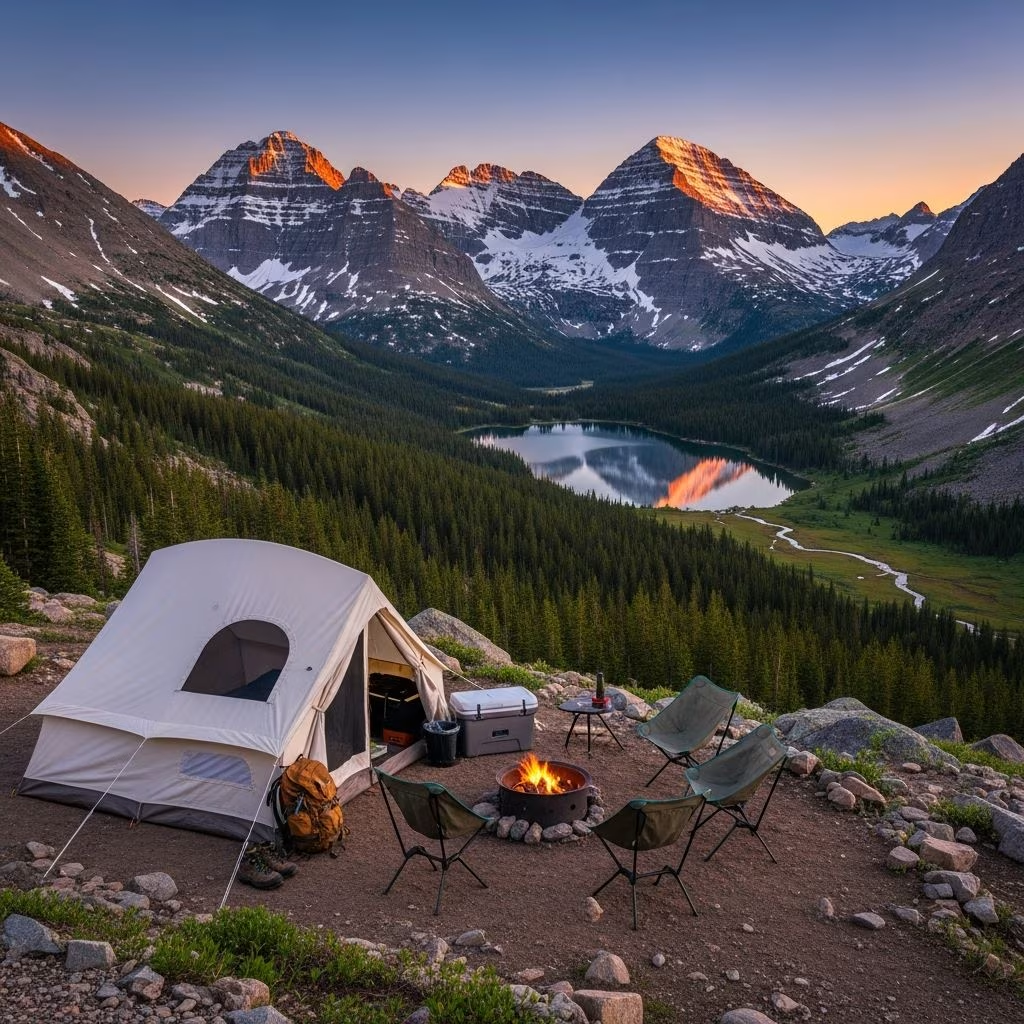
High-altitude camping in Colorado’s mountains provides stunning vistas and cooler temperatures ideal for summer recreation. Mountain meadow campgrounds typically sit between 9,000 and 11,000 feet elevation, offering breathtaking panoramic views and access to alpine hiking trails.
Popular mountain meadow destinations include areas near Crested Butte, where campers can access hundreds of miles of singletrack trails. The terrain surrounding these campgrounds supports day hikes, mountain biking excursions, and trail running routes. Many mountain campgrounds operate seasonally, typically opening in June and closing by early October due to snow.
Colorado’s numerous lakes and reservoirs provide distinctive camping opportunities combining water recreation with mountain scenery. Lakeside campgrounds offer fishing, boating, swimming, and scenic relaxation alongside traditional camping activities.
Twin Lakes represents an excellent example of lake-based camping infrastructure, featuring both serviced campgrounds near the water and dispersed camping options on surrounding hillsides. The elevation of approximately 9,600 feet creates a small community atmosphere while providing access to extensive alpine environments. Multiple campground options at single lake destinations allow campers to choose between developed facilities and more primitive settings.
Turquoise Lake and Taylor Reservoir similarly combine recreational water access with mountain views. Taylor Reservoir’s campgrounds are accessible via Cottonwood Pass and offer vast mountain panoramas alongside the expansive water body. These locations attract both RV campers seeking full amenities and tent campers preferring simpler accommodations.
Colorado’s protected federal lands offer distinctive camping experiences within UNESCO-caliber natural environments. These areas combine regulatory protection with visitor infrastructure designed to balance access and conservation.
Colorado National Monument, located near Fruita, features Saddlehorn Campground positioned 2,000 feet above the Colorado River valley. The elevation creates dramatic panoramic vistas encompassing the surrounding towns and geological formations. Great Sand Dunes National Park provides another remarkable camping destination, where visitors can camp beneath towering dunes and explore unique desert mountain interactions.
These federally-managed campgrounds typically offer structured reservations systems, maintained facilities, and ranger-led interpretive programs. Water systems, waste disposal infrastructure, and emergency services distinguish national park camping from dispersed alternatives.
For campers seeking minimal facility requirements and solitude, Colorado’s national grasslands and dispersed camping areas provide accessible alternatives. Pawnee National Grasslands in northeastern Colorado, located just 13 miles from the Wyoming border, permits year-round dispersed camping across an extensive network of dirt roads. This landscape offers primitive campsites with minimal or no facilities, attracting self-sufficient campers.
Dispersed camping typically features:
Pawnee Buttes Trailhead provides bathroom facilities and shelters for day-use visitors, though campsites themselves remain primitive. This dispersed camping model suits experienced outdoors people comfortable with minimal amenities and seeking authentic wilderness experiences.
Colorado provides numerous family-friendly camping facilities combining recreational opportunities with child-appropriate infrastructure and programming. These destinations balance natural environment access with safety considerations and entertainment options.
Snow Mountain Ranch near Winter Park represents a comprehensive family camping facility encompassing 5,000 acres operated by YMCA of the Rockies. The property includes lodges, cabins, traditional campgrounds, and a yurt village serving as alternative accommodation options. Yurts sleep six guests and operate from June through October, featuring communal bathhouses with hot showers and dish-cleaning facilities.
Golden Gate Canyon State Park provides another family destination with diverse camping options and hiking trail systems suitable for varying skill levels. These established parks offer ranger-led activities, environmental education programming, and structured recreational opportunities.
Beyond traditional tent and RV camping, Colorado offers distinctive accommodation alternatives serving campers seeking elevated comfort levels or unique experiences.
| Accommodation Type | Features | Typical Locations |
|---|---|---|
| Luxury Safari Tents | Semi-permanent structures with amenities, valley views, mountain vistas | San Luis Valley private properties |
| Yurt Villages | Circular tent structures, bunk beds, shared facilities, seasonal operation | Snow Mountain Ranch, various locations |
| Full-Service Campgrounds | Onsite equipment rentals, adventure concierge services, hospitality amenities | Campfire Ranch (multiple locations) |
| RV Resorts | Full hookups, premium facilities, entertainment programming | Sun Outdoors Rocky Mountain, other properties |
Campfire Ranch exemplifies the full-service camping model, providing tent, car, and van camping alongside onsite rental equipment from established outdoor brands. Their Adventure Concierge service connects guests with local outfitters and activity providers, streamlining experience planning. Locations between major towns provide convenient access while maintaining mountain environment proximity.
Colorado’s high elevation and variable weather require seasonal awareness for safe and enjoyable camping. Mountain campgrounds typically operate limited seasons due to snow and temperature extremes.
Seasonal considerations:
Conundrum Hot Springs campground, accessible via popular backcountry routes, operates optimally July through September. First-come, first-served policies at many campgrounds require flexibility, though advance reservations are available through Colorado Parks and Wildlife for developed facilities.
Many Colorado campgrounds incorporate water recreation directly into site design and activity planning. Rivers, streams, and lakes provide fishing opportunities, swimming access, and scenic water views.
Campgrounds situated along flowing water systems often offer direct stream access while maintaining environmental protection measures. Anglers utilize campgrounds as bases for fly-fishing expeditions across Colorado’s extensive trout water systems. Trophy fishing at specific lakes attracts dedicated angling-focused campers seeking multiday fishing trips.
Colorado’s campgrounds typically serve as basecamp locations for extensive trail systems. Mountain meadow campgrounds near Crested Butte provide direct access to hundreds of miles of hiking trails, creating self-contained vacation environments.
Day hiking opportunities range from moderate afternoon excursions to full-day backcountry adventures. Campgrounds positioned along major trail corridors offer convenient starting points without requiring additional transportation or logistics. This integration makes multi-activity vacations accessible without frequent relocations.
Colorado’s topography supports vehicle-based camping across varied landscapes. Van life enthusiasts discover multiple dispersed camping zones, forest service roads with pullout areas, and established van-friendly campgrounds.
Dispersed camping areas including Buffalo Pass near Steamboat Springs, Bellyache Road near Eagle, and Forest Service Road 734 near Vail accommodate vehicle camping with minimal or no fees. These locations provide base camps for exploration without daily relocation requirements. Minimalist camping setups suit self-contained vehicles equipped with essential utilities.
Colorado’s camping environments support diverse wildlife populations requiring respectful management practices. Campers in mountain regions encounter elk, mule deer, and smaller mammals including marmots and pikas. Proper food storage, noise management, and trail courtesy maintain ecosystem balance and ensure human-wildlife coexistence.
Leave-no-trace principles guide responsible camping that preserves environment quality for future visitors. Campfire management, waste disposal, and water source protection represent essential practices across all camping types. Many established campgrounds provide educational materials addressing wildlife encounters and environmental stewardship.
Colorado Parks and Wildlife administers reservations for state park facilities, offering advance booking through official channels. National park and monument facilities maintain separate reservation systems aligned with federal policies. Private campgrounds and full-service facilities operate independent booking arrangements.
Planning considerations include:
Early planning optimizes campground selection, particularly during peak summer months when popular destinations fill rapidly. Flexibility regarding location choices and travel dates increases access to quality camping experiences throughout the season.
Colorado’s elevation and weather variability demand thorough preparation. Temperature swings between day and night, afternoon thunderstorms, and altitude effects require appropriate gear selection and contingency planning.
High-altitude camping necessitates gradual acclimatization, adequate hydration, and appropriate clothing layers. Weather protection against afternoon thunderstorms proves essential during peak season. Sunscreen, insect repellent, and first-aid supplies address environmental hazards specific to alpine settings.
July and August offer optimal mountain camping conditions with reliable weather and all facilities operational. June and September provide excellent experiences with fewer crowds. Spring and early fall require weather flexibility due to variable conditions.
Developed campgrounds in state and national parks typically require or strongly recommend reservations during peak season. Dispersed camping and some smaller facilities operate first-come, first-served basis without advance reservations.
Popular mountain campgrounds typically range from 8,500 to 11,000 feet elevation. Higher elevations experience cooler temperatures but may require altitude acclimatization.
Numerous family-oriented facilities including Snow Mountain Ranch and established state park campgrounds provide child-appropriate infrastructure, programming, and amenities. Lower elevation locations may prove easier for families new to altitude.
Mountain regions host elk, mule deer, marmots, and various bird species. Proper food storage and respectful distance maintenance prevent negative encounters and protect wildlife.
Many Colorado campgrounds integrate directly with prime fishing water systems. Colorado Parks and Wildlife manages fishing licenses and regulations across public waters.
