

 Travel Essentials
 Travel Essentials

Explore the Caribbean's diverse islands with expert travel insights covering activities, destinations, dining, and practical planning tips for every traveler.
 Travel Essentials
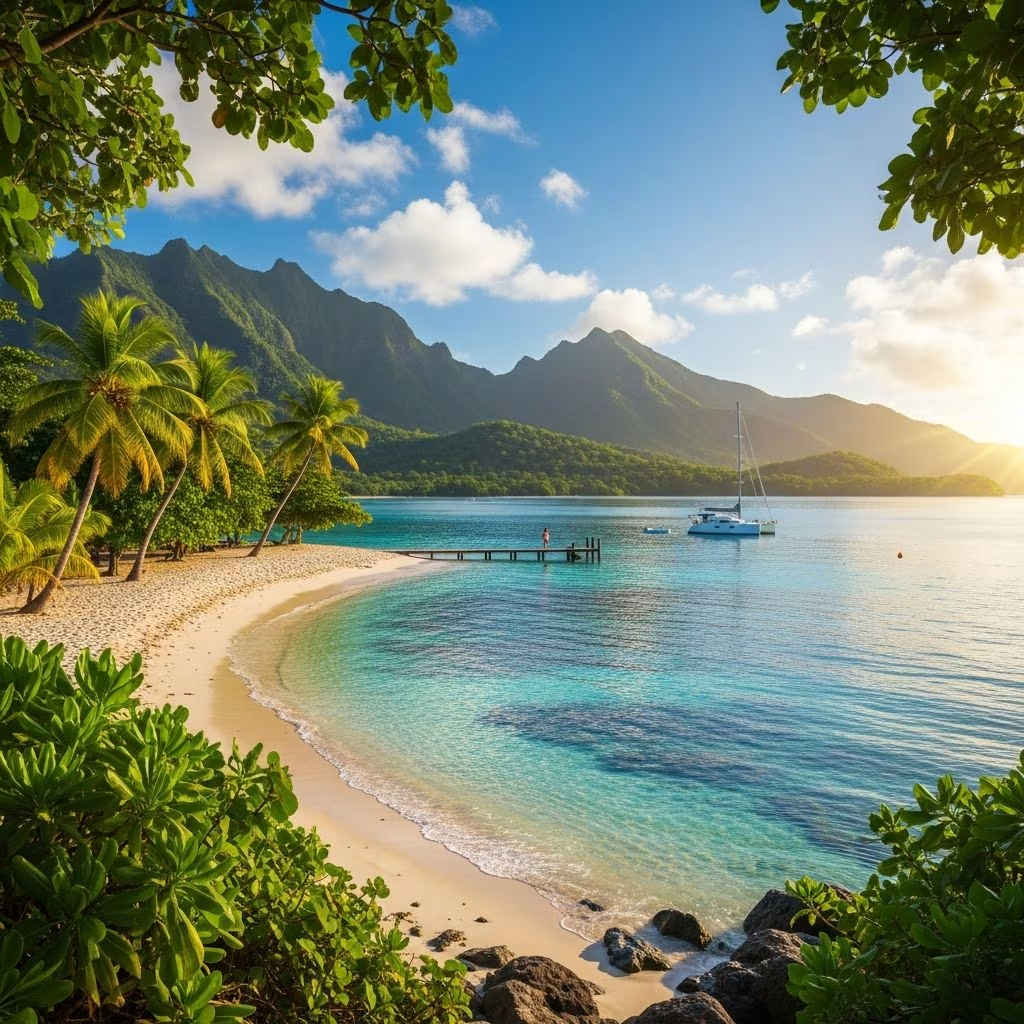
The Caribbean represents one of the world’s most enchanting vacation destinations, offering far more than its reputation for stunning beaches suggests. This tropical paradise spans numerous islands, each with distinct characteristics, cultural traditions, and experiences that appeal to different types of travelers. Whether you seek adventure, relaxation, cultural immersion, or culinary excellence, the Caribbean islands provide diverse opportunities to create unforgettable memories.
While crystalline turquoise waters and powdery white sand form the foundation of Caribbean appeal, the region’s true richness extends well beyond shoreline relaxation. The islands showcase remarkable geographic and cultural variety that transforms them into multifaceted destinations suitable for numerous vacation styles. Many visitors discover that combining beach time with active pursuits creates the most satisfying Caribbean experience.
The diversity of activities available across Caribbean islands rivals any major vacation region globally. Water-based pursuits dominate the recreational landscape, with options spanning multiple skill levels and interests. Sailors find challenging conditions and stunning anchorages, while beginners can enjoy calm lagoons and guided instruction. Snorkelers and divers encounter vibrant coral reefs teeming with marine life, from colorful tropical fish to graceful sea turtles and gentle rays.
The Caribbean’s reputation as a water sports destination stems from consistent conditions, accessible infrastructure, and the sheer variety of opportunities available. Beyond diving and snorkeling, the islands cater to enthusiasts of paddleboarding, kayaking, kitesurfing, and traditional sailing. Many islands operate professional water sports centers offering equipment rentals, instruction, and guided excursions.
For those seeking underwater exploration, Caribbean reefs rank among the world’s most accessible and rewarding dive sites. The warm, clear waters and abundant marine biodiversity create ideal conditions for both certification courses and advanced diving. Night dives reveal entirely different reef ecosystems, with nocturnal species emerging from crevices and coral polyps extending their feeding tentacles.
Beyond the water, mountainous Caribbean islands provide excellent opportunities for terrestrial adventures. Hiking trails range from gentle nature walks to challenging mountain ascents, passing through diverse ecosystems including tropical rainforests, cloud forests, and volcanic landscapes. Many trails lead to dramatic viewpoints, cascading waterfalls, or geothermal features that showcase the islands’ geological complexity.
Mountain biking has emerged as a popular activity on larger islands, with routes ranging from coastal rides to challenging mountain terrain. These trails often pass through agricultural areas, traditional villages, and wilderness zones, providing intimate perspectives on island life and environments.
Dominica occupies a distinctive position within the Caribbean due to its commitment to preserving natural environments. The island’s volcanic origin creates dramatic topography featuring steep mountains, deep valleys, and unique geological formations. Visitors encounter lush rainforests featuring extraordinary biodiversity, with over 170 bird species inhabiting various elevations and habitats.
The island’s signature attraction, the Boiling Lake hike, presents a challenging but rewarding trek through pristine wilderness. This journey passes through cloud forests, across river gorges, and along narrow ridges to reach a crater lake with geothermally heated water. The experience epitomizes what makes Dominica special: access to raw, unspoiled natural landscapes relatively untouched by development.
Dominica’s commitment to ecotourism has preserved ecosystems that have disappeared from more developed islands. The freshwater rivers, numerous waterfalls, and diving sites near volcanic drop-offs create experiences impossible to replicate elsewhere in the Caribbean.
Cuba presents a distinct Caribbean experience shaped by its size, geography, and cultural evolution. The island contains multiple distinct regions, each offering different attractions and experiences. From colonial architecture in historic cities to pristine beach resorts, from mountainous terrain suited for hiking to world-class diving sites, Cuba accommodates diverse traveler preferences within a single destination.
The island’s cultural significance extends beyond mere tourism appeal. Cuban music, dance, and artistic traditions permeate daily life, creating atmospheric experiences for culturally curious visitors. Vintage American automobiles, colorful buildings, and vibrant street life provide visual experiences unlike other Caribbean destinations.
Cuba’s revolutionary history and unique geopolitical position have resulted in relatively limited development compared to neighboring islands. This preservation of traditional landscapes and communities creates authentic cultural encounters alongside natural beauty.
St. Lucia balances developed tourism infrastructure with preserved natural beauty and authentic cultural traditions. The island’s north coast contains most resort development, with facilities catering to international tourists, while southern regions maintain more traditional character. This geographic division allows visitors to experience both comfort and authenticity within short distances.
St. Lucia’s iconic Pitons—UNESCO World Heritage twin volcanic peaks rising dramatically from the southern coast—define the island’s visual identity. These distinctive formations create spectacular hiking opportunities with panoramic views extending across the island and neighboring waters. The peaks attract photographers, hikers, and nature enthusiasts worldwide.
Beyond natural attractions, St. Lucia’s Creole culture permeates daily life, visible in local architecture, cuisine, music, and social traditions. Visitors engaging with local communities discover welcoming populations eager to share cultural knowledge and traditions accumulated across centuries.
Grenada derives distinctive character from its agricultural heritage and natural abundance. The island’s nickname reflects its historical significance as a major nutmeg producer, with spice plantations historically forming the economic foundation. Today, visitors can explore working estates, learning about cultivation, harvesting, and processing of exotic spices.
The capital city, St. George, provides charming colonial atmosphere with historic architecture, lively markets, and waterfront dining. The harbor itself creates picturesque scenery, with colorful fishing boats, dramatic hillside development, and bustling commercial activity. Local markets overflow with tropical fruits, fresh vegetables, and freshly harvested spices.
Grand Etang National Park offers rainforest exploration, with trails leading through lush vegetation to mountain peaks and crater lakes. The park protects one of the island’s last significant forest ecosystems, providing habitat for endemic species found nowhere else globally.
Tobago offers Caribbean experiences emphasizing tranquility and natural beauty over intensive development. The island’s secluded beaches, including the famous Pigeon Point with its iconic thatched-roof jetty and Englishman’s Bay with its crescent configuration, provide quintessential Caribbean scenery. These beaches maintain relatively undeveloped characters despite international recognition.
Coral reefs surrounding Tobago create exceptional snorkeling and diving conditions, with sites accessible from beaches or short boat rides. The reefs support diverse marine communities featuring tropical fish species, sea turtles, and coral formations in various stages of succession and recovery.
Tobago’s cultural traditions emphasize music, dance, and festival celebrations rooted in Afro-Caribbean heritage. Visitors engaging with local communities encounter welcoming populations sharing cultural traditions and historical perspectives.
Caribbean cuisine reflects centuries of cultural blending, agricultural traditions, and resourceful cooking practices. Each island maintains distinctive culinary characteristics while sharing common ingredients and preparation methods evolved across the region. Fresh seafood, tropical fruits, root vegetables, and aromatic spices form the foundation of Caribbean gastronomy.
Local street food provides authentic culinary experiences at accessible prices, allowing budget-conscious travelers to sample traditional dishes. Fish cakes, roti, plantain-based preparations, and seasonal specialties vary by island and village. Markets teem with vendors offering freshly prepared foods using local ingredients.
Upscale dining establishments on developed islands incorporate Caribbean traditions with international techniques and presentation styles. These restaurants often source local ingredients, feature contemporary interpretations of traditional dishes, and provide sophisticated dining experiences.
Authentic Caribbean experiences extend beyond resort facilities and tourist attractions. Engaging with local communities through conversations, market visits, cultural performances, and community-based activities creates meaningful memories and deeper understanding of island life. Many islands offer cultural tours, craft workshops, and home-based dining experiences facilitating genuine connections.
Music and dance traditions permeate Caribbean culture, from reggae and calypso to soca and traditional folk performances. Festivals celebrating these art forms occur throughout the year across various islands, attracting both locals and international visitors. Festival participation offers immersive cultural experiences impossible to replicate during standard vacation periods.
The Caribbean experiences tropical climate with consistent warmth year-round, though seasonal variations affect weather patterns and precipitation. Hurricane season, extending from June through November, presents risk of severe weather, with September and October representing peak danger periods. Many travelers prefer visiting outside hurricane season, though reduced crowds and lower accommodation prices characterize the off-season.
Inter-island travel options include regional airlines, ferries, and private boat charters. Regional airlines connect major islands with frequent flights, though schedules and connections may require significant transit time. Ferry services operate selectively between nearby islands, providing scenic alternatives to flying.
Caribbean islands accommodate travelers across all budget levels and preference categories. All-inclusive resorts offer comprehensive packages bundling accommodation, meals, and activities. Boutique hotels provide personalized service and authentic character. Vacation rentals enable multi-unit accommodation for families or groups. Guesthouses operated by local families offer budget-friendly options with cultural immersion.
Vaccination requirements vary by specific island and current epidemiological conditions. Consulting travel medicine professionals before departure ensures appropriate preventive measures. Yellow fever vaccination may be recommended or required for certain destinations.
All major Caribbean islands accommodate families, though specific islands emphasize family-friendly infrastructure. Islands with developed tourism sectors typically offer more diverse children’s activities and dining options.
Budget travel in the Caribbean remains possible through strategic planning. Off-season visits reduce accommodation and airline costs significantly. Selecting islands outside major tourist corridors provides lower prices while offering authentic experiences.
English predominates on formerly British-controlled islands. French influences Martinique and Guadeloupe. Spanish remains significant on Cuba. Creole languages blend European and African linguistic traditions, spoken throughout the region alongside colonial languages.
