

 Travel Essentials
 Travel Essentials

A comprehensive guide to the Caribbean's top snorkeling destinations, featuring underwater wonders, marine biodiversity, and ideal conditions for all skill levels.
 Travel Essentials
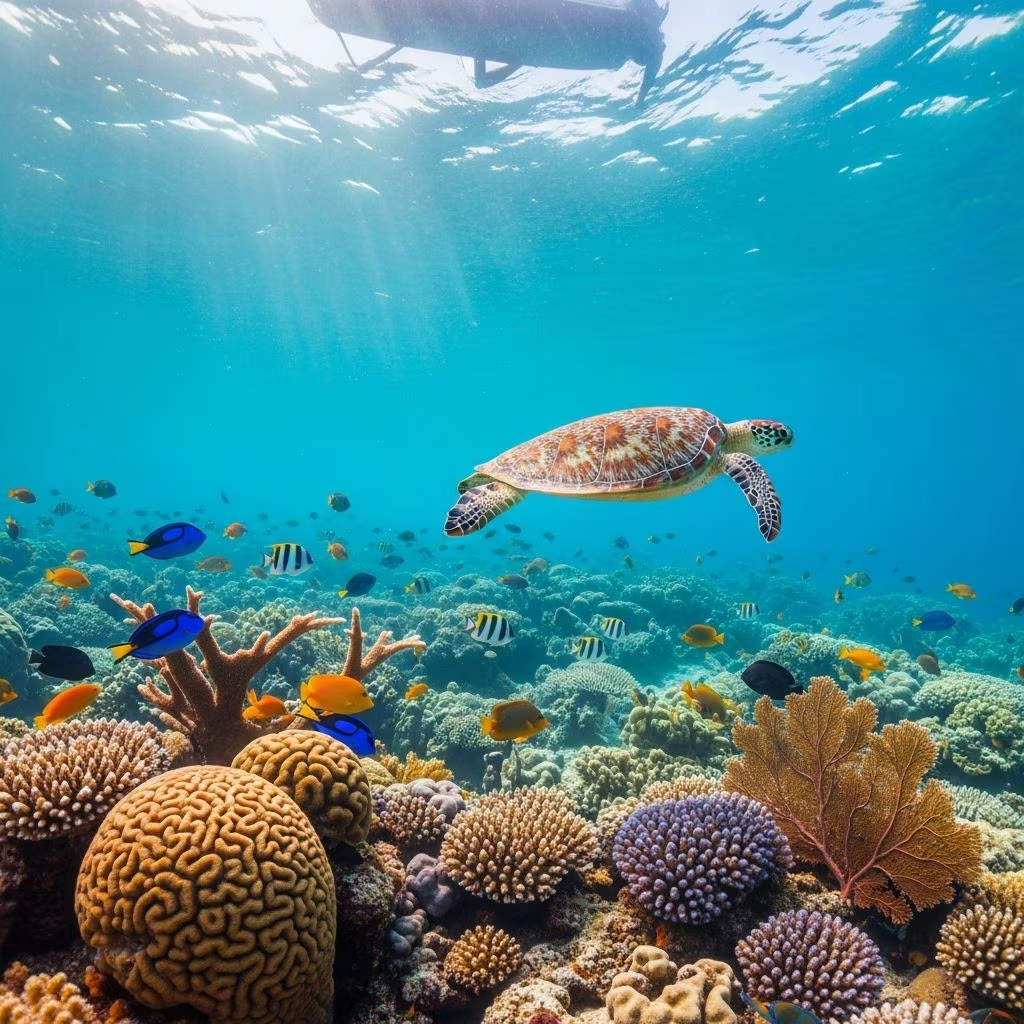
The Caribbean stands as one of the world’s most celebrated snorkeling destinations, offering travelers an extraordinary array of underwater experiences. With warm turquoise waters, exceptional visibility, and remarkable marine biodiversity, the region attracts both seasoned snorkelers and curious beginners seeking to explore vibrant coral ecosystems. Whether you’re drawn to encounters with gentle marine creatures, historical shipwrecks, or pristine reef systems, the Caribbean delivers unforgettable aquatic adventures without requiring advanced diving certifications.
The Caribbean’s snorkeling appeal stems from multiple factors that create ideal conditions for underwater exploration. The region’s tropical climate maintains warm water temperatures year-round, while seasonal variations in rainfall patterns influence visibility and marine activity. Protected marine reserves throughout the Caribbean have implemented conservation measures that preserve coral health and support thriving fish populations, making these areas increasingly rewarding for snorkelers seeking meaningful interactions with marine ecosystems.
Unlike diving, snorkeling requires minimal equipment and no specialized certification, making it accessible to virtually anyone who can swim. The shallow reef systems prevalent throughout the Caribbean allow snorkelers to observe rich biodiversity while remaining in comfortable, manageable depths. This accessibility has democratized Caribbean marine exploration, enabling families, elderly visitors, and those with limited swimming experience to participate fully in aquatic adventures.
Certain Caribbean locations have gained recognition for providing safe, thrilling interactions with sharks in their natural habitat. Belize’s Hol Chan Marine Reserve represents one such destination, where nurse sharks congregate in shallow waters alongside extensive seagrass meadows and mangrove ecosystems. This protected area encompasses 41,706 hectares and incorporates portions of the Belize Barrier Reef, a UNESCO-designated site recognized as the world’s second-largest barrier reef system.
The Hol Chan experience distinguishes itself through the predictable behavior of nurse sharks, which typically remain docile and uninterested in human interaction. The reserve’s careful management ensures visitor safety while preserving the delicate ecological balance that supports these remarkable creatures. Snorkelers exploring Hol Chan encounter not only sharks but diverse pelagic fish species and strategically positioned reef patches that minimize the risk of accidental coral damage from finned movements.
Beyond the novelty of shark encounters, these reserves demonstrate how protected marine areas serve dual purposes: facilitating responsible wildlife tourism while maintaining ecosystem integrity. The shallow reef formations throughout Hol Chan allow snorkelers of varying abilities to observe sharks and other marine life without requiring technical diving skills or deep-water confidence.
Certain Caribbean islands have developed comprehensive snorkeling infrastructure, offering multiple distinct experience zones within reasonable distances. Curaçao exemplifies this approach through its Tugboat Beach location, which integrates several underwater attractions into a single accessible site. Shore access, wreck diving opportunities, submerged sculptures, and distinctive coral formations converge at this location, allowing snorkelers to experience diverse underwater environments during a single visit.
The ABC islands (Aruba, Bonaire, Curaçao) benefit from geographic positioning that creates unique ocean conditions and distinctive marine characteristics. Bonaire has particularly distinguished itself through designation of its entire coastline as a marine park, offering more than 50 shore snorkel sites accessible without boat transportation. This exceptional concentration of accessible entry points makes Bonaire particularly valuable for snorkelers seeking flexibility and independence in planning their underwater explorations.
St. Lucia provides similar appeal through beaches like Anse Chastanet, which extends approximately 400 meters of powdery sand and features clearly marked buoy systems that guide snorkelers through designated zones highlighting different underwater features. The beach’s gentle slope and varied depth make it suitable for drift snorkeling, where swimmers move with current rather than fighting against it, reducing physical exertion while maximizing observation time.
Families and inexperienced snorkelers benefit from destinations offering shallow water access, moderate marine activity, and professional support infrastructure. Jamaica’s Montego Bay Marine Park represents such a location, with particularly approachable entry points like Doctor’s Cave Beach. This five-mile stretch of shoreline allows snorkelers to begin exploring from shallow wading depths or short pier jumps, eliminating the intimidation factor sometimes associated with oceanside snorkeling.
Within Montego Bay’s broader marine park system, multiple distinct snorkeling zones serve different purposes and experience levels. Airport Reef attracts visitors interested in stingray encounters within distinctive cavern environments, while Beer Star reef appeals to those seeking less-crowded conditions at greater distances from shore. This zone-based approach allows families to select experiences matching their comfort levels and available time.
The availability of shallow-water snorkeling does not indicate reduced biodiversity or diminished marine interest. Family-appropriate depths frequently host abundant tropical fish species, juvenile versions of larger marine creatures, and coral formations actively engaging in feeding and breeding behaviors. Professional guides and trained observers at family-oriented locations help younger or anxious snorkelers recognize and appreciate the significance of various marine encounters, transforming basic snorkeling into educational experiences that foster environmental appreciation.
Certain Caribbean locations attract snorkelers specifically interested in geological underwater features that differ dramatically from typical coral reef environments. Andros Island in The Bahamas hosts the world’s highest concentration of underwater caves and sinkholes, alongside the renowned Dean’s Blue Hole. These formations represent remarkable geological phenomena that generate fascination beyond typical marine life observation.
Blue holes—submarine caverns that typically exceed 300 meters in depth—create distinctive underwater landscapes where the water color transitions dramatically from turquoise to deep indigo, visually marking the hole’s perimeter. Snorkelers observing blue holes from the surface witness these color gradations while remaining in comfortable shallow water. The geological narrative of blue holes, connected to post-ice age sea level changes and limestone dissolution, adds intellectual dimension to the snorkeling experience, appealing to curious travelers seeking to understand landscape formation processes.
Andros Island’s barrier reef system, representing the third-largest fringing reef worldwide, provides abundant additional snorkeling opportunities for those seeking conventional coral reef exploration after experiencing specialized geological formations. This combination positioning makes Andros Island particularly valuable for snorkelers with diverse interests seeking varied underwater experiences.
The Tobago Cays Marine Park, located within Saint Vincent and the Grenadines, exemplifies how protected reserve designation preserves and enhances marine biodiversity. This protected area comprises five uninhabited cays hosting vibrant coral reef ecosystems teeming with diverse fish species, rays, and occasional reef sharks. The clear, shallow water conditions provide excellent visibility, enabling snorkelers to observe the full spectrum of marine life utilizing these reef systems.
Protected reserve status fundamentally alters snorkeling experiences by restricting extractive activities and prohibiting practices destructive to coral health. Fish populations in these protected areas demonstrate increased density and diversity compared to unregulated locations, as recruitment patterns stabilize and predation pressures normalize. Snorkelers in protected reserves frequently encounter species behaviors—spawning aggregations, feeding frenzies, territorial displays—unavailable in heavily exploited marine environments.
The biodiversity advantage extends beyond fish species to encompass coral health, sponge diversity, and macro-invertebrate abundance. Protected reefs demonstrate resilience to environmental stressors including temperature fluctuations and water quality variations, phenomena increasingly significant as climate change impacts marine ecosystems globally. Experiencing healthy protected reefs provides valuable perspective on ecosystem potential when anthropogenic pressures diminish.
| Location | Distinctive Features | Best Suited For |
|---|---|---|
| Virgin Gorda, BVI | Baths formations, The Dogs islands, multiple bays | Advanced snorkelers, rock formations exploration |
| St. Barths | Shipwrecks, reefs, canyons, sea turtle sightings | Wildlife observers, wreck enthusiasts |
| Îles des Saintes, Guadeloupe | Secluded beaches, accessible water entry | Independence seekers, cultural explorers |
| St. John, USVI | National Park beaches, pristine habitats, guided trails | Conservation-minded travelers, organized exploration |
| Smith’s Reef, Turks & Caicos | Prolific marine life, near-shore accessibility | Underwater photographers, fish watchers |
Caribbean snorkeling conditions vary throughout the year according to seasonal weather patterns and oceanographic influences. The dry season, typically spanning December through April, generally provides optimal visibility and calm water conditions. Hurricane season, running from June through November, introduces variable conditions that may enhance nutrient delivery but reduce visibility and increase wave action.
Visibility depth—critical for snorkeling enjoyment and marine observation capability—fluctuates based on rainfall patterns, seasonal plankton blooms, and sediment resuspension from storm events. Many snorkeling destinations report maximum visibility during dry season months, when rainfall remains minimal and oceanic conditions stabilize. However, some locations experience unique seasonal patterns influenced by local current systems and upwelling phenomena, making research into destination-specific seasonal characteristics valuable for trip planning.
Water temperature variations across Caribbean destinations remain relatively modest compared to temperate or polar regions, with annual ranges typically spanning only 5-10 degrees Celsius. Even during cooler winter months, water temperatures remain warm enough for snorkeling without thermal protection, though some visitors prefer lightweight wetsuits for extended aquatic sessions or personal comfort preferences.
Snorkeling requires no formal certification or specialized training. Basic swimming comfort and familiarity with mask-breathing techniques suffice for most destinations. Beginners benefit from practicing in shallow water before venturing into deeper zones.
December through April typically offers optimal visibility and calm conditions. However, specific destinations may differ; research your chosen location’s seasonal patterns before booking.
Montego Bay’s Doctor’s Cave Beach and Anse Chastanet in St. Lucia offer shallow-water access and moderate marine activity ideal for beginners. Both locations provide guided tour options and professional support infrastructure.
Yes, certain locations like Hol Chan Marine Reserve feature nurse shark encounters in controlled, safe environments. These sharks typically remain uninterested in humans and rarely exhibit aggressive behavior.
Caribbean snorkeling typically includes tropical fish species, rays, sea turtles, eels, octopi, and various coral types. Specific fauna varies by location and season.
Yes, reef-safe sunscreen without oxybenzone or octinoxate protects coral ecosystems. Many destinations now require reef-safe sunscreen use within marine protected areas.
Caribbean marine ecosystems face significant pressures from climate change, pollution, and overexploitation. Responsible snorkeling practices directly contribute to conservation objectives by minimizing visitor-induced damage and generating economic incentives for protection. Avoiding physical contact with coral, maintaining appropriate distance from marine animals, and using designated snorkel trails reduce cumulative ecosystem stress.
Reef-safe sunscreen selection represents a simple yet meaningful contribution to coral health. Chemical sunscreens containing oxybenzone and octinoxate trigger bleaching responses in corals; physical sunscreens using zinc oxide or titanium dioxide offer protection without ecosystem harm. This straightforward substitution enables every snorkeler to participate in conservation efforts.
Supporting local communities and conservation organizations through tour bookings, guided experiences, and accommodations aligns economic incentives with protection objectives. When Caribbean communities recognize financial benefits from maintaining healthy marine ecosystems, political will for conservation strengthens, creating sustainability cycles that extend protection indefinitely.
The Caribbean’s exceptional snorkeling opportunities accommodate diverse interests, experience levels, and travel styles. Whether seeking gentle shark encounters, pristine protected reserves, accessible family experiences, or specialized geological formations, the region delivers memorable underwater experiences. Strategic destination selection based on personal interests, skill level, and seasonal preferences maximizes enjoyment while supporting conservation efforts that preserve these extraordinary marine environments for future generations.
