

 Travel Essentials
 Travel Essentials

Explore the world's premier cacao destinations with hands-on chocolate experiences, cultural traditions, and factory tours across Latin America and the Caribbean.
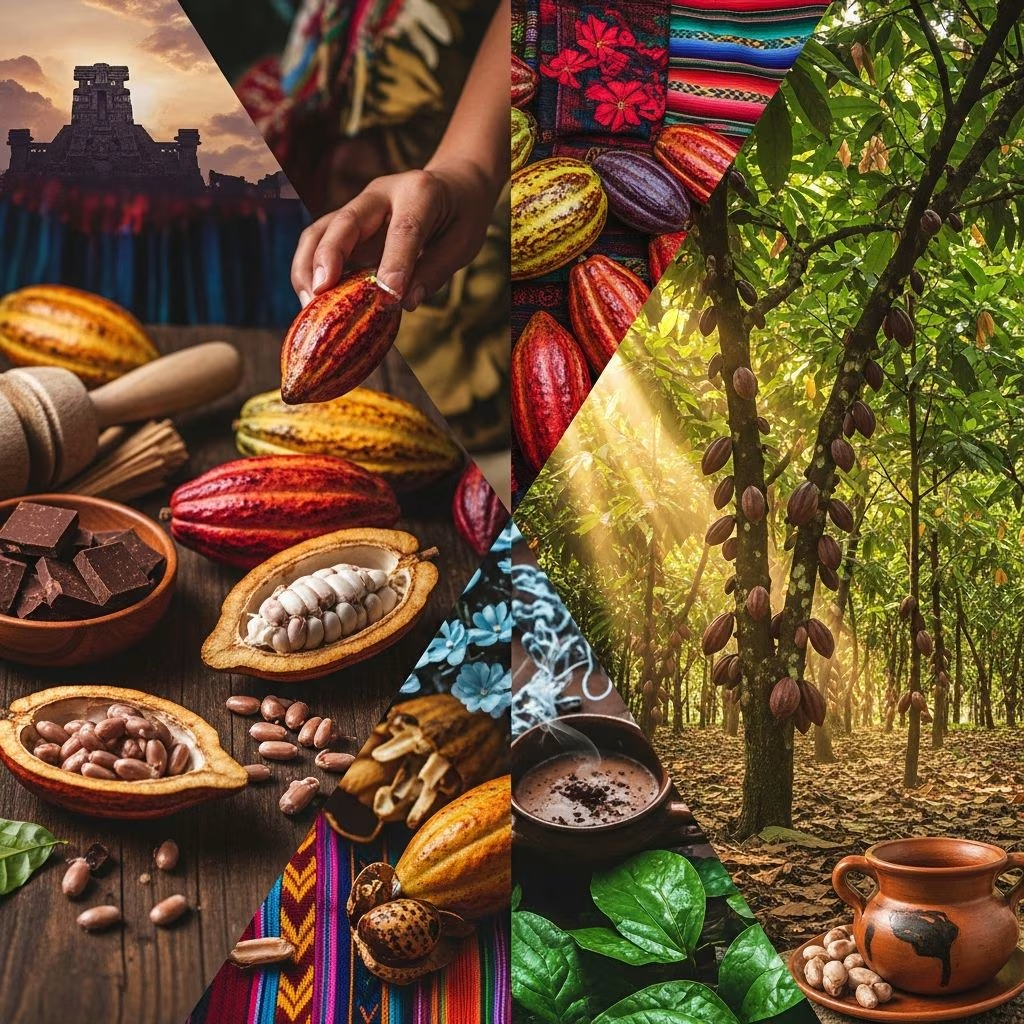 Travel Essentials
The tropical regions of Latin America and the Caribbean hold centuries of expertise in cultivating and transforming cacao into exceptional chocolate. These destinations offer travelers more than standard factory visits—they provide immersive journeys into agricultural practices, indigenous traditions, and artisanal craftsmanship that have shaped chocolate culture for generations. Whether you seek hands-on participation in chocolate production or wish to understand the botanical origins of cacao, the region presents unparalleled opportunities to engage with this beloved commodity from seed to finished product.
Cacao cultivation has defined the economic and cultural landscape of Latin America and Caribbean territories for over a thousand years. The crop thrives in tropical climates with specific altitude and humidity requirements, making certain regions particularly suited to producing cacao with distinctive flavor profiles and aromatic characteristics. Local communities have developed specialized knowledge about fermentation techniques, drying methods, and roasting practices that distinguish regional chocolates. Contemporary chocolate tourism capitalizes on this deep-rooted heritage, allowing visitors to witness traditional methods alongside modern production innovations.
These tours serve an educational purpose beyond entertainment, helping travelers appreciate the complexity and labor intensity required to transform raw cacao pods into finished chocolate products. Participants gain insights into sustainable farming practices, fair-trade considerations, and the economic challenges faced by cacao farmers. This contextual knowledge enhances appreciation for artisanal chocolate and supports conscious consumer choices.
Many destinations feature bean-to-bar operations where visitors observe or participate in every production stage. These comprehensive tours typically begin with inspection of dried cacao beans, progressing through roasting, winnowing, grinding, and tempering processes. Participants learn how roasting temperatures affect flavor development, how grinding consistency impacts texture, and how tempering creates proper crystalline structure in finished chocolate. Some facilities employ traditional hand-powered mills and volcanic metates alongside modern equipment, demonstrating how artisanal and contemporary methods complement each other. These experiences usually conclude with tasting sessions where visitors sample chocolate at various production stages, developing sensory awareness of how each step influences the final product.
Understanding cacao begins in the field where trees grow under shade canopies in tropical forests. Farm-based tours introduce visitors to living cacao plants, explaining growth cycles, pod development, and harvesting techniques. Guided walks through working orchards reveal the biodiversity of forest systems and how sustainable farming practices maintain ecological balance. Some experiences invite visitors to hand-harvest cacao pods, providing visceral understanding of agricultural labor. These encounters often include instruction on pod fermentation—the critical process determining final chocolate flavor—as family operations demonstrate traditional fermentation methods passed through generations.
Several locations incorporate indigenous chocolate-making traditions into their tours, honoring practices that predate modern commercial chocolate. These experiences may include preparation of traditional hot chocolate beverages, explanation of cacao’s historical significance in pre-Columbian civilizations, and demonstration of hand-grinding techniques using stone tools. Guides from indigenous communities share cultural narratives about cacao’s role in their heritage and contemporary lives. This cultural component distinguishes experiential tours from purely technical factory visits, creating meaningful connections between visitors and local communities.
Costa Rica has emerged as a premier chocolate tourism destination, with multiple operations offering varied approaches to cacao education. Puerto Viejo hosts bean-to-bar factories featuring all-you-can-eat gourmet chocolate tastings combined with guided forest hikes through cacao groves. These facilities operate regular tour schedules accommodating walk-in visitors and groups. The integration of forest environments with factory production provides context for understanding cacao’s ecological niche and agricultural requirements.
Northern regions near La Cangreja National Park showcase family-run organic farms where resident chocolatiers guide small groups through the entire production process. These intimate operations emphasize hand-processing methods, allowing visitors to participate in roasting, grinding, and bar production. The personal instruction from farmers who understand their specific cacao varieties creates educational depth unavailable at larger commercial operations.
Peru’s cacao heritage extends beyond agricultural regions into urban centers, where specialized museums and workshops provide structured chocolate education. Locations near Cusco offer intensive workshops covering roasting techniques, bean grinding, and hands-on chocolate creation for participants to take home. These venues host exhibitions explaining cacao’s historical importance and contemporary cultivation methods. Multiple workshop options accommodate different interests—from basic chocolate-making classes to advanced truffle production—allowing visitors to select experiences matching their skill level and time availability.
Southern Belize’s Toledo district combines chocolate production with cultural celebration through the annual Chocolate Festival. This regional event features chocolate tours, wine pairings, street fairs, and cultural performances celebrating local chocolate heritage. The area supports boutique chocolate producers recognized internationally for quality products, with visitors able to tour production facilities and purchase directly from makers. Small-scale roadside operations offer personalized tours where family teams demonstrate unique processing methods developed over decades, creating opportunities to taste chocolate unavailable through commercial distribution.
Puerto Rico’s Barceloneta area, situated north of the island’s central mountain range, specializes in aromatic chocolate production. Tours include cacao nursery walks providing botanical education, industry insight into cultivation and processing economics, and chocolate tasting sessions. Visitors can harvest cacao fruit for processing, experiencing agricultural work firsthand. Advanced experiences offer whiskey and chocolate pairings, wine and chocolate combinations, and workshops where participants create personalized chocolate bars. Factory tours and storefront visits allow direct purchase of locally-produced chocolates.
Dominica’s Pointe Baptiste features a small-scale family operation producing approximately 500 chocolate bars weekly using traditional processing methods. Roadside visits provide intimate encounters with dedicated chocolate makers, offering tasting opportunities for chocolate rarely exported beyond the island. These operations exemplify how dedicated entrepreneurs establish chocolate production on islands previously lacking local chocolate industries.
St. Lucia and other Caribbean territories offer bean-to-bar experiences incorporating island-specific cacao varieties and processing traditions. These tours often combine chocolate education with broader culinary tourism, pairing chocolate with local rum, spiced beverages, or traditional cuisine.
| Tour Type | Duration | Primary Focus | Best For | Typical Cost Range |
|---|---|---|---|---|
| Factory Operations | 2-4 hours | Production process and tasting | Chocolate enthusiasts | $30-60 USD |
| Farm Immersion | 3-5 hours | Agricultural practices | Eco-conscious travelers | $40-75 USD |
| Hands-On Workshops | 2-3 hours | Chocolate creation | Active participants | $35-70 USD |
| Intensive Day Programs | 6-8 hours | Complete education | Serious learners | $80-150 USD |
| Festival Experiences | 1-3 days | Cultural celebration | Festival attendees | $50-200 USD |
Most comprehensive tours incorporate structured tasting sessions teaching visitors to evaluate chocolate characteristics. Guides explain how fermentation duration affects flavor notes, how roasting temperature influences earthiness or fruitiness, and how grinding duration impacts smoothness. Participants learn to identify flavor compounds associated with cacao origin—Ecuadorian cacao producing different profiles than Dominican or Venezuelan varieties. This sensory training develops palates capable of distinguishing quality indicators and appreciating subtle flavor differences in artisanal products.
Tastings typically progress from single-origin bars showcasing varietal characteristics through blended products demonstrating how chocolatiers combine cacao sources. Advanced experiences may include blind tastings where participants guess origin or fermentation method, applying learned concepts to new products. These educational components justify premium pricing for specialized tours compared to standard factory visits.
Responsible chocolate tourism supports local economies while promoting sustainable agricultural practices. Tours emphasizing fair-trade practices and direct farmer relationships provide transparent understanding of chocolate’s supply chain. Many operations participate in shade-grown cacao cultivation, maintaining forest ecosystems and biodiversity while producing exceptional chocolate. Visitors selecting tours at family operations and cooperative farms ensure tourism revenue directly benefits growers rather than flowing exclusively to corporate entities.
Educational tours that address economic challenges faced by cacao farmers—price volatility, climate impacts, labor-intensive harvesting—encourage visitor awareness about ethical consumption. This consciousness supports markets for premium, ethically-produced chocolate and incentivizes continued investment in quality cultivation and processing methods.
Prospective visitors should consider their chocolate knowledge level, physical capabilities, and available time when selecting tours. Factory operations suit schedule-conscious travelers seeking concentrated education, typically operating fixed schedules accommodating walk-in participation. Farm-based tours requiring hiking terrain demand reasonable physical fitness and appropriate footwear. Intensive workshops appeal to participants wanting hands-on participation and take-home products. Festival experiences combine entertainment with education but require advance planning for accommodation and travel.
Cacao growing regions experience distinct harvest seasons affecting tour availability and focus. Peak harvest periods may feature more intensive agricultural demonstrations, while off-season tours concentrate on factory operations and processing education. Tropical rainfall patterns influence field conditions; dry seasons provide better hiking conditions for farm tours. Researching regional weather patterns and agricultural calendars helps visitors select optimal timing for specific experiences.
Factory and workshop tours accommodate most fitness levels with minimal walking. Farm-based experiences may involve hiking terrain and exposure to heat and humidity. Specific tour operators provide fitness requirements and can suggest modifications for participants with mobility limitations.
Most tours accommodate children, though specific age recommendations vary. Hands-on experiences appeal to younger visitors, while educational components may engage older children more effectively. Families should confirm child participation policies and suitability when booking.
Most tours offer tasting components but can usually accommodate dairy-free, nut-free, or other dietary restrictions with advance notice. Participants should communicate dietary requirements during booking to ensure suitable alternatives.
Most operations sell chocolate bars, truffle collections, and cacao products directly. Regulations regarding bringing chocolate across international borders vary; visitors should research destination country restrictions. Vacuum-sealed packaging protects chocolate during travel through temperature fluctuations.
Large factory operations typically accommodate walk-in visitors but recommend advance reservations for group experiences. Family farms and small operations often require booking. Contacting facilities directly confirms availability and secures spots for preferred time slots.
