

 Travel Essentials
 Travel Essentials

Explore the planet's most enchanting urban centers, from ancient temples to modern metropolises, offering unforgettable travel experiences.
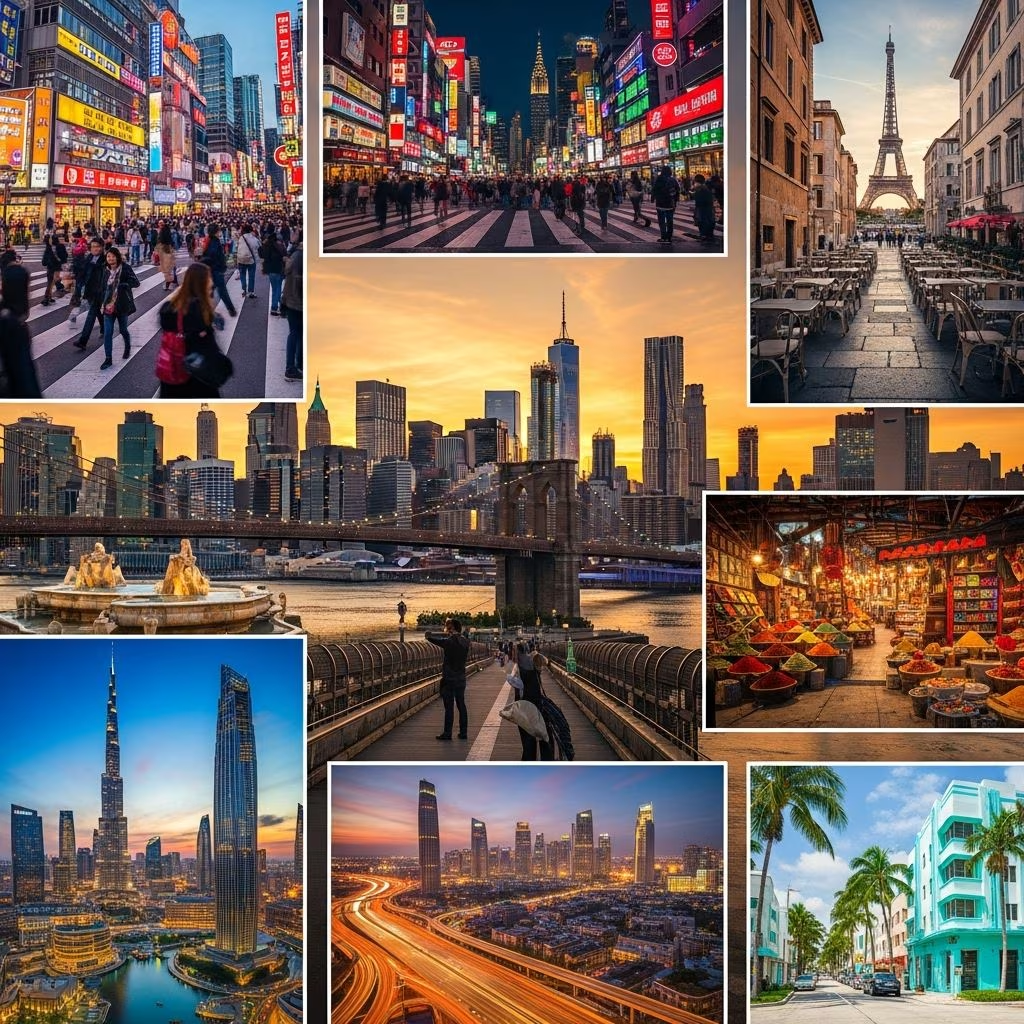 Travel Essentials
Travel enthusiasts worldwide constantly seek meaningful experiences in iconic urban centers. The most captivating cities combine architectural splendor, cultural richness, and distinctive character that leave lasting impressions on visitors. Whether you’re drawn to ancient temples, colonial architecture, or contemporary urban energy, the world offers extraordinary destinations that cater to diverse travel preferences and interests.
The appeal of urban travel extends far beyond conventional tourism. A remarkable city typically encompasses multiple dimensions that create comprehensive travel experiences. These destinations successfully preserve their historical heritage while embracing modern development, offering visitors authentic encounters with local communities and traditions.
Cultural significance plays a crucial role in establishing a city’s global reputation. Destinations with deep historical roots, UNESCO World Heritage Sites, or important religious landmarks attract culturally-minded travelers seeking to understand civilizations and traditions. Similarly, architectural diversity—ranging from medieval structures to cutting-edge contemporary design—contributes substantially to a city’s visual appeal and photographic opportunities.
Practical considerations also matter significantly. World-class cities typically feature excellent infrastructure, diverse dining options, reliable transportation networks, and welcoming hospitality sectors. The combination of these tangible and intangible qualities distinguishes merely pleasant destinations from truly unforgettable urban experiences.
Mexico and Peru host some of the Americas’ most distinctive urban centers. San Miguel de Allende in Mexico showcases colonial architecture, vibrant artistic communities, and thriving cultural scenes that attract creative professionals and cultural tourists alike. The city’s UNESCO-listed historic center features elegant plazas, baroque churches, and narrow cobblestone streets that transport visitors to bygone eras.
Mexico City represents Latin America’s largest metropolitan powerhouse, combining pre-Columbian heritage with contemporary cultural dynamism. The city’s museums rival world-class institutions globally, while neighborhoods like Roma and Condesa offer modern amenities alongside historic charm.
In South America, Cusco, Peru serves as the gateway to Machu Picchu and Incan heritage sites. The city itself preserves remarkable archaeological significance through its architectural fusion of Incan stone foundations with Spanish colonial structures built atop them, creating a unique historical palimpsest.
Thailand dominates Southeast Asian tourism with multiple world-class destinations. Bangkok presents an intoxicating blend of ancient temples, modern shopping districts, street food culture, and waterway commerce that exemplifies the region’s dynamic character. The city’s Grand Palace and ornate Buddhist temples contrast dramatically with contemporary high-rise development and sophisticated dining scenes.
Chiang Mai offers a slower-paced alternative with strong cultural authenticity. Surrounded by mountains and coffee plantations, this northern Thai city preserves traditional craftsmanship, night markets, and spiritual practices that resonate with travelers seeking deeper cultural immersion. The nearby hill tribe communities and forest landscapes extend Chiang Mai’s appeal beyond urban boundaries.
Vietnam’s Hoi An presents one of Southeast Asia’s most photogenic destinations. This UNESCO World Heritage site maintains its charming 15th-century townscape with yellow-painted French colonial architecture, narrow lantern-lit streets, and a thriving artisan economy. The nearby beaches and nearby Da Nang offer convenient extensions for beach-focused travelers.
Japan offers distinctive urban experiences across multiple cities. Tokyo represents humanity’s largest metropolitan agglomeration, combining cutting-edge technology, anime culture, traditional gardens, and innovative cuisine. The city’s organized chaos—with simultaneous development of ultra-modern districts alongside preserved temples—creates a perpetually fascinating destination.
Kyoto preserves Japan’s imperial heritage through thousands of temples, traditional geisha districts, and seasonal attractions like cherry blossom viewing and autumn foliage. Unlike Tokyo’s forward momentum, Kyoto maintains deliberate connections to historical traditions through architecture, culinary practices, and cultural events.
India’s Jaipur presents a striking urban planning achievement. Founded in 1727, the city was designed according to ancient Hindu architectural principles and features distinctive pink-painted buildings that earned it the nickname “Pink City”. Jaipur’s palaces, temples, and bustling bazaars offer immersive experiences into Indian royal heritage and contemporary urban vitality.
Certain islands combine beach environments with substantial urban development. Bali’s Ubud represents an artistic and cultural inland hub featuring rice terraces, traditional temples, craft communities, and spiritual retreat centers. Despite Bali’s reputation as a beach destination, Ubud attracts culturally-conscious travelers interested in Hindu traditions and artistic expression.
Greece’s island destinations increasingly garner international recognition. Páros, designated as the world’s best island in 2025, offers Mediterranean charm with Cycladic white-washed architecture, excellent local wines, and a thriving contemporary art scene alongside traditional fishing villages.
The United States hosts diverse urban experiences reflecting its regional variations. Santa Fe, New Mexico claimed the title of best U.S. city in 2025, showcasing adobe architecture, indigenous artistic traditions, world-class museums, and high-altitude natural beauty. The city’s art galleries, culinary scene, and spiritual retreat culture appeal to culturally-sophisticated travelers seeking distinctive American experiences.
Charleston, South Carolina preserves American colonial heritage through cobblestone streets, antebellum mansions, and historic waterfront areas. The city balances historical preservation with contemporary dining and hospitality innovation, attracting visitors interested in American history and Southern culture.
New Orleans presents unique cultural fusion reflecting its multicultural history. The city’s jazz heritage, Creole architecture, distinctive cuisine, and celebration culture create experiences unavailable elsewhere in North America.
| Destination | Primary Appeal | Best Season | Cultural Focus |
|---|---|---|---|
| San Miguel de Allende | Colonial architecture & arts | October-April | Mexican heritage |
| Bangkok | Temples & street culture | November-February | Buddhist traditions |
| Tokyo | Modern innovation & tradition | Spring/Fall | Japanese culture |
| Jaipur | Palaces & bazaars | October-March | Indian heritage |
| Kyoto | Temples & gardens | Spring/Fall | Imperial Japan |
Successful city visits require thoughtful preparation. Research local festivals, cultural events, and seasonal attractions relevant to your specific interests. Understanding transportation networks, neighborhood layouts, and local customs enhances both safety and enjoyment.
Accommodation selection significantly impacts urban experiences. Properties located in culturally-rich neighborhoods typically provide better access to local restaurants, markets, and attractions compared with international hotel chains in business districts. However, these central locations may involve greater noise and activity levels.
Budget considerations vary dramatically across destinations. Southeast Asian cities typically offer exceptional value, while European and North American urban centers command premium prices for accommodations and dining. Planning daily budgets according to specific destinations ensures realistic financial expectations.
Most destinations feature distinct seasonal patterns. Tropical cities like Bangkok and Chiang Mai present challenging conditions during monsoon seasons (May-October), with preferred travel occurring November through February. Temperate destinations including Kyoto and Jaipur offer pleasant weather during spring (March-May) and autumn (September-November) periods. Mediterranean destinations like Páros accommodate comfortable travel from April through October, avoiding crowded peak summer months when possible.
Most destinations benefit from minimum three-to-four-day visits allowing time for major attractions, neighborhood exploration, and accidental discoveries. Larger metropolitan centers like Tokyo and Mexico City reward extended stays of five to seven days. Smaller historic centers like Hoi An and San Miguel de Allende provide satisfying experiences within two-to-three days.
Mexico City and Bangkok offer excellent first-time international experiences, combining remarkable attractions with established tourism infrastructure, English-language availability in tourist areas, and efficient transportation networks. European cities provide comfortable entry points but may offer less dramatic cultural contrasts compared to Asian or Latin American destinations.
Translation applications and offline language guides facilitate basic communication in most destinations. Tourist information centers, hotel staff, and organized tours provide reliable guidance. Major tourist destinations including Tokyo and Bangkok offer English signage and English-speaking service professionals, while smaller cities may require greater patience and creative communication strategies.
Venture beyond obvious tourist zones into residential neighborhoods where locals conduct daily activities. Local markets, neighborhood restaurants without English menus, spiritual sites during genuine worship times, and community events offer genuine cultural immersion. Guided tours by local residents often provide more authentic perspectives than international tour operators.
Traveling to unfamiliar cities requires practical planning extending beyond attraction research. Verify passport validity, understand visa requirements, arrange appropriate travel insurance, and review local safety advisories from official government sources. Notify financial institutions of international travel to prevent credit card blocks during transactions.
Health preparations vary by destination. Consult travel medicine specialists regarding recommended vaccinations, necessary medications, and health precautions. Carry sufficient quantities of prescription medications with original pharmacy labels for customs compliance.
Cultural sensitivity significantly enhances travel experiences and demonstrates respect for local communities. Research appropriate dress codes, religious customs, photographic restrictions, and behavioral norms before arrival. These preparations transform tourism into meaningful cultural exchange.
Beyond traditionally recognized centers, emerging destinations offer compelling experiences at lower costs with fewer crowds. Secondary cities in Mexico, Thailand, Vietnam, and India increasingly develop tourism infrastructure while retaining authentic character. These destinations typically feature enthusiastic hospitality from communities excited to welcome international visitors.
Sustainable tourism practices increasingly matter to conscientious travelers. Supporting local businesses, minimizing environmental impacts, and respecting community wishes ensures tourism benefits residents rather than creating negative consequences. Purchasing directly from artisans, dining at locally-owned restaurants, and engaging with cultural experiences controlled by community members create mutually-beneficial interactions.
The world’s most captivating cities transcend simple tourism, offering profound opportunities for personal growth, cultural understanding, and memorable experiences. Whether exploring ancient temples in Thailand, wandering colonial streets in Mexico, or navigating bustling bazaars in India, urban travel expands perspectives and creates connections across cultural boundaries. Thoughtful preparation, cultural sensitivity, and willingness to venture beyond conventional tourist sites transform city visits into transformative journeys that enrich lives and deepen global understanding.
