

 Travel Essentials
 Travel Essentials

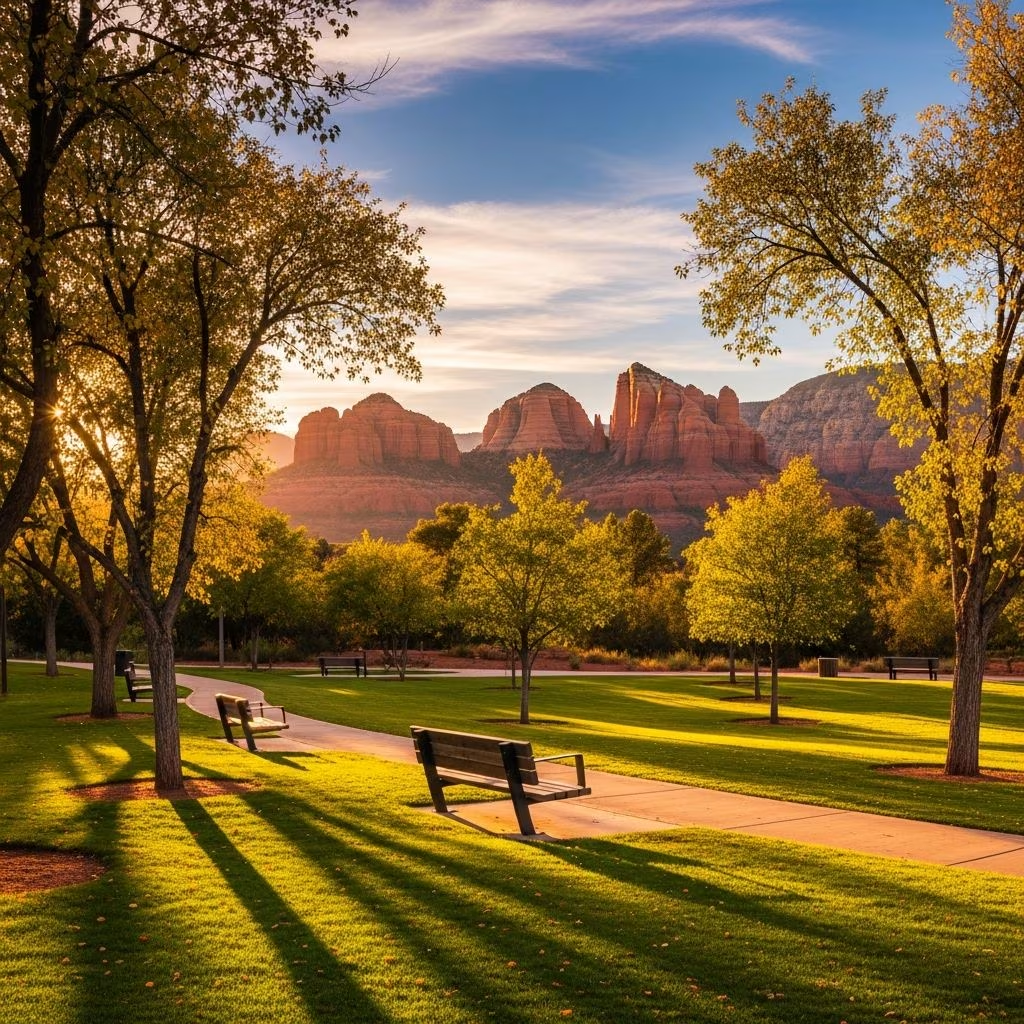
Explore Sedona's premier city parks offering family-friendly amenities, outdoor activities, and breathtaking desert vistas without requiring extensive hiking.
 Travel Essentials
Sedona, Arizona, is renowned globally for its dramatic desert landscapes, towering red rock formations, and extensive network of wilderness trails. However, beyond the rugged backcountry experiences that draw adventure seekers from around the world lies a collection of carefully designed urban parks that offer an alternative way to experience the region’s natural beauty. These city parks provide easily accessible recreational spaces where visitors and residents can enjoy the stunning Sedona environment without requiring extensive hiking skills or advanced outdoor preparation.
While Sedona’s reputation largely centers on its challenging desert hikes and natural geological wonders, the city’s parks represent a different facet of outdoor recreation. These green spaces deliver the distinctive visual character that makes Sedona iconic—the breathtaking red rock backdrops, desert vegetation, and expansive sky views—but in settings designed for broader accessibility. Families with young children, older adults seeking gentler activities, and visitors with limited mobility can all enjoy meaningful outdoor experiences within these urban recreational areas.
The parks scattered throughout Sedona showcase intentional urban planning that harmonizes developed recreation areas with the surrounding natural environment. Rather than imposing artificial structures onto the landscape, these spaces integrate seamlessly with Sedona’s distinctive topography and ecology, creating gathering places that feel both accessible and authentically connected to the desert setting.
Spanning nearly 80 acres in West Sedona, Posse Grounds Park functions as the city’s primary recreational facility and most comprehensive gathering destination. The park earned its unusual name from its history as the base of operations for a sheriff’s posse, transforming from its law enforcement heritage into Sedona’s inaugural city park. This extensive facility serves as a true hub for active recreation, accommodating visitors with diverse interests and activity preferences.
The park features an impressive array of amenities designed to support multiple recreational pursuits. Walking and running trails wind through the property, offering cardiovascular exercise opportunities with scenic surroundings. Mountain biking trails provide more challenging pedaling experiences for cyclists seeking technical terrain. The facilities include developed sports courts for basketball and tennis, accommodating organized play and casual recreation. A dedicated dog park allows pet owners to exercise their animals in a secure environment. The inclusion of a skate park appeals to younger visitors seeking thrilling activities. Performance pavilions host community events and live entertainment, transforming the park into a cultural venue during scheduled programming.
The park’s strategic location just two miles from downtown Sedona makes it easily accessible while still providing substantial distance from urban congestion. Visitors can achieve meaningful exercise and immerse themselves in red rock scenery without traveling to remote trailheads or wilderness areas.
Encompassing approximately seven and a half acres in a residential section of West Sedona, Sunset Park represents a distinct approach to urban park design with deliberate emphasis on family experiences. The park serves as an exemplary model for intergenerational recreational spaces, accommodating children across different developmental stages alongside their parents and caregivers.
Two strategically designed playgrounds distinguish this park from typical community recreation areas. One playground targets children under five years old, featuring equipment scaled and designed for toddlers and preschoolers with appropriate safety considerations. A separate playground serves older children ages five and up, providing more challenging climbing structures and play equipment suited to their developmental abilities. This separation prevents younger children from encountering oversized equipment while ensuring older children are appropriately engaged.
During warmer months, a seasonal splash park provides water-based recreation during peak heat. This amenity proves especially valuable during Sedona’s hot season, offering families a refreshing break from desert temperatures. Beyond play facilities, the park features traditional recreation infrastructure including tennis, basketball, and pickleball courts accommodating different skill levels and age groups. Expansive grassy areas invite families to spread blankets for picnicking, watching children play, or simply appreciating the surrounding red rock panoramas from a comfortable vantage point.
Located just a short distance from Route 89A in West Sedona, the Sedona Botanical Garden demonstrates how limited space can create meaningful experiences through thoughtful design and curation. Despite occupying only a quarter-acre of land, this compact garden achieves remarkable depth and visual interest through careful plant selection and artistic integration.
The garden showcases native Sonoran Desert flora including diverse cacti species, agave plants, and drought-resistant shrubs specifically selected for their adaptability to the local environment. This botanical approach educates visitors about indigenous plant life while supporting ecological principles. The garden transcends simple plant display through incorporation of life-sized bronze sculptures depicting regional wildlife including javelinas, coyotes, rabbits, and birds. These sculptures, created by local Sedona artists, transform the space into an outdoor gallery where art and nature coexist.
A gift shop adjoining the garden provides curated merchandise including native plants, botanical books, and handcrafted items, creating a small commercial element that enhances the overall visitor experience. This combination of botanical education, artistic expression, and retail opportunity demonstrates how small urban spaces can serve multiple community functions.
Situated on eight acres surrounding the Sedona Heritage Museum, Jordan Historical Park connects outdoor recreation with regional historical context. The park’s interpretive nature trails guide visitors through landscapes while educational signage explains both natural and cultural history relevant to the Sedona area. Picnic tables distributed throughout the grounds invite visitors to pause, reflect, and enjoy meals while surrounded by nature.
A substantial fruit orchard represents a distinctive feature distinguishing this park from typical recreational spaces. The orchard provides both visual interest and educational value, illustrating agricultural heritage and demonstrating sustainable food production practices relevant to desert regions. Visitors can stroll through the orchard while gaining appreciation for historical land use patterns and contemporary sustainable agriculture approaches.
The park operates daily from dawn to dusk with no admission fee, ensuring complete accessibility regardless of visitor budget. This open access approach reflects a commitment to democratizing cultural and natural heritage experiences, allowing all community members and visitors to engage with regional history and ecology.
Pocket parks represent an urban design concept gaining recognition globally as cities seek to maximize recreational value within constrained spatial limitations. These micro-scaled green spaces provide peaceful respites and community gathering areas throughout urban environments without requiring large land footprints. Sedona incorporates two pocket parks into its recreational landscape, each offering distinctive character and purpose.
Occupying merely one-quarter acre at the intersection of Kachina Road and Dry Creek Road, Greyback Park exemplifies how even minimal space can create meaningful experiences. The diminutive park includes several benches positioned to take advantage of natural shade from established trees and yucca plants. When yucca plants bloom, their characteristic pink flowers add seasonal color and visual interest to the desert landscape.
While Greyback Park may not function as a primary destination requiring special travel, its strategic location makes it an ideal stopping point during local exploration. The positioning provides excellent vantage points for viewing Chimney Rock and Lizard Head Rock, distinctive natural formations that define Sedona’s visual landscape. The park offers respite for pedestrians navigating the neighborhood while providing contemplative space for appreciating geological features.
The second pocket park contributing to Sedona’s urban park network, Jack Jamesen Memorial Park, provides another intimate green space throughout the community. Like other pocket parks, this small space serves neighborhood populations and passing pedestrians seeking brief respite.
Sedona’s city parks collectively provide extensive sports infrastructure accommodating diverse recreational interests. Multiple courts support tennis, basketball, and the increasingly popular sport of pickleball, which combines elements of tennis, badminton, and ping-pong into an accessible format appealing to broad age ranges. Softball fields serve organized athletic programs and casual recreational leagues. Skate parks accommodate younger visitors seeking technical skating challenges.
Pathways connecting park areas to surrounding trailheads create integrated recreational networks extending beyond individual park boundaries. These connector paths encourage pedestrian and cycling activity while linking urban recreation areas to more extensive wilderness trail systems. This infrastructure design reflects contemporary urban planning principles emphasizing walkability, accessibility, and connection between community spaces.
Sunset Park stands out as the premier family destination featuring age-appropriate playgrounds, splash parks during warm months, and extensive grassy areas ideal for family gatherings and picnicking.
Posse Grounds Park provides the broadest range of amenities including trails for walking and biking, multiple sports courts, dog parks, and performance venues.
The Sedona Botanical Garden and pocket parks like Greyback Park offer peaceful settings for visitors seeking quieter experiences and more intimate connections with nature.
Most Sedona city parks operate with open access policies, though some facilities like the Sedona Botanical Garden may charge nominal fees supporting maintenance and programming.
Options range from athletic pursuits including basketball, tennis, and cycling to peaceful activities like picnicking, nature observation, and photography.
Sunset Park, Posse Grounds Park, and Greyback Park all offer excellent perspectives on Sedona’s distinctive geological formations.
Sedona experiences extreme temperature variations between seasons. Summer months bring intense heat making early morning or evening park visits preferable. Winter and spring offer ideal conditions for extended outdoor recreation. Seasonal amenities like splash parks operate during warmer months, affecting activity availability throughout the year.
Sedona’s city parks generally provide accessible parking, pathways, and facilities accommodating visitors with mobility limitations. Most major parks include paved surfaces reducing terrain challenges for visitors using wheelchairs, walkers, or managing mobility concerns.
Weekday mornings typically offer quieter park experiences, while weekends attract larger crowds. Special events at performance pavilions create alternative scheduling considerations depending on visitor preferences for solitude versus community gathering experiences.
Sedona’s city parks represent thoughtfully designed spaces that democratize access to the region’s stunning natural environment. Whether visitors seek active recreation, family experiences, cultural engagement, or quiet contemplation, these accessible urban spaces deliver meaningful encounters with Arizona’s distinctive desert landscape. From the expansive recreational hub of Posse Grounds Park to intimate pocket parks offering peaceful respite, Sedona’s park system demonstrates how urban planning can honor natural beauty while serving diverse community needs and visitor interests. These destinations complement Sedona’s renowned wilderness areas, providing alternatives that welcome all visitors regardless of hiking experience or physical capability.
