

 Travel Essentials
 Travel Essentials

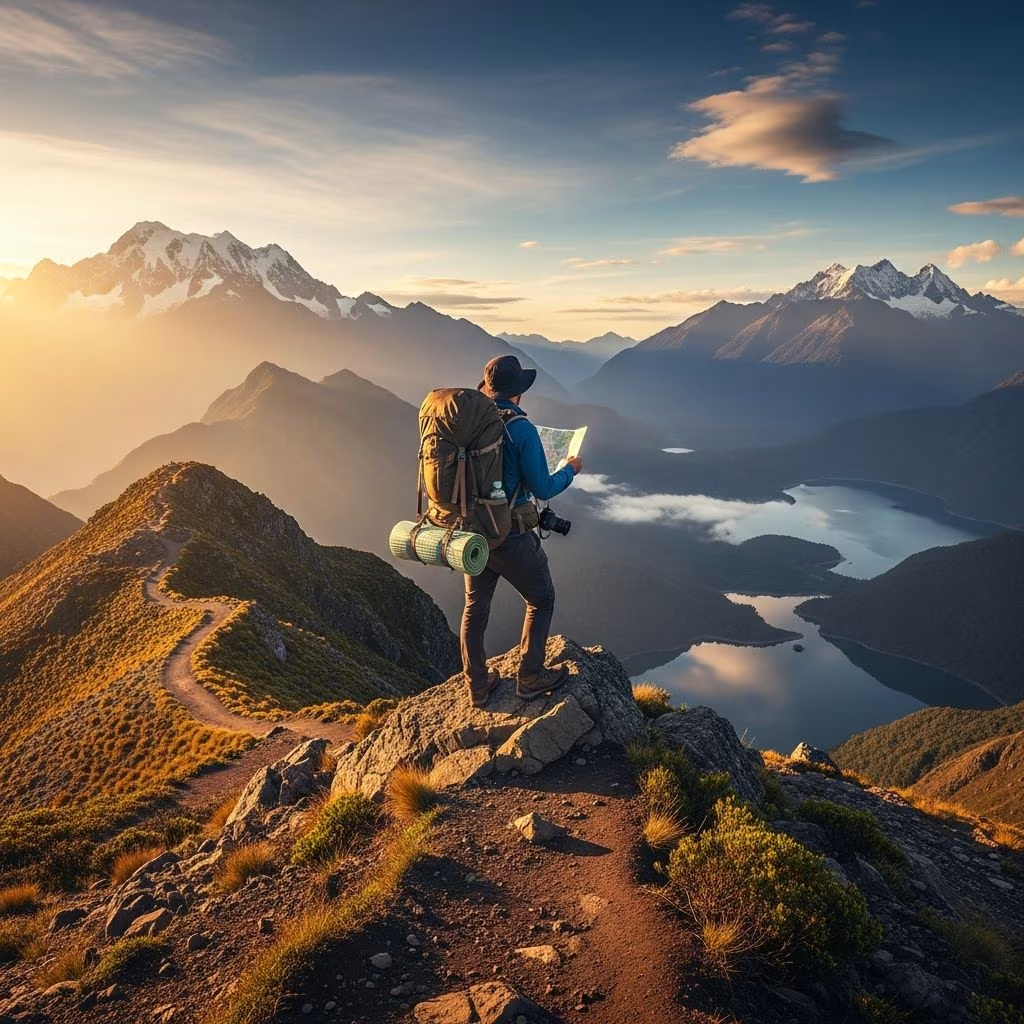
Comprehensive guide to the best solo travel destinations in South America, featuring practical tips, safety insights, and unforgettable experiences across multiple countries.
 Travel Essentials
South America stands as one of the world’s most compelling destinations for travelers seeking independence, cultural immersion, and breathtaking natural wonders. The continent offers an extraordinary tapestry of experiences—from ancient archaeological sites to pristine wilderness areas, vibrant urban centers to quiet colonial towns. For solo adventurers, South America presents unique opportunities to forge meaningful connections, challenge personal boundaries, and discover parts of the world that remain relatively untouched by mass tourism.
The appeal of solo travel in South America extends beyond mere adventure. Travelers encounter welcoming communities, affordable accommodations, and well-established backpacking routes that facilitate meeting fellow explorers. Whether you seek high-altitude trekking, jungle exploration, cultural immersion, or coastal relaxation, the continent accommodates all travel styles and budgets.
Planning an independent journey across South America requires thoughtful consideration of timing, route selection, and personal preferences. The continent stretches across diverse climatic zones, meaning seasonal variations significantly impact travel experiences and accessibility to certain regions.
Timing Your Departure
South America’s geography creates distinct seasons in different regions. The southern regions, including Patagonia in Chile and Argentina, experience optimal conditions during their summer months (December through February in the Southern Hemisphere). Conversely, northern regions like Colombia and Ecuador maintain relatively consistent conditions year-round, though rainfall increases during certain periods. Northern Peru and Bolivia present ideal conditions during the dry season (May through September), while this same period represents winter in the south, bringing colder temperatures and occasional snow at higher elevations.
Route Planning Fundamentals
Successful solo travelers typically follow established circuits that connect major hubs and attractions. Common routes begin in Colombia’s northern coast, move through Ecuador and Peru, descend into Bolivia, and conclude in Argentina and Chile. This north-to-south progression offers logical progression while allowing flexibility to extend stays in particularly compelling regions. Alternatively, travelers might enter through Brazil and work southward, or concentrate efforts within specific countries to develop deeper regional understanding.
Colombia has undergone remarkable transformation in recent years, emerging as one of South America’s most welcoming and dynamic destinations for independent travelers. The country’s biodiversity rivals any location on Earth, while its people consistently demonstrate genuine warmth toward visitors.
Must-Experience Colombian Destinations
Ecuador’s modest size belies its incredible variety. Within relatively short distances, travelers access Pacific beaches, Andean highlands, Amazon rainforest, and unique island ecosystems. This concentration makes Ecuador particularly appealing for travelers with limited time who wish to experience multiple ecosystems.
Highland Urban Centers
Quito and Cuenca serve as primary hubs for highland exploration. Both cities feature well-preserved colonial architecture, energetic café cultures, and active backpacker communities. These urban centers offer comfortable bases for acclimatizing to altitude while accessing nearby attractions. Language schools attract independent travelers seeking Spanish immersion, creating natural communities of like-minded adventurers.
Specialized Ecosystems
The Galápagos Islands represent Ecuador’s most famous attraction, offering wildlife encounters impossible anywhere else on Earth. For solo travelers, land-based itineraries and organized cruises provide built-in social structures and professional guidance. Daily excursions with naturalist guides demystify the islands’ unique ecology while naturally facilitating connections with fellow travelers. The Amazon rainforest accessible from Ecuador’s eastern regions offers lodge-based experiences where solo travelers join small groups for jungle exploration, wildlife observation, and indigenous cultural engagement.
Peru captivates solo travelers through its combination of archaeological significance, challenging terrain, and vibrant culture. The country serves as the epicenter of Incan civilization, yet extends far beyond these historical monuments to encompass diverse landscapes and living traditions.
The Sacred Valley and Machu Picchu Circuit
Cusco functions as the gateway to Peru’s most iconic attractions. This former Incan capital sits at high altitude, requiring acclimatization before undertaking strenuous activities. The Sacred Valley extends eastward from Cusco, featuring archaeological sites, traditional communities, and agricultural terraces clinging to mountainsides. Machu Picchu remains the continent’s most visited archaeological site, accessible through several routes ranging from quick trains to challenging multi-day hikes. The Inca Trail attracts dedicated hikers seeking historical immersion combined with physical challenge. Rainbow Mountain offers an alternative high-altitude adventure showcasing dramatically colored geological formations resulting from mineral deposits.
Culinary and Cultural Immersion
Lima stands as South America’s acknowledged culinary capital, drawing food-focused travelers eager to explore Peru’s gastronomic heritage. The city’s restaurant scene reflects indigenous ingredients, colonial influences, and contemporary innovation. Beyond restaurants, cooking classes, market tours, and culinary workshops allow solo travelers to engage deeply with local food culture while naturally meeting other adventurers pursuing similar interests.
Bolivia frequently gets overlooked in standard South American itineraries, yet it offers extraordinary experiences and exceptional value for independent travelers. The country’s economic accessibility combined with stunning natural features and rich indigenous cultures makes it particularly appealing for budget-conscious adventurers.
The Salar de Uyuni Experience
The world’s largest salt flat presents an otherworldly landscape that challenges perception and rewards visitors with unforgettable imagery. The salt flat’s vastness renders independent exploration impractical, necessitating organized tours. This requirement transforms the Salar de Uyuni into a natural gathering place for solo travelers. Small-group tours typically accommodate four to six participants, creating intimate travel communities. Participants spend multiple days together navigating this surreal landscape, inevitably forming bonds through shared wonder and logistical necessities.
Additional Bolivian Highlights
The Laguna Colorada showcases flamingo populations set against mineral-rich waters creating vivid coloration. Lake Titicaca, shared with Peru, connects to living Uro indigenous communities maintaining traditional lifestyles and water-based settlements. La Paz, the world’s highest capital city, challenges visitors with altitude while offering museums, markets, and cultural institutions reflecting Bolivia’s complexity.
Argentina and Chile represent South America’s most developed nations, offering refined urban experiences alongside dramatic wilderness areas. Both countries appeal to solo travelers seeking sophisticated infrastructure without sacrificing adventure.
Argentine Experiences
Buenos Aires rivals any world capital in cultural vitality, featuring tango performances, exceptional restaurants, European-influenced architecture, and energetic nightlife. The city attracts independent travelers who appreciate urban sophistication and walkable neighborhoods. Beyond the capital, Argentine Patagonia showcases glaciers, dramatic peaks, and expansive steppe landscapes. El Calafate grants access to the Perito Moreno Glacier, one of Earth’s few advancing glaciers. El Chaltén functions as a hiking town where nearly every visitor pursues mountain trails, creating natural communities among trail-focused adventurers. Bariloche and the Lake District blend alpine scenery with chocolate-shop charm and excellent hiking infrastructure.
Chilean Adventures
Chile extends along South America’s western edge, spanning from desert to subpolar regions. The Atacama Desert near San Pedro de Atacama offers otherworldly landscapes featuring salt formations, geysers, high-altitude lagoons, and some of Earth’s clearest night skies. Small-group guided excursions from San Pedro facilitate meeting fellow travelers while ensuring safe navigation through challenging terrain. Torres del Paine National Park in Chilean Patagonia ranks among the world’s most spectacular trekking destinations. The W Trek circuit attracts independent hikers from worldwide, with refugio accommodations and clearly marked trails reducing logistical complexity while facilitating daily encounters with other adventurers.
Brazil’s scale, population, and diversity can overwhelm unprepared solo travelers, yet those navigating thoughtfully discover extraordinary experiences. The country’s cultural energy and natural wonders justify careful exploration.
Rio de Janeiro and Iconic Attractions
Rio captures imagination through its dramatic geography, iconic landmarks, and vibrant culture. Christ the Redeemer statue, Sugarloaf Mountain, and Copacabana Beach form the visual identity most associate with Brazil. The city’s neighborhoods vary significantly in character, with Ipanema and Leblon offering upscale beaches and dining, Santa Teresa preserving bohemian charm and artistic culture, and Lapa showcasing nightlife and cultural institutions. Solo travelers benefit from concentrating stays in well-established tourist neighborhoods offering security, amenities, and fellow traveler populations.
Alternative Brazilian Destinations
Florianópolis appeals to nature-oriented solo travelers seeking beach relaxation combined with water sports. The island city maintains a relaxed atmosphere while hosting international surf camps and established backpacker communities. São Paulo represents Brazil’s financial and cultural center, less immediately appealing than Rio yet rewarding curious travelers with museums, street art, innovative restaurants, and authentic urban energy. Salvador preserves Afro-Brazilian culture and colonial architecture more vividly than most Brazilian cities, offering cultural depth and beach access.
Understanding Regional Safety Variations
South America’s safety profile varies considerably by country and specific location. Uruguay and Argentina consistently rank among the safest destinations, offering developed infrastructure and stable governance. Colombia, despite historical reputation, has transformed into a generally safe destination for careful travelers. Peru, Ecuador, and Bolivia require standard precautions and awareness but welcome millions of solo travelers annually. Brazil demands greater caution in certain urban areas, though established tourist zones maintain solid safety records.
Practical Travel Strategies
Timing depends on your intended destinations. December through February suits southern regions, while May through September works well for northern areas. However, most months offer viable travel opportunities in at least some regions, so personal schedule and specific interests should drive timing decisions.
Daily costs vary dramatically by country and travel style. Bolivia and Peru offer exceptional value at $25-40 daily for budget travelers, while Argentina and Chile require $35-60. Luxury and mid-range options multiply these figures proportionally.
Millions of solo women travel South America safely annually. Standard precautions—staying aware, using established transportation, avoiding isolated areas at night—apply. Many solo female travelers report positive, empowering experiences exploring the continent.
Hostels with common areas facilitate natural meetings. Organized tours and group activities provide built-in companionship. Popular trekking routes, volunteer opportunities, and language schools attract communities of like-minded travelers. Social media groups dedicated to South American travel help connect solo adventurers.
Consult travel medicine professionals regarding yellow fever, hepatitis, typhoid, and other vaccines relevant to your specific itinerary. Altitude sickness affects many travelers in highland regions; gradual acclimatization significantly reduces severity.
