

 Travel Essentials
 Travel Essentials

A comprehensive guide to planning a family vacation in Croatia, featuring kid-friendly beaches, historical sites, national parks, and practical travel advice.
 Travel Essentials
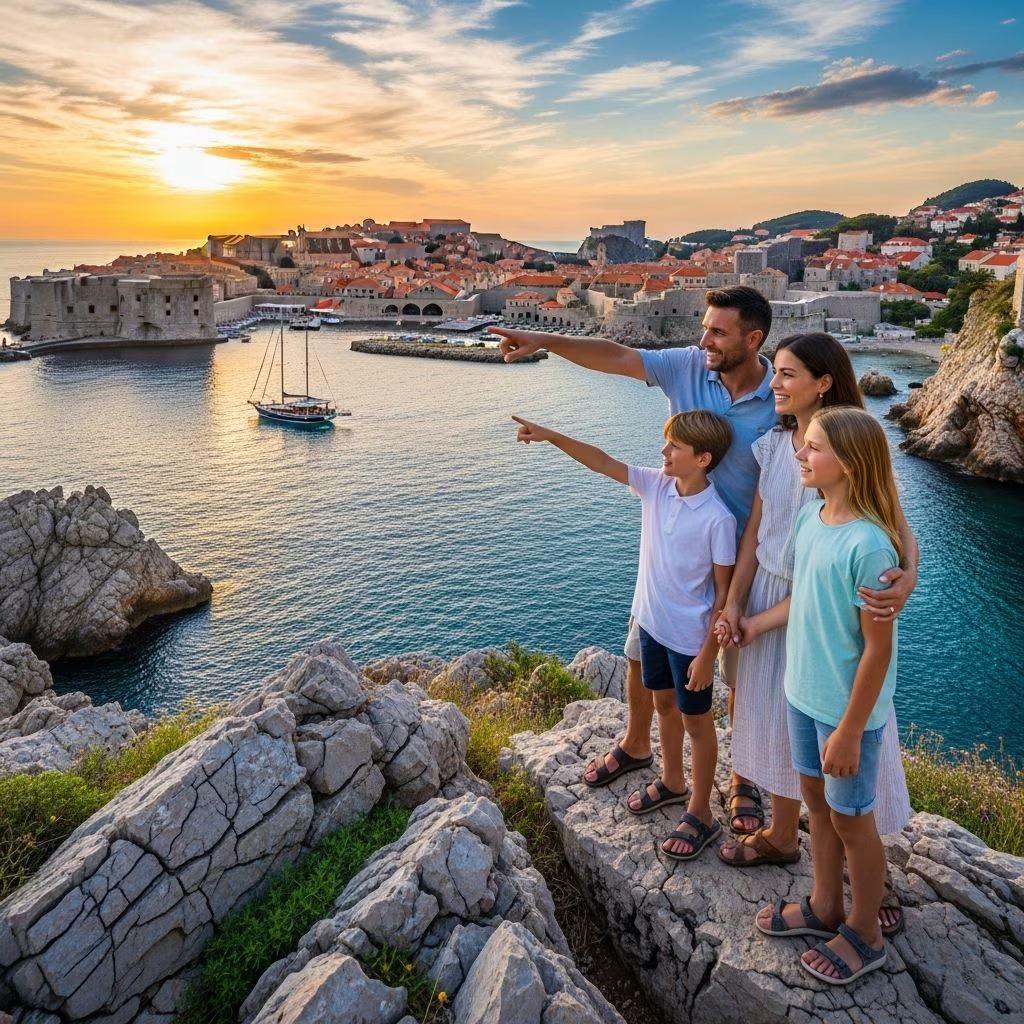
Croatia has emerged as one of Europe’s most captivating family destinations, offering an exceptional blend of natural beauty, cultural heritage, and outdoor recreation opportunities. The Dalmatian Coast, spanning 12,000 kilometers with over 1,200 offshore islands, provides families with endless exploration possibilities. Whether you’re traveling with toddlers, school-age children, or teenagers, Croatia delivers memorable experiences that keep the entire family engaged and excited throughout your journey.
Planning the right length of stay is crucial for maximizing your family’s enjoyment without causing excessive travel fatigue. For most families seeking a comprehensive Croatian experience, 10 days represents the optimal duration. This timeframe allows you to explore major destinations while maintaining a relaxed pace suitable for children. However, flexibility is important—trips ranging from 7 to 14 days can work effectively depending on your family’s preferences and vacation availability.
A typical 10-day itinerary enables families to visit two major cities like Split and Dubrovnik while incorporating island exploration and visits to natural attractions. Shorter trips of 7-9 days work well for families focusing on specific coastal regions, while extended 14-day vacations accommodate those wanting to venture inland toward national parks and cultural sites.
Croatia’s premier coastal destinations successfully combine historical significance with family-friendly amenities, making them ideal bases for your vacation.
Dubrovnik serves as an excellent starting point for many family vacations. The UNESCO-protected city walls present both an educational experience and a moderate physical challenge, particularly when navigating with strollers. Families climbing the city walls gain spectacular panoramic views of terracotta rooftops and the Adriatic Sea. Following the walls exploration, the Pile Gate playground provides a perfect spot for children to release energy on swings and slides while parents relax.
Beyond the walls, Dubrovnik’s maze-like medieval alleys invite exploration, though the narrow stone pathways require parents traveling with infants to use child carriers rather than strollers. Lokrum Island, accessible via short ferry rides, offers unique attractions including wild peacocks, shaded walking trails, and secluded swimming coves that provide peaceful alternatives to crowded city beaches.
Split functions as an excellent starting point for family adventures, combining ancient architecture with modern amenities. Diocletian’s Palace transforms into an engaging playground for children, who delight in discovering hidden tunnels, exploring interconnected courtyards, and navigating small alleyways. The palace’s complex structure naturally appeals to kids’ sense of adventure and discovery.
Adjacent to the palace, Marjan Hill provides families with accessible nature experiences. An easy hiking trail rewards visitors with outstanding coastal views and shaded picnic areas suitable for younger children. For beach access, Kasjuni Beach offers a quieter alternative to more crowded spots, featuring calm waters and ample space for families to settle in comfortably.
Zadar presents unique cultural experiences alongside innovative installations. Roman ruins and Venetian squares transport families through centuries of history, while the distinctive Sea Organ captivates visitors with ethereal whistling symphonies created by sea waves. The nearby Sun Salutation installation transforms evening playtime into interactive light display exploration, particularly mesmerizing for children as they dance on illuminated glass plates.
Croatian beaches offer varied experiences depending on your family’s preferences. While pebble beaches dominate the coastline, several exceptional sandy alternatives cater to families with young children.
| Beach Type | Best For | Notable Locations |
|---|---|---|
| Sandy Beaches | Sandcastle building, toddlers | Paradise Beach (Rab Island), Long Beach (Omiš), Sunj Beach (Lopud Island) |
| Pebble Beaches | Snorkeling, rock diving | Punta Rata (Brela), Bacvice (Split) |
| Hidden Coves | Quiet family time | Lokrum Island coves, Kasjuni Beach |
Families prioritizing sandy shores should consider Paradise Beach on Rab Island’s Lopar peninsula, which combines soft sand with shallow waters ideal for non-swimmers and toddlers. Long Beach in Omiš extends for considerable distances, accommodating families seeking space and comfort. Sunj Beach on Lopud Island uniquely features sand in a region where pebbles typically prevail, making it exceptional for castle construction and sand play.
Punta Rata at Brela on the Makarska Riviera earns family recommendations for its safe swimming conditions and opportunities for underwater exploration with snorkeling equipment. The pebble composition prevents sand accumulation while allowing children to observe marine life through masks and snorkels. Teenagers particularly enjoy these beaches for stand-up paddleboarding, pedal boating, and kayaking activities that keep them engaged away from digital devices.
Croatia’s eight national parks offer spectacular natural attractions, though each requires different planning considerations for families with children.
UNESCO-listed Plitvice Lakes National Park captivates visitors with sublime waterfalls, turquoise lakes, and forest-lined pathways creating an almost magical atmosphere. However, parents should prepare for extensive walking requirements that can become challenging for young children. The wooden walkways surrounding the lakes, while beautiful, lack guardrails and aren’t suitable for strollers, presenting potential safety concerns for families with toddlers or unsteady walkers. Electric boat rides across sections of the park provide welcome breaks for tired little legs.
Often described as the Garden of Eden by family travelers, Krka National Park rivals Plitvice in natural beauty. While the main Skradinski Buk waterfall no longer permits swimming, nearby alternatives satisfy children’s water play needs. Roski Slap provides a less crowded waterfall swimming area with beautiful surroundings and fewer crowds. Stinice Beach offers peaceful swimming in clear, calm waters suitable for families seeking a more relaxed experience.
The park includes the charming Ethno Village, where children learn about traditional Croatian culture while exploring historic water mills and historic structures, combining education with interactive engagement.
An archipelago of verdant islands off Istria’s coast, Brijuni National Park provides family-friendly navigation through motorized trains traversing the main island. Solar-powered golf carts and bicycle rentals offer alternative transportation options suited to children’s abilities. Kids enthusiastically search for hundreds of dinosaur footprints on rocky beaches and roam wide open spaces freely. The safari park featuring African zebras, ostriches, South American llamas, and camels adds exotic excitement to the experience.
Smaller settlements offer unique family experiences and often feel less overwhelming than major tourist destinations.
Rovinj stands out as a particularly child-friendly destination combining colorful architecture, walkability, and abundant family accommodations. Medieval stone streets create enchanting exploration opportunities, though parents traveling with babies should carry infants rather than rely on strollers. Golden Cape Forest Park provides excellent biking and easy nature walk opportunities. The Rovinj Aquarium, while modest in scale, fascinates younger children with its marine life exhibitions.
Monte Beach offers thrilling experiences for older children, with rock jumping and diving into the Adriatic providing unforgettable adventure memories. Many family-friendly accommodations include toys or playgrounds specifically designed for entertaining younger guests.
Exploring less-visited towns along the coast reveals authentic Croatian culture and fewer tourist crowds. These destinations often feature excellent local restaurants serving traditional cuisine, family-owned accommodations with personal service, and genuine interactions with local residents sharing their homeland’s history and traditions.
Understanding seasonal variations helps families optimize their Croatian experience. Summer months (June-August) offer peak sunshine and warm water temperatures but attract significant tourist crowds. Spring (April-May) and fall (September-October) provide pleasant weather with fewer visitors and lower accommodation prices. Winter visits suit families seeking mild climates compared to northern Europe, though water temperatures become cooler.
Croatia offers diverse lodging options accommodating various budgets and family preferences. Budget-conscious families appreciate camping parks like those in Biograd na Moru, offering affordable mobile homes, playgrounds, mini-golf facilities, and beach access. Mid-range family hotels throughout coastal towns provide convenient amenities and staff accustomed to accommodating children. Luxury resorts offer comprehensive facilities, kids’ clubs, and multiple dining venues for families seeking premium experiences.
Apartment rentals provide excellent flexibility for families wanting independent cooking capabilities and extended stays. Many feature kitchens, multiple bedrooms, and washing machines—practical necessities for extended family travels.
Navigating Croatia’s coastal regions involves various transportation methods suited to different situations. Ferry services connect mainland destinations to islands, offering scenic journeys children often enjoy. Local buses provide affordable regional transportation, though luggage management can challenge families with small children. Car rentals offer flexibility for exploring national parks and smaller towns inaccessible by public transit, though narrow medieval streets in old towns require careful navigation.
Spring (April-May) and fall (September-October) offer ideal conditions combining pleasant weather, manageable crowds, and reasonable prices. Summer provides peak sunshine but attracts massive tourist influxes and higher accommodation costs.
Yes, Croatian beaches maintain excellent safety standards with designated swimming areas, lifeguard presence during peak seasons, and clear water visibility. Rocky seabeds require water shoes for protection, which most families find minimal inconvenience.
Toddlers can visit medieval towns, though narrow stone streets present stroller challenges. Child carriers prove more practical than strollers for exploring historic city centers. Flat coastal promenades accommodate strollers more comfortably.
Croatian dining establishments generally welcome families warmly, offering simple dishes children enjoy and accommodating special requests. High chairs availability varies, so inquiring ahead is advisable. Menu options include familiar foods alongside traditional specialties.
Teenagers enjoy water sports including kayaking, stand-up paddleboarding, and snorkeling. Island hopping, cave exploration, rock climbing at designated sites, and evening walks through historic towns appeal to this age group. Larger cities offer nightlife options for older teenagers.
Croatia’s combination of historical richness, natural beauty, and family-friendly infrastructure creates environments where families effortlessly build lasting memories. Children discover adventure in hidden palace passageways, develop confidence through water sports, and gain cultural appreciation exploring medieval towns. Parents simultaneously relax on beautiful beaches, enjoy exceptional Mediterranean cuisine, and recharge through nature immersion.
The key to successful Croatian family vacations involves balancing structured activities with unplanned exploration time, pacing activities appropriately for children’s ages, and maintaining flexibility when unexpected opportunities emerge. From sparkling Adriatic waters to ancient architectural wonders, Croatia welcomes families with open arms and endless possibilities.
