

 Travel Essentials
 Travel Essentials

Explore Sweden's most scenic cycling routes around pristine lakes, dense forests, and charming villages. A comprehensive guide to planning your Nordic cycling adventure.
 Travel Essentials
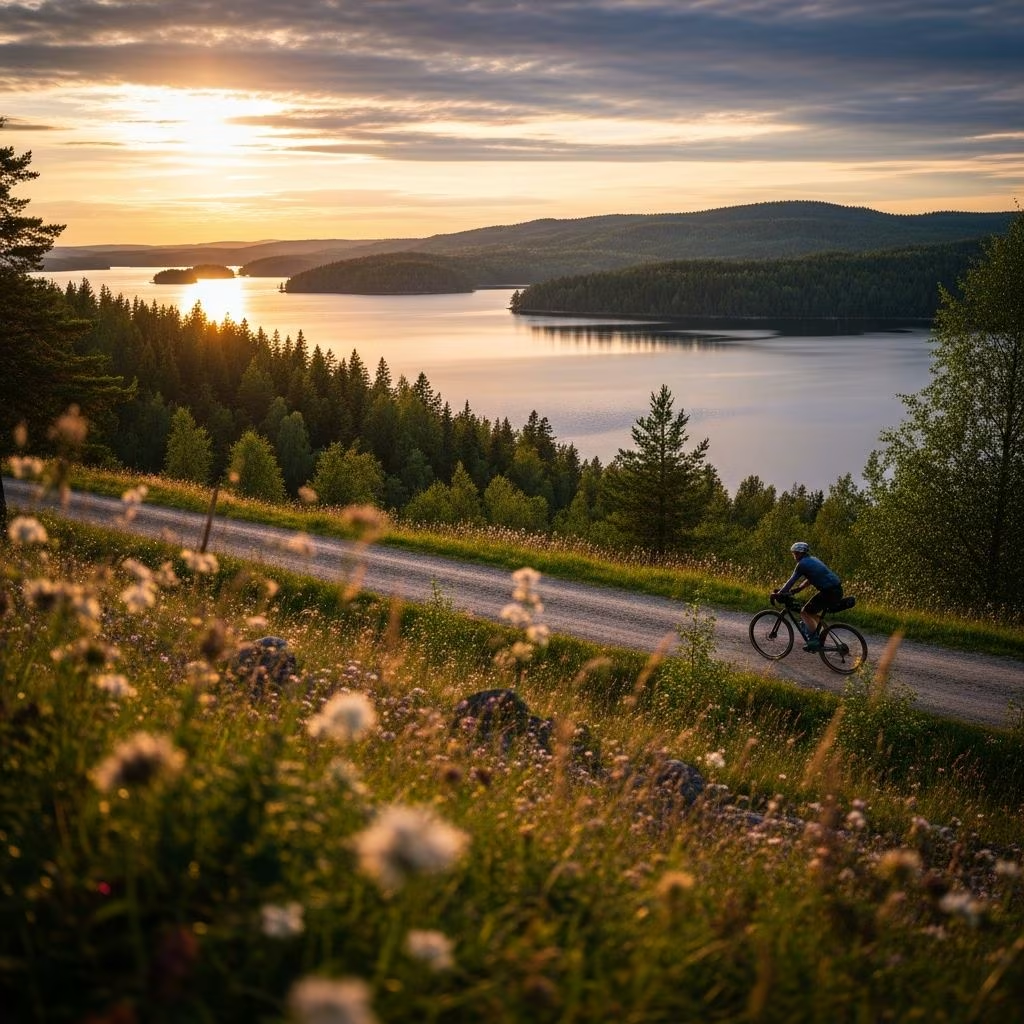
Sweden stands as one of Europe’s premier destinations for cyclists seeking a harmonious blend of natural beauty, cultural immersion, and genuine relaxation. The Scandinavian nation offers an extensive network of well-maintained cycling routes that traverse through pristine lake systems, ancient forests, and quaint settlements, making it an ideal destination for travelers who prefer unhurried exploration over rushed sightseeing. Whether you’re an experienced cyclist or someone seeking a gentle introduction to bike tourism, Sweden’s diverse terrain and infrastructure cater to riders of varying skill levels.
Sweden has developed a comprehensive approach to cycle tourism over the past decades, establishing national cycling routes and regional pathways that connect some of the country’s most compelling landscapes. The cycling culture permeates Swedish society, from urban centers to remote countryside areas, with a significant portion of the population regularly using bicycles for transportation and recreation. This established cycling tradition translates into excellent signage, well-maintained paths, and abundant support services for touring cyclists.
The appeal of Swedish cycling extends beyond mere infrastructure. The country’s commitment to sustainable tourism and slow-travel experiences creates an environment where cyclists can genuinely connect with their surroundings. Riders encounter minimal traffic on many routes, pass through regions where commercial development remains limited, and have ample opportunity to experience authentic Swedish culture without the pressures of high-volume tourism.
The southern regions of Sweden, particularly the area surrounding Lake Åsnen, offer some of the most accessible and scenic cycling experiences in the country. This region combines manageable terrain with compelling cultural landmarks and natural features that reward slower travel. The landscape features a characteristic mix of coniferous and deciduous forests, interspersed with numerous lakes of varying sizes.
Routes in this area typically incorporate flat to gently rolling terrain, making them suitable for cyclists who prioritize comfort and scenic enjoyment over physical challenge. The cycling paths alternate between dedicated cycle routes and quiet road sections, providing varied riding experiences throughout each day. Most routes feature logical loop formations, allowing cyclists to design itineraries of various lengths without extensive backtracking.
Lake Åsnen, situated in Småland province, provides a compelling focal point for a multi-day cycling journey. The established circuit route circumnavigates this significant water body, passing through communities that have maintained strong connections to traditional Swedish heritage. Starting points typically include the regional hub of Växjö, accessible via train from major Swedish cities, which provides convenient logistics for cyclists arriving from beyond the region.
The complete circuit around Lake Åsnen can be completed over three to four days, depending on your preferred pace and the specific detours you choose to undertake. Daily distances range from 40 to 60 kilometers, allowing for leisurely mornings, extended lunch breaks, and afternoon explorations of villages and cultural sites without rushing.
Successful cycling journeys through Swedish lake districts require thoughtful planning regarding both logistics and practical preparation. Unlike cycling in some European regions where navigation through city centers presents challenges, Swedish routes generally feature excellent signposting and logical pathway systems.
Beyond the southern regions, West Sweden presents significantly larger cycling challenges and opportunities for experienced riders. The province of Västra Götaland encompasses some of Scandinavia’s most dramatic landscapes, featuring Sweden’s largest lakes and more challenging terrain than southern routes.
Lake Vänern, Europe’s third-largest lake by surface area, offers an expansive 400-mile circuit known as the Vanerleden route. This ambitious cycling endeavor circumnavigates largely undeveloped shoreline, presenting views of vast water bodies, deeply forested slopes, and isolated communities. The route involves significant gravel and unsealed road sections, requiring appropriately equipped bicycles and riders with intermediate to advanced skills.
The Dalsland region, often characterized as “Sweden in Miniature,” concentrates many of Sweden’s defining features within a compact area. Cyclists traversing Dalsland encounter a succession of small lakes, river valleys, ancient forests, and charming settlements connected by gravel roads and cycle paths. The terrain presents more elevation variation than southern routes, offering views that shift dramatically with each valley crossing.
Sweden’s location at northern latitudes creates distinct seasonal variations that significantly affect cycling experiences. Summer months (June through August) offer extended daylight hours, with northern regions experiencing near-continuous twilight conditions known as the midnight sun phenomenon. This extended daylight enables flexible scheduling and reduces the pressure to complete daily distances within compressed timeframes.
Summer temperatures typically range from 15 to 22 degrees Celsius in lake districts, requiring layered clothing strategies to accommodate variable conditions. Morning mist over lakes often gives way to pleasant afternoon warmth, while evening lakeside temperatures can drop significantly.
Weather unpredictability represents a significant consideration. Swedish summer weather can shift rapidly from clear skies to steady rain, necessitating weatherproof gear and flexible daily planning. Wind patterns around large lake systems can create challenging riding conditions, particularly on exposed sections of longer routes.
Effective cycle touring through Swedish lake regions requires thoughtful preparation addressing health, safety, and comfort considerations.
| Preparation Category | Essential Considerations |
|---|---|
| Physical Conditioning | Most routes accommodate reasonable fitness levels. Shorter southern routes require only moderate cardiovascular fitness. Longer western routes demand sustained aerobic capacity. |
| Insect Protection | Mosquitoes present significant challenges during dusk and dawn hours, particularly near lakeside environments. Quality insect repellent becomes essential rather than optional. |
| Nutrition Strategy | Remote route sections may lack dining facilities for extended periods. Carry energy-dense snacks and maintain substantial water reserves. |
| Weather Readiness | Pack waterproof outerwear, sun protection, and adjustable layers accommodating temperature fluctuations throughout cycling days. |
| Bicycle Maintenance | Basic repair capabilities prove essential on remote sections. Carry spare tubes, patch kits, and portable tools. |
Sweden’s various cycling regions each offer distinct cultural and environmental characteristics that shape the touring experience. The Stockholm archipelago presents a completely different cycling environment, featuring numerous islands connected by regular ferry services and maritime villages reflecting centuries of seafaring tradition.
Öland, a UNESCO-listed island destination, combines cycling infrastructure with remarkable natural diversity, featuring extensive wildflower meadows and historic windmill structures that characterize the island’s landscape. Southern Skåne region provides open countryside environments, historic castle estates, and coastal access, creating varied scenery within relatively compact geography.
Each region incorporates “fika,” Sweden’s beloved tradition of coffee and pastry breaks, into cycling itineraries. This cultural practice provides opportunities to rest, refuel, and experience genuine Swedish hospitality in small-town settings.
Swedish cycling tourism’s greatest strength lies in its flexibility. Unlike structured tour packages with predetermined routes and predetermined accommodations, independent cyclists can customize itineraries to match personal preferences, physical capabilities, and specific interests.
Begin by identifying your available timeframe and preferred region. Southern lake circuits work well for week-long trips, while longer holidays accommodate more ambitious western routes or multi-region combinations. Consider your cycling experience and comfort with variable terrain and weather conditions.
Research specific route segments using local tourism resources, digital mapping tools, and experiences shared by previous cyclists. Establish daily distance targets that allow time for cultural exploration, photography, and genuine relaxation rather than viewing cycling purely as transportation between destinations.
Swedish cycle tourism embodies sustainable travel principles, minimizing environmental impact while supporting small-town economies. Choosing locally-operated accommodations, purchasing food at regional markets, and supporting family businesses contributes directly to community vitality and environmental stewardship.
The establishment of national cycling routes across Sweden reflects intentional infrastructure investment supporting tourism that aligns with environmental values and quality-of-life priorities. By cycling through these regions, tourists participate in a tourism model that prioritizes landscape preservation and cultural continuity.
Sweden’s lake districts present compelling opportunities for cyclists seeking meaningful travel experiences that combine physical activity, natural beauty, and cultural engagement. Whether undertaking a gentle three-day circuit around a regional lake or challenging yourself with a multi-week exploration of western Sweden’s expansive water systems, the infrastructure, landscapes, and hospitality combine to create memorable cycling journeys. Preparation, realistic expectations regarding weather and terrain, and openness to spontaneous discoveries transform cycling tours into transformative travel experiences that reveal Sweden’s authentic character beyond typical tourist corridors.
