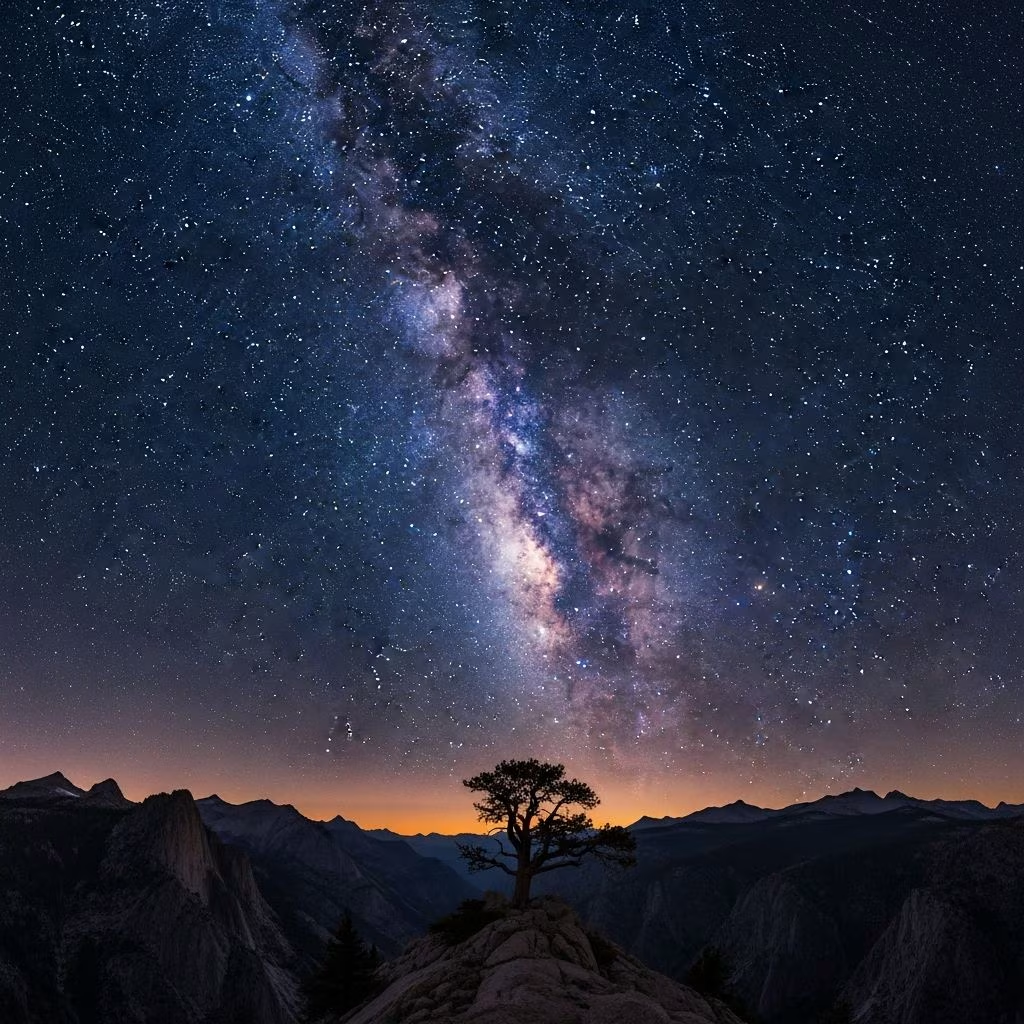
Light pollution from urban areas has dimmed our view of the cosmos for many, but scattered across the United States are havens where the night sky bursts with stars, planets, and galaxies. These **dark sky destinations** offer unparalleled opportunities to reconnect with the universe through stargazing. Certified by organizations like DarkSky International, these spots prioritize preserving natural darkness, making them prime for astronomy lovers, photographers, and anyone seeking serenity under the stars.
Why Dark Skies Matter in Modern Travel
In an era where over 80% of the world’s population lives under light-polluted skies, finding truly dark locations is a rare privilege. These areas not only enhance stargazing but also support nocturnal wildlife, reduce energy waste, and promote mental well-being. National parks and wilderness reserves lead the charge, with over 40 U.S. National Park Service sites recognized as International Dark Sky Places. Tools like the Dark Site Finder map help pinpoint the darkest zones using recent data from 2022, revealing Bortle Scale class 1 and 2 skies—ideal for naked-eye astronomy.
Travelers flock to these spots for meteor showers, the Milky Way’s glow, and even auroras in northern latitudes. High elevation, dry air, and remoteness amplify the experience, turning a simple night out into a profound celestial spectacle.
Top Western U.S. Dark Sky Hotspots
The West dominates dark sky rankings due to vast open spaces and arid climates. Here’s a curated selection:
- Great Basin National Park, Nevada: This remote gem in east-central Nevada boasts high elevation and low humidity for crystal-clear views. Designated an International Dark Sky Park in 2016, it hosts ranger-led astronomy programs from Memorial Day to Labor Day and an annual festival. Hike trails, explore Lehman Caves, or backpack under stars visible to the horizon.
- Black Canyon of the Gunnison National Park, Colorado: Dramatic 2,000-foot gorges create natural darkness, with some rims seeing just 33 minutes of daily sunlight. Strenuous hikes and trout fishing pair perfectly with evening stargazing. Permits are required for inner canyon trails.
- Joshua Tree National Park, California: An oasis amid Southern California’s glow, this park offers some of the region’s darkest nights. Iconic rock formations frame the Milky Way, with ample camping and climbing by day.
Comparison of Western Parks
| Park | Key Features | Best Activities | Dark Sky Status |
|---|
| Great Basin NP | High elevation, caves | Astronomy festivals, hiking | International Dark Sky Park |
| Black Canyon NP | Deep gorges, fishing | Strenuous hikes, stargazing | Certified Dark Sky Park |
| Joshua Tree NP | Desert landscapes | Climbing, camping | Dark Sky Park |
Exceptional Eastern and Southern Destinations
Don’t overlook the East Coast or South—surprises await where forests and seashores block artificial light.
- Cape Lookout National Seashore, North Carolina: Barrier islands accessible only by ferry provide east coast darkness. Spot wild horses, climb the 207-step lighthouse, and join Crystal Coast Stargazers events. Swimming and birding add daytime appeal.
- Katahdin Woods and Waters National Monument, Maine: Among the darkest skies east of the Mississippi, this 87,000-acre site overlooks Mount Katahdin. Canoe, hike, or fish amid pristine views of the Milky Way and Andromeda Galaxy.
- Big Cypress National Preserve, Florida: The first east-of-Colorado park certified as a Dark Sky Place, it contrasts swamps with stellar nights. Paddle through mangroves by day for a unique ecosystem backdrop.
Midwest and Northern Wilderness Gems
Northern forests offer solitude and expansive skies, especially in winter when longer nights prevail.
- Boundary Waters Canoe Area Wilderness, Minnesota: A million-acre Dark Sky Sanctuary since 2020, perfect for multi-day canoe trips. Winter dogsledding minimizes bugs, while sites like Baker Lake Campground (free) or Fall Lake ($20-24/night) suit all seasons.
- Glacier National Park, Montana: Summer astronomy programs illuminate the night alongside glaciers and wildlife. The Milky Way dazzles against rugged peaks.
- Voyageurs National Park, Minnesota: Houseboating under stars enhances this watery wilderness’s dark sky certification.
Southwest Stars: Texas and Beyond
Texas’s Big Bend region rivals anywhere, with observatory access and cheap camping.
- Big Bend National Park, Texas: Marathon Motel’s telescopes host nightly star parties for astrophotographers. Chisos Mountain Lodge ($170-210/night) or $14/night campgrounds provide bases.
- Death Valley National Park, California: Vast deserts yield naked-eye galaxy views, with low light pollution statewide.
Planning Your Stargazing Adventure
Maximize your trip with these essentials:
- Timing: New moon phases avoid moonlight interference. Annual events like Perseid meteors (August) or astronomy festivals draw crowds—book early.
- Gear: Red flashlights preserve night vision; binoculars or telescopes amplify views; apps like Stellarium guide constellations.
- Accommodations: Prioritize park lodges, cabins ($100-200/night), or campgrounds ($14-50/night). Remote sites like Hart Mountain Refuge in Oregon offer free primitive camping.
- Accessibility: Ferries for coastal spots; 4WD for backcountry. Check weather—clear, dry nights are best.
Preserving Dark Skies for Future Generations
DarkSky International certifies over 160,000 square kilometers worldwide, but threats persist. Support by using shielded lights, advocating locally, and visiting responsibly. Urban Night Sky Places like Saguaro National Park (certified 2023) show cities can adapt.
Stargazing FAQs
What is the Bortle Scale?
It measures sky darkness from 1 (pristine) to 9 (inner city). Aim for 1-3 for best Milky Way views.
Best time for stargazing?
Post-sunset in summer; winter for longer nights in the north. Avoid full moons.
Are permits needed?
Yes for some backcountry hikes or wilderness entry; check NPS sites.
Can I see the Northern Lights?
Possible in Glacier or Voyageurs during solar maximum cycles.
How to find certified dark sky places?
Use DarkSky.org’s finder or NPS lists.
These destinations transform ordinary trips into cosmic journeys. Whether hiking Nevada’s basins or paddling Minnesota’s lakes, America’s darkest skies await—pack your sense of wonder.


 Travel Essentials
 Travel Essentials