

 Travel Essentials
 Travel Essentials

Explore scenic natural attractions, historic towns, and outdoor activities within an hour of Austin with this comprehensive guide to the region's top destinations.
 Travel Essentials
Austin’s vibrant culture and modern attractions draw millions of visitors annually, but sometimes you need to venture beyond the city limits to experience what makes central Texas truly special. The region surrounding Austin offers an impressive array of destinations that showcase natural beauty, local history, and outdoor recreation opportunities. Whether you’re seeking cool waters to escape the Texas heat, scenic hiking trails through rolling landscapes, or charming small towns filled with character, the areas surrounding Austin deliver memorable experiences without requiring an extensive road trip.
One of the defining characteristics of the Austin region is its abundance of natural water features, from underground springs to scenic river systems. These water-based attractions provide respite during hot summer months and opportunities for swimming, paddling, and water sports throughout the year.
The Hill Country region is renowned for its crystalline swimming holes fed by underground springs. These natural formations occur when springs emerge from limestone geology, creating pools of stunning clarity and consistent cool temperatures. Approximately one hour from downtown Austin, you’ll find a particularly impressive natural swimming area that formed when an underground river collapsed, creating a dramatic curved limestone wall surrounding a deep pool of turquoise water. This destination attracts visitors who appreciate both swimming and photography opportunities, with the surrounding landscape providing scenic backdrops year-round.
Further west in the Wimberley Valley, two rivers converge to create a region dotted with multiple swimming opportunities. The Blanco River and Cypress Creek join near this charming town, and their confluence has resulted in several established swimming areas. One notable park in the vicinity features cypress trees and native flora, creating a natural amphitheater of vegetation surrounding the water. The area has earned recognition for its scenic beauty and family-friendly amenities, including picnic areas and shaded rest spots.
Beyond traditional swimming holes, the region offers opportunities for more adventurous water activities. One particular spring formation has become famous among diving enthusiasts due to its exceptional depth, attracting certified scuba divers who explore its underwater passages. The sheer vertical drop of this natural sinkhole formation creates a unique geological feature that extends far deeper than typical swimming holes.
For those preferring larger bodies of water and organized recreational activities, several lakes provide expanded options. A major reservoir located just west of the city serves as a recreational hub where visitors can rent watercraft, enjoy dining with scenic water views, and participate in water sports. Zip-lining operations near this lake add an adrenaline component for those seeking adventure above the water.
Another prominent water destination approximately one hour from downtown offers excellent camping facilities and spans miles of pristine shoreline. This state park maintains affordable entrance fees and provides both day-use and overnight options for visitors. The well-maintained facilities include water access points, campsites, and recreational trails that follow the waterfront.
Beyond natural attractions, the Austin region hosts several small towns that reflect Texas history and culture. These communities offer shopping, dining, and cultural experiences that appeal to visitors seeking authentic small-town atmospheres.
Approximately 30 minutes north of Austin, one historic community features a well-preserved downtown district filled with local businesses, restaurants, and shops. The town’s historic character attracts visitors interested in exploring preserved architecture and supporting local commerce. For those with academic interests, the town is home to one of Texas’s best-preserved cave systems, discovered over 10,000 years ago. These caverns have yielded prehistoric discoveries and remain one of the few locations where such artifacts have been documented.
This same region offers another unique attraction for those interested in natural phenomena. A local observatory provides opportunities to observe celestial features using research-grade telescopes. Visitors can view planets, distant stars, and lunar details with equipment far superior to consumer-grade instruments.
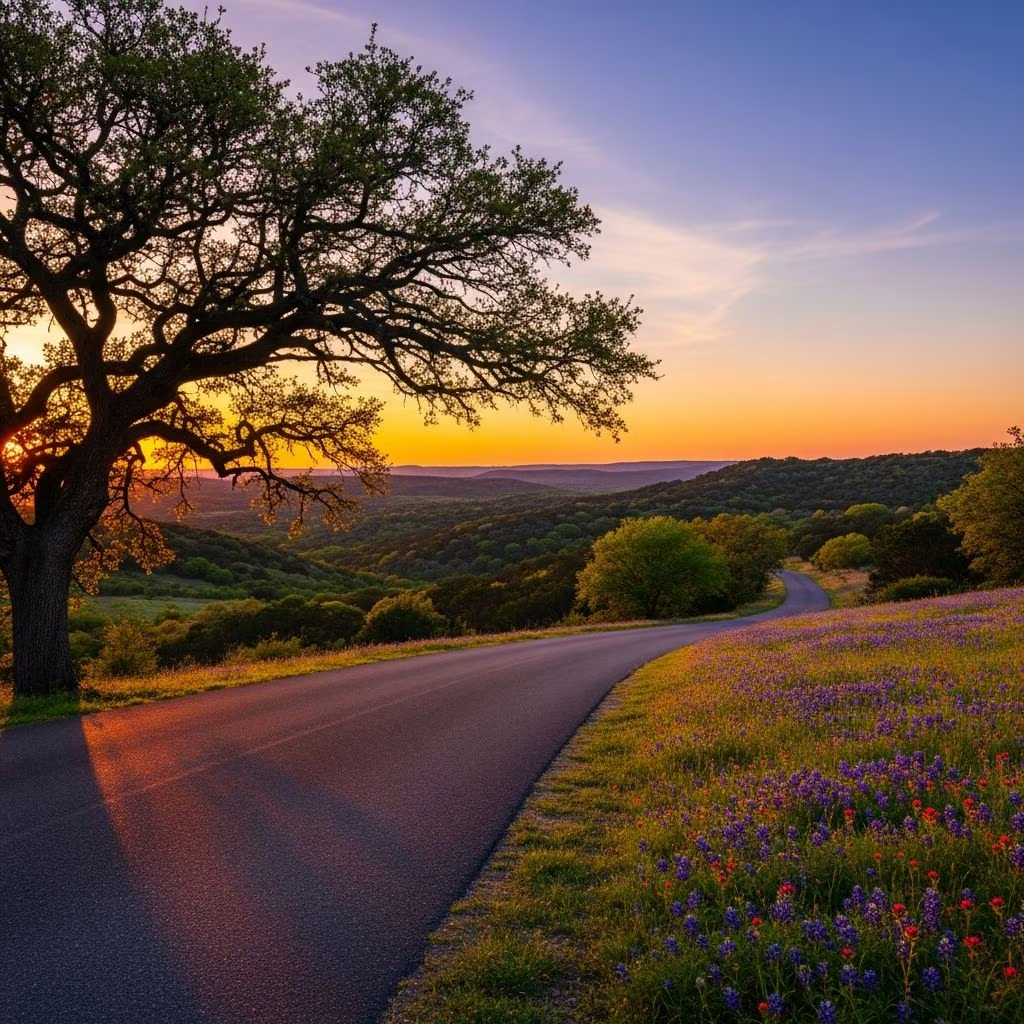
West of Austin, a small community approximately 35 minutes away has earned recognition for its emphasis on Hill Country aesthetics and artisanal products. The area attracts visitors seeking a more relaxed pace and opportunities to experience local craftsmanship. The surrounding landscape exemplifies the Hill Country aesthetic that makes central Texas distinctive.
Another community about 45 minutes from downtown has gained fame for hosting Texas’s oldest dance hall, a venue that has featured performances by legendary country music artists for decades. The historic structure maintains its original character while continuing to host live music performances, creating a time-honored entertainment experience. The town’s location near river recreation areas makes it ideal for combining water activities with evening entertainment.
The region surrounding Austin contains multiple state parks offering diverse landscapes and recreational opportunities. These protected areas preserve Texas’s natural heritage while providing accessible outdoor experiences.
Located approximately two hours northwest of Austin, one of the region’s most popular natural attractions features distinctive pink granite formations rising significantly above the surrounding landscape. This state natural area encompasses 425 feet of vertical relief, providing excellent vantage points for observing the Hill Country panorama. The distinctive pink granite rocks have become iconic symbols of the region, and the area supports various recreational pursuits including hiking at different difficulty levels, rock climbing and bouldering, and camping for those wishing to extend their visit. The park maintains an affordable entrance fee and welcomes children under 12 at reduced rates.
Another state park approximately one hour away features extensive trail networks with excellent shade coverage and well-maintained pathways. The park operates one of the region’s most budget-friendly fee structures and provides bike rental services for visitors wishing to explore the extensive trail system. The combination of accessible pathways and water activities including kayaking, tubing, and swimming creates options for varied fitness levels and interests.
Beyond the primary natural and historic destinations, the region offers several distinctive attractions that provide memorable experiences not found in typical tourism destinations.
One working agricultural facility approximately 45 minutes from downtown operates as the nation’s largest actively cultivated wildflower farm. Visitors can participate in seasonal flower picking, creating custom bouquets of native Texas wildflowers. The operation provides both educational value regarding regional flora and a hands-on experience with natural plant communities.
Within a charming town approximately one hour distant, a community art initiative features 50 oversized boot sculptures created by different artists and positioned throughout the town. This “Bootiful” walking trail provides a whimsical exploration opportunity that combines art appreciation with discovery of local businesses, wineries, and dining establishments. The installation has become a notable photo opportunity and cultural touchstone for the community.
| Destination Type | Approximate Distance | Best For | Key Activities |
|---|---|---|---|
| Swimming Holes | 30-60 minutes | Summer cooling, photography | Swimming, picnicking, water photography |
| State Parks | 1-2 hours | Outdoor recreation, hiking | Hiking, camping, trail biking |
| Historic Towns | 30-45 minutes | Shopping, dining, cultural exploration | Browsing local shops, dining, entertainment |
| Water Recreation Lakes | 30-60 minutes | Boating, water sports | Jet skiing, paddling, sunset dining |
| Specialty Attractions | 45-90 minutes | Unique experiences, photo opportunities | Flower picking, art exploration, cave tours |
The Austin region experiences distinct seasonal patterns that influence travel planning. Summer months bring intense heat, making water-based destinations particularly appealing, though afternoon thunderstorms occasionally disrupt outdoor plans. Fall and spring offer ideal temperatures for hiking and outdoor exploration, with spring bringing wildflower blooms that particularly benefit botanical attractions. Winter temperatures rarely reach freezing at lower elevations, though higher Hill Country areas may experience occasional snow.
Strategic planning can allow visitors to experience multiple attractions within a single day. The proximity of certain destinations means that morning activities at one location can be followed by afternoon exploration of nearby communities. For example, water recreation can precede evening entertainment in adjacent towns, or hiking experiences can be combined with shopping and dining in charming downtown areas.
The Austin region’s diversity of attractions means that visitors with different interests and activity levels can find engaging experiences. Whether you prioritize natural wonders, cultural exploration, or recreational activities, destinations within an hour or two of downtown Austin provide compelling reasons to venture beyond the city. The combination of accessible distance, well-developed infrastructure, and varied attractions makes the surrounding region an essential component of any Austin visit. By planning ahead and considering seasonal factors, you can craft memorable experiences that showcase why central Texas has become an increasingly popular travel destination. The region’s natural features, historic character, and recreational opportunities create a compelling tapestry of experiences that complement Austin’s urban attractions and provide genuine escape into the Texas landscape that shaped the state’s identity.
