

 Travel Essentials
 Travel Essentials

Uncover must-visit destinations surrounding Gothenburg featuring historic estates, archipelago adventures, and artistic communities perfect for day excursions.
 Travel Essentials
Gothenburg serves as an excellent base for discovering the diverse attractions scattered throughout the surrounding region. Whether you seek historical architecture, natural beauty, or cultural experiences, the areas surrounding this vibrant Swedish coastal city offer remarkable opportunities for memorable day excursions. The accessibility of these destinations—most reachable within an hour via car or public transportation—makes them ideal for travelers wanting to venture beyond the urban center while maintaining convenient logistics.
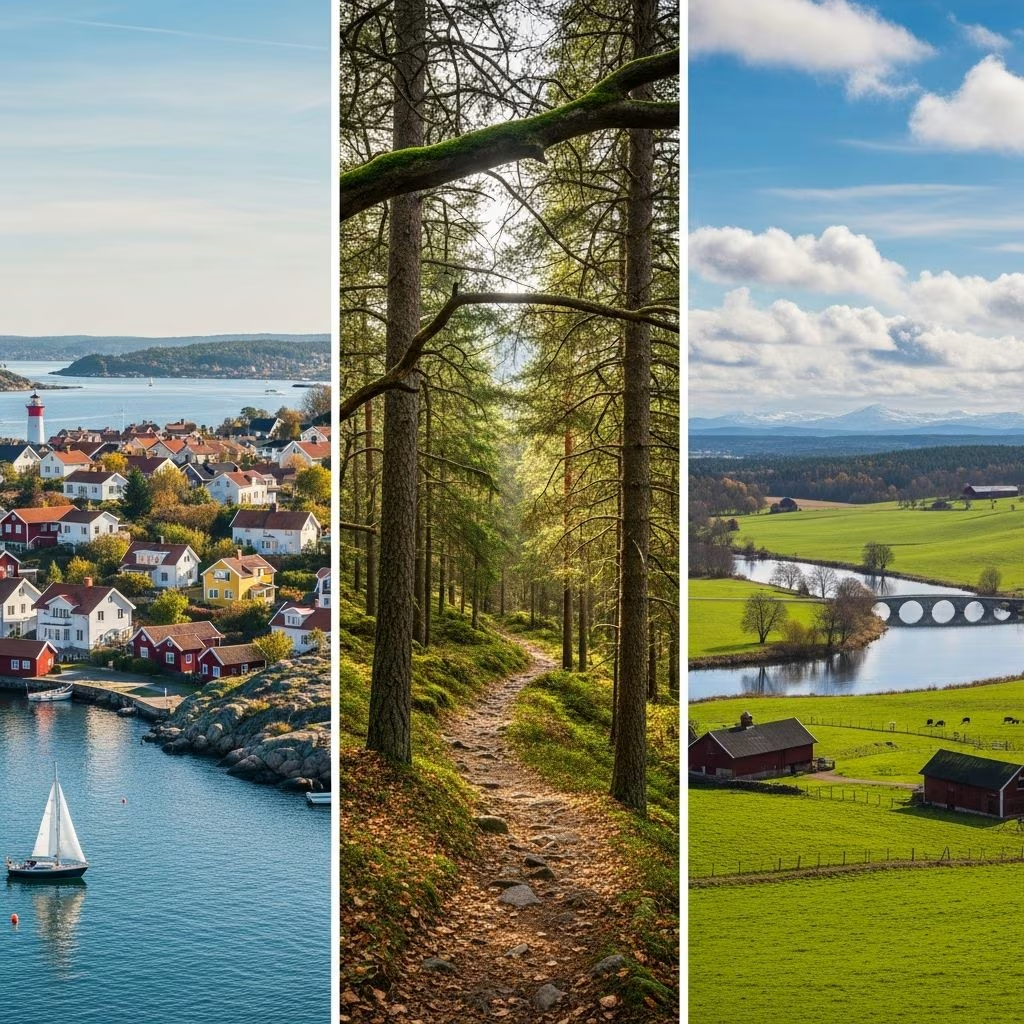
The waters surrounding Gothenburg reveal one of Sweden’s most distinctive geographical features: an extensive archipelago comprising thousands of islands ranging from tiny skerries to substantial landmasses. Exploring this maritime landscape provides visitors with an authentic connection to the region’s natural heritage and local character.
The archipelago presents numerous opportunities for boat-based exploration. Guided tours depart regularly from central departure points, with experienced captains navigating through the narrow channels and scenic waterways that define this coastal region. These aquatic journeys offer passengers panoramic views of rocky outcrops, forested shores, and charming waterfront settlements.
One particularly notable destination accessible by water is Vinga, an iconic lighthouse island positioned at the western extremity of the archipelago. This remote location, seemingly standing sentinel over the expansive North Sea, combines historical significance with natural majesty. Visitors can participate in guided tours that illuminate the island’s fascinating past while providing opportunities to ascend the lighthouse structure for elevated perspective across the waters. The dramatic sunset viewing from this location has become legendary among photographers and nature enthusiasts.
For those desiring extended stays, cottage rental facilities on several islands provide comfortable overnight accommodations, transforming a simple day trip into a more immersive retreat. These simple dwellings allow guests to experience island life at a leisurely pace, awakening to maritime vistas and spending entire days exploring shorelines and natural trails.
Located approximately twenty minutes by boat from the central boarding area, Brännö Island has undergone a cultural renaissance in recent years. A historic shipyard dating to 1949 has transformed into a contemporary venue for musical performances and social gatherings. During summer months, this waterfront location hosts concerts featuring local musicians, creating an informal yet vibrant entertainment atmosphere where both permanent residents and seasonal visitors converge.
The shipyard’s adjoining restaurant and bar establishment provides refreshment options while maintaining the relaxed ambiance characteristic of island life. For visitors preferring to remain overnight, bed-and-breakfast accommodations operate within the vicinity, eliminating the necessity of returning to the mainland after evening festivities conclude.
The region surrounding Gothenburg contains several remarkable examples of 18th-century architectural achievement and landscape design. These estates reflect the prosperity of wealthy merchant families and the aesthetic preferences of the Georgian era.
Situated in the neighboring municipality of Mölndal, accessible via direct bus service from central Gothenburg, Gunnebo Slott exemplifies the sophisticated lifestyle maintained by affluent families during the late 1700s. Constructed in 1778 as a summer residence, this elegant structure and its surrounding gardens have undergone meticulous restoration efforts that faithfully recreate the original aesthetic intentions.
The estate encompasses multiple functional spaces reflecting the era’s complex household organization. The greenhouse demonstrates the horticultural interests of the period, while the kitchen garden reveals the culinary preferences and preservation techniques employed before modern refrigeration. Walking through these spaces provides tangible understanding of daily life among the Swedish gentry.
A notable feature is the on-site café, which operates with remarkable historical consciousness. Rather than serving generic refreshments, the establishment prepares sandwiches and baked goods utilizing produce cultivated within the estate’s gardens. This approach creates a direct connection between visitors and the agricultural systems that sustained the original inhabitants, offering a culinary experience grounded in historical authenticity.
Beyond Mölndal lies Tjolöholm Slott, another significant castle representing the architectural ambitions of Swedish nobility. These estates collectively demonstrate the widespread prosperity of the region during particular historical periods and the importance accorded to country retreats among the social elite.
Exploring Gothenburg itself via water-based routes provides unexpected perspectives on the city’s development and character. The network of canals and waterways that traverse the urban landscape reveals historical narratives and geographical features invisible from street-level observation.
Specialized boats operate guided tours through the city’s waterway system, with trained narrators providing historical context and architectural observations. These excursions function as mobile museums, with passengers gaining comprehensive understanding of Gothenburg’s development, cultural significance, and relationship with maritime commerce.
These tours prove particularly valuable for visitors early in their stays, as they establish geographical orientation and introduce key historical themes that contextualize subsequent independent exploration. The relaxed pace of water-based travel allows for detailed observation of waterfront structures and urban landscapes that might be overlooked during conventional walking tours.
Beyond traditional historical attractions, the region hosts vibrant centers of artistic and craft production where contemporary creators maintain studios and commercial spaces.
Located south of central Gothenburg, Spinneriet Lindome occupies a converted spinning factory that has been reimagined as a creative community. Multiple artists, craftspeople, and designers maintain individual studios and retail spaces within the historic structure, creating an environment where visitors can observe creative processes and acquire original works directly from producers.
The venue proves particularly appealing to individuals interested in interior decoration, textile arts, and graphic design. Whether seeking distinctive furnishings for residential spaces or contemporary artistic pieces, visitors encounter authentic creative work rather than mass-produced merchandise. The opportunity to interact directly with designers and artisans adds educational and personal dimensions to the shopping experience.
The site includes Lilla Spinneriet, a restaurant specializing in seasonal cuisine prepared from regional ingredients. Meals consumed here complete the cultural experience, as dining integrates aesthetic appreciation with gastronomic enjoyment.
The surrounding region offers several notable establishments where food quality and regional specialization create destinations worthy of dedicated visits.
Between major attractions, travelers encounter smaller establishments that provide memorable culinary encounters. Cafés operating across the archipelago often combine multiple functions—simultaneously serving as dining establishments, bakeries, and retail shops. These multipurpose venues frequently employ local suppliers and emphasize seasonal availability, creating menus that reflect contemporary agricultural conditions.
Certain proprietors have achieved regional recognition for specialized expertise. Cheese merchants and artisanal producers maintain operations that merit special visitation, as their products and knowledge represent concentrated expressions of regional culinary traditions and food craftsmanship.
The coastline and natural areas surrounding Gothenburg provide diverse recreational opportunities for visitors seeking active engagement with the landscape.
The archipelago’s rocky shorelines interspersed with sandy beaches create varied conditions for water-based recreation. Visitors can locate secluded swimming areas by exploring walking trails that traverse island interiors and coastal edges. Many locations feature dramatic cliff formations offering both aesthetic appeal and recreational opportunities for swimmers confident in natural water conditions.
Accompanying such activities, visitors should consider provisions for extended time outdoors. Packed meals and beverages allow for leisurely enjoyment of natural settings without dependency on limited commercial facilities available across the archipelago. Several established restaurants operate year-round, providing warm-weather alternatives to picnic-based dining.
| Destination Type | Recommended Duration | Best Season |
|---|---|---|
| Historical Estates | 2-3 hours | Spring through autumn |
| Island Exploration | Full day | Late spring through early autumn |
| Creative Communities | 2-4 hours | Year-round |
| Water-Based Tours | 1-3 hours | Spring through autumn |
Most significant attractions lie within 30 to 60 minutes of central Gothenburg via standard transportation. Island destinations accessible by boat typically require 20 to 45 minutes of water travel from departure points. Farther castles and specialized destinations may require up to two hours of travel time from the city center.
Major destinations typically provide English-language information and guided tours, though confirmation beforehand is advisable. Smaller independent businesses may operate with Swedish-only staff, though Swedish service workers frequently speak English conversationally.
Appropriate attire for variable weather conditions, sun protection, suitable footwear for potentially uneven terrain, and provisions for full-day outdoor activities prove essential. Water conditions remain cool even during summer months, and swimmers should consider thermal protection for extended water immersion.
Many destinations maintain limited winter schedules or close seasonally. Summer months from late May through August represent peak operating periods for most venues. Winter visitors should verify specific operating hours and seasonal accessibility before planning visits.
Strategic routing allows visitors to combine multiple destinations within single excursions. Island visits can integrate multiple stops across different locations, while route planning enables sequential visits to castles, creative centers, and natural attractions within reasonable timeframes.
The Swedish climate significantly influences regional exploration possibilities. Late spring through early autumn represents the optimal period for comprehensive archipelago exploration, with extended daylight hours and reliable weather patterns. Winter months introduce challenges including shortened daylight duration, reduced transportation frequency, and occasional weather-related service disruptions. However, winter landscapes possess distinctive beauty, and fewer visitors allow for more intimate engagement with natural environments.
Spring emergence of vegetation transforms landscapes from winter dormancy to renewed vitality. Summer provides warm water temperatures suitable for swimming and ensures maximum operational capacity across all commercial facilities. Autumn offers spectacular color transformations and generally pleasant conditions before winter weather establishes.
