

 Travel Essentials
 Travel Essentials

Venture beyond Kyoto's temples to experience deer-filled parks, mountain villages, lakeside shrines, and historic castles. Find your perfect day trip within easy train access.
 Travel Essentials
Kyoto stands as Japan’s cultural heart, but the region surrounding this ancient capital offers equally compelling attractions that deserve exploration. Within an hour or two by train, travelers can access centuries-old temples, wildlife sanctuaries, charming coastal towns, and mountain villages that reveal different facets of Japanese heritage and natural beauty. These accessible excursions complement a Kyoto visit perfectly, allowing visitors to experience the country’s diverse landscapes and cultural traditions without requiring extensive travel logistics.
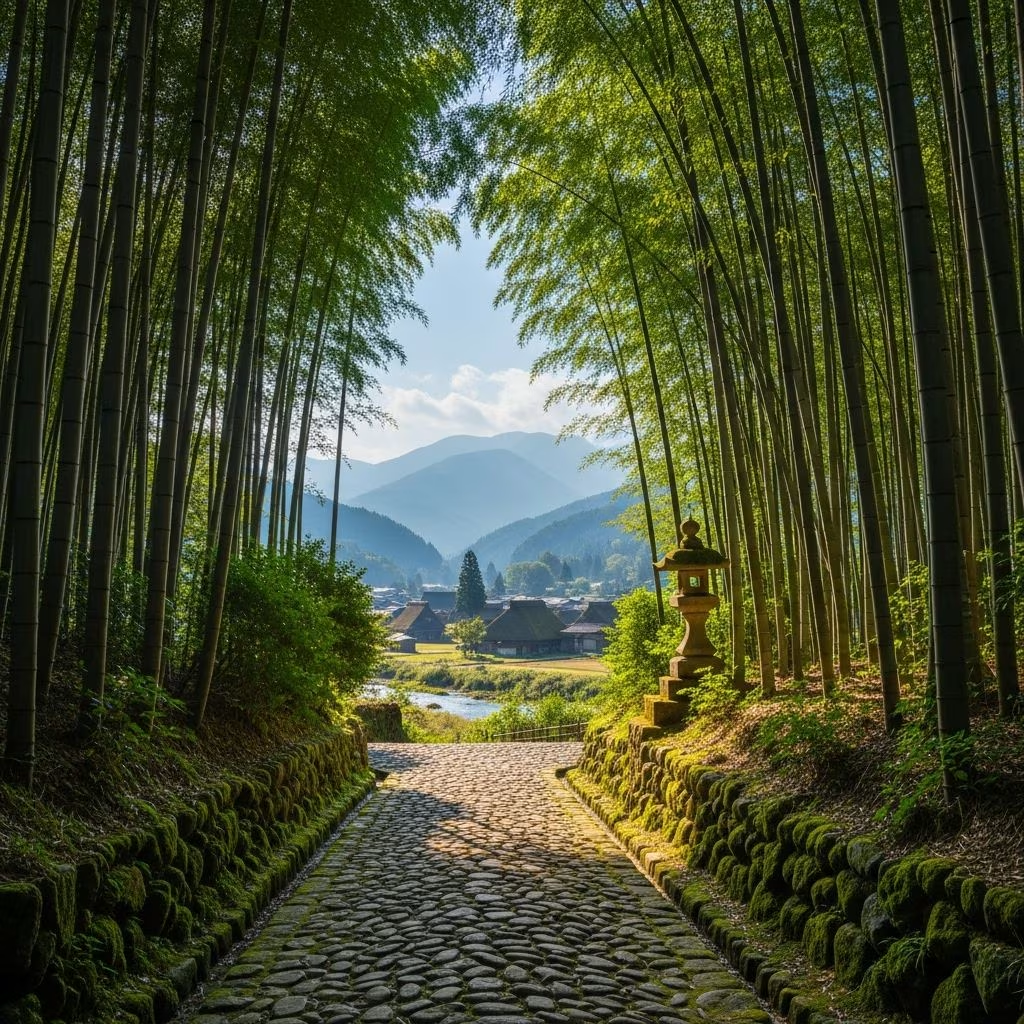
The northern hills surrounding Kyoto harbor some of the region’s most tranquil destinations, accessible via the Eizan Line for a scenic 30-minute journey. These rural communities showcase traditional architecture and offer visitors opportunities to experience rural Japanese life removed from urban environments.
Two villages in particular stand out for their complementary appeal. Kibune and Kurama occupy adjacent mountain terrain, creating an ideal pairing for a comprehensive half-day exploration. The typical itinerary begins with a train arrival in Kibune, where visitors access the free Kifune Shrine through a pleasant 25-minute uphill walk alongside the main road (bus service also available). The shrine overlooks the village with serene dignity, providing peaceful respite from city energy.
From Kifune Shrine, most visitors continue toward Kurama-dera temple, positioned higher on the mountainside. The entrance fee of 500 yen grants access to temple grounds and initiates a 40-minute mountain traverse. This section challenges hikers with steep uphills and numerous steps, though the reward involves root-covered trails beneath towering trees interspersed with small shrines. Proper footwear with reliable grip becomes essential here. Upon reaching Kurama-dera, visitors discover a temple perched dramatically on the mountainside, offering panoramic views toward the valley below.
The descent toward Kurama village consumes approximately 25 minutes of easy downhill walking. This village provides an ideal lunch location, particularly for visitors seeking shojin ryori—Buddhist vegetarian cuisine that reflects temple traditions. After dining, the return train ride from Kurama Station completes the circuit, taking visitors back to central Kyoto.
Nara represents the most frequently chosen day trip from Kyoto, accessible through straightforward rail connections. This former imperial capital, which served as Japan’s seat of power from 710 to 784, preserves Buddhist temples designated as UNESCO World Heritage sites. The journey via JR Nara Line from Kyoto Station runs directly to Nara Station, eliminating transfer complications.
The primary focus for day-trip visitors centers on Nara Park, a vast leafy expanse where hundreds of semi-tame deer roam freely. These animals tolerate human interaction and even accept food offerings, creating memorable photo opportunities. Beyond wildlife encounters, the park contains several temples meriting exploration.
Todai-ji Temple houses perhaps Nara’s most famous attraction: the Daibutsuden, or Great Buddha Hall. This structure ranks among the world’s largest wooden buildings, containing an enormous Buddha statue that dominates the interior. The 800 yen entrance fee grants access to this extraordinary space, though crowds can become substantial during peak hours. Kasuga Taisha Shrine, located deeper within the park, offers a distinctly different aesthetic—a Shinto shrine spreading through forested terrain adorned with thousands of stone and metal lanterns. The paid section (500 yen) justifies the admission cost through its unique atmosphere.
Kofuku-ji temple complements these visits with its distinctive five-story pagoda, representing some of the oldest surviving wooden architecture on Earth. Visitors typically allocate three to four hours for a satisfying Nara experience, allowing time to explore multiple sites without excessive rushing.
Lake Biwa, Japan’s largest freshwater lake, lies immediately northeast of Kyoto’s city center within Shiga Prefecture. The lake’s western shore, particularly around Takashima town, provides an appealing alternative for visitors seeking water-centric exploration combined with religious architecture.
Shirahige Shrine occupies a unique position on the lake, creating an appearance of floating on water—offering visitors an alternative to traveling all the way to Hiroshima for similar shrine experiences. While Takashima itself merits a full day’s visit, most travelers combine it with complementary lakeside destinations.
Otsu Station provides access to two particularly notable attractions. Enryaku-ji temple, despite possessing a turbulent historical past, rewards visitors with stunning lake vistas from elevated positions. Nearby Ukimido pavilion similarly offers distinctive water views. For visitors prepared for more extensive exploration, counter-clockwise journeys around the lake introduce historic castle towns including Nagahama and Hikone, each possessing distinct character and architectural heritage. The former samurai town of Omi-hachiman provides additional historical interest along this route.
Nagahama particularly appeals to spring visitors, as its castle and surrounding park become popular cherry blossom viewing locations. The small-town atmosphere, located less than 40 minutes from Kyoto Station, maintains a casual and welcoming character that contrasts with urban intensity.
Japan’s feudal history materializes through several castle destinations accessible from Kyoto. Himeji Castle stands as perhaps the most spectacular example, representing a complete samurai-era fortress with complex architecture and strategic positioning. The Shinkansen (bullet train) provides rapid transportation, connecting Kyoto to this destination in manageable timeframes.
A particularly effective itinerary combines Himeji with an afternoon excursion to Kobe, a coastal city providing entirely different urban character than inland Kyoto. This combination involves a morning at Himeji Castle, followed by Shinkansen transit to Shin-Kobe Station. From there, a downhill walk through Kitano-cho—a historic district featuring Western-style architecture from Japan’s modernization period—leads toward Sannomiya, Kobe’s de facto city center. This route transforms transportation into its own sightseeing experience while transitioning between distinctly different Japanese environments.
For visitors prioritizing physical activity and natural scenery, several mountain paths provide accessible day-hiking opportunities. The Nakasendo Trail, an historic route connecting Kyoto and Tokyo through mountain terrain, offers sections manageable within a single day.
The Magome to Tsumago section represents the most popular hiking portion, encompassing approximately 5 miles (8 kilometers) requiring 2.5 to 3.5 hours depending on individual pace. This route showcases rural Japanese landscapes while incorporating cultural elements, providing perspective on traditional trade route infrastructure. The relatively easy grade makes it accessible to hikers of varying experience levels.
West of Kyoto, the Takao to Hozukyo mountain descent combines forest immersion with cultural attractions. This path incorporates two significant temples within its routing, passes alongside crystal-clear streams, and culminates at a waterfall creating magical atmosphere. The entire journey can compress into a manageable day excursion for hikers seeking more substantial physical challenges than village circuits provide.
Beyond primary destinations, several locations merit consideration for visitors with specialized interests. Uji, south of Kyoto, centers on tea cultivation and traditional pottery—appealing particularly to craft enthusiasts. Kanazawa offers historical depth rivaling Kyoto itself, though requiring longer travel times. Osaka delivers urban intensity contrasting sharply with Kyoto’s spiritual atmosphere, containing energetic food districts and contemporary entertainment.
Mountain retreats like Koyasan, though sometimes considered day-trip options, genuinely reward overnight or weekend visits. Hiking to the summit requires 5 to 7 hours, making same-day returns impractical for most visitors. Temple accommodation (shukubo) within Koyasan allows spiritual immersion while exploring surrounding attractions including Nachi Taisha with its famous waterfall pagoda.
Rail connectivity fundamentally enables Kyoto’s position as a regional exploration hub. The JR Nara Line, Eizan Line, and Shinkansen network collectively provide rapid, reliable access to destinations across the region. Most primary attractions lie within one to two hours of central Kyoto, maintaining flexibility for single-day excursions.
Planning effectively involves assessing personal interests—whether cultural, natural, or historical—and aligning with seasonal conditions. Spring cherry blossom season transforms castle parks and certain villages, while summer lake recreation appeals to water enthusiasts. Mountain destinations offer distinct advantages during autumn foliage season. Winter traveling requires warmer clothing, particularly for elevated locations.
Footwear selection deserves attention, particularly for mountain villages or hiking routes. Quality walking shoes with reliable grip handle root-covered trails, stone pathways, and potentially wet conditions. Temple entrances often require shoe removal, encouraging slip-on styles or quick-change systems. Modest clothing respects religious sites, particularly when entering active temples or shrines.
Half-day trips suit mountain village combinations like Kibune and Kurama, occupying three to four hours effectively. Full-day itineraries accommodate multiple Nara temples, lake circuit exploration, or substantial hiking. Particularly ambitious travelers combine two destinations—Himeji Castle morning visits with Kobe afternoon exploration illustrate this approach effectively.
Early morning departures maximize available daylight and allow avoidance of peak crowd periods at popular sites. Afternoon or evening returns provide flexibility for unrushed exploration and reduce transportation pressure. Many temples and shrines close by late afternoon, necessitating strategic timing for comprehensive coverage.
Nara typically appeals to first-time visitors seeking concentrated cultural and wildlife experiences. The straightforward rail access, multiple notable temples, and unique deer population create comprehensive introduction to regional heritage within manageable timeframes.
Mountain village circuits demand only basic fitness. The Kibune to Kurama route includes steep sections but poses no technical challenges. Proper footwear matters more than climbing experience. Visitors unaccustomed to elevation should anticipate some physical exertion, particularly during uphill sections.
Most day-trip destinations operate on casual walk-in basis without advance reservations. Peak seasons (spring cherry blossoms, autumn foliage) can create crowds but rarely necessitate pre-booking. Temple accommodation at places like Koyasan requires advance planning, but day-trip temple visits generally remain flexible.
Major rail stations and popular tourist destinations provide English signage and staff support. Smaller villages present greater language challenges but remain navigable with translation applications and basic courtesy gestures. Tourist information centers in Kyoto provide pre-trip guidance and materials.
