

 Travel Essentials
 Travel Essentials

Explore accessible day trips from London featuring historic landmarks, picturesque villages, and seaside destinations perfect for weekend adventures.
 Travel Essentials
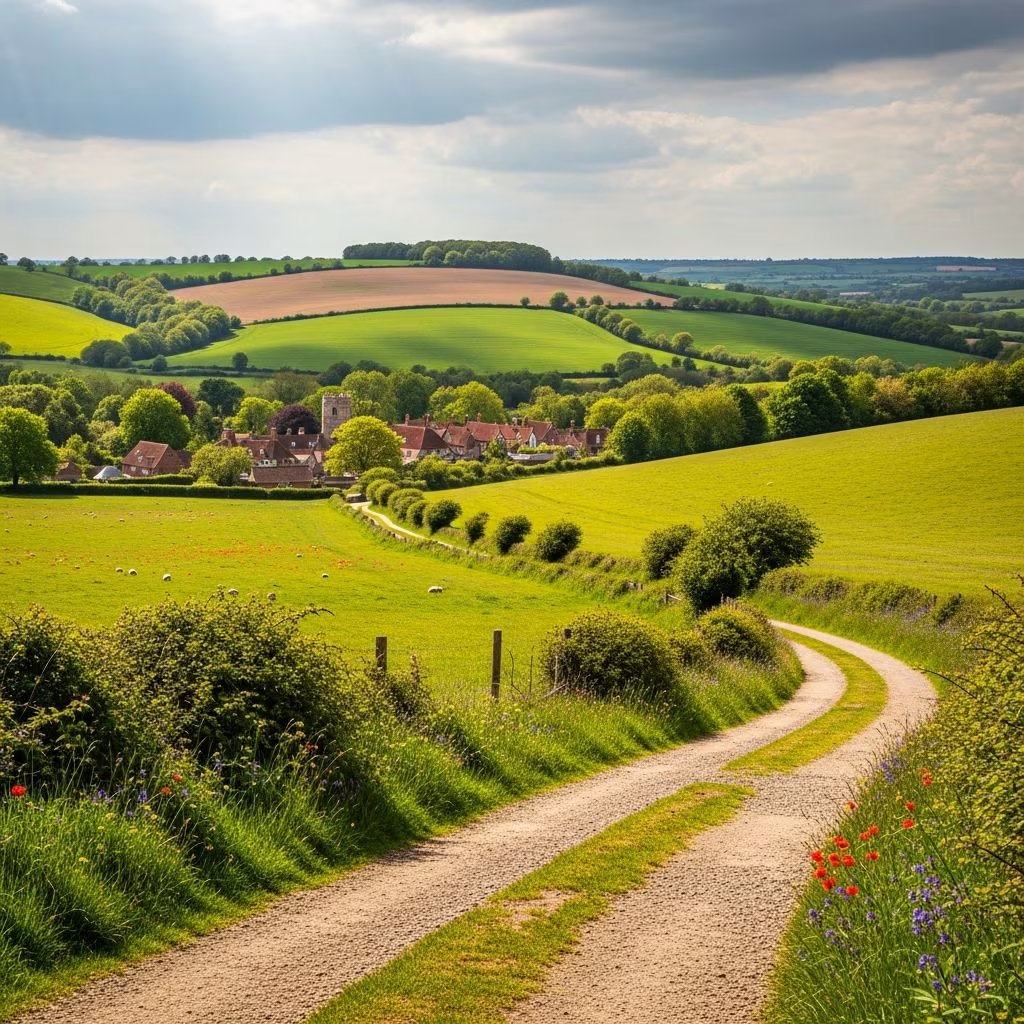
London is undoubtedly one of Europe’s most vibrant cities, yet its surrounding regions offer equally compelling reasons to venture beyond the capital. Within an hour or two of travel, visitors can access centuries-old fortifications, charming market towns, prestigious universities, scenic coastlines, and rolling countryside dotted with historic estates. Whether you’re seeking cultural enrichment, natural beauty, or simply a change of pace, the areas surrounding London provide diverse options for meaningful day excursions.
England’s castles represent more than architectural achievements—they tell stories of power, intrigue, and cultural evolution spanning centuries. Several world-class examples lie within convenient reach of London, making them ideal for day visitors.
Windsor Castle stands as one of Europe’s most recognizable royal residences, perched majestically along the River Thames. The castle’s extensive grounds and opulent interiors provide hours of exploration, from state rooms to the exquisite St. George’s Chapel. Windsor’s compact size allows visitors to experience this fortress thoroughly within a single day, with additional time available for riverside walks or visits to charming local shops.
Hampton Court Palace represents a different facet of royal history. Originally built by Cardinal Wolsey before becoming Henry VIII’s favored residence, the palace showcases Tudor and later architectural styles. Its famous maze, extensive gardens, and ornate interior spaces make it a destination where families and history enthusiasts alike can spend entire days discovering new details.
For those interested in more intimate castle experiences, Leeds Castle offers a sophisticated alternative. Despite its name, this Kentish fortress overlooks serene lakes and manicured grounds rather than urban sprawl. The castle’s evolution from Norman fortress to luxury residence demonstrates how English aristocracy adapted their strongholds across centuries.
Hever Castle, childhood home of Anne Boleyn, combines architectural interest with compelling historical narratives. The castle’s medieval origins, Tudor period significance, and later enhancements by American industrialist William Waldorf Astor create layers of historical intrigue for visitors.
For those seeking National Trust properties, Knole near Sevenoaks showcases an enormous country house set within a vast deer park. Its 365 rooms, one for each day of the year according to tradition, contain exceptional art collections spanning centuries of English aristocratic taste.
Cambridge and Oxford represent more than educational institutions—they are living museums where intellectual achievement intertwines with architectural splendor across centuries.
Cambridge presents itself as a town seemingly built for contemplation. Located approximately an hour north of London by train, this university city invites leisurely exploration of its colleges, each possessing distinctive character and historical significance. The Backs, a series of pastoral landscapes behind the colleges along the River Cam, offer serene contrasts to urban bustle. Punting down the river remains a quintessential Cambridge experience, providing unique perspectives of bridges, gardens, and college architecture. The city center contains excellent restaurants, independent bookshops, and pubs where scholarly traditions persist.
Oxford similarly rewards visitors with diverse attractions beyond its famous university. The city’s architectural heritage extends from medieval colleges to Georgian townhouses, while museums and galleries offer cultural depth. Oxford’s compact central area becomes manageable on foot, though each college merits individual exploration. The surrounding countryside provides opportunities for riverside walks and visits to nearby villages.
Beyond castles, England’s countryside contains remarkable houses reflecting centuries of evolving wealth, taste, and architectural philosophy.
Blenheim Palace represents English Baroque at its most grandiloquent. This vast estate near Oxford combines magnificent architecture with expansive grounds designed by Capability Brown. The palace’s connection to Winston Churchill adds political historical dimensions to its architectural significance.
Highclere Castle, famous as the filming location for the television series Downton Abbey, attracts visitors interested in both architectural history and contemporary cultural references. The castle’s red-brick Victorian Gothic style and surrounding parkland create photogenic settings.
Petworth House contains one of England’s finest art collections within a building designed to complement rather than overpower its treasures. This National Trust property appeals particularly to art enthusiasts and those appreciating understated elegance.
London’s proximity to the English coast provides accessibility to diverse seaside experiences, from traditional Victorian resorts to bohemian contemporary destinations.
Brighton represents the most established seaside destination accessible from London. Its Victorian pier, pebble beach, and vibrant cultural scene attract diverse visitors. The city’s reputation for progressive attitudes, excellent restaurants, and eclectic shops complement its traditional seaside attractions.
Margate has experienced remarkable transformation from faded resort to cultural hub. The Turner Contemporary gallery showcases contemporary art in a waterfront setting, while vintage shops, amusement parks, and independent cafes reflect the town’s reinvention. Its description as “Shoreditch-on-Sea” captures how creative communities have revitalized this Kentish coastal town.
Whitstable combines working fishing village character with contemporary cultural vitality. Known for its oyster fishing heritage, the town maintains authentic maritime atmosphere while attracting visitors seeking fresh seafood and coastal walks.
The Seven Sisters near Eastbourne presents dramatic natural scenery rather than beach culture. These chalk cliffs rising above the English Channel offer spectacular hiking opportunities, with walks ranging from leisurely coastal strolls to more ambitious clifftop traverses. The nearby Victorian town of Eastbourne provides traditional seaside amenities.
Dover combines historical significance with natural drama. Dover Castle’s strategic position and extensive fortifications reflect centuries of military importance, while the famous white cliffs create iconic visual imagery. However, combining castle visits with clifftop walks requires early starts and careful time management.
Beyond specific destinations, entire regions offer distinctive landscape and village experiences central to English rural identity.
The Cotswolds encompasses a vast area of honey-colored limestone villages, rolling hills, and market towns. Rather than single focal points, Cotswold exploration involves discovering charming villages, visiting local pubs, browsing antique shops, and walking between settlements. Notable villages include Stow-on-the-Wold, with its market square and antique shops; Bibury, famous for its picturesque cottages; and Bourton-on-the-Water, named for its gentle stream running through the village center.
The Surrey Hills provide more intimate countryside experiences within closer proximity to London. Rolling terrain, working vineyards, woodland walks, and quaint villages create pastoral environments ideal for active day visitors seeking natural scenery rather than specific attractions.
Rye in East Sussex preserves medieval character through narrow streets, ancient buildings, and elevated position overlooking coastal marshlands. The town combines historical atmosphere with contemporary galleries and excellent restaurants, appealing to visitors seeking cultural atmosphere alongside historic ambience.
Canterbury has served as pilgrimage destination for centuries, its cathedral remaining a masterpiece of Gothic architecture. Beyond religious significance, the town contains medieval streets, the Marlowe Theatre, and museums exploring local history.
Winchester, England’s ancient capital, contains exceptional cathedral architecture and archaeological remains. The city’s riverside location, historic high street, and museums dedicated to heritage and art create layered cultural experiences. Jane Austen’s connection to the city attracts literary enthusiasts.
St. Albans holds distinction as London’s quickest accessible day trip, reachable in just twenty minutes by train. Despite proximity to the capital, the town maintains distinctive character, featuring its magnificent cathedral, Roman ruins, and traditional English high street.
Beyond traditional heritage tourism, several destinations cater to particular visitor interests:
Most London day trips rely on rail connections offering frequency, reliability, and direct routing to destination town centers. Major train terminals serving outbound routes include King’s Cross, St. Pancras, Waterloo, London Bridge, and Charing Cross, each serving different geographic directions.
Journey times typically range from twenty minutes to St. Albans through two hours reaching some coastal destinations. Rail travel eliminates driving concerns while providing time for reading, planning, or simply relaxing during transit.
Car travel provides flexibility for multi-destination itineraries but requires navigation, parking arrangements, and fuel considerations. Many attractions feature limited parking, potentially requiring advance booking.
Different seasons enhance specific destinations. Summer months transform coastal towns and open-air attractions like lavender farms and country estates into peak destinations. Spring brings garden flowering and pleasant countryside walks. Autumn provides ideal weather for hiking and architectural exploration without summer crowds. Winter transforms historic properties into atmospheric experiences, though some coastal attractions reduce operations.
Destinations particularly suited to families with children include Windsor Castle, Hampton Court, Brighton with its pier and beach, Margate’s amusement parks, West Wittering’s sandy beaches, Box Hill’s walking trails, and the Harry Potter Studio Tour. These attractions combine educational value with entertainment elements appealing to various ages.
St. Albans requires only twenty minutes of train travel from St. Pancras on the Thameslink service, making it ideal for visitors with limited time. The town offers Roman ruins, cathedral architecture, and quality pubs despite its proximity to London.
Yes. Train service runs from Waterloo to Salisbury in approximately ninety minutes, followed by shuttle bus access to Stonehenge thirty minutes further. Combining castle visits with walks around Salisbury Cathedral and city centre allows full day utilization.
Windsor Castle, Hampton Court, Leeds Castle, Brighton, Margate, West Wittering beach, and Box Hill walks appeal across different age groups and preferences, offering combinations of education, entertainment, and outdoor activity.
Chartwell (Churchill’s home), Knole near Sevenoaks, Petworth House, Scotney Castle, Box Hill, Frensham Ponds, and Hampton Court all fall within two hours’ travel. National Trust membership becomes economical when visiting multiple properties.
Mayfield Lavender Farm (June through August peak), West Wittering beach, the Seven Sisters clifftop walks, Surrey Hills vineyards, and coastal towns including Whitstable, Rye, and Margate showcase particular seasonal appeal.
London’s surroundings contain exceptional attractions rivaling the capital itself in interest and quality. From fortified castles to scholarly university towns, dramatic coastal cliffs to pastoral countryside, these destinations offer genuine alternatives to urban tourism. Strategic planning, reasonable travel times, and diverse options ensure that visitors can customize day excursions matching individual interests and energy levels. Whether seeking historical immersion, natural beauty, cultural enrichment, or simple escape from metropolitan intensity, destinations surrounding London provide accessible, rewarding alternatives enhancing any London-based visit.
