

 Travel Essentials
 Travel Essentials

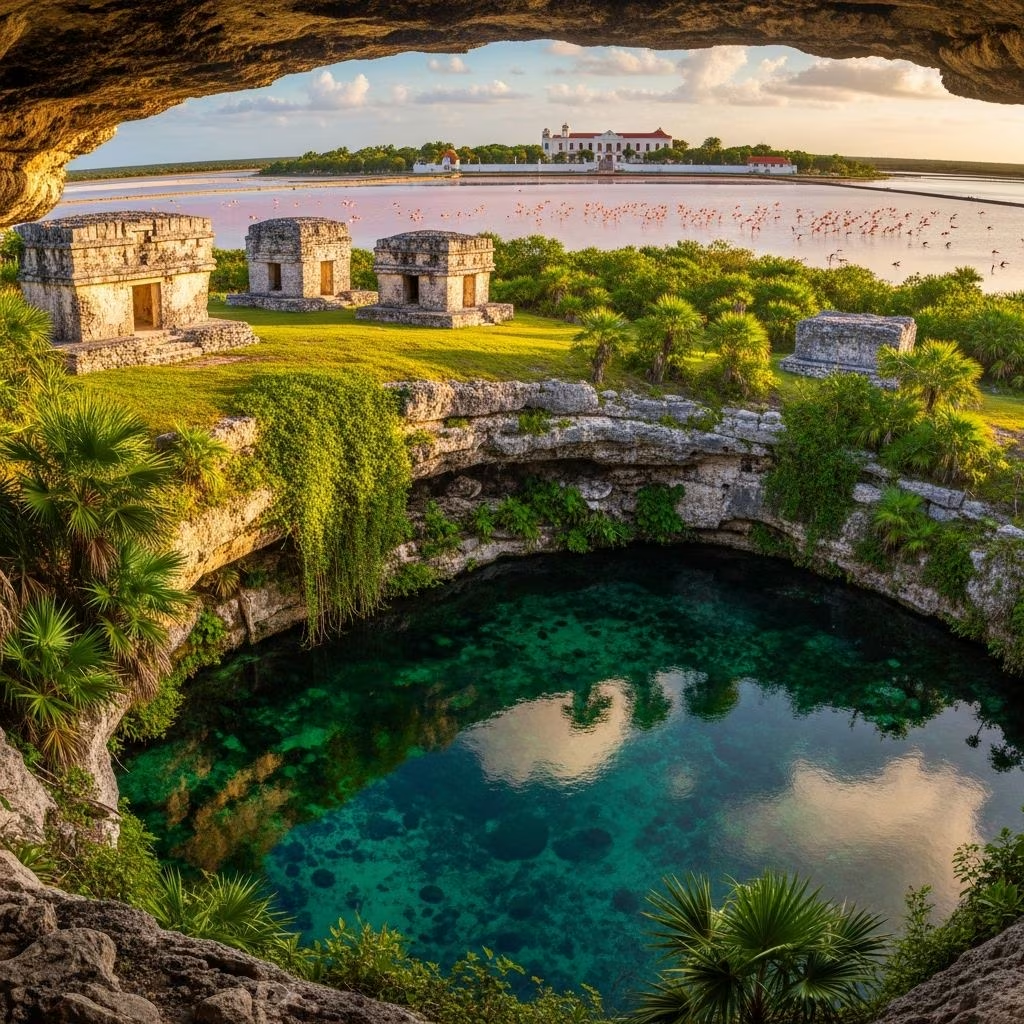
Explore beyond Mérida to experience cenotes, restored haciendas, and lesser-known archaeological sites that showcase Yucatán's rich heritage.
 Travel Essentials
While Mérida itself captivates visitors with its colonial architecture, vibrant plazas, and warm hospitality, the broader Yucatán Peninsula beckons with an extraordinary range of natural and cultural attractions. Within a few hours’ drive from the capital, travelers can immerse themselves in the region’s distinctive character—from underground swimming reservoirs to crumbling estate homes to temples built centuries before European contact. This guide explores some of the most rewarding experiences accessible as day journeys from Mérida.
The Yucatán Peninsula contains over 6,000 natural sinkholes, locally called cenotes, which formed when limestone bedrock collapsed to reveal groundwater below. To the ancient Maya civilization, these formations held profound spiritual significance—they served as gateways to the underworld and locations where ceremonies, sacrifices, and offerings took place. Today, these geological formations have transformed into beloved recreational destinations where both locals and international visitors enjoy swimming, snorkeling, and exploring subterranean cave systems.
Several cenote locations offer convenient access for day visitors departing from Mérida. The Cenotes de Cuzamá complex, situated approximately 50 kilometers southeast of the capital, comprises three distinct swimming holes. Visitors reach these pools via horse-drawn cart along historic railroad tracks, creating an immersive journey through the countryside. Natural light pierces through openings in the limestone, illuminating the crystal-clear waters below.
The city of Valladolid, located approximately two hours east, serves as a gateway to additional cenote experiences. The X’Kekén Jungle Park features two distinct cenotes: X’Kekén itself, characterized by dramatic stalactites descending from the cavern ceiling, and Samulá, a submerged cave formation. Visitors can also explore Hacienda San Lorenzo Oxman’s cenote, another noteworthy option in the Valladolid vicinity.
For those seeking a more immersive experience, Hacienda Mucuyche offers a comprehensive tour combining three sacred cenotes with an authentic regional meal and historical information about the estate’s former operations. Some properties additionally feature hand-cart rides along old railroad lines, evoking the hacienda’s industrial heritage.
Cenotes represent more than swimming destinations—they embody the region’s geological story. The sinkholes formed approximately 65 million years ago when an asteroid impact fundamentally altered the landscape, eventually leading to the collapse of limestone formations and the exposure of underground aquifers. These aquatic environments sustain distinctive ecosystems featuring fish, bats, birds, and specialized vegetation adapted to cave conditions.
Between the late nineteenth century and mid-twentieth century, Yucatán’s wealthy landowners accumulated substantial fortunes through henequén production—a fiber extracted from agave plants that yielded exceptionally strong rope demanded by international markets. The prosperity generated by this agricultural commodity enabled the construction of magnificent residential estates reflecting the owners’ elevated social standing.
When global demand for henequén fiber collapsed during the twentieth century, most of these grand properties fell into deterioration. Contemporary preservation efforts have transformed numerous haciendas into functional hotels, restaurants, and museums. Hacienda Xcanatún, situated near Dzibilchaltún archaeological site, operates as a luxury accommodation and dining venue offering both casual meals and overnight experiences. Visitors can explore the grounds while enjoying contemporary hospitality.
Yaxcopoil, located 30 kilometers south of Mérida, provides an alternative approach to hacienda visitation. The property maintains a small museum documenting the estate’s operations and offers a single guest room for those wishing to experience overnight accommodation in an authentic historical setting. This intimate scale creates a more personal connection to the past.
These estates functioned as comprehensive communities rather than simple agricultural operations. Haciendas historically included residential quarters, churches, schools, and workshops—essentially creating self-contained towns that employed entire families across multiple generations. Exploring these properties provides insight into the complex social structures and economic systems that shaped the region during this transformative period.
While world-renowned sites like Chichén Itzá and Uxmal attract substantial visitor numbers daily, Yucatán contains numerous lesser-known archaeological locations offering equally compelling historical narratives with considerably fewer crowds.
Dzibilchaltún holds the distinction of being the longest continuously inhabited Maya settlement, with occupation dating to approximately 1500 BCE. Located closest to Mérida among significant ruins, the site features traditional temples and palace structures alongside an anomalous Spanish colonial church positioned directly within the archaeological zone—a physical manifestation of cultural transformation. The observatory building deserves particular attention: its architectural design aligns with the sunrise during both the spring and autumn equinoxes (March and September), demonstrating sophisticated astronomical knowledge. The site includes a swimmable cenote, allowing visitors to combine archaeological exploration with recreational water activities.
The Ruta Puuc (Puuc Route) encompasses a collection of smaller but architecturally significant archaeological sites distributed across forested terrain in southern Yucatán. These locations receive minimal tourist foot traffic compared to major destinations, providing opportunities for more contemplative exploration and photography without navigating crowded pathways.
Izamal represents a unique convergence of pre-Columbian and European colonial history. The town’s layout reflects extensive Maya settlement, with archaeological evidence indicating significant population centers predating the Spanish conquest by centuries. Approximately 450 years following the European arrival, the location transformed into a Christian pilgrimage destination—a transformation sufficiently significant that it received a papal visit.
The Kinich-Kakmó pyramid rises approximately 34 meters, making it substantially taller when approached from ground level than initial impressions suggest. The ascent rewards visitors with panoramic views across the distinctive yellow townscape, as many colonial structures are painted in this characteristic ochre shade. The Centro Cultural y Artesanal showcases locally produced handicrafts and folk art traditions. Traditional horse-drawn carriages offer guided tours through the historic center, providing context and historical narratives from knowledgeable drivers.
Izamal serves as an excellent venue for experiencing authentic Yucatecan cuisine. Local restaurants feature regional specialties incorporating chaya—a leafy green vegetable with spinach-like qualities—and other ingredients reflecting centuries of culinary development. Quesadillas, fresh fruit beverages, and traditional preparations showcase the region’s distinctive food culture. Zamná restaurant, situated a short distance east of the convent, offers well-prepared local dishes in a welcoming atmosphere.
Most cenote visits involve physical activities including climbing steep or wet ladders, swimming in natural water conditions (without pool amenities), and potentially riding horse-drawn carts for extended periods. Early morning departures prove advantageous for cenote visits, as shared transportation infrastructure such as railroad tracks accommodate traffic in both directions, potentially creating scheduling conflicts during peak hours. Visitors should possess moderate swimming ability and comfort with natural cave environments.
The tropical climate creates hot, humid conditions throughout most of the year, making the cooling properties of cenote swimming particularly appealing. The dry season (November through April) typically offers more comfortable temperatures for archaeological site exploration and hacienda touring. Hurricane season (June through November) occasionally impacts accessibility to certain locations, though most day-trip destinations remain generally available year-round.
While independent travel is possible for those with vehicle access and Spanish language capability, organized tours frequently provide superior experiences by offering transportation, guides, and often meal inclusions. Tour operators can arrange pickup from central Mérida locations and handle logistics, allowing visitors to focus on experiencing each destination. Many tours combine multiple attractions—such as cenotes with hacienda tours and regional meals—into comprehensive day packages.
Cenotes are generally safe for swimming, though water temperatures remain cool year-round and conditions vary by location. Most visited cenotes have established safety protocols and lifeguards during peak hours. Visitors should assess their swimming ability before entering and follow posted guidelines.
Essential items include swimwear, towels, water shoes or secure footwear (stairs are often wet and slippery), sunscreen, and fresh water. Many cenote locations have limited facilities, so bringing personal supplies is advisable.
Yes, organized tours typically combine cenotes with hacienda visits and archaeological sites. However, attempting to visit too many locations in one day may result in rushed experiences. Most visitors prefer focusing on two or three destinations for a more leisurely pace.
Restored haciendas offer valuable historical perspectives on Yucatán’s agricultural past, labor systems, and colonial-era wealth. Museums and guided tours provide context about henequén production and the social structures these estates supported.
Most day-trip destinations fall within 50-100 kilometers of Mérida, requiring 30 minutes to two hours of driving depending on traffic and specific locations.
Mérida provides an excellent base for experiencing the Yucatán Peninsula’s multifaceted character, but the region’s true richness emerges through exploration beyond city limits. Whether swimming in underground cenotes that held sacred significance for ancient civilizations, examining the material remains of hacienda wealth, exploring archaeological complexes spanning thousands of years, or experiencing vibrant colonial towns, nearby day trips reveal layers of history and natural wonder. The combination of geological features, cultural heritage, and ongoing regional traditions creates compelling reasons to venture beyond Mérida and discover what lies within a few hours’ journey.
