

 Travel Essentials
 Travel Essentials

Explore nearby archaeological sites, coastal villages, and mountain towns perfect for day trips from Rome, from ancient ruins to scenic beaches and vineyard regions.
 Travel Essentials
Rome offers visitors centuries of history compressed into cobblestone streets and grand piazzas, yet the surrounding regions of Lazio and beyond present equally compelling attractions. Whether you seek archaeological wonders, tranquil lakeside settings, culinary adventures, or Mediterranean coastlines, numerous destinations lie within convenient reach of Italy’s capital city. These escapes provide refreshing contrasts to urban exploration while maintaining accessibility through well-developed transportation networks.
The countryside surrounding Rome contains some of antiquity’s most significant archaeological treasures, allowing visitors to venture beyond the city’s famous monuments into landscapes that shaped Roman civilization.
Approximately 30 kilometers east of Rome, Tivoli functions as an open-air museum of Renaissance and Roman grandeur. The town contains multiple palatial estates that showcase different eras and architectural philosophies. Villa d’Este captivates visitors with its elaborate fountain systems and lush gardens, representing the height of Renaissance garden design. Visitors can spend hours exploring the cascading water features and sculpted landscapes that once served as a papal retreat. The site’s artistic sophistication reflects the ambitions of sixteenth-century elite patrons who competed through architectural magnificence.
Equally significant, Villa Adriana preserves the remains of Emperor Hadrian’s sprawling retreat, where he recreated architectural elements from across his empire within Italian countryside. The complex encompasses multiple buildings, thermal facilities, and gardens spread across extensive grounds. Archaeological investigations continue revealing details about Roman residential life and imperial leisure practices. Villa Gregoriana completes Tivoli’s trio of major attractions, featuring romantic gardens and dramatic waterfall scenery that inspired Renaissance artists and poets.
Located merely 30 kilometers southwest of Rome, the Parco Archeologico di Ostia Antica preserves the remains of Rome’s ancient port city. Unlike major metropolitan centers excavated over centuries, Ostia offers a more intimate perspective on Roman urban life. Visitors walk along preserved streets, entering warehouses, homes, administrative buildings, and commercial establishments frozen in time. The site provides exceptional insight into daily activities of ordinary Romans—merchants, dock workers, and families—rather than focusing solely on elite culture. The partially reconstructed buildings and informational displays help contemporary visitors reconstruct daily routines of inhabitants who lived roughly 2,000 years ago. A train journey of approximately 30 minutes makes this destination highly accessible for half-day or full-day exploration.
Stretching from Rome into the countryside, the Appian Way (Via Appia) represents one of antiquity’s most important engineering achievements. Constructed beginning in 312 BC, this ancient road connected Rome to southern Italian territories and facilitated military, commercial, and administrative functions. Modern visitors can experience this historical corridor by bicycle, traveling approximately ten kilometers along the preserved route.
The journey combines physical activity with historical immersion, as cyclists pass archaeological sites including the Catacombs of San Callisto, where early Christian communities conducted burial rituals and religious gatherings. The catacombs represent an alternative religious expression that eventually transformed into dominant European Christianity. Exploring both the outdoor road system and underground burial chambers provides multiple perspectives on Roman and early Christian civilization. The relatively flat terrain and dedicated paths make this suitable for visitors with moderate cycling abilities.
The volcanic crater lakes southeast of Rome create distinctive landscapes and communities distinct from both urban Rome and Mediterranean coastal environments.
Perched above Lake Albano, Castel Gandolfo functions as the summer residence of papal leadership, making it unique among Italian hill towns. The papal connection brings ecclesiastical significance alongside natural beauty. Visitors can tour the Apostolic Palace, Villa Cybo, and Villa Barberini—structures representing different eras of papal occupancy and architectural preferences. The combination of spiritual importance, architectural distinction, and lakeside panoramas attracts both religious pilgrims and general tourists seeking scenic locations. Train access from Rome requires less than an hour, and the town’s compact size allows thorough exploration within a few hours.
Approximately 20 kilometers southeast of Rome, the Castelli Romani encompasses roughly thirteen towns and villages nestled within the Alban hills. These communities benefit from volcanic soil that produces distinctive white wines recognized throughout Italy and internationally. Frascati serves as the most prominent town in this wine-producing region, attracting Romans seeking weekend respite from urban intensity. The hilltop location provides expansive views across the countryside toward Rome itself. Visitors can combine wine-tasting at local establishments with exploration of Renaissance villas and traditional restaurants serving regional cuisine. The cooler elevation and relaxed pace offer psychological distance despite the short journey from Rome.
The small town of Nemi overlooks a crater lake and maintains reputation for cultivating wild strawberries that feature prominently in local cuisine and regional identity. The tranquil setting contrasts dramatically with urban Rome, offering peaceful surroundings suitable for contemplative visits. Limited accommodation and dining establishments preserve Nemi’s village character while accommodating day-trippers seeking natural beauty rather than major attractions.
Beyond major tourist circuits, several communities offer authentic Italian village experiences with medieval architecture, artistic treasures, and local cultural traditions.
Approximately 70 kilometers south of Rome, Sermoneta represents a relatively undiscovered medieval town featuring authentic stone architecture and limited modern development. A medieval castle dominates the hilltop, while a beautiful cathedral anchors the community spiritually and architecturally. The town’s narrow streets, archways, and preserved building techniques transport visitors into pre-modern urban organization. Sermoneta’s proximity to the remarkable gardens and ruins of Ninfa makes combined visits practical—the two sites lie only seven kilometers apart, allowing comprehensive exploration of this distinctive corner of Lazio.
Ariccia achieves fame throughout Italy for porchetta—seasoned roasted pork served as a local specialty—but the town contains substantial artistic and architectural significance beyond culinary reputation. The Palazzo Chigi museum houses Baroque-era masterpieces collected by aristocratic patrons. The church of Santa Maria Assunta, designed by renowned architect Gianlorenzo Bernini, represents ecclesiastical Baroque at its most ambitious. The elegant proportions and sophisticated spatial organization demonstrate Bernini’s influence on seventeenth-century Italian architecture. Visitors can combine culinary experimentation with artistic appreciation in a town that maintains manageable crowds despite its cultural richness.
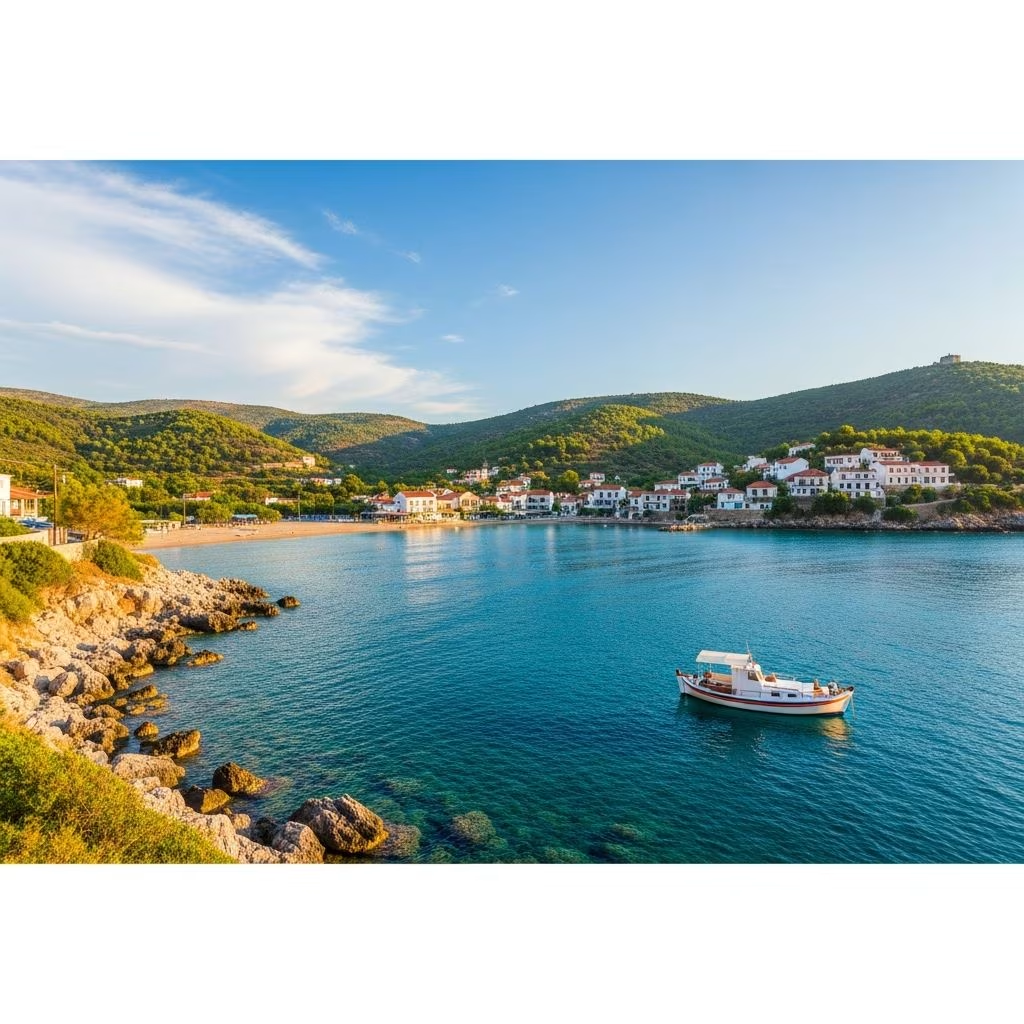
The Mediterranean coastline south of Rome provides sandy beaches, seaside villages, and recreational facilities attracting Romans seeking maritime environments.
Both Anzio and Nettuno occupy positions along the Tyrrhenian Sea approximately 50 kilometers south of Rome, accessible via one-hour train journeys. Anzio features golden-sand beaches and a picturesque harbor lined with palm trees, creating Mediterranean ambiance. The Villa di Nerone archaeological park preserves remains of Emperor Nero’s seaside palace, positioned dramatically above the beach. Nettuno, similarly founded as a Roman recreational destination, maintains its beach-oriented character while preserving historical significance. These towns provide accessible alternatives to crowded Rome during warm months, with infrastructure supporting day-trippers seeking swimming, relaxation, and seafood dining.
Approximately 100 kilometers south of Rome, Sperlonga attracts visitors seeking more dramatic coastal scenery. White-sand beaches and clear Mediterranean waters create stunning visual environments, while the town’s limited development preserves natural beauty. The 1.5-hour drive via SR148 and SS7 remains manageable for ambitious day-trippers, though many visitors combine Sperlonga with overnight accommodation given the distance.
Several major destinations lie at the periphery of practical day-trip range but remain feasible with early departures and abbreviated Rome visits or overnight excursions.
The catastrophic eruption of Mount Vesuvius in 79 AD preserved Pompeii in volcanic ash, creating an archaeological site of unparalleled completeness. While requiring roughly three hours travel from Rome via organized bus tours, Pompeii justifies the journey through its extraordinary preservation of Roman urban life. Visitors can walk through streets, enter homes and commercial establishments, and imagine daily activities interrupted permanently by geological catastrophe. The opportunity to climb Mount Vesuvius and observe the Bay of Naples from the volcano’s rim combines physical achievement with historical perspective. Combined tours incorporating Pompeii with nearby Naples provide cultural contrast between preserved antiquity and vibrant contemporary Italian city life.
Approximately 273 kilometers south of Rome, the Amalfi Coast presents Italy’s most famous Mediterranean coastline, featuring dramatic cliff formations, picturesque villages, and Mediterranean beaches. Positano exemplifies the region’s distinctive character—a town cascading down hillsides toward the sea, featuring narrow alleys, colorful architecture, and expansive views across azure waters. Full-day tours by comfortable coach allow visitors to experience this UNESCO-recognized landscape without managing challenging mountain roads independently. The coastal journey combines natural splendor with gastronomic opportunities, as villages feature restaurants emphasizing fresh seafood and regional specialties.
Italy’s Renaissance center lies approximately 275 kilometers north of Rome, requiring early departure and later return, effectively occupying an entire day. The city’s artistic treasures—including the Uffizi Gallery, Accademia Museum, and Florence Cathedral—provide sufficient content for extended visits, yet day-trippers can experience major highlights through strategic planning. Train connections offering comfortable seating make this feasible for determined culture enthusiasts willing to minimize Rome time during multi-day visits.
Most destinations listed above remain accessible via Italian national rail service or regional train networks, eliminating requirements for automobile rental or independent driving in unfamiliar territories. Train stations typically position visitors within walking distance of town centers, and information services assist travelers unfamiliar with local geography. Organized bus tours operate from Rome’s central locations, providing guided experiences and structured itineraries suitable for visitors preferring managed excursions over independent exploration.
Most destinations maintain year-round accessibility, though seasonal variations influence visitor experience significantly. Spring and early fall provide comfortable temperatures and manageable crowds compared to peak summer months when Mediterranean destinations become congested. Winter visits to Sperlonga and coastal towns remain possible but involve cooler water temperatures and occasional weather disruptions. Hill towns and wine regions prove particularly pleasant during harvest season, typically September through October, when agricultural activity infuses communities with seasonal vitality.
