

 Travel Essentials
 Travel Essentials

Explore top diving and snorkeling spots in Indonesia, including Komodo, Raja Ampat, Bali, and more. Learn about marine life, best times, and essential tips for unforgettable underwater adventures.
 Travel Essentials
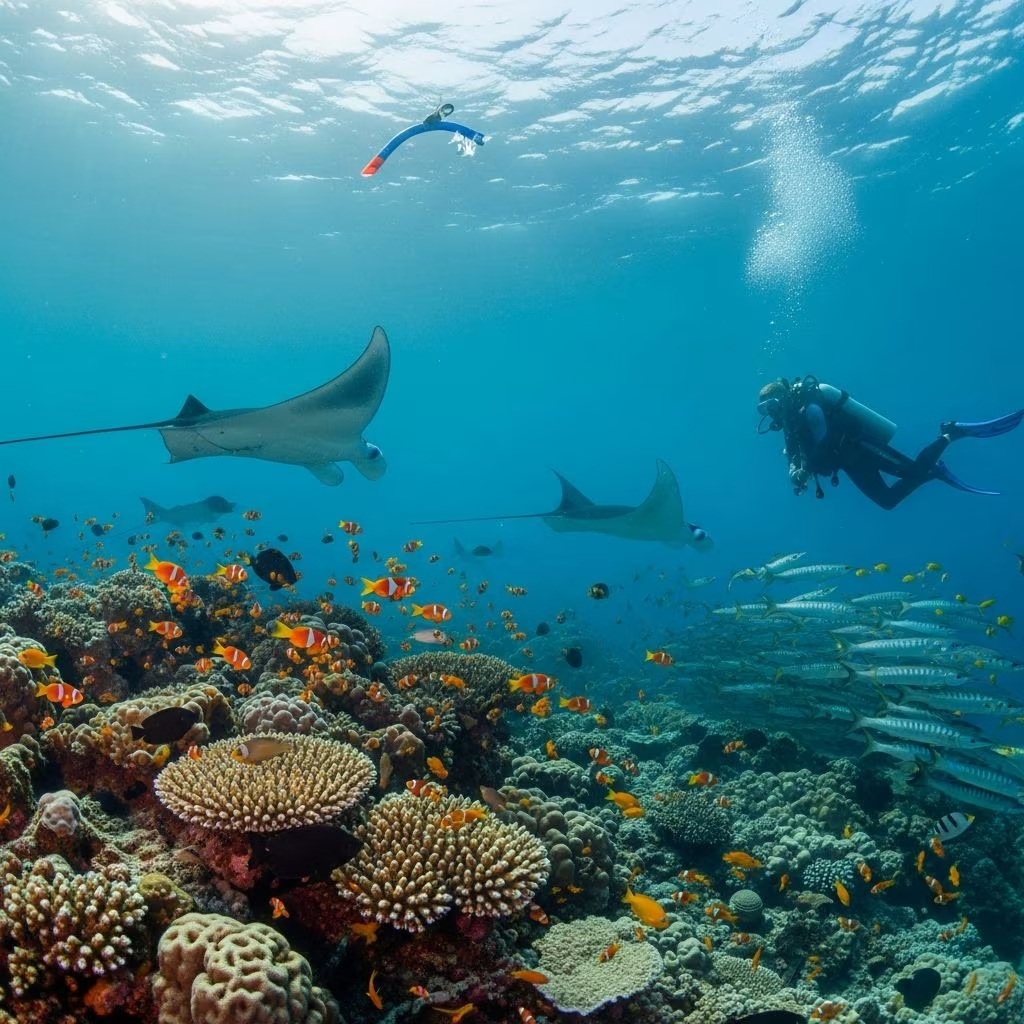
Indonesia, an archipelago of over 17,000 islands, boasts some of the planet’s richest marine ecosystems. With thriving coral reefs, diverse fish populations, and iconic species like manta rays and sunfish, it’s a haven for snorkelers and divers. This guide highlights premier locations, seasonal insights, gear essentials, and safety protocols to elevate your adventure.
The Coral Triangle’s heart lies in Indonesia, hosting 75% of the world’s coral species and thousands of fish varieties. Nutrient-rich currents fuel vibrant biodiversity, from macro critters in Lembeh Strait to pelagic giants in Komodo. Accessibility varies: Bali suits beginners with shore entries, while remote Raja Ampat demands liveaboards for pros.
From East Nusa Tenggara’s rugged parks to Papua’s pristine atolls, here’s where to immerse yourself.
Komodo’s waters rival its terrestrial dragons. Strong currents at sites like Batu Bolong deliver mantas, sharks, and fish schools amid healthy corals. Boat trips from Labuan Bajo access pinnacles dropping to 70m, ideal for advanced snorkelers and divers. Depth: 1-70m; currents strong; excellent corals and pelagics.
| Site | Highlights | Level |
|---|---|---|
| Batu Bolong | Mantas, reef sharks, dolphins | Advanced |
| Karang Makassar | Manta rays, colorful reefs | Experienced |
| Castle Rock | Whitetip sharks, fish schools | Experienced |
Raja Ampat’s shallow reefs burst with life, perfect for snorkeling at Citrus Ridge or Manta Sandy (3-20m depths). Strong currents and vis up to 30m reveal corals, turtles, and fish bowls like Yanbuba. Liveaboards unlock remote sites; shore entries at village jetties offer unique jetty snorkeling.
Bali blends convenience with thrills. Tulamben’s Liberty Wreck (5-30m, shore entry) teems with corals and fish, beginner-friendly. Nusa Penida’s mantas and sunfish dazzle at Manta Point; Lembongan’s reefs lie just offshore. Certification in Sanur or Amed.
Sulawesi’s Bunaken features vertical walls, 300+ corals, and 3,000 fish species. Lekuan sites host turtles, sharks, barracuda; mangroves protect shores. Visibility exceeds 30m.
Alor’s pristine sites offer sharks, rays, turtles, and dolphins with minimal crowds. World-class corals and walls for all levels.
Sulawesi’s ‘muck diving’ capital reveals nudibranchs, seahorses, and octopuses on sandy bottoms. Ideal for photographers.
Wakatobi’s Hoga Island shines for snorkeling; Derawan’s Sangalaki draws mantas; Banda’s remote walls feature hammerheads (Sep-Nov).
Dry season (May-Oct) brings calm seas and peak visibility across most sites. Komodo: Apr-Nov; Raja Ampat: Oct-Apr (avoid NW monsoon); Bali: Year-round, best May-Oct. Wet season risks rough conditions but fewer crowds.
| Region | Peak Season | Water Temp (°C) | Visibility (m) |
|---|---|---|---|
| Komodo | Apr-Nov | 26-29 | 15-30 |
| Raja Ampat | Oct-Apr | 27-30 | 20-40 |
| Bali | May-Oct | 26-28 | 10-25 |
| Bunaken | Apr-Nov | 27-29 | 20-30 |
Pack a well-fitted mask, fins, snorkel, rash guard, and reef-safe sunscreen. Divers need BCD, regulator, wetsuit (3-5mm for cooler sites). Rent from PADI/SSI centers; beginners try discover scuba. Freediving hubs like Pulau Weh offer courses.
Strong currents demand drift skills; buddy system mandatory. Check weather via apps like Windy. No-touch reefs: use buoyancy control. Support marine parks via fees; choose eco-operators.
Indonesia enforces MPAs; avoid illegal fishing zones. Buoyancy workshops reduce damage.
Liveaboards for multi-site access (7-10 days, $3k+); day trips from hubs like Labuan Bajo ($100-200). Budget: $50-150/dive. Visas: 30-day free; extensions available. Fly into Bali/Denpasar, then connect.
| Level | Recommended Sites | Why Suitable |
|---|---|---|
| Beginner | Liberty Wreck, Gili Islands | Shallow, calm, shore entry |
| Intermediate | Citrus Ridge, Bunaken walls | Moderate currents, vis |
| Advanced | Batu Bolong, Alor drifts | Strong currents, deep |
Tulamben’s Liberty Wreck: shore access, mild currents, vibrant life.
No, but lessons improve safety. Diving requires Open Water cert.
No guarantees, but Nusa Penida and Sangalaki offer high sightings.
$3,000-6,000/week including dives, meals.
Yes, with reputable operators; join group trips.
Encounter reef sharks, turtles, eagle rays, sunfish (Jul-Oct), pygmy seahorses, and mandarinfish. Night dives reveal bioluminescent plankton.
Indonesia’s underwater realm promises transformation. Whether drifting Komodo’s pinnacles or floating Raja Ampat’s fish bowls, prepare for awe-inspiring encounters amid unparalleled diversity.
