Air travel transforms the palate in unexpected ways. At cruising altitude, cabin pressure drops to the equivalent of 6,000-8,000 feet above sea level, drying out your mouth and dulling your taste buds. Sweetness fades, bitterness intensifies, and aromas struggle to reach your nose. Yet, with the right choices, you can turn this challenge into an opportunity for exceptional sipping. Drawing from insights shared by world-class sommeliers, this guide reveals the top beverages that not only survive but thrive in the pressurized cabin environment.
Understanding Your Palate at 35,000 Feet
The science of in-flight tasting is rooted in physiology. Low humidity—often below 20%—and reduced air pressure mute flavors by up to 30%, according to studies from the Fraunhofer Institute for Process Engineering and Packaging in Germany. Salty and umami notes cut through the haze better than delicate fruits or subtle herbs. Alcohol’s effects amplify too, hitting harder due to dehydration and oxygen scarcity. Smart drinkers adapt by selecting bold, structured options that punch above their weight in these conditions.
Champagne and Sparkling Wines: The Ultimate Flight Starters
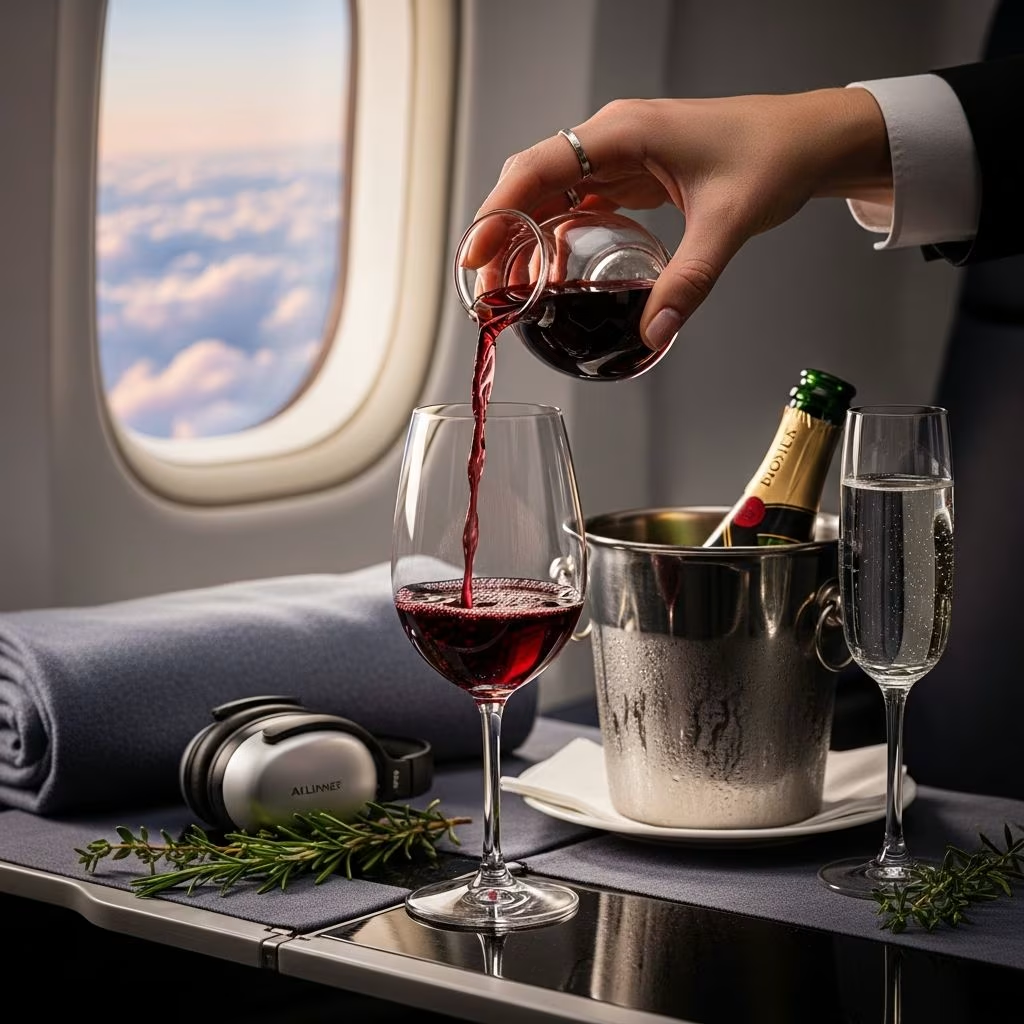
No beverage reigns supreme on flights like sparkling wine. The effervescence cuts through dryness, delivering crisp acidity that refreshes instantly. Sommeliers universally champion brut or extra brut styles over sweeter variants. “Bubbles act like a palate reset,” notes one expert, as carbonation stimulates saliva production.
- Top Picks: Opt for blanc de noirs or vintage blends from Champagne houses like Krug or Taittinger. Their high acidity and toasty notes shine.
- Why They Work: Pressure enhances perceived minerality, mimicking a fresh ocean breeze.
- Pro Tip: Request it well-chilled; warmth accelerates flatness in the cabin.
For economy warriors, Cava or Prosecco offers similar joy at a fraction of the price. Avoid overly fruity styles—go for bone-dry expressions.
Red Wines That Conquer Cabin Dryness
Red wines demand structure to succeed aloft. Light Pinot Noirs wither, their finesse lost to the arid air. Instead, embrace medium-bodied options with ripe tannins and vibrant fruit.
| Wine Style | Recommended Varieties | Flavor Profile at Altitude | Pairing Idea |
|---|---|---|---|
| Medium-Bodied Red | Grenache, GSM Blends | Juicy plum, spice forward | Charcuterie |
| Old World Favorite | Chianti Classico | Cherry, earth amplified | Cheese plate |
| New World Power | Malbec | Dark berry, bold tannin | Steak sandwich |
These selections leverage the cabin’s flavor-shifting magic: reds taste 25% fruitier up high, per sensory research from Air France and French wine experts.
White Wines and Roses for Refreshed Sipping
Whites need backbone to avoid tasting flabby. High-acid Sauvignon Blancs or Assyrtikos cut the cabin fug like a knife. Roses, especially dry Provençal styles, deliver strawberry notes that pop vividly against the neutral backdrop.
- Standouts: New Zealand Sauvignon Blanc for gooseberry zing; Greek Assyrtiko for saline punch.
- Rose Revolution: Grenache-based roses gain unexpected complexity, mimicking fine Pinot Noir.
Sommeliers advise against oaky Chardonnays—they turn buttery and heavy in low pressure.
Craft Beers and Ales for Hop Lovers
Beer’s carbonation and bitterness make it a dark horse. IPAs lead the pack, their hops slicing through dehydration. Stouts and porters offer roasted malt depth that intensifies aloft.
Airlines like United and Delta stock solid options. Seek West Coast IPAs or citrus-forward ales; their aromas pierce the dry air better than lagers.
Cocktails Reimagined for the Skies
Mixology adapts to altitude. Spirits hit quicker, so moderation reigns. Bloody Marys dominate for their savory tomato base and spice that overwhelms palate fatigue. Gin & tonics refresh with quinine’s bite.
- Best Bets: Negroni (bitter-sweet balance), Paper Plane (bourbon-lemon punch).
- DIY Hack: Order whiskey sour minus egg white—foam suffers at altitude.
Non-Alcoholic Heroes: Hydration First
Dehydration lurks as the real villain. Water remains king, but jazz it up: cucumber-infused or sparkling with lime. Tomato juice stands alone or mixed—its umami craves no vodka.
Herbal teas like ginger or peppermint soothe nausea and rehydrate gently. Avoid coffee; caffeine worsens dryness.
Pairing Your Flight Menu Like a Pro
Airline food begs thoughtful matches. Salty pretzels love crisp whites; pasta pairs with Chianti; cheese demands bold reds.
| Meal Item | Ideal Drink | Reason |
|---|---|---|
| Pretzels/Nuts | Sauvignon Blanc | Acidity cuts salt |
| Pasta | Chianti | Tomato synergy |
| Cheese | Grenache | Tannin balance |
| Salad | Sparkling Rosé | Fresh lift |
Health Considerations: Drink Smart, Fly Well
Booze dehydrates faster aloft, raising blood alcohol effects by 30-40% per some aviation studies. Alternate alcoholic sips with water. Electrolyte packets in H2O combat fatigue.
Pregnant travelers or those with conditions should stick to NA options. Always check airline menus pre-flight via apps.
Airline-Specific Beverage Highlights
Premium carriers excel: Emirates offers rare vintages; Singapore Airlines’ business class boasts Krug. Budget lines like Southwest surprise with local crafts. Use SeatGuru to scout offerings.
FAQs: Your In-Flight Drinking Questions Answered
What drink tastes best on a plane?
Sparkling wines top the list for their refreshing bubbles and acidity that combats dry cabin air.
Does red wine taste different at altitude?
Yes—fruits amplify while tannins soften, making structured reds like Malbec exceptional choices.
Should I avoid sweet drinks on flights?
Absolutely; sweetness dulls significantly, leaving cloying aftertastes. Stick to dry styles.
What’s the best non-alcoholic option?
Tomato juice or sparkling water with citrus—hydration plus bold flavor.
How much should I drink on a long flight?
Pace yourself: one drink per hour max, matched with equal water to counter dehydration.
Mastering the Art of Sky-High Sipping
With these sommelier-approved strategies, your next flight becomes a beverage adventure. Choose boldly, hydrate relentlessly, and savor the unique flavors born of altitude. Safe travels and cheers to smoother skies.
References
- Effect of Low Air Pressure on Flavor Perception During Flight — Fraunhofer Institute. 2010-10-15. https://www.ivv.fraunhofer.de/en/departments/consumer-perception/flight-tasting.html
- Cabin Air Quality and Passenger Comfort — Federal Aviation Administration (FAA). 2023-05-12. https://www.faa.gov/regulations_policies/research/air_traffic/media/cabin_air_quality.pdf
- Wine Tasting at Altitude: Sensory Analysis — Journal of Wine Research (Taylor & Francis). 2018-07-20. https://doi.org/10.1080/09571264.2018.1490589
- Alcohol Effects in Hypoxic Environments — Aerospace Medical Association. 2022-06-01. https://www.asma.org/journal/publications/alcohol-hypoxia
- Airline Beverage Service Standards — International Air Transport Association (IATA). 2024-03-15. https://www.iata.org/en/publications/store/catering/