


 Food & Culture
Food & Culture
Best Food Experiences in Japan: Kaiseki, Ramen & Street Eats
Explore Japan's top food experiences, including kaiseki dinners, fresh sushi markets, ramen hotspots, and regional specialties that showcase seasonal flavors and culinary artistry.
 Food & Culture
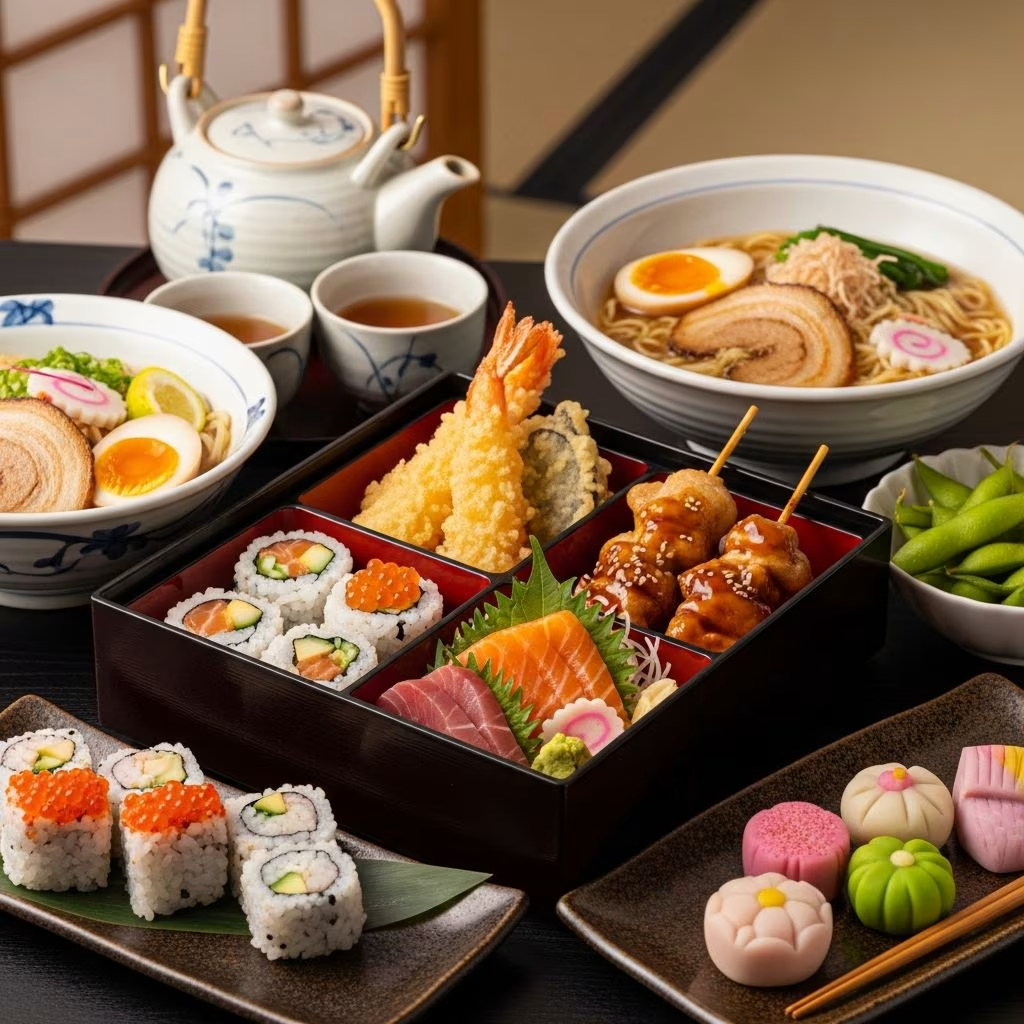
Japan’s food scene blends tradition, innovation, and an unwavering focus on quality ingredients, offering travelers a lifetime of memorable meals. Whether you’re savoring delicate seasonal dishes or diving into hearty street fare, each bite reveals layers of history and craftsmanship. This guide highlights essential experiences that capture the essence of Japanese gastronomy, drawing from diverse regions and dining styles.
Mastering the Art of Kaiseki Dining
Kaiseki represents the pinnacle of Japanese culinary refinement, a multi-course meal designed to harmonize flavors, textures, and visuals with the changing seasons. Originating from tea ceremonies, it evolved into a full haute cuisine experience where chefs source hyper-fresh ingredients, applying minimal seasoning to let natural tastes shine. Expect a progression of small plates: starting with appetizers, moving through sashimi, simmered and grilled items, steamed courses, rice, pickles, and ending with sweets.
In places like Kyoto’s ryokans or upscale restaurants such as Tousuiro Gion, every element—from the ceramics to the garnishes—evokes nature’s rhythm. A typical kaiseki might feature spring bamboo shoots or autumn persimmons, served in serene settings that enhance the sensory journey. Diners often pair it with sake, sipped slowly to complement the progression. For an authentic taste, book ahead at traditional inns in Hakone, where kaiseki dinners accompany hot spring soaks.
- Sashimi course: Thinly sliced raw fish, emphasizing ocean freshness.
- Grilled delicacy: Lightly charred eel or seasonal vegetables.
- Steamed finale: Egg custard infused with dashi broth.
This ritualistic meal, lasting 2-3 hours, teaches mindfulness in eating and is ideal for special occasions.
Freshness at Its Finest: Fish Markets and Seafood Bowls
Japan’s fish markets are temples of marine bounty, where the world’s freshest seafood transitions from auction blocks to plates. Tokyo’s Toyosu Market, successor to Tsukiji, buzzes with early-morning tuna auctions and outer-market eateries serving sushi and kaisen-don—vibrant rice bowls topped with raw fish. Arrive before dawn to witness the frenzy, then refuel with maguro (tuna) nigiri or uni (sea urchin) straight from the source.
In Hokkaido’s Hakodate Morning Market, seasonal crab and squid dominate, while Osaka’s Kuromon Ichiba offers grilled scallops and wagyu skewers amid lively stalls. These spots exemplify Japan’s obsession with shun—ingredients at their peak ripeness—ensuring unparalleled quality. Pair your meal with miso soup for a complete, affordable feast under ¥2000.
| Market | Signature Dish | Best Time |
|---|---|---|
| Toyosu (Tokyo) | Kaisen-don | 5-8 AM |
| Hakodate | Crab sushi | 6 AM |
| Kuromon (Osaka) | Grilled oysters | All day |
Ramen Realms: Broth Mastery Across Regions
No trip to Japan is complete without slurping ramen, a soul-warming noodle soup whose broth simmers for hours to build profound umami. Styles vary wildly: Fukuoka’s tonkotsu (pork bone) is creamy and rich, Sapporo’s miso is robust and nutty, while Tokyo offers shoyu (soy) clarity. Chains like Ichiran provide customizable solo booths, but seek independents like One Dragon for beef broth or Maru de Sankaku’s fish variation.
Toppings—chashu pork, nitamago egg, nori seaweed, and menma bamboo shoots—elevate the bowl. Ramen’s beauty lies in its accessibility; late-night stands serve it piping hot after hours of exploration. Pilgrimage to ramen alleys in Tokyo or Osaka for the full immersion.
Osaka’s Street Food Symphony
Osaka, Japan’s kitchen, pulses with casual eats that pack bold flavors into portable bites. Okonomiyaki, the “as-you-like-it” savory pancake stuffed with cabbage, pork, shrimp, and topped with mayo, sauce, and dancing bonito flakes, shines at Chibo in Dotonbori. Watch cooks flip them on griddles or try your hand at interactive spots.
Takoyaki—gooey octopus balls crisped outside—are ubiquitous, best from Wanaka Honten alongside tako-sen (octopus dumplings between rice crackers). Yakitori skewers, dango sweets, and taiyaki (fish-shaped pastries filled with red bean) line neon-lit alleys like Omoide Yokocho in Tokyo or Dotonbori. Food tours, such as Taste Osaka or Ninja Food Tours, uncover hidden gems.
- Okonomiyaki: Mix-your-own fillings for personalization.
- Takoyaki: Eight balls per order, drizzled generously.
- Kushikatsu: Deep-fried skewers with dipping sauce.
Premium Meats: Wagyu and Hot Pot Traditions
Wagyu beef, with its melt-in-mouth marbling, transforms simple grills into luxuries. Skewers at Tsukiji Ihachi or full steaks in Kobe highlight A5-grade tenderness. For interactive dining, shabu-shabu involves swishing thin slices in kombu broth, dipping into ponzu or sesame sauce. Sukiyaki simmers beef with vegetables in sweet-savory warishita broth, cooked tableside.
These hot pots foster communal eating, often at izakayas with beer pairings. Kobe’s Kitano district or Tokyo’s specialty shops offer prime cuts.
Sweet Innovations and Cafe Culture
Japan’s desserts fuse Western whimsy with local twists: fluffy pancakes at Butter in Tokyo, taiyaki from Naruto chains, or crepes in Harajuku. Matcha parfaits, hojicha lattes, and black eggs boiled in Owakudani’s volcanic springs add adventure. Otter cafes and themed spots like Harry Harajuku provide quirky backdrops.
Guided Tastings and Regional Deep Dives
Enhance your trip with food tours weaving markets, izakayas, and stories. Ninja tours in Tokyo or Osaka equivalents reveal offbeat spots. Venture to Kyoto for yudofu (tofu hot pot), Nagoya for hitsumabushi (eel rice), or Hiroshima for layered okonomiyaki. Seasonal festivals amplify experiences, like cherry blossom hanami picnics with bento boxes.
Practical Tips for Food Explorers
Budget ¥5000-15000 daily for meals, prioritizing lunch sets (teishoku) for value. Learn phrases like oishii (delicious) and use apps like Tabelog for ratings. Respect etiquette: no tipping, slurp noodles loudly, say itadakimasu before eating. Allergies? Carry a translation card. Vegetarian options grow, but confirm niku nashi (no meat).
Frequently Asked Questions (FAQs)
What is the best time to visit Japan’s food markets?
Early morning (5-7 AM) for auctions and freshest picks at Toyosu or Hakodate.
Is kaiseki suitable for beginners?
Yes, its small portions ease newcomers into flavors; ryokan stays simplify booking.
Where to find vegan ramen in Japan?
Specialty shops in Tokyo offer vegetable or mushroom broths; check Ichiran alternatives.
How spicy is Japanese street food?
Mild overall, but customizable with chili; takoyaki and okonomiyaki stay savory.
Can I book omakase sushi experiences?
Yes, via platforms or spots like Yoshino; expect ¥20,000+ for elite counters.
Planning Your Gastronomic Itinerary
Combine experiences: Tokyo markets by day, ramen by night; Osaka streets then kaiseki in Kyoto. Savor slowly—Japan’s cuisine rewards the patient palate with depth and discovery.
References
- My Top 17 Food & Drink Experiences in Japan (2024) — Tangled Up in Food. 2024. https://www.tangledupinfood.com/my-top-17-food-drink-experiences-japan
- The Best Food in Tokyo, Japan (Pt. 2) — YouTube (Fearless Captivations or similar channel). 2023. https://www.youtube.com/watch?v=wBEQl6eQg4E
- 8 Best Foodie Experiences in Japan — Fearless Captivations. 2023. https://fearlesscaptivations.com/8-best-foodie-experiences-in-japan/
- 11 of Japan’s best food and drink experiences — Lonely Planet. 2023. https://www.lonelyplanet.com/articles/japan-best-food-experiences
- 5 Favorite Food Experiences in Japan — The World Incorporated. 2023. https://theworldincorporated.com/favorite-food-experiences-in-japan/
On This Page
Mastering the Art of Kaiseki Dining Freshness at Its Finest: Fish Markets and Seafood Bowls Ramen Realms: Broth Mastery Across Regions Osaka's Street Food Symphony Premium Meats: Wagyu and Hot Pot Traditions Sweet Innovations and Cafe Culture Guided Tastings and Regional Deep Dives Practical Tips for Food Explorers Frequently Asked Questions (FAQs) Planning Your Gastronomic Itinerary← Previous
Ise-Shima Japan: Shrines, Coastlines and Ama Divers
Next →
Peru Internet Guide: SIMs, eSIMs, Wi-Fi & Coverage
Related Reading
More in Food & Culture
Food & Culture Food & Culture
 Food & Culture
Best Places to Eat in Rome: Neighborhood Dining Guide
 Food & Culture
 Food & Culture