Accra stands as one of Africa’s most compelling destinations for food enthusiasts seeking authentic culinary experiences. The capital city of Ghana presents a remarkable fusion of traditional flavors, contemporary dining establishments, and bustling street food markets that collectively tell the story of a nation rich in gastronomic heritage. Whether you are an adventurous eater ready to navigate local markets or someone seeking comfortable dining venues that honor traditional preparations, Accra offers diverse opportunities to engage with food culture in meaningful ways.
The city’s food scene reflects layers of cultural influence, historical trade routes, and generations of culinary innovation passed down through families and communities. Every meal becomes an opportunity to understand more about Ghanaian society, regional variations in taste preferences, and the economic systems that sustain both informal and formal food sectors. This exploration reveals not just what people eat, but who prepares it, where ingredients originate, and how meals function as social anchors within communities.
Foundation Dishes That Define Accra’s Food Identity
Several traditional preparations form the backbone of what visitors and locals recognize as quintessentially Ghanaian cuisine. Understanding these foundational dishes provides essential context for appreciating both street-level and restaurant interpretations of regional cooking.
Rice-Based Preparations with Distinctive Preparation Methods
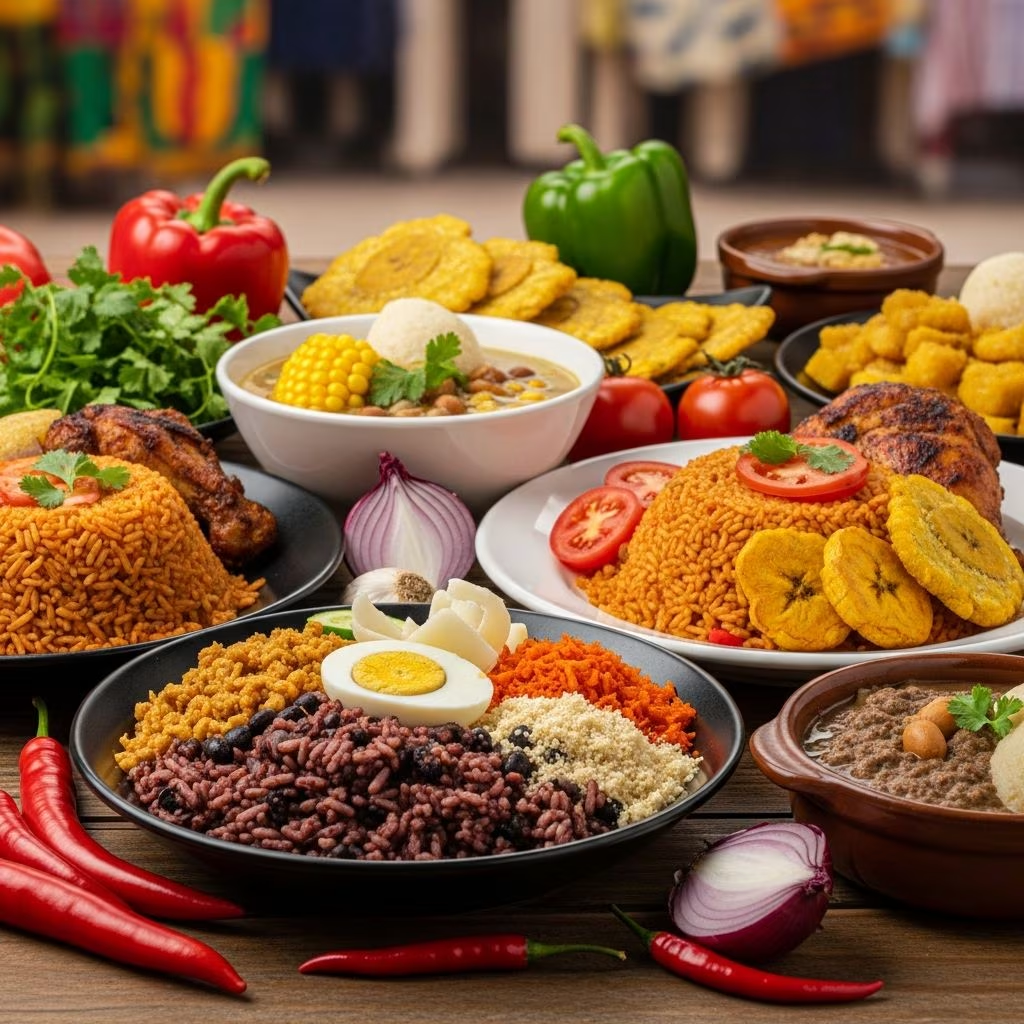
One of the most recognizable dishes throughout Accra and beyond involves rice cooked with tomatoes, onions, and various protein options, creating a one-pot meal that appears in countless variations across West Africa. This preparation arrives at tables in homes, casual eateries, and upscale restaurants, though quality and ingredient freshness vary significantly depending on establishment and preparation care. The dish serves as a canvas for personal and regional preferences, with some preparations featuring seafood, others emphasizing poultry, and still others incorporating vegetables as primary components.
Finding quality versions of this iconic rice dish requires navigating Accra’s diverse dining landscape. Established casual restaurants in neighborhoods like Osu have built reputations on consistent execution of traditional recipes while maintaining climate-controlled dining spaces attractive to visitors and expatriate communities. These establishments typically operate extended hours accommodating various dining schedules, making them reliable options for evening meals before social outings or late-night gatherings.
Cassava-Based Compositions Paired with Seasoned Fish
Another cornerstone preparation involves fermented cassava dough shaped into rounded portions and served alongside grilled freshwater fish that has been seasoned with tomatoes, onions, and heat-forward spice preparations. This combination represents centuries of coastal and inland culinary traditions merging through trade and cultural exchange. The textural contrast between dense cassava preparations and tender fish, combined with bright acidity from tomato-forward accompaniments, creates a balanced plate that feels simultaneously simple and complex.
Traditional preparation methods involve hand-shaping cassava components and grilling fish over open flames, techniques that remain visible in casual dining contexts and street settings throughout Accra. For those seeking more refined presentations while maintaining authentic flavor profiles, specialized restaurants focusing on traditional preparations serve professionally plated versions that preserve traditional taste while incorporating modern dining aesthetics. The sensory experience of consuming this pairing traditionally involves using hands rather than utensils, connecting diners physically to ancestral preparation and consumption practices.
Legume-Forward Dishes with Complex Spice Profiles
Accra’s food culture includes preparations built around beans and legumes cooked with aromatic spices, grains, and protein additions. These dishes demonstrate how traditional African ingredients combine to create satisfying, nutritionally balanced meals that can be customized according to individual preferences and dietary requirements. The versatility of such preparations has allowed them to remain relevant across generations and socioeconomic contexts, appearing in informal street contexts and formal restaurant settings with equal prevalence.
Street Food Landscape: Informal Dining and Authentic Flavors
Beyond established restaurants, Accra’s streets, markets, and informal gathering spaces feature vendors preparing fresh food for immediate consumption. These informal food economies represent both economic survival strategies for vendors and essential cultural institutions maintaining culinary traditions and neighborhood social structures.
Fried Plantain Preparations and Spiced Snacking
Throughout Accra, vendors prepare diced plantains seasoned with ginger, pepper, garlic, and other aromatics, then frying them until exteriors achieve golden crispness while interiors remain tender. These preparations appear as standalone snacks, side dishes accompanying larger meals, or components of mixed vendor offerings. The affordability and portability of such snacks make them central to Accra’s informal food economy, with particular concentrations of vendors establishing themselves in high-traffic areas, beaches, and evening markets.
Sampling these preparations directly from street vendors provides authentic engagement with Accra’s food culture while supporting informal economic systems that sustain thousands of individuals and families. Beach locations attract vendors during daylight hours, creating informal dining atmospheres combining culinary experience with recreational beach time. Evening markets feature numerous stalls preparing fresh batches throughout trading hours, allowing customers to select items based on freshness observations and vendor reputation within local communities.
Grilled Meat Preparations and Seasoned Protein Options
Vendors throughout Accra prepare meat—typically beef or chicken—marinated in spiced pastes and grilled over charcoal or open flames, resulting in smoky, flavorful proteins served with accompanying sauces and bread. These preparations require minimal equipment and ingredient investment, making them sustainable for informal vendors while delivering satisfying, protein-forward meals appealing to diverse customer bases. Neighborhood-specific vendors build loyal followings based on marinade quality, grilling technique, and consistency of portion sizes and pricing.
Osu neighborhood particularly concentrates such vendor activities, with evening and night hours bringing increased foot traffic and vendor presence. The sensory experience of encountering wood smoke, grilled meat aromas, and vendor calls creates immersive food encounters that differ fundamentally from restaurant dining, offering visitors direct connection to informal food preparation and neighborhood social patterns.
Fermented Bean-Based Cakes and Traditional Preparations
Vendors prepare fermented bean mixtures formed into rounded cakes and either grilled or fried, creating distinctive textures and complex fermented flavor profiles. These preparations represent specialized knowledge and time investment from vendors who maintain fermentation processes and develop recipes refined across years of practice. Such items appear less frequently in formal restaurant contexts but remain central to street food culture and traditional meal compositions, particularly during specific meal times and seasonal occasions.
Established Dining Venues and Gastronomic Destinations
For those seeking comfort, climate control, consistent service, and curated dining experiences, Accra features numerous restaurants specializing in traditional preparations presented in contemporary contexts.
Specialized Restaurants Emphasizing Traditional Preparations
Certain establishments have built reputations specifically around authentic execution of traditional dishes, combining careful ingredient sourcing, skilled preparation techniques, and dining environments that balance comfort with cultural authenticity. These venues typically feature family ownership or long-standing operator relationships, with kitchen staff maintaining recipes and techniques refined across generations. Such restaurants often position themselves as bridges between informal food culture and visitors seeking authentic experiences without navigating street contexts or language barriers.
Neighborhood Dining Hubs and Social Convergence Points
The Osu neighborhood emerges repeatedly as a primary culinary concentration within Accra, hosting diverse dining options ranging from casual to upscale, traditional to international, and informal to meticulously designed service environments. This geographic convergence reflects broader urban patterns where specific neighborhoods develop as culinary destinations through accumulated restaurant openings, positive reputation-building, and resulting foot traffic attracting additional establishments. Visitors and long-term residents develop familiarity with Osu’s dining landscape through experimentation, word-of-mouth recommendations, and written guides to the city.
Beyond specific restaurants, the neighborhood functions as an evening and nighttime social hub where dining integrates with entertainment, live music performance, and social gathering. This combination of functions creates vibrant atmospheres particularly during evening hours, with restaurants serving dual roles as food establishments and social venues integral to Accra’s nightlife culture.
International Cuisine Integration and Culinary Fusion Approaches
While traditional Ghanaian cuisine represents Accra’s culinary foundation, numerous restaurants incorporate international preparations and fusion approaches, reflecting both visitor demand and chef creativity. Italian cuisine, Thai preparations, Lebanese dishes, and continental European cooking appear alongside traditional offerings in many establishments, allowing diverse customer bases with varying comfort levels and preferences to find satisfying meals. Such international integration does not diminish traditional cuisine prominence but rather indicates Accra’s position within global culinary networks and its ability to serve internationally mobile populations.
Market Exploration and Ingredient Immersion
Beyond prepared food consumption, Accra’s markets offer opportunities to engage with ingredients, understand sourcing systems, and observe food culture from procurement perspectives.
Large-Scale Market Environments and Ingredient Diversity
Major markets throughout Accra concentrate fresh produce, spices, proteins, and processed food items in densely organized spaces that can initially overwhelm visitors unfamiliar with market navigation conventions. These environments feature hundreds of individual vendors operating from fixed stalls or portable setups, creating complex economic ecosystems and social spaces where neighborhood residents converge regularly. Market visits reveal ingredient variety supporting Ghanaian cooking, offer opportunities to purchase ingredients for self-catering, and provide unfiltered observation of daily economic activity and social interaction patterns.
Walking through markets demands patience, observation skills, and willingness to engage in vendor interactions that may include negotiation, inquiry, and relationship-building. Market experiences vary substantially based on visiting time (early morning versus afternoon), personal comfort with crowded environments, and language communication abilities. Despite potential overwhelming sensations, markets represent authentic spaces where food culture operates without modification for visitor comfort, offering valuable perspective on how Accra residents source and think about food.
Practical Dining Navigation and Cultural Considerations
Successfully engaging with Accra’s food culture requires awareness of various dining contexts and associated expectations.
Informal Vendor Engagement and Street Food Safety
Street food consumption carries legitimate health considerations requiring thoughtful evaluation rather than blanket avoidance. Vendors with visible customer traffic, fresh ingredient handling practices, and consistent customer relationships typically maintain food safety standards adequate for visitor consumption. Observing vendor operations before purchasing—noting food storage methods, preparation cleanliness, and ingredient freshness—enables informed decisions balancing cultural engagement with health prudence. Long-term Accra residents and expatriate communities offer valuable guidance regarding vendors they trust and have safely patronized regularly.
Language and Communication Strategies
English-language facility varies throughout Accra’s dining contexts, with established restaurants typically featuring English-language menus and English-capable staff, while street vendors and informal eateries may operate primarily in local languages. Developing basic food-related vocabulary in local languages, using visual communication strategies, and demonstrating genuine interest in vendor recommendations transcends language barriers and enriches interactions substantially.
Tipping Conventions and Economic Participation
Understanding appropriate gratuity practices ensures respectful economic participation and supports service industry workers adequately. Casual establishments typically expect modest gratuity percentages, while street vendors and informal vendors may not expect tips but appreciate appreciation expressions. Discussing tipping expectations with hotel staff, guidebook resources, or long-term residents clarifies appropriate practices and prevents unintentional offense through cultural misunderstanding.
Seasonal Variations and Optimal Visiting Periods
Accra’s food availability and dining culture experience seasonal variations reflecting agricultural cycles, weather patterns, and cultural calendars. Certain ingredients achieve peak availability during specific seasons, specific dishes become more prominent during particular times, and market atmospheres shift based on harvest cycles and seasonal festivals. Understanding these patterns enhances food tourism experiences by allowing visitors to time travels for optimal ingredient availability and cultural event participation.
Structured Food Experiences and Guided Explorations
For visitors preferring guided experiences to independent exploration, Accra offers food tours, market walks, and cooking classes combining cultural education, ingredient instruction, and social connection with experienced local guides. Such structured experiences reduce navigation stress, provide cultural context through guide expertise, and create social opportunities within visitor communities.
References
- Savoring Accra: A Guide to the City’s Culinary Delights — Ibom Air. 2024. https://www.ibomair.com/savoring-accra-a-guide-to-the-citys-culinary-delights/
- Accra’s Best Local Food (and Where to Find It) — Lonely Planet. https://www.lonelyplanet.com/articles/accras-best-local-food
- How to Live Like a Local in Accra, Ghana — Lonely Planet. https://www.lonelyplanet.com/articles/live-like-local-accra-ghana