


 Food & Culture
Food & Culture
Best Food in Singapore: Hawker Centers, Local Dishes & Dining Areas
Explore Singapore's vibrant food culture from bustling hawker centers to upscale restaurants, featuring iconic dishes and neighborhood dining guides.
 Food & Culture
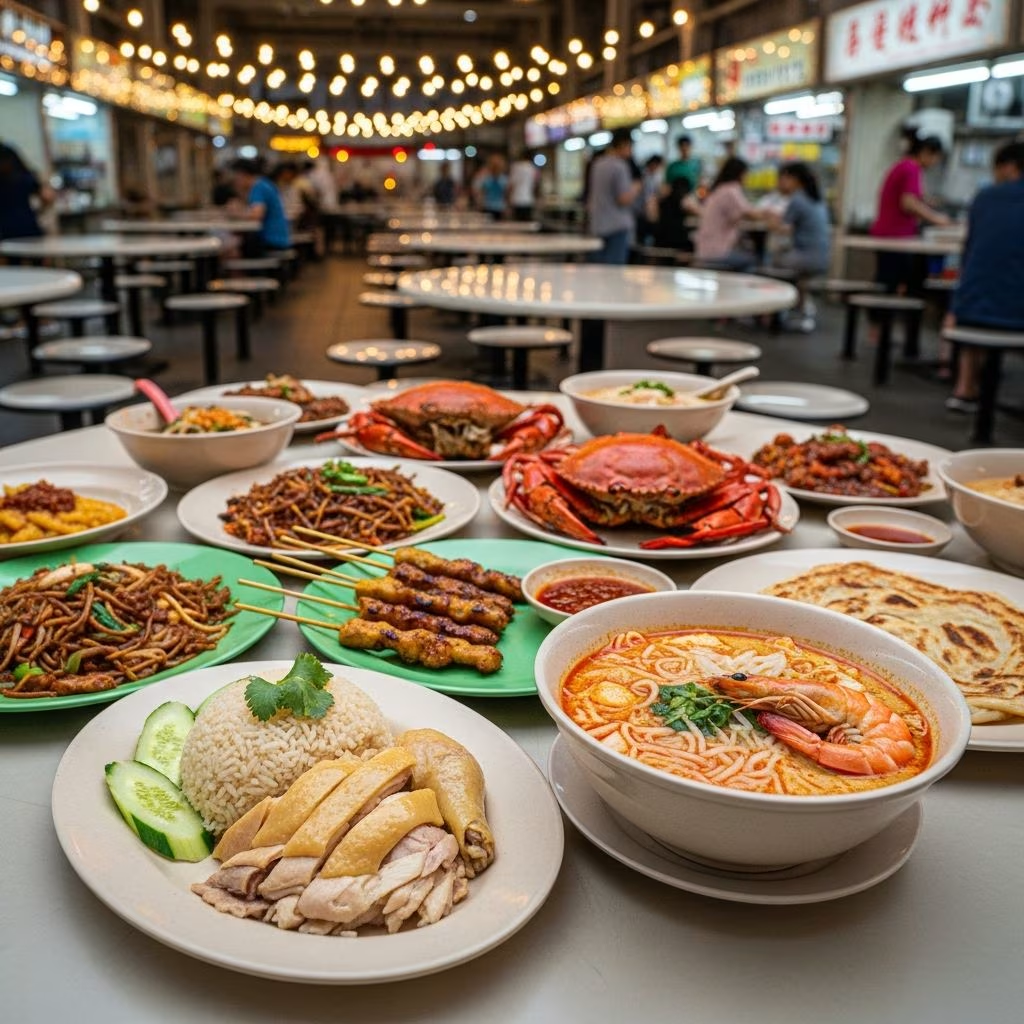
Singapore’s culinary identity is defined by its multicultural tapestry, where Malay, Chinese, Indian, and Western influences converge to create one of Asia’s most dynamic food destinations. Whether you’re seeking affordable street-level dining or elevated gastronomic experiences, the Lion City offers an extraordinary spectrum of flavors, cooking styles, and dining venues that reflect centuries of cultural exchange and culinary innovation. Understanding where and what to eat becomes essential for any visitor looking to authentically experience this island nation through its food.
The Foundation of Singapore’s Food Culture: Understanding Hawker Centers
At the heart of Singapore’s food scene lie hawker centers, open-air or open-sided food courts that emerged during the 1950s as informal solutions to feeding the growing urban population. Today, over 100 hawker centers operate across the island, each serving as a microcosm of local culinary traditions and community gathering spaces. These establishments represent the most authentic and economical way to experience Singaporean cuisine, offering meals typically priced between SG$3 and SG$8 per dish.
The appeal of hawker centers extends beyond affordability. They function as outdoor gastronomic museums where specialized vendors perfect single dishes over decades, creating a depth of flavor and technique that rivals many upscale establishments. The open layout encourages culinary exploration—diners can sample multiple dishes in one sitting, moving between stalls to construct their ideal meal. The communal seating and casual atmosphere foster spontaneous conversations, making these centers vital social infrastructure as much as culinary destinations.
Essential Dishes Every Visitor Should Experience
Singapore’s signature dishes tell stories of cultural synthesis and historical influence. Rather than viewing these as isolated recipes, understanding them as gateways to deeper culinary traditions enriches the dining experience.
Rice-Based Foundations
Chicken rice represents Singaporean comfort food at its most refined. The seemingly simple preparation—poached chicken served over fragrant, oily rice cooked in chicken stock—demands extraordinary technical execution. Tian Tian Chicken Rice at Maxwell Food Centre has achieved legendary status partly through consistent quality but also because queue culture itself becomes part of the experience.
Biryani, a spiced rice dish with marinated meat, reflects India’s culinary presence in Singapore. Found particularly in Little India establishments, biryani offers aromatic complexity achieved through layered cooking techniques where rice, meat, and spices cook together, allowing flavors to infuse throughout.
Nasi lemak, a Malay staple of coconut rice served with sambal, fried anchovies, peanuts, and egg, demonstrates how simplicity achieves satisfaction through quality ingredients and proper technique. The dish varies slightly across different hawker centers and neighborhoods, with Adam Road Food Centre gaining particular recognition for its interpretation.
Noodle-Based Preparations
Hokkien mee, egg noodles stir-fried with egg, pork, and prawns, showcases wok hei—the coveted “breath of the wok” created through intense flame and rapid movement. This technique separates masterful renditions from mediocre ones, and experiencing this dish at its peak reveals why Singapore’s hawker centers earn international acclaim.
Kway teow, flat rice noodles, appears throughout Singapore’s food landscape in various preparations. Meng Kee at Havelock Road Food Centre has built its reputation through multigenerational refinement, with the noodles achieving what locals describe as optimal “slipperiness” and umami depth from cooking in pork fat.
Laksa, a coconut-based noodle soup, varies significantly by neighborhood and vendor. Guang Fa at Havelock Road demonstrates how homemade chili paste creates distinctive flavor profiles, with the coconut balancing spice without creating excessive oiliness.
Unique Specialties
Orh lua, oyster omelette, exemplifies textural contrast—crispy exterior encasing creamy egg and briny oyster interiors. Fish head curry, particularly associated with Little India, transforms an ingredient often discarded elsewhere into a delicacy prized for its tender meat and flavorful bones. Bak kut teh, pork rib bones simmered in herbs and spices, requires hours of low, slow cooking to extract maximum flavor, and is traditionally accompanied by oolong tea to cut through richness.
Geographic Culinary Districts and Neighborhood Specializations
Singapore organizes its food scene geographically, with distinct neighborhoods developing specializations that reflect their demographic makeup and historical development patterns.
Chinatown and Central Hawker Zones
Maxwell Food Centre stands as Chinatown’s culinary anchor, particularly renowned for chicken rice but offering diverse stalls serving congee, wonton noodles, and other Chinese preparations. The food center itself functions as a historical landmark, with established vendors maintaining consistent quality standards that attract both locals seeking daily meals and visitors seeking authentic experiences.
Lau Pa Sat, designated a national monument in 1973, has evolved into a two-dimensional dining experience. Daytime service caters to central business district workers during lunch hours, while evenings transform the adjacent street into an outdoor restaurant reminiscent of Singapore’s famous Satay Club, where satay vendors grill skewered meat over open flames.
Little India’s Subcontinental Focus
Little India concentrates establishments specializing in fish head curry, dosa (locally called thosai), keema, chapati, and biryani. These restaurants serve not merely as dining venues but as cultural preservation spaces, maintaining traditional recipes and techniques that might otherwise be diluted through assimilation.
Katong-Joo Chiat’s Peranakan Heritage
This neighborhood preserves Peranakan culinary traditions, a unique fusion of Chinese and Malay influences developed by merchants who settled in Southeast Asia centuries ago. Blue Ginger, Singapore’s most celebrated Peranakan restaurant, executes sophisticated dishes like kueh pie tee (pastry cups filled with spiced, shredded vegetables and prawns) and ayam buah keluak (chicken braised with turmeric, galangal, lemongrass, and Indonesian black nuts) with meticulous attention to traditional techniques.
Kampong Gelam’s Malay-Influenced Offerings
Located near the architecturally stunning Sultan Mosque, Kampong Gelam specializes in feisty, spicy Malay-influenced cuisine. Singapore Zam Zam, operating since 1908, originally served the Indian-Muslim population but has expanded its clientele through affordable, high-quality offerings including roti prata, biryani, and murtabak (flaky pastries filled with egg, onion, and choice proteins).
Beyond Hawker Centers: Elevated and Specialized Dining
While hawker centers form Singapore’s culinary backbone, the city-state offers sophisticated dining venues for those seeking refined interpretations of traditional cuisine or international offerings.
Club Street in Chinatown hosts establishments like Oxwell & Co and Club Street Social, blending contemporary aesthetics with traditional flavor foundations. Duxton Hill presents venues including Tippling Club, Luca Loco, and Department of Caffeine, catering to diners seeking cocktail-focused experiences alongside elevated cuisine. Dempsey Hill and Holland Park feature long-established favorites like Long Beach Seafood alongside newer concepts such as The White Rabbit and Jones the Grocer, offering diverse price points and culinary philosophies.
The Quays and Colonial District provide formal dining experiences, including Jumbo Seafood for live seafood preparations and Kilo for contemporary cuisine. Raffles’ Tiffin Room offers traditional high tea service, maintaining colonial-era traditions alongside modern comfort and service standards.
Specialized Food Districts and Hidden Gems
Beyond established tourist areas, Old Airport Road serves some of Singapore’s most affordable chilli crab, while Haig Road features the Netflix-featured Putu Piring (Malay rice cakes), demonstrating how social media and streaming services have amplified interest in previously local-only establishments. Tiong Bahru Market and its surrounding food venues showcase traditional preparations, including Hainanese boneless chicken rice, reflecting generational transmission of culinary knowledge.
Late-Night and Adventurous Dining Options
Singapore’s food scene accommodates late-night seekers and adventurous palates. Establishments like Ho Kee Pau in Geylang operate 24 hours, specializing in dim sum ordered through tick-box menus. Geylang-area venues offer more experimental options: Geylang Famous Beef Kway Teow features fried rice noodles with remarkably tender beef in gravy, while adjacent Geylang Lorong 9 Fresh Frog Porridge presents frog—a protein whose taste locals compare to chicken—prepared as a fragrant ginger stew. JB AH Meng, a late-night chef hangout, has perfected white pepper crab and san lou bee hoon (crispy rice vermicelli pancakes with shrimp and squid), attracting food industry professionals after their service shifts end.
Practical Guidance for Navigating Singapore’s Food Landscape
Strategic Eating Approach
Rather than attempting individual meal courses, Singaporean dining emphasizes sampling multiple dishes simultaneously. Arrive at hawker centers during peak hours (11:30am–1:30pm for lunch, 6:00pm–8:00pm for dinner) to access full vendor selections while joining the local dining rhythm. Expect queues at popular stalls—these indicate consistency rather than quality alone, though high turnover does ensure ingredient freshness.
Budget Considerations
Hawker center meals typically range SG$3–8 per dish, allowing visitors to experience diverse cuisines economically. Mid-range restaurants generally cost SG$15–35 per person, while fine dining venues exceed SG$80 per person. This price range diversity means visitors with various budgets can access authentic Singaporean flavors at comfort levels matching their preferences.
Dietary Accommodations
Singapore’s multicultural environment facilitates vegetarian, vegan, halal, and other dietary accommodations. Little India particularly excels at vegetarian preparations, while Muslim-owned establishments clearly observe halal requirements. Communication with vendors about ingredients remains essential, particularly regarding pork, shellfish, and allergens.
FAQs About Singapore’s Culinary Scene
What makes Singapore’s hawker centers unique compared to other Asian street food scenes?
Singapore’s hawker centers combine affordable pricing with regulatory infrastructure ensuring food safety and consistent quality standards. Unlike many street food scenes worldwide, vendors operate within government-regulated markets with designated locations, waste management systems, and health inspections, creating reliability without sacrificing authenticity.
How do I identify quality vendors within crowded hawker centers?
Queues generally indicate popularity, though this reflects both quality and habit. Look for vendors with visible ingredient preparation, high customer turnover suggesting fresh ingredients, and engagement between servers and patrons. Asking locals or checking recent online reviews provides additional guidance.
Are reservations necessary for popular restaurants?
Hawker centers operate first-come, first-served without reservations. Established restaurants appreciate advance bookings, particularly during peak dinner hours or weekends. Fine dining venues require reservations and often maintain dress codes.
What are the best times to experience Singapore’s food scene authentically?
Peak meal hours (lunch 11:30am–1:30pm, dinner 6:00pm–8:00pm) provide the most authentic atmosphere and fullest vendor selections. Late-night ventures after 10:00pm reveal different vendor selections and a younger, more international crowd.
How do I navigate dietary restrictions in traditional establishments?
Clear communication remains essential. Learn basic terminology: “no pork” (untuk tidak ada babi), “vegetarian” (sayur-sayuran), and “no shellfish” (tidak ada seafood). Writing dietary needs on paper helps overcome language barriers in smaller establishments.
Conclusion: Beyond Tourism, Into Cultural Understanding
Singapore’s food landscape transcends simple tourism to offer genuine cultural engagement. Each dish embodies historical migrations, colonial influences, and multicultural adaptation. Whether consuming chicken rice at Maxwell Food Centre, experiencing frog porridge in Geylang, or enjoying Peranakan specialties in Katong-Joo Chiat, visitors participate in living traditions that define Singapore’s identity beyond its economic achievements. The democratization of exceptional cuisine through affordable hawker centers means that budget constraints need not limit culinary discovery—instead, visitors encounter the same meals consumed by locals daily, creating shared experiences that bridge cultural differences and create lasting memories.
References
- How to Eat in Singapore like it’s your last Day on Earth — Seasoned Traveller. Accessed 2026-04-23. https://seasonedtraveller.com/best-of-lists/where-to-eat-singapore
- The Ultimate Singapore Food Guide: Hawker Centers, Restaurants — Zoey to the World. Accessed 2026-04-23. https://www.zoytotheworld.com/blog/singapore-food-guide
- A culinary guide to Singapore: what to eat and where — Lonely Planet. Accessed 2026-04-23. https://www.lonelyplanet.com/articles/a-culinary-guide-to-singapore-what-to-eat-and-where
- The best food in Singapore and where to find it — Marion’s Kitchen. Accessed 2026-04-23. https://www.marionskitchen.com/article/best-food-in-singapore-diverse-dining/
- Where and what to eat in Singapore — Philippa Davis. Accessed 2026-04-23. https://philippadavis.com/where-and-what-to-eat-in-singapore/
On This Page
The Foundation of Singapore's Food Culture: Understanding Hawker Centers Essential Dishes Every Visitor Should Experience Geographic Culinary Districts and Neighborhood Specializations Beyond Hawker Centers: Elevated and Specialized Dining Specialized Food Districts and Hidden Gems Late-Night and Adventurous Dining Options Practical Guidance for Navigating Singapore's Food Landscape FAQs About Singapore's Culinary Scene Conclusion: Beyond Tourism, Into Cultural Understanding← Previous
Bulgaria Road Trip: Sofia to Veliko Tarnovo
Next →
What to Eat in Milan: 15 Must-Try Local Dishes
Related Reading
More in Food & Culture
Food & Culture Food & Culture
 Food & Culture
Best Places to Eat in Rome: Neighborhood Dining Guide
 Food & Culture
 Food & Culture