


 Food & Culture
Food & Culture
Best Food Markets in Sicily: Palermo, Catania & Syracuse
Explore Sicily's most iconic food markets featuring fresh seafood, traditional street food, and centuries-old culinary heritage across Palermo, Catania, and beyond.
 Food & Culture
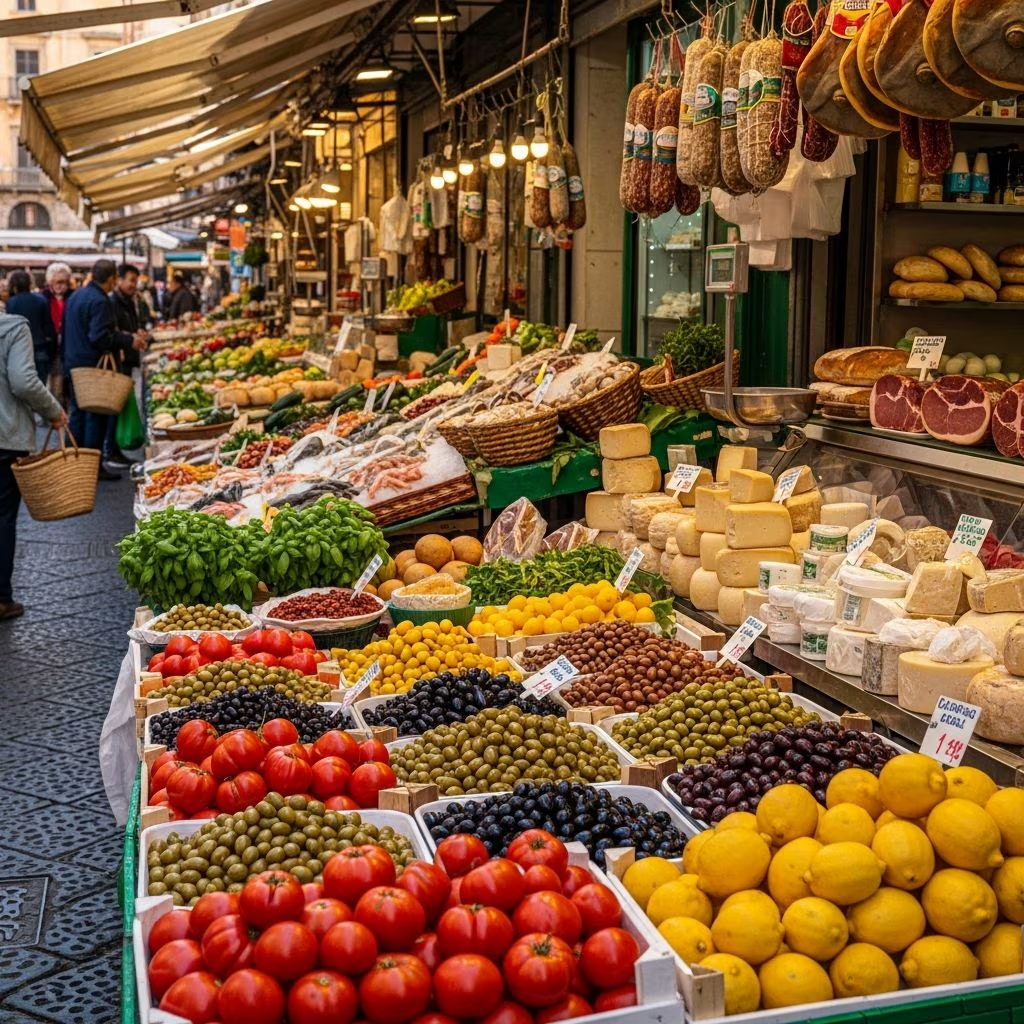
Sicily’s food markets represent far more than mere commercial spaces—they are living repositories of Mediterranean culture, centuries-old tradition, and unbridled culinary passion. These vibrant bazaars serve as the heartbeat of Sicilian communities, where generations of vendors have perfected their craft and locals gather to source ingredients that define regional cuisine. Walking through these markets offers visitors an unfiltered glimpse into authentic Sicilian life, complete with the melodic calls of merchants, the intoxicating aromas of fresh produce, and the cacophony of dialects spoken by those who have tended these same stalls for decades.
The island’s most celebrated food markets showcase everything from pristine seafood pulled from Mediterranean waters mere hours before sale to heirloom produce varieties that have flourished in Sicilian soil since ancient times. Beyond their function as food procurement centers, these markets embody the region’s multicultural history, with influences ranging from Arab traders to Norman conquerors evident in both the merchandise and the atmosphere. For travelers seeking to understand Sicily’s true character, a morning spent navigating market stalls provides more authentic insight than any museum or formal attraction.
The Heart of Palermo’s Market Culture
Palermo, Sicily’s capital, maintains an extraordinary concentration of food markets that collectively represent one of Europe’s most dynamic food scenes. Each neighborhood maintains its own distinctive market, yet certain locations have achieved legendary status among both residents and discerning visitors. The city’s markets function as open-air theaters where Sicilian identity is performed daily through commerce, conversation, and culinary tradition.
Exploring La Vucciria’s Layered History
Located in the labyrinthine streets of central Palermo, the Vucciria market occupies a position of particular cultural significance. Despite having experienced decline from its medieval prominence, this open-air bazaar remains a destination for those seeking authentic street food and traditional preparations rarely encountered elsewhere. The market’s narrow passages create an intimate atmosphere that contrasts with the frenetic energy of larger commercial centers.
The Vucciria specializes in preparations that reflect Palermo’s working-class culinary traditions, particularly organ meats and other offal-based dishes. Vendors prepare items like pani ca’ meusa—a sandwich featuring spleen, typically served with or without ricotta cheese—from recipes passed through family lines for generations. The market also features professional musicians who perform among the stalls, adding an unexpected cultural dimension to the shopping experience. This combination of gastronomic authenticity and artistic ambiance distinguishes the Vucciria from more commercialized market spaces.
Ballàro’s Sensory Spectacle
The Ballàro market represents Palermo’s most densely populated food bazaar, drawing crowds of locals and visitors throughout operating hours. This sprawling market delivers an overwhelming sensory experience—vendors project their voices across competing stalls, colorful produce creates visual abundance at every angle, and competing food aromas blend into something simultaneously chaotic and enticing. The market’s scale and vitality provide insight into how Palermo’s residents conduct daily food shopping within an environment that celebrates abundance and community interaction.
Ballàro offers unprecedented variety in both fresh produce and prepared street foods. Produce vendors arrange seasonal fruits and vegetables with artistic precision, while butchers and fishmongers process their merchandise with practiced efficiency. The market’s street food vendors prepare regional specialties including panelle e crocchè (chickpea fritters with potato croquettes), ricotta sandwiches, and arancini (rice balls). Shopping here involves constant sensory engagement and casual interaction with vendors who take pride in their offerings.
Capo Market’s Neighborhood Character
The Capo market, situated along Via Porta Carini in the historic Il Capo district, has functioned as a commercial gathering space since at least the 9th century. Despite its proximity to Palermo’s iconic Norman cathedral, the market maintains a decidedly local character, with neighborhood residents comprising the majority of shoppers. The market’s longevity reflects its essential role in daily Palermo life rather than any deliberate preservation as a tourist attraction.
Capo distinguishes itself through specialization in certain products. The market has become particularly renowned for its extraordinarily large lemons—specimens of nearly fist size that seem improbably oversized compared to standard citrus fruits. Beyond lemons, vendors stock an impressive variety of fresh herbs, dried spices, and specialty produce. The market also hosts mobile vendors selling sfincione (Sicilian focaccia topped with tomato sauce, anchovies, oregano and cheese) and grattatella (hand-scraped ice shavings topped with fruit syrups), representing time-honored street food preparations.
Catania’s Premier Fish Market
Catania, Sicily’s second-largest city, hosts the A’ Pischeria (fish market), a sprawling bazaar exclusively devoted to seafood and fish products. The market’s existence reflects Catania’s historical dependence on Mediterranean fishing and the city’s position as a major port. The A’ Pischeria operates with particular intensity, reflecting both the volume of daily catch and the competitive atmosphere among vendors seeking to secure the finest specimens.
The market occupies spaces near the harbor, allowing fishmongers to process catch within hours of landing. Buyers encounter fish species ranging from common Mediterranean varieties to more specialized and expensive catches. Shellfish vendors display sea urchins, mussels, clams, and other crustaceans in ice-filled stalls. The market’s architecture and organization reflect its singular purpose—this is not a mixed marketplace but rather a space entirely dedicated to the seafood trade. For visitors seeking to understand the breadth of Mediterranean marine resources, the A’ Pischeria provides unparalleled educational value.
Syracuse’s Waterfront Market Heritage
The Antico Mercato di Ortigia, located in Syracuse’s historic Ortigia district on the island’s southeastern coast, occupies arguably the Mediterranean’s most historically significant location for market activity. Syracuse maintained greater population and commercial significance than Athens or Corinth during the Hellenistic period, and the Ortigia market preserves something of that ancient commercial tradition. The market’s waterfront setting provides constant visual reminders of the sea’s role in shaping Sicilian commerce and culture.
Merchandise at the Ortigia market emphasizes both seafood and produce typical of southeastern Sicily. Vendors arrange stalls along Via Emanuele Benedictis, Via Trento, and Via Raffaele Lanza, creating a market environment that seamlessly integrates commerce with the historic urban landscape. The market combines practical shopping functionality with aesthetic appeal—the juxtaposition of colorful produce against ancient stone architecture creates a visually compelling environment that rewards both photographers and culinary explorers.
Sciacca’s Provincial Charm
The weekly markets in Sciacca offer a distinctly different market experience compared to the larger urban bazaars. This smaller port town emphasizes quality and community interaction over volume an
← Previous
20 Free Things to Do in Marrakech
Next →
Liberdade, São Paulo: Japan’s Cultural Heart in Brazil
Related Reading
More in Food & Culture
Food & Culture Food & Culture
 Food & Culture
Best Places to Eat in Rome: Neighborhood Dining Guide
 Food & Culture
 Food & Culture