

Food & Culture Stays Travel Essentials Travel Guides Trip Ideas
Categories
From the Blog
Remy’s Ratatouille Adventure at EPCOT: Ride Review, Tips & 2D Update
Travel Essentials

Best Geothermal Pools and Hot Springs in Iceland

Explore top geothermal pools across Iceland, blending natural hot springs with modern spas for unforgettable soaking experiences in stunning settings.
Travel Essentials

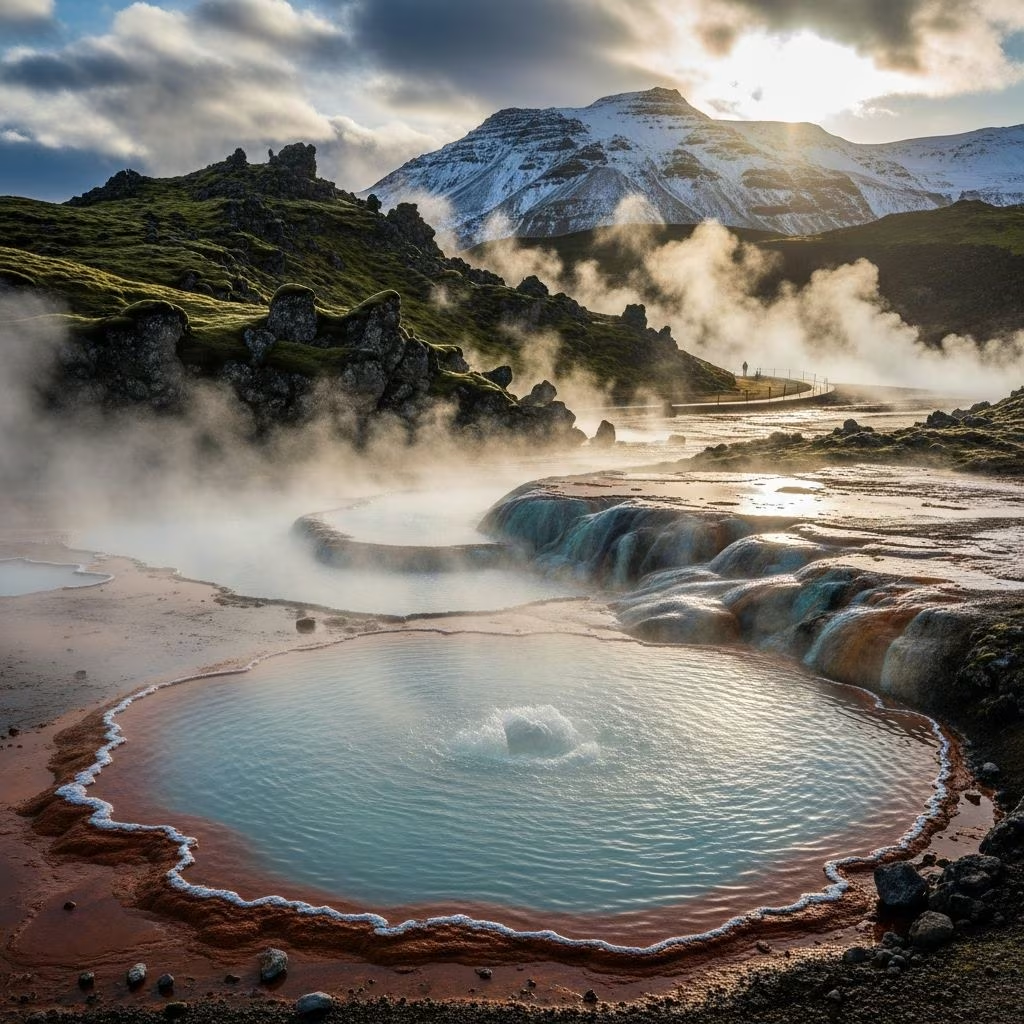
Iceland’s landscape is a playground of volcanic activity, where the earth’s heat bubbles up through cracks in the crust to create mesmerizing geothermal pools and hot springs. These natural features, numbering in the hundreds, offer travelers a unique way to unwind, with mineral-rich waters promising relaxation and purported health benefits. From luxurious spas to rustic, roadside hot pots, this guide uncovers the best spots to experience this phenomenon, organized by region for easy planning.

The Science Behind the Steam

Geothermal energy powers much of Iceland’s daily life, heating homes and fueling greenhouses, but it’s the bathing pools that captivate visitors. Water heated by magma deep underground rises through fissures, often enriched with silica, sulfur, and other minerals that give the waters their silky texture and therapeutic reputation. Temperatures typically range from 37°C to 42°C (98°F to 107°F), ideal for soaking, though some spots allow cold plunges for contrast therapy.

Public pools are cultural hubs where locals chat in hot tubs, while private spas cater to tourists with added amenities like saunas and bars. Always shower thoroughly before entering—it’s a strict rule enforced nationwide to maintain hygiene in these shared spaces.

Reykjanes Peninsula: Gateway to Luxury

Near Keflavík Airport, the Reykjanes Peninsula hosts some of Iceland’s most famous geothermal sites, blending accessibility with opulence.

  • Bláa Lónið (Blue Lagoon): Nestled in a lava field, this milky-blue expanse is iconic, with silica mud masks and cascading waterfalls. Book in advance; it’s pricier but offers premium treatments.
  • Sky Lagoon: A newer rival with ocean views, seven-step rituals including saunas, cold dips, and lagoon soaks. Its infinity-edge design merges sea and sky.

These spots are perfect for jet-lagged arrivals, with shuttle services from the airport.

Capital Region: Urban Oases

Reykjavík and its surroundings provide convenient, affordable dips amid city life.

Pool NameFeaturesPrice Range (ISK)Location Notes
Sundhöll ReykjavíkurArt deco indoor pool, hot pots, steam baths1,000-1,500City center, historic vibe
Laugardalslaug50m lap pool, slides, multiple tubs, mini-golf1,000Largest in Reykjavík, family-friendly
ÁrbæjarlaugGeothermal beach pool, lap lanes, kids’ areas900Suburban, spacious outdoors

These public facilities embody Icelandic bathing culture—expect crowds on weekends but serene evenings.

South Iceland: Golden Circle Gems

The Golden Circle route reveals geothermal marvels amid geysers and waterfalls.

  • Secret Lagoon (Gamla Laugin): A natural pool fed by surrounding vents, surrounded by steam plumes. Less commercial than others, with changing rooms on-site.
  • Laugarvatn Fontana: Lakeside baths with steam caves built over hot springs. Try the rye bread baked in geothermal soil at their café.
  • Hveragerði Geothermal Park: Foot baths amid bubbling mud pots; ideal for a quick, free stop. Guided tours explain the geology.

Hveravellir, further inland on the Kaldidalur route, offers a wilder hot river soak in stark highland scenery—pack for rugged access.

Westfjords: Remote Rugged Retreats

The Westfjords’ dramatic fjords hide some of Iceland’s most secluded pools, rewarding adventurous drives.

  • Hellulaug: Beachside pool where waves crash nearby; a true wild swim with ocean chills between soaks.
  • Reykjafjarðarlaug: Tucked in a valley, this free natural pot overlooks mountains—bring towels and privacy in mind.
  • Drangsnes Hot Pots: Sea-edge tubs with panoramic views; free and often uncrowded.
  • Krossneslaug: Infinity pool on a pebble beach, facing the Arctic Ocean under midnight sun.

Roads here are gravel; a 4×4 is recommended for summer access.

North Iceland: Volcanic North Coasts

The north’s geothermal activity peaks around Mývatn, offering diverse bathing options.

  • Mývatn Nature Baths: Silty-blue waters from a nearby crater lake, with lava vistas and a café overlooking the scene.
  • GeoSea (Húsavík): Salty infinity pools on cliffs, blending geothermal heat with bay waters—prime for whale-watching views.
  • Grettislaug: Saga-inspired natural pools in Reykir; two pots for varying temperatures amid historic lore.
  • Stykkishólmur Pool: Indoor-outdoor complex with mineral-rich tubs and slides, certified for regenerative properties.

Akureyri’s pools provide urban respite with mountain backdrops.

East Iceland: Lakeside Luxuries

The east’s quieter roads lead to innovative baths.

  • Vök Baths: Floating infinity pools on Urriðavatn Lake, with swim-up bars serving herbal infusions. Architectural highlight since 2019.

Combine with fjord drives for a peaceful itinerary.

Highlands and Interior: Highland Hot Rivers

For hikers, the interior’s backcountry sites demand permits and weather checks.

  • Landmannalaugar: Rugged river pools in colorful rhyolite hills—hike-in only.
  • Kerlingarfjöll: Steaming valleys with hot pots amid abandoned geothermal plants.

These are for experienced adventurers; F-road access required.

Practical Tips for Soaking Success

To maximize enjoyment:

  • Timing: Visit early mornings or weekdays to avoid crowds; northern lights viewing enhances winter soaks.
  • What to Bring: Swimsuit, towel (rentals available but costly), flip-flops, water bottle. No phones in pools.
  • Costs: Public pools ~1,000 ISK; luxury spas 5,000-10,000 ISK. Memberships save for locals.
  • Health Notes: Mineral waters may aid skin conditions; consult doctors for open wounds. Cold therapy boosts circulation.
  • Sustainability: Stick to paths; over-tourism strains sites—support eco-certified spots.

Frequently Asked Questions (FAQs)

Are Iceland’s geothermal pools safe?

Yes, regulated sites test water quality regularly. Natural spots vary—check temperatures to avoid scalds.

What’s the difference between hot pots and spas?

Hot pots are small, natural or rustic pools; spas are developed with facilities like saunas and bars.

Can I visit in winter?

Absolutely—heated waters contrast snowy landscapes beautifully, though some roads close.

Do I need a car?

For remote sites, yes; tours cover popular ones like Blue Lagoon.

Are kids allowed?

Most public pools welcome families; some spas have age limits or kids’ hours.

Planning Your Geothermal Itinerary

Combine pools with Ring Road drives: Start in Reykjanes, loop south to Golden Circle, north to Mývatn, and fjord-hop west. Allow recovery days—daily soaks prevent fatigue. Iceland’s 200+ sites mean endless discoveries, from free beach tubs to five-star retreats, all powered by the island’s fiery core.

References

  1. Geothermal Pools — Visit Iceland. 2023-01-01. https://www.visiticeland.com/article/geothermal-pools/
  2. Pool Rules: Tips for Visiting Iceland’s Thermal Swimming Pools — Rick Steves. 2024-05-15. https://www.ricksteves.com/watch-read-listen/read/articles/iceland-hot-springs
  3. Iceland’s top 20 geothermal pools and spas — Lonely Planet. 2023-11-20. https://www.lonelyplanet.com/articles/geothermal-pools-hot-springs-iceland
  4. Geothermal Spas Around Iceland — Celebrate the Weekend. 2022-07-10. https://celebratetheweekend.com/geothermal-spas-around-iceland/
  5. Guide to Geothermal Pools — Iceland Government Tourism Board. 2024-02-28. https://www.visiticeland.com/article/geothermal-pools/
SN
Sneha Tete
Sneha is a relationships and lifestyle…

Sneha is a relationships and lifestyle writer with a strong foundation in applied linguistics and certified training in relationship coaching. She brings over five years of writing experience to CultureTreker,  crafting thoughtful, research-driven content that empowers readers to build healthier relationships, boost emotional well-being, and embrace holistic living.Her writing and insights reflect the belief that beauty, happiness, and wellness begin from within, through the harmonious balance of the mind, body, and heart. With a background in instructional design and research writing, Sneha transforms complex topics into practical insights that are easy to understand and apply.Sneha has also self-published a novella on adolescent mental health, highlighting her ability to navigate emotionally layered topics with nuance and empathy. When she's not writing, you'll find her exploring storytelling through photography, diving into K-dramas, or enjoying quiet moments with her family and friends.

← Previous
Toronto vs Vancouver: Which Canadian City Is Right for You?
‹›
