


 Food & Culture
Food & Culture
Best German Christmas Markets to Visit in 2026
Explore Germany's most celebrated Christmas markets from historic Dresden to vibrant Berlin, featuring traditions, regional specialties, and travel tips for 2026.
 Food & Culture
The Essence of German Winter Celebrations
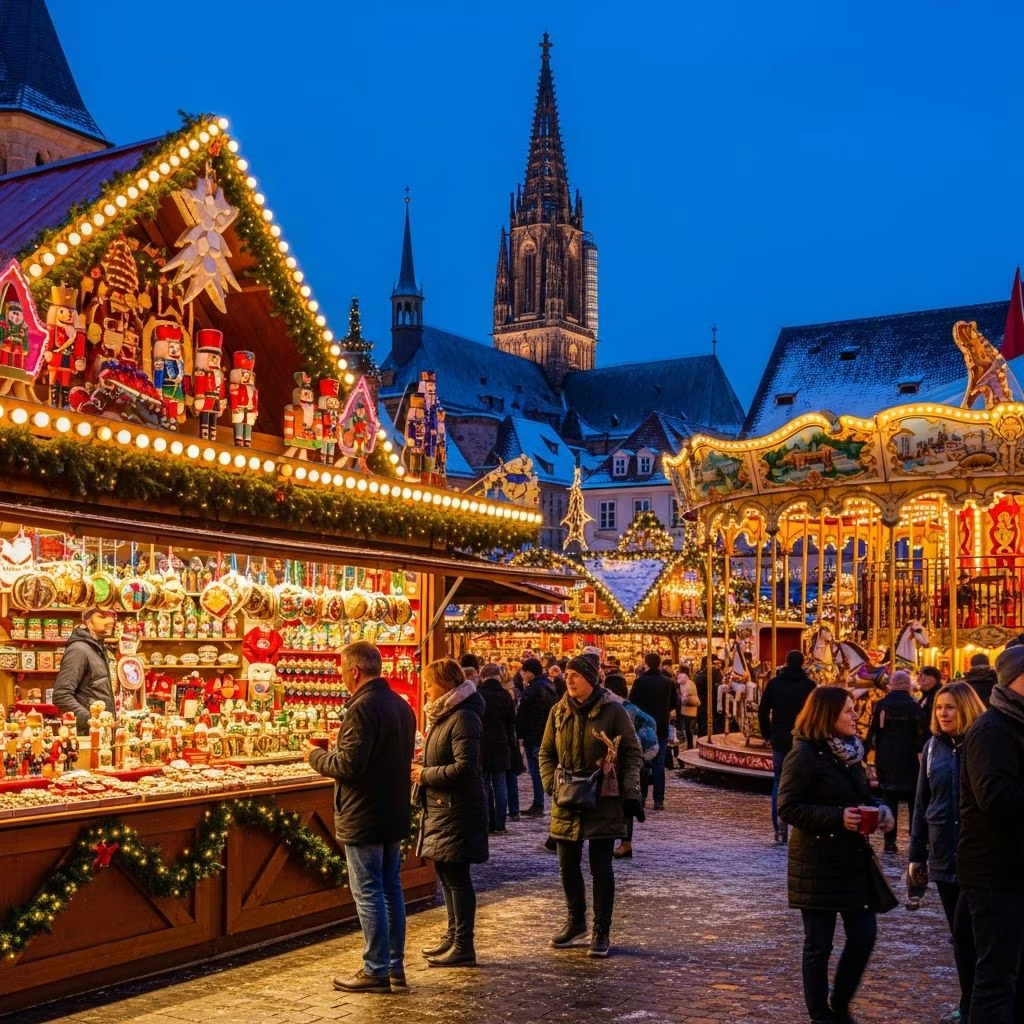
Germany’s approach to winter festivities represents centuries of cultural tradition blended with contemporary holiday enthusiasm. The nation’s Christmas markets, known locally as Weihnachtsmärkte, serve as gathering spaces where communities celebrate shared heritage through handcrafted goods, regional cuisine, and festive atmosphere. These markets distinguish themselves through their authentic character, combining medieval town squares with modern entertainment, creating experiences that resonate with both locals and international visitors seeking genuine holiday immersion.
The German concept of Gemütlichkeit — meaning coziness and convivial comfort — permeates these seasonal celebrations, transforming city centers into enchanted winter wonderlands. Unlike purely commercial holiday events, German Christmas markets maintain deep connections to regional craftsmanship, culinary traditions, and historical significance, offering visitors opportunities to engage with authentic cultural practices rather than mass-produced tourist attractions.
Historic Markets That Define the Season
Dresden’s Striezelmarkt: Nearly Six Centuries of Tradition
Dresden’s Striezelmarkt holds the distinction of being Germany’s oldest Christmas market, with documented origins tracing back to 1434. This historic market has operated nearly continuously for almost 600 years, making it not merely a tourist destination but a living chronicle of German holiday evolution. The market transforms Dresden’s Altstadt into a festive landscape centered around the world’s largest Weihnachtspyramide, standing at 14.62 meters tall according to Guinness World Records.
Visitors to the Striezelmarkt experience authentic Ore Mountain handicrafts, including smoke-powered pyramids and schwibbogen candelabras that represent centuries-old regional artisan traditions. The market’s culinary centerpiece is Dresdner Christstollen, a fruit-laden pastry with roots extending to medieval baking practices. Beyond shopping and dining, the market provides educational experiences through historical narratives about the region’s mining heritage and artistic evolution, allowing visitors to connect contemporary celebrations to historical contexts.
Nuremberg: Birthplace of Christkindl Traditions
Nuremberg’s Christmas market stands as one of Germany’s most renowned seasonal attractions, distinguished not only by its antiquity but by its role in establishing the Christkindl tradition that remains central to German Christmas observance. The market’s cultural significance extends beyond holiday commerce, representing institutional continuity in how German communities express seasonal values and family-centered celebration.
The market’s prominence stems from its integration into Nuremberg’s municipal identity, with generations of families returning annually to participate in established customs. This cyclical tradition transforms the market from temporary seasonal activity into an anticipated community ritual, reinforcing cultural bonds and maintaining historical practices that might otherwise fade in contemporary society.
Munich’s Marienplatz: Scale and Antiquity Combined
Munich’s Christkindlmarkt on Marienplatz represents Germany’s largest and allegedly oldest Christmas market, with origins potentially dating to the 14th century. The market’s expansive scale accommodates over 170 stalls arranged around the historic 14th-century Lutheran church, creating an immersive environment where architectural heritage and festive decoration intersect.
The Marienplatz setting provides distinctive visual character through its Gothic Revival structures and pedestrian-centered town design. Munich residents frequently vote the market among their preferred seasonal destinations, indicating successful integration of tourist appeal with authentic local patronage. The market’s longevity suggests successful adaptation to contemporary preferences while maintaining traditional elements that define German holiday identity.
Regional Specialties and Culinary Traditions
Distinctive Foods Across German Markets
German Christmas markets showcase culinary traditions tied to specific regions, with each destination offering distinctive foods reflecting local agricultural heritage and historical trading patterns. Bremen’s Schlachte-Zauber market features Bremer Klaben, a fruit bread similar to traditional Stollen, alongside Kohl und Pinkel, a local specialty combining kale with pork and sausage. These foods represent Bremen’s maritime trading history and regional ingredient availability rather than standardized holiday fare.
Dresden’s famous Handbrot — described as a bready pillow stuffed with cheese — exemplifies how regional specialties create memorable culinary experiences that distinguish individual markets from generic holiday commerce. These authentic foods serve educational functions, teaching visitors about regional agricultural products, historical trade routes, and family-centered food preparation traditions that characterize German cuisine.
Beverage Traditions and Market Culture
German Christmas markets maintain distinctive beverage customs that differentiate them from other European holiday celebrations. Traditional mulled wine (Glühwein) served in ceramic mugs — rather than disposable cups — emphasizes environmental consciousness and creates tangible souvenirs visitors carry beyond the market experience. This detail reflects broader German cultural values regarding sustainability and practical functionality, transforming beverages into cultural statements.
Markets by Geographic Region and Character
Berlin’s Unparalleled Variety
Berlin distinguishes itself through sheer market abundance rather than historical antiquity, with the city hosting over 80 individual Christmas markets catering to diverse visitor preferences and community identities. The WeihnachtsZauber Gendarmenmarkt draws approximately 800,000 annual visitors and features skilled artisans showcasing handmade crafts, while the Charlottenburg Palace market provides fairytale-like architectural backdrop for holiday shopping.
Berlin’s market diversity extends beyond traditional offerings to include specialized celebrations reflecting the city’s multicultural character. The Lucia market at Kulturbrauerei features Nordic and Scandinavian specialties, while the Potsdamer Platz venue offers Winterwelt attractions including ice skating and a 40-foot-high toboggan slide, accommodating families seeking active recreation alongside traditional market browsing.
Lakeside and Water-Based Markets
Weihnachtsmarkt am See represents an innovative market variation where waterfront locations create visual drama through strategic lighting and architectural integration. The market features 150 stalls stretching from historic city centers to harbors, with one million lights reflecting across water to create the impression of a floating market. This design approach transforms traditional market experience into theatrical presentation, where natural landscape elements enhance rather than distract from seasonal celebration.
The lakeside Christmas Ship featuring a 360-degree ice bar demonstrates how contemporary entertainment innovations integrate with historical settings to attract diverse visitor demographics. These water-based markets appeal to travelers seeking novel holiday experiences that combine cultural immersion with modern recreational opportunities.
Castle-Integrated Markets for Historical Ambiance
Several German destinations combine Christmas markets with castle sites, creating integrated historical experiences. Koblenz’s market, accompanied by the Ehrenbreitstein Fortress transforming into the Winter Garden with ice rink and light shows, exemplifies how architectural landmarks enhance seasonal atmosphere. Würzburg similarly integrates its market with fortress and residence sites, allowing visitors to experience multiple historical layers within single visits.
Early-Opening Markets for Extended Celebration
Certain German cities initiate holiday market seasons earlier than traditional November-December schedules, accommodating visitors with extended celebration windows. Duisburg, Essen, Dortmund, and Düsseldorf open markets earlier than typical, with Düsseldorf extending operations through December’s conclusion. These extended schedules serve practical functions for families planning holiday travel, allowing flexible timing to avoid peak congestion while accommodating diverse work and school calendars.
Medieval and Authentic Market Experiences
Esslingen’s Medieval Authenticity
Esslingen Christmas Market provides visitors seeking historically-informed experiences with the most authentic medieval display environment available in Germany. Rather than theatrical recreation of medieval aesthetics, Esslingen’s market exists within genuinely medieval architectural contexts, where market stalls occupy spaces previously occupied by centuries of commercial activity. This historical continuity transforms shopping experiences into archaeological engagement, where contemporary transactions occur within unchanged spatial relationships spanning centuries.
Smaller Markets for Authentic Atmosphere
Travelers prioritizing authenticity over scale frequently prefer smaller regional markets like Ahrweiler, a walled town in Germany’s wine region, which maintains more personalized holiday atmosphere than major urban centers. These markets resist standardization pressures affecting larger destinations, preserving idiosyncratic elements reflecting specific community histories and local merchant relationships. Ahrweiler’s charm derives partly from its modest size, which maintains social intimacy absent in markets accommodating hundreds of thousands of annual visitors.
Specialized Market Attractions and Unique Elements
Architectural Features and Interactive Elements
German Christmas markets incorporate distinctive interactive features reflecting regional traditions. Hanover’s Wishing Well Forest on Holzmarkt features a wrought iron wishing ring that, according to legend, must turn for wishes to manifest, creating engagement beyond commercial transactions. Similarly, Hanover’s 18-meter-high Christmas pyramid at Kröpcke and Finnish Christmas Village on Ballhofplatz provide visual landmarks and cultural curiosities distinguishing Hanover’s market experience from competitors.
Craftsmanship Showcase and Artisan Communities
German Christmas markets function as platforms for regional artisans to showcase traditional craftsmanship, with specific markets becoming known for particular craft traditions. The Erzgebirge region markets highlight centuries-old wood carving and decorative traditions, where visitors encounter artisans demonstrating techniques passed through generations. This educational dimension transforms markets into cultural preservation mechanisms, where commercial exchange directly supports traditional craftspeople, incentivizing skill transmission to younger generations.
Planning Considerations for Market Visitors
Seasonal Timing and Market Calendars
German Christmas markets operate with varying schedules throughout the November-December period, with certain markets opening as early as late October or concluding as late as December 31st. Aachen’s market runs from November 20 through December 23, 2026, while numerous destinations maintain different operational calendars accommodating regional preferences and economic considerations. Travelers planning multiple-market itineraries should consult official municipal websites for precise opening and closing dates to optimize visit efficiency.
Market Scale and Visitor Volume Considerations
Visitors seeking crowd-weary experiences should prioritize smaller regional markets or mid-week visits to major destinations, as popular markets like Nuremberg attract substantial tourist volumes during weekends and holiday weeks. Markets like Frankfurt provide alternatives for travelers valuing artisan quality and aesthetic appeal without extreme congestion, offering intermediate experiences between tiny regional markets and overwhelming major city events.
Frequently Asked Questions
Which German Christmas market is the oldest?
Dresden’s Striezelmarkt, operating continuously since 1434, represents Germany’s oldest Christmas market and remains one of Europe’s most historically significant seasonal celebrations.
When do German Christmas markets typically open?
Most German Christmas markets begin operations in late November, though some cities like Duisburg and Essen initiate celebrations earlier. Markets typically conclude on or shortly after December 24th, with some extending into early January.
What distinguishes German Christmas markets from other European holiday celebrations?
German markets emphasize regional craftsmanship, traditional cuisine tied to specific communities, and Gemütlichkeit (cozy conviviality) rather than purely commercial entertainment. Beverages served in ceramic mugs rather than disposable cups reflect environmental values and create lasting souvenirs reflecting market participation.
Are German Christmas markets suitable for families with children?
Most German Christmas markets accommodate families through diverse attractions including ice skating, toboggan slides, carousel rides, and kiddie-friendly food options. Markets like Potsdamer Platz’s Winterwelt specifically design recreational activities for younger visitors seeking active participation beyond shopping and dining.
Conclusion: Planning Your German Market Journey
Germany’s Christmas markets represent far more than seasonal shopping opportunities; they function as cultural institutions preserving centuries-old traditions while accommodating contemporary entertainment expectations. From Dresden’s nearly 600-year-old Striezelmarkt to Berlin’s 80+ specialized celebrations, German holiday markets offer diverse experiences satisfying varied traveler preferences and cultural interests.
Whether seeking historical authenticity, culinary adventure, family entertainment, or artistic appreciation, German Christmas markets provide accessible entry points to European holiday culture. Strategic planning considering market scale, geographic location, and operational calendars ensures visitors maximize their seasonal experiences while discovering aspects of German community life and artistic expression that transcend typical tourist engagement.
References
- The Best Christmas Markets in Germany to Visit in 2026! — Happy to Wander. 2026. https://happytowander.com/the-best-christmas-markets-in-germany/
- Germany Tour 2026: Christmas Markets — Dressler Detours. 2026. https://www.dresslerdetours.com/germany2026
- Christmas Markets Germany/Austria ideas for 2026 requested — Rick Steves Community Travel Forum. 2026. https://community.ricksteves.com/travel-forum/germany/christmas-markets-germany-austria-ideas-for-2026-requested
- Best Christmas Markets in Germany 2026 • Dates • Map • Tips — Archaeology Travel. 2026. https://archaeology-travel.com/thematic-guides/christmas-markets-in-germany/
- Germany’s best Christmas markets — The Points Guy. 2026. https://thepointsguy.com/travel/best-christmas-markets-germany/
- My favourite European Christmas Market destinations (2026) — My Vegan Travels. 2026. https://myvegantravels.com/destinations/european-christmas-markets/
On This Page
The Essence of German Winter Celebrations Historic Markets That Define the Season Regional Specialties and Culinary Traditions Markets by Geographic Region and Character Early-Opening Markets for Extended Celebration Medieval and Authentic Market Experiences Specialized Market Attractions and Unique Elements Planning Considerations for Market Visitors Frequently Asked Questions Conclusion: Planning Your German Market Journey← Previous
Best Tacos in America: Yelp’s Top Taco Spots Nationwide
Next →
10 Hidden Gem Ski Resorts in Canada for Powder, Value and Fewer Crowds
Related Reading
More in Food & Culture
Food & Culture Food & Culture
 Food & Culture
Best Places to Eat in Rome: Neighborhood Dining Guide
 Food & Culture
 Food & Culture