

 Travel Essentials
 Travel Essentials

Explore the best U.S. attractions offering ASL tours, hearing loops, captions, and quiet zones for travelers with hearing challenges. From Alcatraz to Mount Rushmore, find accessible adventures.
 Travel Essentials
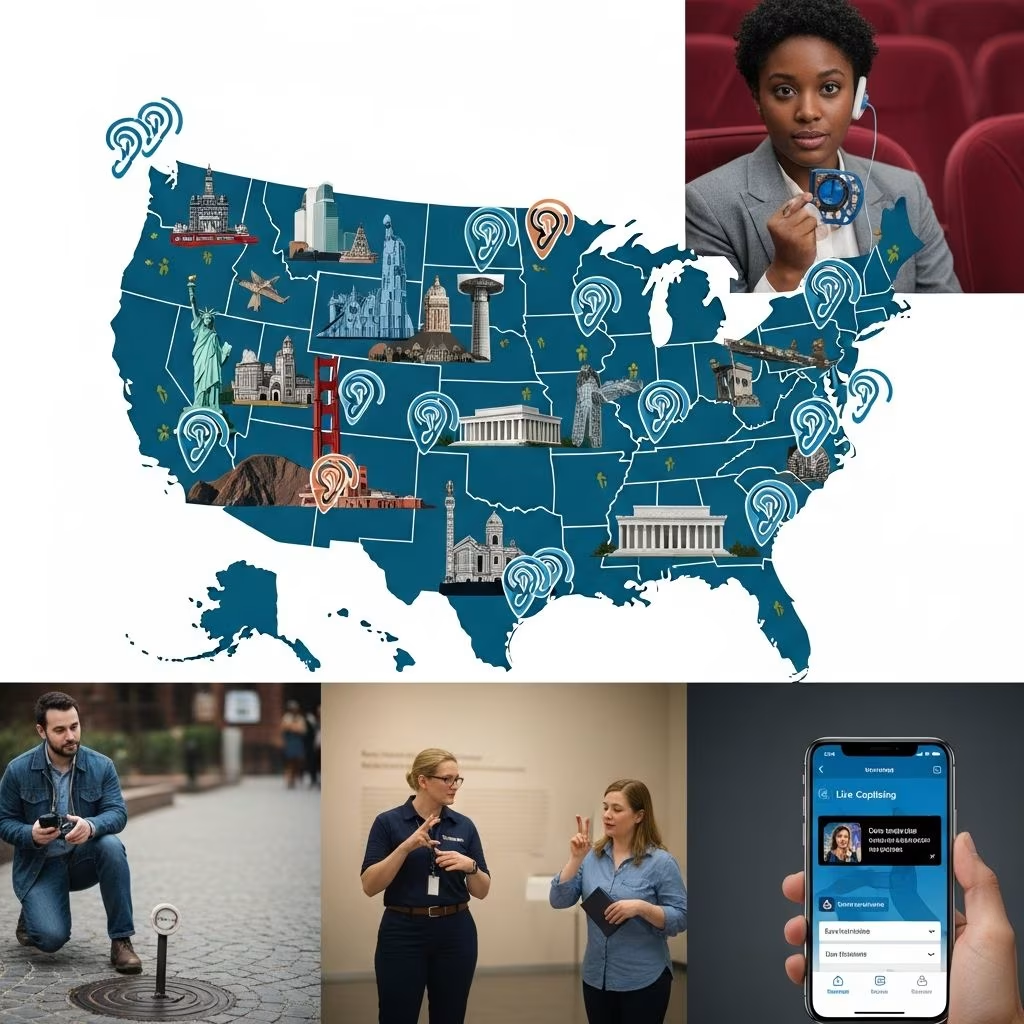
Traveling with hearing loss no longer means missing out on America’s iconic landmarks. Many popular destinations have implemented advanced accommodations like American Sign Language (ASL) tours, induction loops, captioned videos, and quiet spaces to ensure everyone can participate fully. This guide highlights standout locations based on comprehensive accessibility evaluations, drawing from expert analyses of features at major cultural and historic sites.
For individuals with hearing loss, standard audio guides and crowded environments can create barriers to enjoyment. Progressive attractions address this by offering visual and tactile alternatives. Evaluations score sites out of 80 points based on available supports, prioritizing those with multiple options like real-time captioning, personal amplifiers, and interpreter services. These enhancements not only comply with legal standards but elevate the visitor experience for all.
Alcatraz Island tops accessibility rankings with a score of 65/80, making it a prime choice for immersive history without auditory dependence. Sensory maps guide visitors through the former prison’s cells and grounds, highlighting key areas visually. ASL video tours provide detailed narratives in sign language, while designated quiet periods minimize echoing noises in the island’s stone structures. These features allow focus on exhibits like inmate artifacts and escape attempt displays, transforming a potentially overwhelming visit into an engaging one.
Scoring 63.9/80, The Met in New York City excels with comprehensive supports for art lovers. Sign language-led tours cover masterpieces from ancient Egypt to modern abstracts. Induction hearing loops at key desks ensure clear communication for those with compatible hearing aids. Assistive listening devices are loaned for events, and quiet zones offer respite from bustling galleries. Visitors can linger over paintings like Van Gogh’s starry nights with reduced distractions.
The Biltmore Estate in North Carolina scores 42.2/80, blending luxury with thoughtful accommodations. Guests access neckloop telecoil couplers that pair with hearing aids for audio tours. Printed transcripts accompany the 60-minute guide, detailing the Vanderbilt mansion’s opulent rooms and gardens. ASL tablets present the full narration, enabling self-paced exploration of the 250-room chateau without missing architectural insights or family lore.
Graceland, home of Elvis Presley, achieves 40.6/80 by focusing on captioned digital tours. iPad apps deliver closed captions for self-guided walks through the King’s jungle room and music studio. Personal or sanitized headphones enhance clarity, and advance notice unlocks additional aids. This setup lets fans absorb Elvis’s story visually, from gold records to personal mementos, in a relatively serene setting.
In Manhattan, this museum provides robust theater-based accessibility. Assistive devices operate in venues like the Hayden Planetarium and Giant Screen Theater. T-coil hearing loops in galleries and shows benefit hearing aid users directly. Dinosaurs, space simulations, and ocean exhibits become accessible through these tools, allowing families to share awe-inspiring moments without audio barriers.
The Statue of Liberty earns 36.7/80 with museum-focused features. Open-captioned films recount Lady Liberty’s history, while ASL audio guides detail construction. Printed self-guided tours and requestable ASL rangers (two weeks ahead) enrich pedestal visits. Strobe-equipped alarms add safety, ensuring harbor views and symbolic exhibits are inclusive.
Mount Rushmore scores 35/80, emphasizing advance planning. Free ASL for programs requires 14-day notice. Closed captions cover visitor center videos and evening ceremonies illuminating the presidential faces. Trails and viewpoints remain navigable, letting visitors contemplate national heritage amid Black Hills scenery.
Understanding options empowers trip planning:
| Feature | Description | Best For |
|---|---|---|
| ASL Tours/Interpretation | Live or video sign language guidance | Deaf visitors seeking interactive history |
| Hearing Loops (T-Coils) | Induction systems transmitting sound directly to aids | Hearing aid users in theaters/galleries |
| Captioned Videos/iPads | Text overlays on digital content | Self-guided exploration |
| Quiet Zones | Low-noise areas | Reducing sensory overload |
| Printed Transcripts | Text versions of audio scripts | Audio alternatives |
Book ahead for interpreters. Pack extra batteries for devices. Use apps like Google Maps for vibration alerts. Travel companions can learn basic ASL. Verify updates via official sites, as features evolve.
These accommodations foster universal design, benefiting neurodiverse groups and noisy-averse visitors. Enhanced engagement boosts satisfaction, with studies showing inclusive sites draw repeat crowds.
Typically 2 weeks; contact via official accessibility pages.
Seek T-coil venues; many provide loaners.
Yes, hands-on exhibits with visuals abound.
Scheduled low-crowd times reduce echoes.
Some like the Colosseum offer captions; research per destination.
Vibration tech and AI captioning are rising. National parks expand ASL ranger programs. Museums test haptic feedback for exhibits. Travelers report higher confidence, per advocacy groups.
