

 Travel Essentials
 Travel Essentials

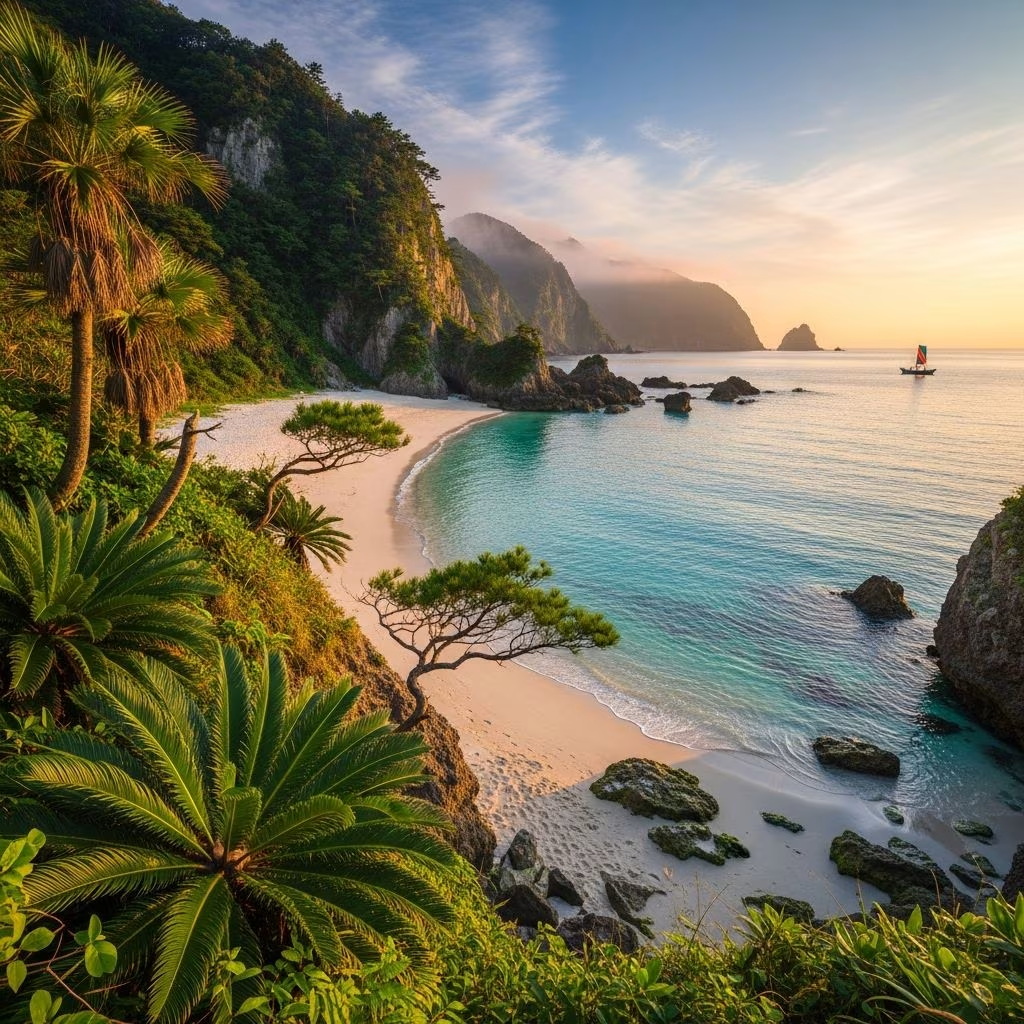
Explore Japan's lesser-known islands featuring pristine beaches, unique cultures, art installations, and natural wonders perfect for adventurous travelers.
 Travel Essentials
Japan’s reputation as a travel destination often centers on its bustling cities, ancient temples, and iconic landmarks. However, beyond the crowded urban centers lies an entirely different Japan—one characterized by serene coastal communities, untouched natural landscapes, and vibrant cultural traditions. The nation’s archipelago comprises thousands of islands, many of which remain relatively unknown to international visitors. These smaller islands offer authentic experiences that reveal the true essence of Japanese hospitality, tradition, and natural beauty. For travelers seeking to venture beyond conventional tourism routes, Japan’s lesser-known islands present compelling opportunities to discover authentic Japanese life while enjoying spectacular scenery and meaningful cultural encounters.
Island hopping has become an increasingly popular way to experience Japan’s diverse regions and ecosystems. Unlike mainland destinations, smaller islands maintain distinct identities shaped by their geographic isolation and local traditions. Each island tells a unique story through its architecture, cuisine, natural resources, and community values. The accessibility of these islands has improved significantly with modern ferry systems and transportation infrastructure, making them increasingly feasible for day trips or extended stays.
The cultural significance of these islands extends deep into Japanese history. Many served historical roles as trading posts, refuge sites during turbulent periods, or places of spiritual importance. Today, they continue to preserve traditions that have largely faded from urban centers, offering visitors genuine glimpses into Japanese heritage and contemporary island life.
Several Japanese islands have gained recognition for their exceptional natural environments and ecological importance. One such destination stands out for its location between Kyushu and Okinawa, featuring rich biodiversity and distinctive flora and fauna that have earned international recognition. This island combines lush vegetation, unique wildlife, and a vibrant community culture shaped by its remote position within Japan’s island network. The preservation of its natural ecosystems represents a significant conservation achievement in the region.
Another notable destination in the Kerama Islands group offers crystalline waters and pristine beaches perfect for water enthusiasts. Located just 30 minutes from a major urban center, this island maintains a peaceful atmosphere despite its accessibility. The island features multiple beaches serving different visitor preferences—some bustling with water sports activities and dining options, while others provide secluded settings for relaxation and meditation.
The Ogasawara Islands, situated 1,000 kilometers south of Tokyo, present year-round warm weather and abundant marine life. These nine-island chain possesses unique characteristics shaped by their isolated location. Snorkeling enthusiasts particularly value the region for encountering diverse aquatic species, including whales and dolphins, in their natural habitats.
Contemporary art has transformed several smaller islands into significant cultural destinations. One 3-kilometer island near Okayama has emerged as a hub for modern artistic expression without attracting the overwhelming crowds characteristic of more famous Japanese art destinations. The island hosts major contemporary art festivals every three years, featuring installations and architectural works accessible through straightforward walking paths. This island’s compact size allows visitors to explore its artistic offerings thoroughly within a single day, making it ideal for those with limited travel time.
Nearby islands in the same region have developed similar artistic identities, each featuring major museums and innovative art installations. Smaller adjacent islands contain thought-provoking sculptural works and contemporary exhibits that appeal to art enthusiasts seeking meaningful cultural engagement beyond traditional tourism experiences.
Certain island regions preserve important historical narratives that shaped Japanese and global history. The Goto Islands in Nagasaki Prefecture maintain exceptional historical significance through their preservation of “hidden Christian” heritage. These islands feature unique churches and spiritual sites reflecting a complex period in Japanese religious history. The islands’ landscapes combine with their architectural heritage to create compelling destinations for historically-minded travelers interested in exploring how isolated communities maintained their beliefs and traditions through challenging periods.
Beyond religious history, many islands contain archaeological sites, traditional villages, and historical structures that illuminate different eras of Japanese civilization. Castle ruins, traditional administrative buildings, and preserved residential quarters provide tangible connections to Japan’s feudal and modern periods.
Island communities have developed distinctive agricultural practices shaped by local climate, soil conditions, and cultural preferences. One northern island gained fame through its iconic rice terraces that transform dramatically across seasons. During spring and summer months, the terraces display vibrant green vegetation, while autumn and winter illumination projects create stunning nighttime landscapes from mid-October through mid-March.
Another island has become synonymous with a particular crop that defines its identity and economy. The island’s culinary traditions center around this agricultural product, offering visitors opportunities to sample regional specialties and experience farm-to-table dining practices. Local restaurants, agricultural cooperatives, and farm experiences provide direct engagement with island food cultures.
While preserving traditional culture, some islands have developed entertainment venues that appeal to contemporary visitors, particularly families. Northern island regions feature theme parks based on globally popular entertainment franchises, combining modern attractions with island settings. These venues include interactive experiences, dining facilities, and entertainment options that blend popular culture with scenic coastal environments.
These attractions represent efforts to develop sustainable tourism models that attract diverse visitor demographics while generating local economic benefits. The combination of traditional and modern elements creates unique experiences unavailable in conventional theme park settings.
Several islands have preserved remarkably intact traditional villages that maintain authentic architectural styles and community layouts. One Okinawan destination exemplifies this preservation, featuring traditional houses surrounded by distinctive stone walls and decorated with iconic local sculptures. The village landscape remains intentionally free from contemporary architectural elements, creating living museums where visitors experience traditional living arrangements and community organization.
These villages offer cultural experiences such as guided tours utilizing traditional transportation methods accompanied by musicians performing local instruments. The immersive nature of these experiences provides meaningful cultural education while supporting local communities economically.
Island environments provide exceptional opportunities for outdoor enthusiasts across multiple activity categories. Hiking trails wind through forested terrain, leading to scenic viewpoints and natural attractions. Several islands feature particularly renowned hiking routes that challenge experienced trekkers while rewarding them with spectacular landscape views and access to remote natural areas.
Water-based activities extend beyond basic swimming to include snorkeling, kayaking, diving, and glass-bottomed boat tours. These activities provide different perspectives on island ecosystems, from underwater coral gardens to dramatic coastal formations. Certain regions feature geological formations with special significance—underwater caves known for their distinctive azure waters, dramatic cliff formations requiring specialized viewing methods, and coastal rock formations accessible only by water transportation.
Beach experiences vary significantly across islands, with some offering family-friendly shallow waters and organized facilities, while others maintain wild, undeveloped coastlines perfect for contemplative visitors seeking solitude and natural beauty.
Climate patterns significantly influence island experiences and activity availability. Spring and summer months showcase agricultural landscapes at their peak aesthetic value and provide optimal conditions for water activities. Autumn brings dramatic seasonal color changes and more comfortable temperatures for hiking. Winter reveals illuminated agricultural features and provides quieter visiting conditions with fewer seasonal tourists.
Seasonal wildlife patterns, particularly sea turtle nesting grounds on specific beaches, create limited-time opportunities for observing natural phenomena. Understanding these temporal variations helps visitors plan trips aligned with their particular interests and activity preferences.
Modern ferry systems and occasionally air transportation connect most significant islands to major urban centers and each other. Ferries typically operate on regular schedules, though weather conditions occasionally affect service. Many islands remain accessible as day trips from substantial cities, while extended stays allow for deeper cultural immersion and broader activity participation.
Most islands maintain modest tourism infrastructure including accommodations, dining establishments, and rental services for bicycles or scooters. This infrastructure development varies by island; some maintain comprehensive tourist facilities while others emphasize authentic village experiences with limited commercial development.
Successful island experiences depend on understanding each destination’s distinctive characteristics and planning accordingly. Travelers should consider their primary interests—whether artistic pursuits, outdoor adventures, cultural immersion, or relaxation—and select islands matching these preferences. Season selection affects available activities and crowd levels significantly.
Accommodations range from luxury resorts to traditional guesthouses operated by local families. Many visitors enhance their experiences by engaging with local community members, participating in cultural activities, and sampling regional cuisine. Planning adequate time at each destination prevents the rushed experience that diminishes appreciation for island life and culture.
Access varies by island. Some islands operate regular ferry services from nearby prefectures or major cities, while others require multiple transportation connections. Air travel, though limited, connects certain islands directly to major airports. Consulting detailed travel guides and official tourism websites provides specific transportation information for individual destinations.
Spring (March-May) and autumn (September-November) offer ideal weather and natural beauty. Summer enables water activities but brings heat and occasional rain. Winter provides quieter experiences and lower prices, though some services may have reduced operations.
Yes, many islands operate ferry connections enabling multi-island itineraries. Planning ferry schedules carefully and allowing adequate time at each destination creates satisfying multi-island experiences without excessive travel stress.
Availability varies by island and specific attractions. Major tourist destinations typically offer English guidance, while smaller, less-visited islands may require advance arrangement or reliance on translation applications.
Essentials include sun protection, comfortable walking shoes, weather-appropriate clothing, and water bottles. Specific packing depends on selected activities and seasons. Islands often have limited retail options for forgotten items, making comprehensive packing advisable.
