

Travel EssentialsBest Hikes in Arizona: Sedona, Phoenix, Grand Canyon & Tucson Trails
Explore the best hikes in Arizona, featuring iconic trails in Sedona, Phoenix, Grand Canyon, and Tucson with details on difficulty, length, and highlights.
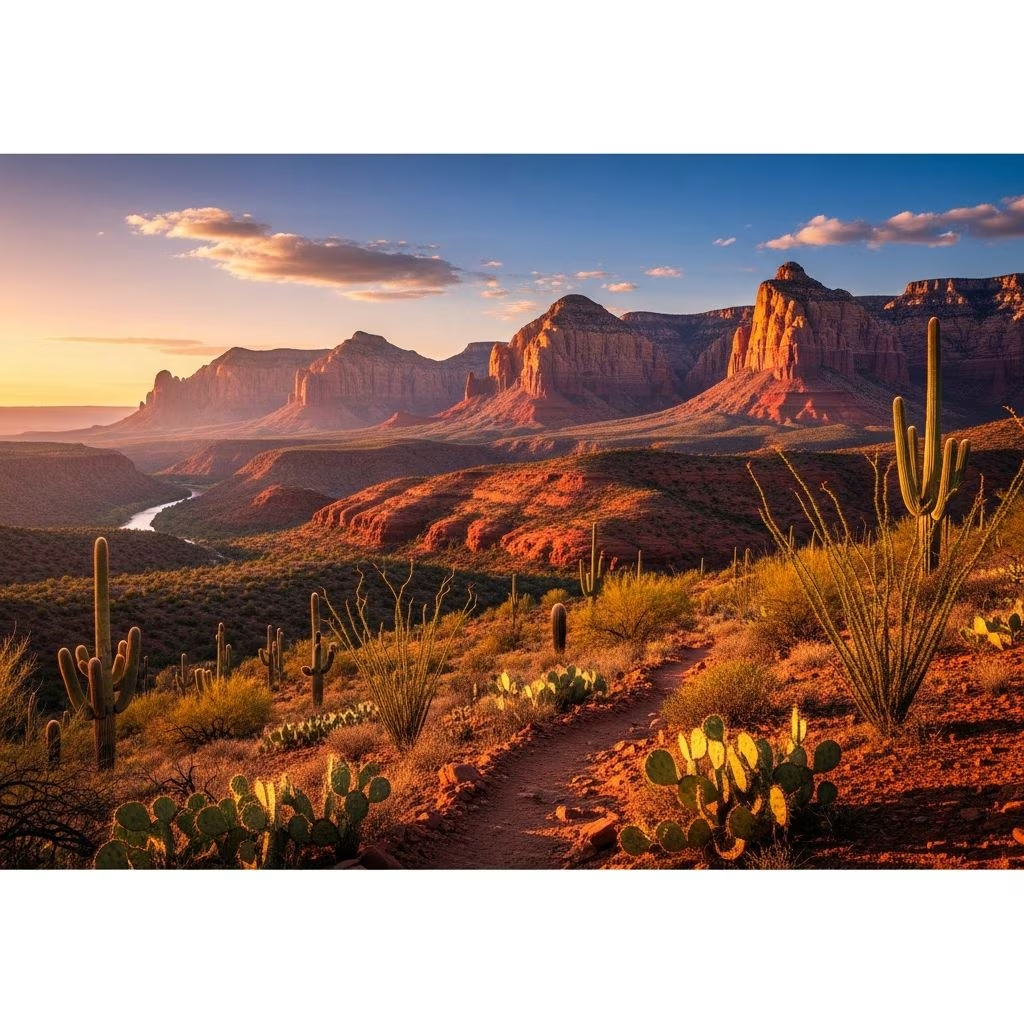
Travel EssentialsArizona’s diverse landscapes offer some of the most breathtaking hiking opportunities in the U.S., ranging from towering red rock formations in Sedona to the profound depths of the Grand Canyon and rugged desert peaks around Phoenix and Tucson. This guide highlights premier trails across the state, providing practical details on distance, difficulty, elevation gain, and unique features to help you plan your next outdoor adventure. Whether you’re a beginner seeking scenic strolls or an experienced trekker chasing challenging summits, these routes deliver stunning vistas and memorable experiences.
Iconic Sedona Trails for Red Rock Magic
Sedona’s vortex energy and dramatic sandstone spires make it a hiker’s paradise. The area’s trails wind through energy-charged sites amid vibrant crimson landscapes, offering spiritual and visual rewards.
- Cathedral Rock Trail: This short but intense 1.2-mile round-trip ascent climbs 700 feet via steep switchbacks and minor scrambling. Summit views encompass Oak Creek Canyon and distant mesas, ideal for sunrise hikes to avoid crowds.
- Devil’s Bridge Hike: A moderate 4.2-mile out-and-back leads to Arizona’s largest natural sandstone arch. The trail features forested paths, slickrock sections, and a thrilling gap walk atop the 54-foot span for panoramic Coconino National Forest sights.
- West Fork Trail: Follow Oak Creek through a shaded riparian canyon for 3.4 miles one-way (6.8 round-trip). Lush greenery, towering walls, and seasonal water crossings create a serene escape, perfect for families or photographers.
These Sedona routes are best from fall to spring to dodge summer heat; arrive early for parking at trailheads managed by the U.S. Forest Service.
Phoenix Area Peaks: Urban Desert Challenges
Phoenix’s surrounding mountains provide accessible yet demanding hikes with city-to-horizon views. These trails test endurance through boulder scrambles and relentless inclines.
| Trail Name | Distance (miles) | Elevation Gain (ft) | Difficulty | Highlights |
|---|---|---|---|---|
| Camelback Mountain (Echo Canyon) | 2.5 RT | 1,440 | Expert | Steep scrambles, 360° valley views |
| Camelback Mountain (Cholla) | 3.0 RT | 1,250 | Hard | Gradual start, camel-head summit |
| Piestewa Peak | 2.1 RT | 1,148 | Difficult | Sunrise/sunset staple, no dogs |
| Flatiron (Siphon Draw) | 6.0 RT | 2,300 | Very Hard | Full-body scramble, Superstition vistas |
Camelback’s dual trails cater to varying preferences: Echo Canyon for thrill-seekers with hand-over-hand sections, Cholla for a steadier pace. Piestewa Peak, in Phoenix Mountains Preserve, draws locals for its compact workout. The Flatiron in Superstition Mountains demands stamina, transitioning from basin flats to a knife-edge ridge and broad plateau overlooking the Sonoran Desert.
Grand Canyon and Northern Arizona Summits
The Grand Canyon’s immensity defines Arizona hiking, but northern trails like Humphreys Peak add alpine variety amid ponderosa pines.
- Bright Angel Trail: Descend 4,800 feet over 12 miles round-trip to Indian Garden (day hike option). Rest houses, water stations, and rim-to-river panoramas make it popular, but heat and exposure require caution.
- Humphreys Peak: Arizona’s highest point at 12,633 feet via a 10-mile round-trip from Arizona Snowbowl. Expect wildflowers in summer, snow in winter, and 360° views including the San Francisco Peaks.
- Havasupai Trek: A strenuous 25-mile round-trip to turquoise Havasu Falls requires permits and advance planning. Lush oases contrast canyon aridity, with backpacking for multi-day immersion.
Grand Canyon hikes demand National Park Service permits for overnight stays; hydrate extensively as temperatures soar below the rim.
Tucson and Southern Desert Gems
Southern Arizona’s saguaro-studded hills and canyons offer milder hikes with wildlife sightings and cultural echoes.
- Sabino Canyon Trails: In Coronado National Forest, opt for Blackett’s Ridge (4.2 miles, 1,800 ft gain) or Bear Canyon to Seven Falls (shuttle-accessible). No dogs, but scenic reservoirs and monsoonal waterfalls reward efforts.
- Saguaro National Park (Hugh Norris Trail): 10-mile loop through cactus forests to 6,800-foot vistas. East and West units prohibit dogs on trails, emphasizing pristine desert ecology.
- Peralta Trail to Fremont Saddle: 4.4 miles round-trip in Superstition Wilderness climbs to views of Weavers Needle, a volcanic pinnacle. Petroglyphs nearby add historical depth.
- Tucson Mountain Park (Starr Pass/Brown Mountain): Shorter loops like 5-mile Starr Pass suit varied skill levels; equestrians and bikers share some paths.
Tucson’s trails shine post-monsoon (July-September) when wildflowers bloom; Catalina State Park’s Romero Canyon offers dog-friendly alternatives with riparian zones.
Essential Hiking Tips for Arizona Trails
To maximize safety and enjoyment across these arid routes:
- Hydration and Gear: Carry 1 liter water per hour; use trekking poles for scrambles. Wide-brim hats, sunscreen, and headlamps for early starts essential.
- Seasonal Planning: Spring (March-May) and fall (September-November) ideal; summer monsoons bring flash flood risks—check forecasts via NOAA.gov.
- Permits and Fees: Grand Canyon and Havasupai require advance reservations (nps.gov); Sedona uses timed-entry passes.
- Wildlife and Leave No Trace: Watch for rattlesnakes, scorpions; pack out waste to preserve fragile ecosystems.
- Fitness Prep: Train for elevation; acclimate to heat. Apps like AllTrails provide real-time updates.
Comparing Trail Difficulties
| Easy | Moderate | Hard | Expert |
|---|---|---|---|
| West Fork (Sedona) | Devil’s Bridge | Piestewa Peak | Flatiron Scramble |
| Painted Hills Loop | Sabino Canyons | Bright Angel (partial) | Havasupai Descent |
This table aids selection based on experience; distances under 5 miles suit most day hikes.
Frequently Asked Questions (FAQs)
What’s the best time of year for Arizona hiking?
Fall and spring offer mild temperatures (50-75°F); avoid midday summer heat exceeding 100°F.
Are dogs allowed on these trails?
No on Camelback, Piestewa, Sabino, and most national park trails; yes in Catalina State Park and some Tucson Mountain paths.
Do I need permits for Grand Canyon hikes?
Day hikes free, but below-rim overnights require NPS backcountry permits (recreation.gov).
How strenuous is Sedona’s Cathedral Rock?
Short but steep with Class 3 scrambling; not for vertigo sufferers or young kids.
What gear is must-have for desert hikes?
At least 3L water capacity, salty snacks, first-aid kit, and offline maps via Gaia GPS.
These FAQs address common concerns for first-timers exploring Arizona’s trails.

References
- The Ultimate Guide to the 26 Best Hikes in Arizona — Explore With Alec. 2023. https://explorewithalec.com/best-hikes-in-arizona/
- Top 10 Best Hikes in Arizona — Danielle Outdoors. 2024. https://danielleoutdoors.com/best-hikes-in-arizona/
- The Best Hikes in Arizona: A Grand Canyon State, Indeed! — 57hours. 2024. https://57hours.com/review/hikes-in-arizona/
- Five Places to Hike in Tucson Arizona — Happy People Hike. 2023. https://happypeoplehike.com/tucson-arizona-hikes/
- 18 Best Hikes In Phoenix And Beyond — Karabou Adventures. 2024. https://thekarabou.com/hikes-in-phoenix-and-beyond/
More in Travel Essentials
Travel Essentials
Travel Essentials200+ Disney Instagram Captions for Magical Park Photos
Travel Essentials
