

 Travel Essentials
 Travel Essentials

Navigate Brazil's premier trekking routes from coastal paths to rainforest adventures, featuring trails for all skill levels across multiple regions.
 Travel Essentials
Brazil’s expansive terrain offers hikers and trekkers an extraordinary diversity of landscapes, from Atlantic rainforests teeming with biodiversity to dramatic mountain ranges and cave systems. The country’s natural attractions create opportunities for adventurers of varying experience levels to connect with pristine environments while challenging themselves physically and mentally. Whether you seek short day hikes with panoramic city views or multi-day expeditions through remote wilderness, Brazil’s trail network delivers unforgettable experiences.
Brazil’s major cities sit nestled among mountain ranges that provide accessible hiking opportunities without requiring extensive travel. Rio de Janeiro, in particular, has become synonymous with dramatic peak-based trails that offer stunning vistas combined with the convenience of urban proximity.
The Tijuca National Forest represents one of Rio’s most significant natural resources, encompassing thousands of acres of Atlantic rainforest within the city limits. This protected area functions as a network hub for multiple trails catering to different ability levels and objectives. Corcovado Mountain stands as perhaps the most iconic ascent, leading hikers to the base of the famous Christ the Redeemer statue. The forest’s intricate trail system also includes the challenging Pedra da Gávea route, an exposed rock scramble that demands both physical fitness and comfort with heights, rewarding successful summiteers with panoramic views extending across Rio’s coastline.
Pico da Tijuca, the forest’s highest elevation at approximately 3,320 feet, offers a more moderate alternative that still delivers impressive vistas. The ascent passes through lush vegetation and reveals layered mountain landscapes typical of Rio’s geography.
Beyond these marquee destinations, Morro Dois Irmãos (Two Brothers Mountain) in the Vidigal neighborhood provides an easy-to-moderate hike accessible to most fitness levels. The trail’s popularity stems from both its manageable distance and the rewarding 360-degree views from the summit, encompassing favelas, beaches, and distant mountains simultaneously.
Brazil’s geological formations include extensive cave systems that represent unique hiking destinations requiring specialized access. These underground environments preserve ancient rock art, dramatic geological formations, and ecosystems adapted to darkness.
Parque Estadual do Alto do Ribeira (PETAR) in São Paulo state holds the distinction of containing over 400 cataloged caves, earning its nickname as Brazil’s “cave capital.” The park’s most celebrated feature, Gruta Casa de Pedra (House of Stone Cave), displays one of Earth’s largest natural cave entrances, soaring approximately 708 feet high. The hiking route to this geological wonder takes trekkers through Atlantic Forest terrain, combining surface woodland exploration with the awe-inspiring moment of arriving at the massive cave opening.
Gruta do Janelão presents another significant cave-based hiking experience, distinguished by its combination of geological features and cultural heritage. This route crosses shallow river sections, navigates through multiple cavern passages, and showcases 9,000-year-old rock paintings created by indigenous peoples. The approximately 2.9-mile round-trip demands moderate fitness levels while delivering extraordinary encounters with Brazil’s ancient human history and geological drama.
For adventurers seeking extended wilderness immersion, Brazil offers substantial trekking routes that span multiple days and cover significant distances. These expeditions traverse remote landscapes with minimal infrastructure, providing genuine backcountry experiences.
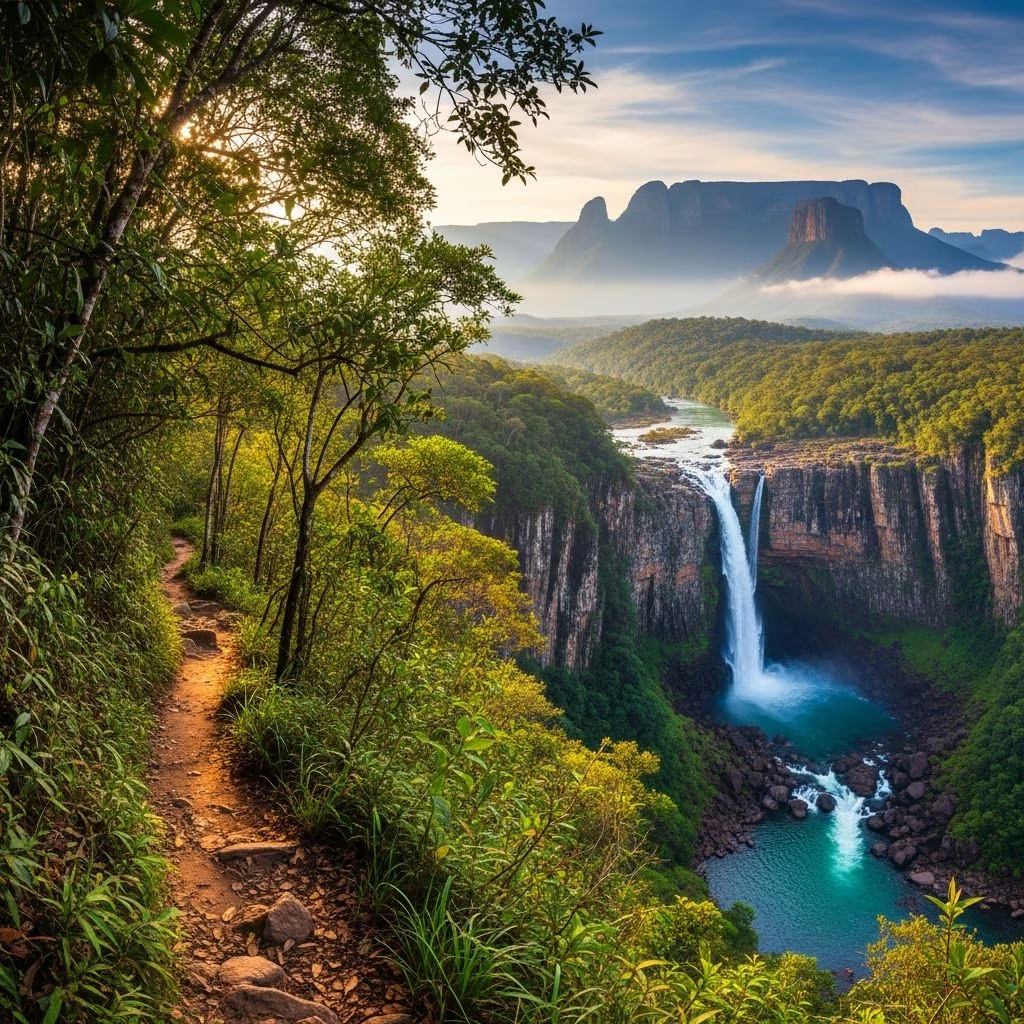
Chapada Diamantina National Park in Bahia state has established itself as Brazil’s premier trekking destination. The park’s dramatic terrain encompasses canyons, waterfalls, and table-top mountains creating some of South America’s most spectacular scenery. Vale do Pati represents the region’s most renowned multi-day trek, offering approximately 37.5 miles of trail through isolated valleys, across river crossings, and alongside cascading waterfalls.
This expedition typically requires seven days to complete, incorporating stays with local families who provide hospitality and mountain knowledge. The experience combines physical challenge with cultural immersion, as trekkers interact with people maintaining traditional lifestyles in remote mountainous terrain. The landscape transitions dramatically throughout the journey, revealing slot canyons, open plateaus, and verdant valleys that showcase geological complexity.
The region around Lençóis and Capão serves as the primary staging areas for Vale do Pati expeditions and other Chapada Diamantina routes. These small towns provide accommodation, supplies, and guide services necessary for successful wilderness treks.
Brazil’s abundant precipitation and mountainous terrain create numerous waterfall formations that serve as destinations for specialized hiking routes. These hikes combine moderate physical activity with rewarding natural spectacles.
Cachoeira da Fumaca (Smoke Waterfall), located within Chapada Diamantina, exemplifies waterfalls that justify multi-hour hikes. The waterfall’s distinctive characteristic involves wind that disperses the falling water into a misty cloud effect, particularly pronounced during drier seasons. Reaching this natural wonder requires navigating trail terrain that passes through varied ecosystems before arriving at the falls’ base.
Rio de Janeiro’s urban trails also feature waterfall destinations. Cachoeira dos Primatas (Primates Waterfall) in the Jardim Botânico area provides an approximately 1.1-mile hike that gains roughly 476 feet of elevation. This relatively easy route attracts both serious hikers and casual explorers seeking natural beauty accessible from the city center.
While Rio de Janeiro and Chapada Diamantina capture most hiking attention, Brazil contains numerous lesser-known trails offering genuine solitude and pristine natural environments. These routes appeal to experienced hikers seeking to escape established tourist circuits.
Parque Nacional Serra dos Órgãos features Hercules’ Portals trail, a substantial expedition spanning 37.5 miles over seven days. The route’s name derives from a natural rock formation visible along the path that resembles a bearded face of the mythological figure. This trail represents a more demanding option than Chapada Diamantina alternatives, appealing to hikers with considerable experience and excellent fitness levels.
The trail’s success depends on careful preparation, appropriate equipment, and ideally guidance from experienced local guides familiar with navigation challenges and seasonal conditions. The reward involves experiencing mountains and valleys seen by comparatively few international visitors.
| Trail Category | Typical Duration | Distance | Elevation Gain | Recommended Experience |
|---|---|---|---|---|
| Easy Urban Hikes | 1-2 hours | 1-3 miles | 500-800 feet | Beginners welcome |
| Moderate Day Routes | 3-5 hours | 3-7 miles | 1,000-1,500 feet | Basic fitness required |
| Challenging Peak Ascents | 4-6 hours | 4-8 miles | 2,000+ feet | Good fitness and experience |
| Multi-Day Expeditions | 5-7+ days | 20-40+ miles | Variable with terrain | Advanced experience |
Brazil’s hiking destinations preserve some of Earth’s most biodiverse and ecologically significant ecosystems. Understanding these environments enhances hiking experiences and highlights conservation importance.
The Atlantic Forest, through which many Brazilian trails pass, ranks among the world’s most threatened biomes. This forest type once covered vast areas along Brazil’s coast but now survives in fragmented patches. Hiking through protected Atlantic Forest sections contributes financially to conservation efforts through park fees and creates awareness of habitat preservation needs.
Chapada Diamantina’s cave systems and karst topography represent geological formations dating back millions of years. These landscapes developed through water erosion of limestone and other soluble rocks, creating the dramatic formations visible today. The caves harbor specialized invertebrate species found nowhere else on Earth, making these locations scientifically valuable beyond their recreational appeal.
Brazil’s tropical and subtropical climate means hiking conditions vary significantly across regions and seasons. Understanding these variations ensures safe and enjoyable experiences.
The dry season, typically May through September, provides optimal conditions for most Brazilian trails. Rainfall decreases, trails dry sufficiently for safe passage, and visibility improves for viewing distant landscapes. This period coincides with international travel patterns, meaning popular trails become crowded.
Rainy season hiking (November through April) presents challenges including slippery surfaces, swollen rivers, and reduced visibility. However, waterfall displays intensify, vegetation flourishes with vibrant green color, and fewer visitors provide more solitude. Experienced hikers with appropriate gear can navigate rainy-season conditions successfully.
Brazilian trails span a wide spectrum from easy 1-2 hour walks suitable for families and casual visitors to strenuous multi-day expeditions demanding excellent cardiovascular fitness and hiking experience. Most popular destinations offer easy-to-moderate options alongside challenging alternatives, allowing mixed-ability groups to find suitable routes.
Many established trails near cities function safely without guides. However, remote expeditions like Vale do Pati typically require guides for navigation, safety, and cultural mediation with local communities. Guides enhance experiences through ecological knowledge and historical context regardless of their necessity for route-finding.
Brazil’s biodiverse forests host numerous species including monkeys, birds, snakes, spiders, and insects. Most wildlife avoids humans; serious encounters remain rare. Noise while hiking typically frightens animals away. Learning basic wildlife identification and behavior helps hikers coexist respectfully with local fauna.
Popular urban trails like Corcovado and Morro Dois Irmãos host numerous hikers daily, making them inherently safer for solo adventurers. Remote multi-day treks generally warrant group participation or professional guide services. Solo hikers should inform others of their plans and carry communication devices.
The dry season (May-September) offers ideal conditions with lower rainfall, better visibility, and firmer trail surfaces. However, rainy season (November-April) provides equally valid experiences with fewer crowds and dramatic waterfall displays for those with appropriate experience and gear.
Brazil’s extraordinary hiking opportunities accommodate virtually every adventurer’s objectives and abilities. Whether you seek convenient urban escapes offering dramatic views, geological adventures through ancient cave systems, cultural immersion in remote mountain communities, or technically challenging wilderness treks, Brazil’s trail landscape provides compelling options. By understanding each trail’s characteristics, seasonal variations, and preparation requirements, hikers can design experiences that create lasting memories while respecting the natural environments that make Brazil a premier global hiking destination.
