

 Travel Essentials
 Travel Essentials

Explore Colorado's diverse hiking landscape with trails ranging from alpine lakes to desert vistas. Find your perfect outdoor adventure.
 Travel Essentials
Colorado stands as one of North America’s premier hiking destinations, offering an extraordinary diversity of landscapes and trail experiences within its borders. The state’s topography encompasses everything from high-altitude alpine basins to dramatic canyonlands, providing outdoor enthusiasts with countless opportunities to explore natural beauty at varying difficulty levels. Whether you’re a seasoned mountaineer seeking technical challenges or a casual walker searching for accessible scenic routes, Colorado’s trail system delivers memorable experiences throughout the year.
The state’s hiking opportunities extend across multiple distinct regions, each offering unique geological features and ecological characteristics. The Rocky Mountain range dominates much of the landscape, creating the high peaks and alpine lakes that define many popular trails. Beyond the mountains, Colorado features significant desert ecosystems, including sand dunes that rival more famous desert destinations. Understanding these geographical divisions helps hikers select trails that match their preferences and physical capabilities.
Elevation plays a critical role in planning Colorado hikes. Many of the state’s most iconic trails climb above 12,000 feet, where thin air and unpredictable weather demand proper preparation and acclimatization. Lower elevation trails, often found in national monuments and near Denver, provide excellent options for those less accustomed to high-altitude hiking.
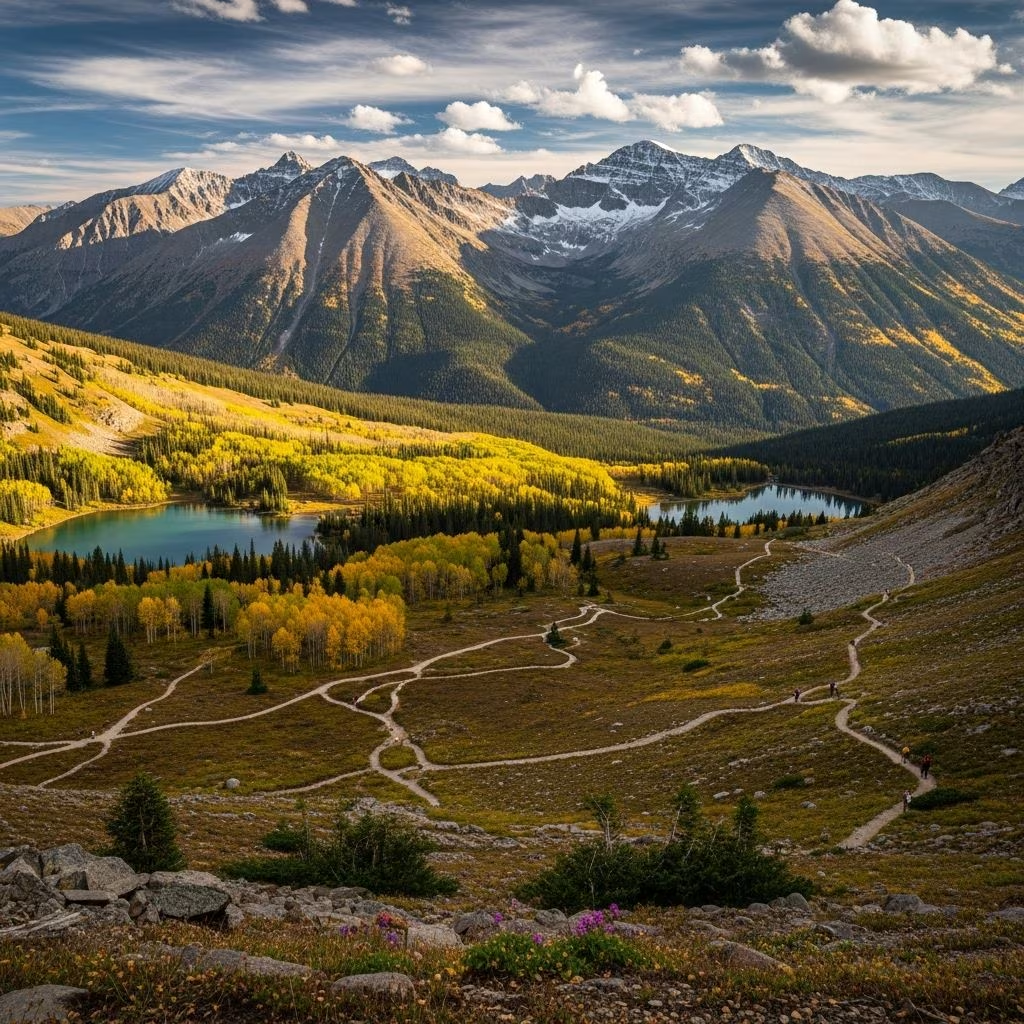
Colorado’s alpine lake trails consistently rank among the most photographed and sought-after destinations in the state. These high-altitude water bodies, formed by glacial activity over millennia, attract hikers year-round seeking dramatic mountain scenery combined with pristine aquatic settings.
The San Juan Mountains lake region offers multiple interconnected trail systems that allow hikers to experience numerous alpine basins in a single trip or across multiple outings. These trails typically feature well-maintained paths leading to increasingly beautiful vistas, with each successive lake often surpassing the previous one in scenic intensity. The summer season provides the most accessible conditions, though snowmelt continues through early July in some areas.
Another significant lake destination features glacially-carved valleys and multiple water bodies at varying elevations. This particular trail system allows visitors to choose loop options or point-to-point hikes depending on fitness level and time availability. The intermediate difficulty rating makes these trails accessible to most hikers with basic mountain experience.
Certain Colorado hiking routes achieve peak visual impact during mid-summer when alpine and subalpine wildflowers bloom in spectacular displays. These seasonally-dependent trails transform ordinary mountain passes into botanical showcases, with entire hillsides displaying purple, yellow, red, and white flowering plants. The blooming period typically concentrates between July and August, though exact timing varies annually based on snowmelt and weather patterns.
Trails through high-altitude passes connecting major towns offer particularly impressive wildflower displays. These historic routes, originally used by miners and settlers, traverse ecosystems that have exploded with vegetation diversity over the course of evolution. The combination of elevation change, sun exposure, and moisture availability creates ideal conditions for numerous flowering species.
Colorado’s crown jewel national park encompasses over 415 square miles of protected mountain terrain, featuring trails ranging from short nature walks to challenging multi-day backpacking routes. The park’s diverse trail system provides access to everything from pristine alpine lakes nestled at the base of dramatic peaks to gentle forest trails suitable for families.
The park’s eastern slopes feature the most accessible major trail network for Denver-area residents, typically requiring 1.5 to 2.5 hours of driving time. These trails lead through subalpine forest ecosystems before opening into alpine terrain, offering dramatic transitions in landscape and vegetation. Many of these routes combine moderate difficulty with extraordinary scenery, making them popular choices for visitors seeking balance between challenge and accessibility.
Popular lake trails within the park range from relatively short 3-mile roundtrip hikes suitable for leisurely afternoon outings to more ambitious 8-mile to 10-mile day hikes requiring greater stamina and mountain experience. The park’s northern section offers particularly striking scenery, with dramatic cliff faces and cascading waterfalls complementing the alpine lake destinations.
Beyond Colorado’s famous mountains, the state’s desert regions offer dramatically different hiking experiences that many visitors overlook. Great Sand Dunes National Park represents North America’s largest concentration of sand dunes, creating a landscape that seems entirely incongruous with Colorado’s mountain reputation.
Hiking the prominent sand dunes provides a unique physical challenge, combining cardiovascular exertion with the technical difficulty of moving across unstable terrain. The reward for this effort comes in the form of panoramic vistas encompassing the massive dune field while simultaneously viewing snow-capped mountain peaks on the distant horizon. This juxtaposition of desert and alpine landscapes creates memorable photo opportunities and profound contrast experiences rarely found in a single location.
Colorado National Monument offers additional desert landscape exploration through its network of trails showcasing colorful rock formations and geological features. These routes range from minimal-exertion nature walks to challenging day hikes, providing options for varying fitness levels.
Understanding trail difficulty ratings helps hikers match their abilities with appropriate destinations. Easy trails typically cover shorter distances with minimal elevation gain and well-maintained, clearly marked paths. These routes work well for families with young children, individuals new to hiking, or those seeking peaceful forest walks without significant physical demands.
Moderate difficulty trails involve longer distances and noticeable elevation gain, requiring approximately 4 to 6 hours of hiking time. Hikers tackling moderate trails should possess basic mountain experience and reasonable cardiovascular fitness. These routes often lead to significant scenic payoffs, including alpine lakes, mountain passes, or exceptional viewpoints.
Challenging and advanced trails demand substantial climbing, higher elevations approaching or exceeding 13,000 feet, and technical terrain navigation. These routes require experience with high-altitude hiking, proper acclimatization, and often advanced navigation skills. Many challenging Colorado trails attract experienced mountaineers and backcountry adventurers.
Denver’s location within Colorado provides convenient access to multiple excellent hiking destinations, with numerous trails positioned within 30 minutes to 2 hours of the city. This accessibility makes Denver an ideal base for outdoor exploration, whether planning day hikes or multi-day backpacking expeditions.
Trails closest to Denver often feature easier difficulty ratings and shorter distances, accommodating visitors with limited time or seeking quick outdoor escapes. These nearby options serve residents and visitors alike, providing regular hiking opportunities without substantial travel commitments. Forest trails near the city showcase subalpine ecology and wildflower displays without requiring the physical demands of higher elevation routes.
Colorado’s climate creates distinct seasonal hiking experiences and challenges. Summer months provide the most predictable weather and maximum trail accessibility, with snow clearing from high-elevation paths by early to mid-July in most years. However, afternoon thunderstorms represent a significant hazard during summer months, particularly above treeline where lightning strikes pose serious dangers.
Fall hiking offers reduced crowds and increasingly beautiful scenery as aspen forests transition from green to golden colors. The stable weather patterns and clearer air create excellent visibility and photography conditions. Spring hiking in Colorado presents mixed conditions, with lingering snow at higher elevations and sudden weather changes.
Winter hiking and snowshoeing appeal to dedicated outdoor enthusiasts prepared for serious mountain conditions. Lower elevation trails near Denver often remain accessible year-round, though proper winter gear and avalanche awareness become critical considerations.
Colorado’s high elevation demands proper acclimatization, particularly for visitors arriving from lower elevations. Spending the first day at moderate altitude before tackling high peaks helps prevent altitude sickness and allows bodies to adjust to thinner air. Staying hydrated, consuming nutritious food, and avoiding alcohol support the acclimatization process.
Weather changes rapidly in Colorado mountains, requiring hikers to carry adequate layers and rain protection regardless of morning conditions. Starting hikes early in the day allows completion before afternoon thunderstorms become likely. Proper footwear, navigation tools, and first aid supplies complete the essential preparation checklist.
Summer months from June through September offer the most reliable weather and maximum trail accessibility. However, July and August bring afternoon thunderstorms to high-elevation areas. Early summer and fall provide excellent conditions with fewer crowds.
Arrive at altitude a day before tackling high-elevation hikes when possible. Stay hydrated, avoid alcohol, eat balanced meals, and consider slower hiking pace. Descending to lower elevation resolves acute altitude sickness symptoms.
Many trails permit dogs on-leash, though specific regulations vary by location. National parks typically have stricter dog restrictions than national forests. Always check specific trail regulations before arrival.
Essential items include water, high-energy snacks, sun protection, weather-appropriate layers, navigation tools, and a first aid kit. Carry more water than you anticipate needing, as Colorado’s dry climate accelerates dehydration.
Colorado’s exceptional trail diversity ensures every hiker discovers suitable destinations matching their abilities and preferences. Whether seeking solitude in remote alpine basins, dramatic mountain vistas, unique desert landscapes, or accessible forest walks, Colorado delivers extraordinary outdoor experiences. Planning ahead with proper research, appropriate preparation, and realistic self-assessment of abilities transforms Colorado hiking from simple outdoor recreation into memorable adventures that inspire continued exploration of America’s magnificent mountain landscapes.
