

 Travel Essentials
 Travel Essentials

Explore diverse hiking routes through Florida's iconic wetlands, from wildlife-rich boardwalks to challenging backcountry paths suitable for all fitness levels.
 Travel Essentials
Everglades National Park spans over 1.5 million acres of unique subtropical wetlands, making it one of America’s most distinctive natural landscapes. The diverse ecosystem supports an incredible array of wildlife, from alligators and egrets to manatees and panthers. For visitors seeking to experience this remarkable environment on foot, the park offers numerous hiking options that cater to different skill levels and time constraints. Whether you’re interested in a quick boardwalk stroll or an extended backcountry adventure, the Everglades provides unforgettable opportunities to connect with nature.
The Everglades is often referred to as the “River of Grass,” a description that accurately captures its essence. This slow-moving river system creates a unique ecosystem unlike anywhere else in the United States. The park’s varied terrain includes sawgrass marshes, hardwood hammocks, pine forests, and coastal mangrove areas. Each ecosystem supports different plant and animal communities, which means that your experience on one trail may differ significantly from another. Understanding these landscape variations helps visitors choose trails that match their interests and physical capabilities.
For those new to the park or with limited time, several excellent trails provide concentrated wildlife viewing experiences in minimal distances. These accessible routes prove that you don’t need hours of hiking to encounter the Everglades’ natural wonders.
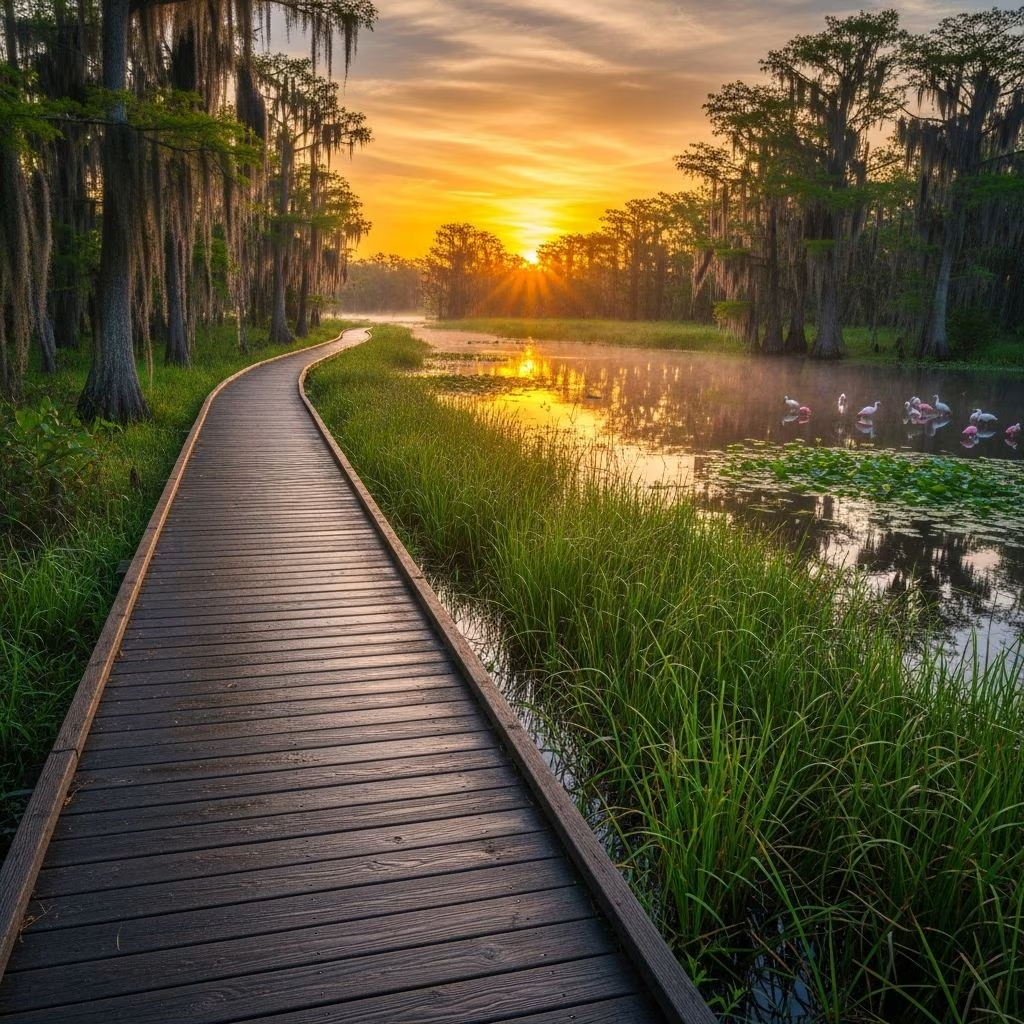
The most visited pathway in the entire park is a relatively modest 0.8-mile round-trip route through sawgrass marshes at Royal Palm. This self-guided boardwalk winds through prime wildlife habitat where visitors frequently observe alligators, turtles, anhingas, herons, egrets, and numerous other bird species. The trail’s popularity stems from its exceptional wildlife viewing opportunities, particularly during the winter months when bird activity peaks. The paved and elevated construction ensures accessibility for wheelchair users, while the boardwalk design keeps hikers safely above the wet terrain.
The accessibility and proven wildlife encounters make this route perfect for families with young children, elderly visitors, or anyone wanting a quintessential Everglades experience in a compact timeframe. Despite its popularity, which can mean crowded conditions during peak seasons, the trail remains worthwhile. A visitor center with restroom facilities is located at the trailhead, providing convenient amenities.
For those seeking a different perspective, a 0.16-mile boardwalk with an elevated observation platform offers sweeping vistas across the Everglades. This minimal-effort trail features a cool boardwalk structure and provides views of the iconic “River of Grass” landscape that defines the park. On clear days, visitors can even spot the observation tower in the distant Shark Valley area. While wildlife sightings aren’t guaranteed, this route’s brevity and visual rewards make it an excellent complement to longer hikes.
Visitors with more time and moderate fitness levels can explore trails that penetrate deeper into the park’s diverse environments. These routes offer richer ecosystem experiences while remaining manageable for most visitors.
A trail network near Royal Palm combines two distinct experiences within close proximity. One route meanders through mixed hardwood and cypress terrain on an out-and-back path that runs parallel to a creek draining toward Florida Bay. This shaded corridor provides relief from the intense Florida sun while offering opportunities to observe different plant communities than those visible from boardwalks. The creek-side location increases chances of seeing aquatic birds and occasional crocodilians.
Located at the park’s southern tip, the Flamingo area offers several trail options suitable for intermediate hikers. These routes traverse varying terrain from overgrown forest roads to more maintained pathways. The Flamingo area’s position at the interface between freshwater and saltwater environments creates unique ecological conditions. Trails here often reward visitors with excellent bird-watching opportunities, ranging from wading birds to woodland species. Some routes can be combined with biking for those seeking extended explorations.
For experienced hikers seeking authentic wilderness experiences, the Everglades offers more demanding routes through less-traveled terrain.
A 5.2-mile round-trip path through former roads and overgrown woodland presents a genuine backcountry challenge. This unmaintained trail traverses terrain that can be extremely muddy and partially submerged, depending on seasonal water levels. The combination of sparse shade, high insect populations, and potential flooding makes this route suitable only for dedicated naturalists willing to accept rugged conditions. However, the trail excels for woodland bird watching and offers a genuine sense of wilderness exploration. For ambitious cyclists, this route can be extended into a longer loop combining careful biking along the main park road.
An 11.8-mile round-trip adventure through shrubby pineland forest and slash pine habitat provides a challenging yet rewarding experience. This route follows a relatively dry limestone trail, offering better conditions than the wetter western paths. Hikers traverse past Pine Glades Lake and encounter birds, bugs, fish, and reptiles along an exposed pathway. The pinelands ecosystem represents a distinct Everglades environment, less well-known than the sawgrass marshes but equally interesting to ecologically-minded visitors.
The Shark Valley area features a distinctive 15-mile paved loop that accommodates walkers, cyclists, and tram tour participants. Most visitors choose bicycles or the narrated tram service rather than walking the entire circuit. However, determined hikers can traverse this route on foot, though the complete journey typically requires three to four hours or more. The trail presents a significant challenge due to almost complete lack of shade, requiring substantial sun protection and generous water supply. The reward comes from excellent wildlife viewing opportunities and access to the park’s highest publicly-accessible point—an observation tower at the loop’s midpoint offering panoramic vistas. Early morning departures provide the best conditions for both comfort and wildlife activity.
Beyond these primary routes, the park contains additional options suited to particular visitor interests. Several shorter boardwalks near Shark Valley provide appealing alternatives if you’re concentrating your visit in that area. A one-mile boardwalk explores woodland habitat and raised path environments, while a half-mile variant focuses on different forest types. These specialized routes prove valuable if you’re combining multiple destinations within the park or have specific ecosystem interests.
Timing dramatically affects your Everglades experience. Winter months (December through February) offer the most comfortable temperatures and peak bird activity. The cooler conditions make longer hikes more enjoyable, while concentrated bird populations increase wildlife viewing chances. Summer months bring intense heat, humidity, and afternoon thunderstorms. Spring and fall provide moderate conditions but variable wildlife sightings.
While the Everglades presents minimal danger to cautious visitors, common-sense precautions apply. Stay on marked trails, as unmarked areas can be dangerously wet or marshy. Maintain safe distances from all wildlife—alligators deserve particular respect despite their generally docile behavior. Never attempt to feed animals or remove vegetation. During backcountry hikes, inform someone of your intended route and estimated return time.
The Everglades supports over 360 bird species, making it a world-class birding destination. Wading birds like herons and egrets concentrate along waterways, while raptors soar overhead. Alligators are nearly guaranteed sightings, particularly along boardwalk routes. American crocodiles inhabit the southern saltwater areas but are less commonly observed. Fish, turtles, and numerous amphibians populate the waterways. Mammals like raccoons, otters, and occasionally manatees can be encountered, though sightings vary by location and season.
Hiking through the Everglades offers more than physical exercise—it provides insight into one of Earth’s most remarkable ecosystems. The park’s conservation challenges and ecological significance make visits particularly meaningful. As you traverse these trails, you’re walking through a landscape that supports an incredibly complex web of interdependent species. This perspective transforms hiking from mere recreation into genuine environmental education and appreciation.
Winter months (December through February) offer the most comfortable temperatures, peak bird activity, and fewer insects, making them ideal for hiking.
Most trails prohibit pets, though service animals are permitted. Check current regulations before visiting.
Trails range from wheelchair-accessible boardwalks to challenging backcountry routes, accommodating all fitness levels.
Lightweight, breathable clothing, sturdy waterproof footwear, a wide-brimmed hat, and light layers for temperature changes are recommended.
Visitor centers near popular trailheads provide restroom facilities, but backcountry routes offer no amenities.
Plan for at least 2-3 liters per person for short hikes and significantly more for longer routes.
