

 Travel Essentials
 Travel Essentials

Explore Japan's diverse hiking destinations from volcanic peaks to ancient trails, with tips on access, difficulty, and seasonal highlights for unforgettable adventures.
 Travel Essentials
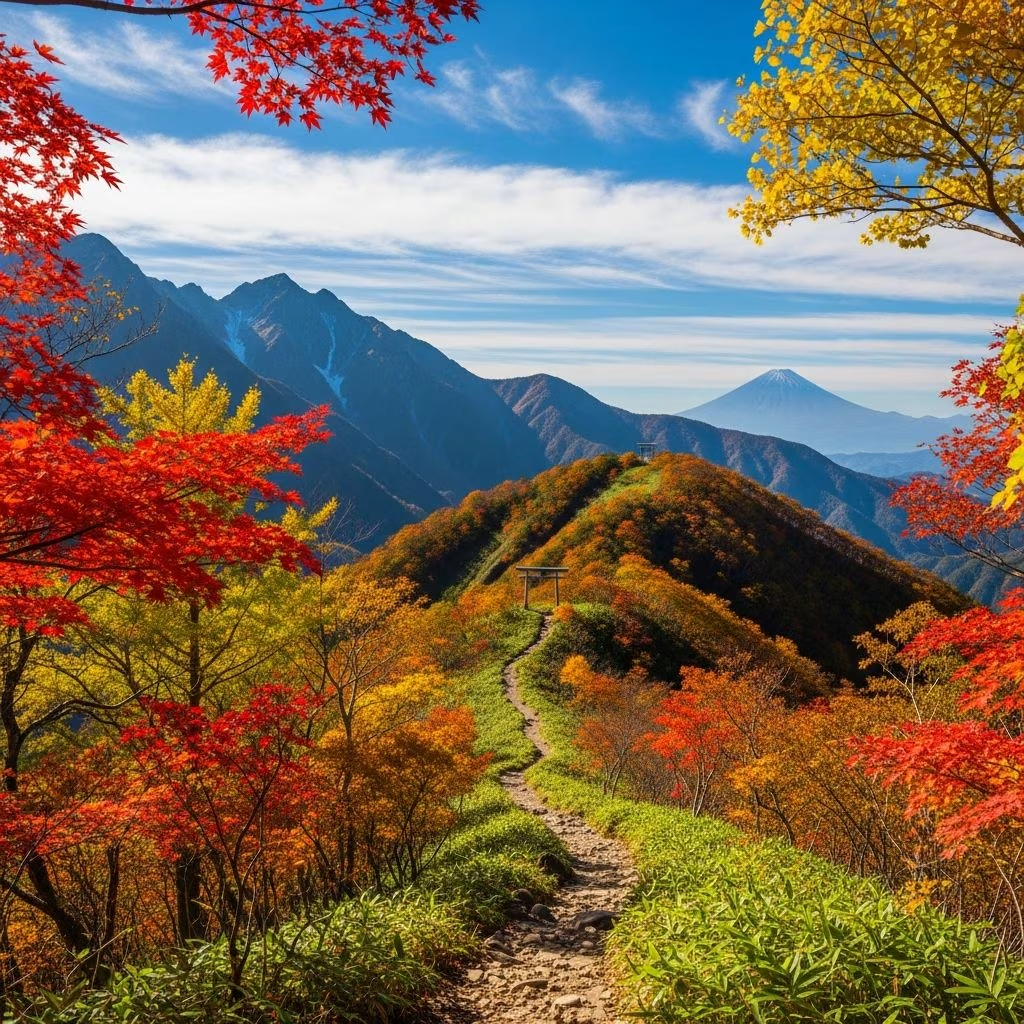
Japan’s landscape offers a paradise for hikers, blending towering volcanoes, rugged alpine ranges, serene forests, and historic pathways. From the snow-capped peaks of the Japanese Alps to the fiery craters of Kyushu, these trails provide diverse experiences year-round. Whether you’re a novice seeking gentle walks or an expert tackling multi-day treks, Japan’s well-maintained paths, accessible by public transport, make adventure attainable.
Hiking in Japan combines natural beauty with cultural depth. Trails often pass ancient shrines, hot springs, and traditional villages, immersing you in history amid stunning scenery. National parks like Chūbu-Sangaku protect vast wilderness areas, while seasonal changes—cherry blossoms in spring, vibrant foliage in autumn, snowy vistas in winter—enhance every outing. Public transport links most trailheads, and mountain huts offer overnight stays.
Central Honshu, home to the Japanese Alps, boasts some of the nation’s most celebrated hikes. These routes challenge with elevation gains but reward with panoramic views.
The Nakasendo, an Edo-period route linking Kyoto and Tokyo, winds through preserved towns like Magome and Tsumago. This isn’t a steep climb but a cultural ramble past thatched roofs and cedar-lined paths. Day hikes between villages cover 8-12 km, ideal for moderate fitness levels. Spring brings wildflowers; autumn, fiery maples. Accessible from Nagoya via train.
In Chūbu-Sangaku National Park, Kamikochi features flat riverside paths amid jagged peaks. The 10 km valley trail suits all ages, showcasing crystal streams and hotaka mountain views. Extend to higher ridges for steeper challenges. Buses from Matsumoto make it reachable; best in summer when snow melts.
While Mt. Fuji’s ascent is legendary (July-September season, 3,776m summit), surrounding trails like Mt. Ishiwari offer gentler alternatives. This 1,413m peak near Yamanaka-ko lake provides Fuji vistas via 4-10 km loops. Chains aid scrambles; visit in clear weather for photos. Direct buses from Shinjuku.
Japan’s active volcanoes deliver dramatic hikes with steaming vents and lunar landscapes.
Honshu’s most active volcano (2,568m) near Karuizawa offers trails circling craters. Moderate paths suit day trippers, with longer routes for experts. Resort-town vibes add charm post-hike. Trains from Tokyo; hike spring-fall to avoid snow.
In Tochigi, this volcano’s harsh terrain contrasts lush forests. A ropeway shortens the 2 km summit push, or hike neighboring peaks for 12 km. Beginner-friendly yet extendable; public buses from Utsunomiya.
Beyond major parks, lesser-known areas surprise with unique features.
Saitama’s 30 km trail splits into day hikes, featuring Mt. Izugatake’s giant hand sculpture. Northern 12 km section mixes forests and views; accessible from Tokyo by train. Year-round, with winter snowshoes optional.
In Tanzawa range (Kanagawa), endless stairs lead to Fuji overlooks. 8-10 km from Okura or Yabitsu trailheads; extend to Mt. Tanzawa with hut stays. Locals favor it; spring cherry blossoms enhance.
Gunma’s 1,825m peak circles Lake Onuma on a 5 km loop, blooming pink azaleas in June. Extend to 12 km for Lake Konuma. Shrine visits add spirituality; buses from Maebashi.
Southern Kyushu pulses with geothermal energy, perfect for dramatic hikes.
World’s largest caldera hosts peaks like Kishimadake and Eboshidake. Trails vary from short crater rims to multi-day circuits. Nakadake’s active vent often closes; check status. Trains/buses from Kumamoto; hike cautiously.
Oita Prefecture’s plateaus offer wildflower meadows and peaks. Gentle ridges suit families; longer loops challenge. Spring-summer best; accessible via bus from Yufuin onsen town.
Shikoku and beyond provide pilgrimages and coastal paths.
Wakayama’s temple-laden plateau features mossy trails around sacred sites. Easy 5-10 km loops amid cedars; overnight in shukubo lodgings. Cable car from Osaka; autumn foliage peaks.
Tottori’s 1,729m dormant volcano offers winter ski-hikes and summer greens. 10 km circuits; ropeway aids. Trains from Yonago; year-round appeal.
Gifu’s 48-waterfall path meanders 6 km through gorges. Gentle grades; misty cascades thrill. Buses from Takayama; summer avoids crowds.
| Trail | Difficulty | Distance (km) | Elevation Gain (m) | Best Season |
|---|---|---|---|---|
| Nakasendo Way | Easy-Moderate | 8-12 | 200-400 | Spring/Autumn |
| Kamikochi | Easy | 10 | Minimal | Summer |
| Mt. Fuji Area (Ishiwari) | Moderate | 4-10 | 500-800 | Clear Days |
| Mt. Asama | Moderate-Strenuous | 5-15 | 600-1000 | Spring-Fall |
| Mt. Aso | Moderate | 5-20 | 400-700 | Summer |
| Koyasan | Easy | 5-10 | 100-300 | Autumn |
Beginners: Opt for Kamikochi, Nakasendo, or Chausu ropeway. Experts: Kita Alps like Kasagatake (21 km, 1,900m gain). Always assess fitness; apps like Yamap provide GPS maps.
Many are beginner-friendly with clear signage; start easy and progress.
Official season July 1-September 10; book huts early.
Weekends and holidays busier; weekdays quieter, especially off-season.
Rare encounters; bells deter. Focus areas: Hokkaido, northern Honshu.
Limited; use designated huts or sites. Fire bans common.
Highly; buses/taxis fill gaps. English signs growing.
For immersion, tackle Kita Alps circuits or Shikoku Pilgrimage (88 temples, 1,200 km). Nakasendo extensions link five towns over days. Prepare with fitness training, permits if needed.
