

 Travel Essentials
 Travel Essentials

Explore Northern Spain's most stunning hiking destinations, from dramatic canyon walks to alpine peaks offering unforgettable mountain experiences.
 Travel Essentials
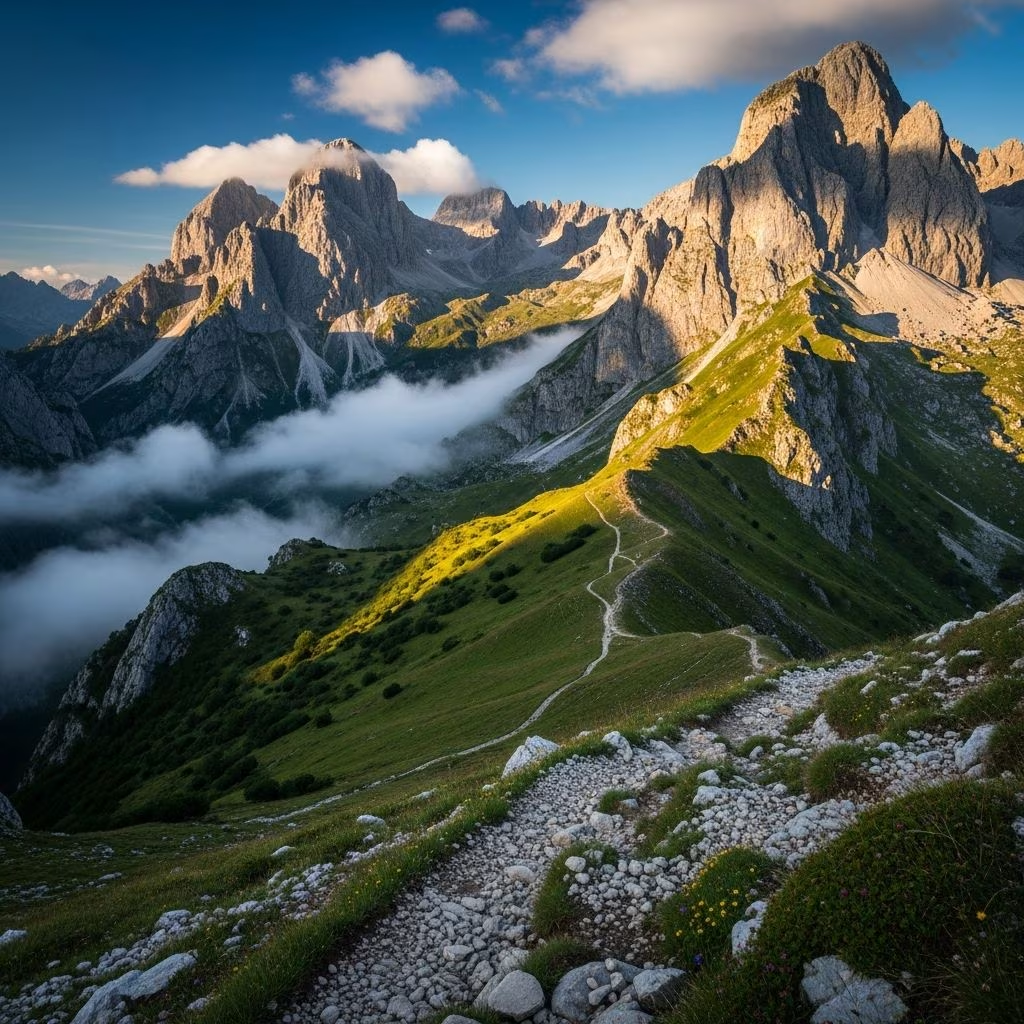
Northern Spain stands as one of Europe’s premier destinations for mountain enthusiasts and outdoor adventurers. The region’s dramatic landscape features towering limestone formations, deep gorges carved by rushing rivers, lush valleys, and verdant meadows that create an extraordinary backdrop for hiking and trekking. From challenging scrambles to leisurely valley walks, Northern Spain offers an impressive diversity of trails that cater to varying fitness levels and experience. The accessibility combined with spectacular natural scenery makes this region an essential destination for anyone seeking authentic mountain experiences in Western Europe.
The mountainous regions of Northern Spain encompass several distinct geographic zones that each offer unique hiking characteristics and experiences. The Picos de Europa national park represents perhaps the most iconic and dramatic landscape, stretching across three provinces including Cantabria, Asturias, and León. This renowned park is known for its soaring limestone peaks, emerald-colored pastures, charming traditional villages, and remarkably deep gorges that have been sculpted by ancient geological processes. The park itself is organized into three separate mountain massifs: the Cornion Massif located in the west, the Urrieles Massif in the central region, and the Andara Massif positioned in the east. Each massif presents distinct characteristics and different hiking opportunities for visitors.
Beyond the Picos region, Northern Spain includes additional mountain ranges and volcanic areas that expand the range of available hiking experiences. The Garrotxa Zona Volcanica region features trails through landscapes shaped by ancient volcanic activity, offering a completely different geological and aesthetic experience compared to the limestone formations of the Picos. These varied landscapes ensure that hikers can experience dramatically different environments and challenges within the relatively compact northern region.
The most celebrated hiking experience in Northern Spain involves traversing the stunning canyon carved by the Río Cares through the heart of Picos de Europa. This particular route has become legendary among Spanish hikers and increasingly popular with international visitors seeking dramatic mountain scenery. The canyon walk covers approximately 23 kilometers in its round-trip configuration and typically requires six and a half hours to complete, making it an achievable adventure for reasonably fit hikers without requiring mountaineering expertise.
The trail itself presents a fascinating paradox of accessibility and drama. Despite its thrilling appearance and the soaring rock pinnacles that pierce the sky above, the actual hiking path maintains consistent width and stable conditions throughout most of its length. The route descends roughly 250 meters during its first two kilometers, then transitions to predominantly level terrain or gentle downhill sections, making it manageable for hikers with moderate fitness levels. The trail passes through several short tunnels, beneath dramatic rock overhangs, and includes a distinctive 23-meter cliffside boardwalk that adds an element of excitement without requiring technical climbing skills.
Navigation along this route is generally straightforward despite some sections where trail markings can be subtle or easily overlooked. Small green arrows and paint blazes mark the official route, though consulting maps beforehand helps ensure confident navigation. Hikers with anxiety about heights should be aware that certain sections feature steep drops adjacent to the path, particularly after Castro de Castromiñán and near Praia de Arnela, though alternative routes allow avoidance of these specific segments without sacrificing the overall hiking experience.
Within the Picos de Europa lies a geological marvel that has captivated climbers and mountaineers for generations. Picu Urriellu, alternatively known as El Naranjo de Bulnes, rises as a dramatic limestone formation towering 500 meters vertically above the surrounding landscape. This distinctive peak resembles an enormous thumb jutting from the earth and represents one of Spain’s most visually striking natural formations. While the summit itself demands serious rock climbing credentials, the approach hike to the base of this mountain offers an exhilarating adventure accessible to fit hikers without technical climbing experience.
The most practical hiking route to reach Picu Urriellu’s base begins from an unpaved road situated approximately five kilometers west of Sotres village, with convenient parking located near La Robre, a traditional herders’ settlement. The established trail, marked as PRPNPE21, initially leads through a broad grassy saddle before continuing southwest through verdant hillsides bordered by dense woodlands. The entire approach involves approximately 830 meters of cumulative ascent and descent, with the trail remaining well-defined and straightforward to follow. The final push toward the Refugio de Urriellu, a mountain shelter serving hikers and climbers, gains an additional 100 meters of elevation over the last kilometer.
This hike exemplifies how Northern Spain provides opportunities to experience extreme natural drama without requiring extreme sporting capabilities. The psychological thrill of standing at the base of such an imposing geological formation creates a powerful mountain experience that remains accessible to a broad demographic of hikers.
Beyond the most celebrated routes, Northern Spain harbors numerous lesser-known canyon systems and forest trails that reward adventurous explorers with solitude and equally compelling scenery. The descent through certain canyon systems begins at specialized facilities designed to support outdoor activities, such as eco-lodges and adventure hubs positioned at trail entrances. These canyons typically feature extended boardwalks initially, allowing hikers to experience dramatic gorge environments safely before transitioning to more traditional trail conditions.
Many canyon routes progress from dramatic gorge sections into pastoral landscapes featuring vineyards, traditional villages, and diverse woodland ecosystems. These transitions create varied experiences within single day hikes, allowing hikers to experience multiple distinct environments and cultural landscapes within the span of a few hours of walking. The combination of geological drama, agricultural heritage, and traditional architecture provides context and richness to the pure physical hiking experience.
Northern Spain’s hiking experiences extend beyond mountain interiors to include spectacular island and coastal routes. Protected island groups accessible from the mainland offer unique hiking opportunities combining coastal scenery with isolated landscapes. These routes typically involve ferry access followed by trail systems navigating island terrain, providing a completely different aesthetic from mountain canyon walking while maintaining the adventure and scenic impact.
The Garrotxa Zona Volcanica presents an entirely distinct hiking landscape shaped by ancient volcanic activity rather than water erosion. This region supports an extensive network of trails suitable for various fitness levels and interests. Tourist infrastructure in the region, including visitor offices in towns like Olot near transportation hubs, provides detailed maps and guidebooks assisting hikers in navigating the volcanic terrain.
For those interested in extended multi-day trekking experiences, Northern Spain supports established long-distance trail networks that traverse multiple regions. The GR 83 trail, known locally as the Cami del Nord, extends over 200 kilometers from the Mediterranean coast near Mataro through diverse landscapes ultimately reaching Prada de Conflent. Alternative long-distance routes like the GR 2 connect different towns and regions, allowing hikers to customize multi-day itineraries exploring the region’s varied geography and communities.
The range of available trails in Northern Spain accommodates varying fitness levels. Moderate difficulty trails such as the famous canyon walk require reasonable cardiovascular fitness and hiking experience but do not demand mountaineering skills or specialized technical training. More challenging routes involving significant elevation gain and steep terrain require stronger preparation and genuine hiking experience. First-time visitors should honestly assess their fitness level relative to recommended difficulty ratings before committing to specific routes.
Northern Spain’s mountain weather patterns vary significantly across seasons, affecting trail conditions, accessibility, and overall hiking experience. Spring and fall typically offer optimal conditions with moderate temperatures and reduced precipitation compared to winter months. Summer seasons bring warmth and longer daylight hours but may attract larger crowds on popular routes. Winter conditions can render certain high-altitude trails impassable due to snow and ice.
Most established trails in Northern Spain maintain consistent marking systems using painted blazes, cairns, or official signage. However, trail condition and marking consistency varies across different routes and regions. Hikers should carry detailed maps, consult guidebooks beforehand, and consider GPS devices for more remote or less-traveled routes. Local tourism offices provide valuable regional resources including maps, guides, and current information about trail conditions.
While most trails in Northern Spain maintain safe width and stable footing, certain sections feature significant exposure or dramatic drops adjacent to the path. Hikers with acrophobia or height anxiety should review specific sections beforehand and consider alternative routing options that achieve similar experiences without maximum exposure. The dramatic scenery that makes these routes so compelling does occasionally coincide with sections demanding comfort with heights.
Northern Spain’s hiking regions support varying levels of infrastructure from remote mountain refuges to established lodges and village accommodations. The presence of these facilities along popular routes enables comfortable basecamp experiences while avoiding exhausting daily transfers between distant villages. Refugios (mountain shelters) serve both casual hikers and serious mountaineers, providing meals, rest facilities, and valuable local knowledge.
Public transportation connections to major trailheads and hiking regions provide viable alternatives to personal vehicle rental or driving. Local buses serve many villages and regional centers, though frequency and schedules require advance research. Parking near major trailheads ranges from formal designated facilities to informal roadside options, with capacity varying seasonally as tourism fluctuates.
Northern Spain’s mountains exist within rich cultural landscapes featuring traditional villages, distinctive regional architecture, and agricultural heritage. Many hiking routes pass through or near these communities, providing opportunities to experience local hospitality, regional cuisine, and authentic cultural experiences alongside the natural scenery. This integration of hiking adventure with cultural immersion distinguishes Northern Spain from purely wilderness-focused mountain destinations elsewhere in Europe.
The geology underlying these landscapes tells a story of dramatic earth movements, ancient seas, and weathering processes spanning millions of years. Understanding these geological narratives—the limestone formations of the Picos, the volcanic history of Garrotxa—adds intellectual dimension to the visceral experience of traversing these dramatic terrains.
Northern Spain’s trail diversity allows visitors to match hiking experiences to personal priorities. Those prioritizing visual drama and geological extremes find compelling routes in the Picos region. Visitors seeking solitude and less-crowded experiences discover alternative canyons and forest routes equally compelling if less celebrated. Multi-day trekking enthusiasts access established long-distance networks supporting week-long itineraries. Families and casual walkers identify moderate routes offering manageable distances and accessible scenery without demanding extreme fitness.
The region’s comprehensive trail network ensures that virtually any outdoor preference finds matching options within Northern Spain’s mountain landscape. Whether seeking personal challenge, natural beauty, cultural immersion, or simply energizing outdoor experiences, these mountains provide compelling adventures that justify Northern Spain’s reputation as one of Western Europe’s premier mountain destinations.
