

Travel EssentialsBest Hikes in Ontario: Scenic Trails, Escarpment Views & Backcountry Adventures
Discover the best hiking adventures in Ontario, featuring rugged coastal paths, escarpment views, and forested loops perfect for all skill levels.
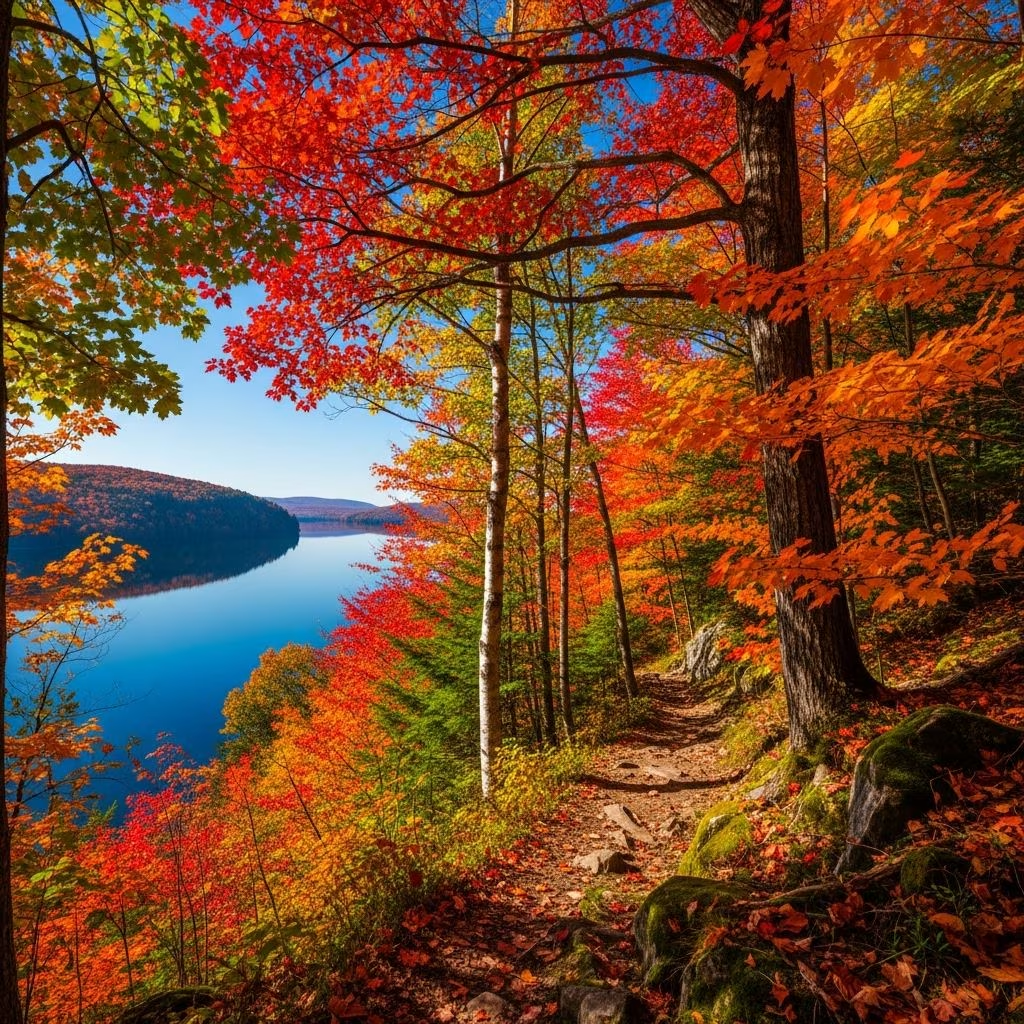
Travel EssentialsOntario boasts diverse terrain ideal for hikers of every experience level. From the dramatic cliffs along the Niagara Escarpment to the wild shorelines of Lake Superior, these trails offer breathtaking vistas, challenging ascents, and serene wilderness immersion. Whether seeking a quick day outing or a multi-day backpacking journey, Ontario’s parks and conservation areas deliver unforgettable experiences.
Iconic Escarpment Adventures
The Niagara Escarpment defines much of southern Ontario’s hiking scene, providing elevated paths with panoramic views. This ancient geological formation stretches across the province, supporting long-distance routes and shorter scenic loops.
- Bruce Trail Mastery: Spanning approximately 900 kilometers from Queenston Heights near Niagara Falls to Tobermory, this premier long-distance footpath traces the escarpment’s edge. Hikers can tackle sections like the 21-kilometer stretch through Bruce Peninsula National Park, renowned for its rugged beauty and cliffside overlooks.
- The Grotto Exploration: In Bruce Peninsula National Park, this 4-kilometer moderate trail leads to the stunning Grotto, a sea cave with crystal-clear turquoise waters framed by sheer cliffs. Extending the route enhances the adventure with additional escarpment vistas.
- Grand Valley Trail Sections: Following the historic Grand River from Belwood to Port Maitland, this trail divides into segments like Pinnacle (40 km), Black Walnut (75.6 km), Carolinian Crest (68.9 km), and Towpath (65.3 km), offering varied terrain from riverbanks to forested ridges.
Northern Wilderness Epics
Northern Ontario’s vast parks feature demanding trails amid pristine lakes and ancient forests, perfect for those craving remoteness and raw nature.
- La Cloche Silhouette Challenge: Located in Killarney Provincial Park, this rugged 73-kilometer loop demands 5 to 10 days, navigating quartzite ridges and pristine lakes. Its silhoutte-defining peaks provide some of the province’s most dramatic panoramas.
- Pukaskwa Coastal Trail: For a true backcountry test, this 60-kilometer (or 120 km return) path in Pukaskwa National Park hugs Lake Superior’s undeveloped shoreline. Expect strenuous hiking over five days, with pebble beaches and towering cliffs as rewards.
- Casque Isles Trail: This 53-kilometer route from Terrace Bay to Rossport breaks into segments: McLeans (14 km), Schreiber Channel (13 km), Mount Gwynne (7 km), Death Valley (10 km), and Lyda Bay (6 km). It winds through dense woods and rocky shores, ideal for sectional day hikes or full traverses.
Cliff-Top Viewpoints and Short Hikes
Not all great hikes require days of commitment. Several short trails deliver high-impact scenery with manageable efforts, often featuring steep climbs to lofty perches.
| Trail Name | Location | Length (Return) | Difficulty | Highlights |
|---|---|---|---|---|
| Top of the Giant | Sleeping Giant Provincial Park | Variable | Moderate to Hard | 300m cliffs over Lake Superior |
| Cliff Top Trail | Bon Echo Provincial Park (Mazinaw Lake) | 1.5 km | Moderate | 100m elevation, boat access required |
| Nokomis Trail | Lake Superior Provincial Park | Variable | Hard | Cliff ascent to superior viewpoints |
| Coastal Trail Section | Lake Superior Provincial Park | Short segments | Challenging | Rugged shoreline and forests |
These trails emphasize quality over quantity, with the Top of the Giant offering iconic Lake Superior perspectives from clifftops, while the Cliff Top Trail’s water access adds an adventurous twist via summer ferry services.
Preparation Essentials for Ontario Treks
Success on these trails hinges on thorough planning. Ontario’s weather shifts rapidly, and remote areas demand self-sufficiency.
- Gear Recommendations: Pack sturdy boots, layered clothing, trekking poles, a reliable map or GPS, ample water filtration, and bear spray—especially in northern parks where wildlife roams freely.
- Seasonal Considerations: Prime hiking windows are May to October. Summer brings crowds at popular spots like the Grotto, so book permits early. Fall foliage peaks in September-October, enhancing escarpment trails.
- Safety Protocols: Inform someone of your itinerary, check trail conditions via park websites, and practice Leave No Trace principles to preserve these natural gems.
- Permits and Fees: Day-use fees apply in provincial and national parks; overnight backpacking requires reservations, particularly for high-demand routes like La Cloche Silhouette.
Regional Highlights Across the Province
Ontario’s hiking diversity spans regions, each with unique flavors.
Southern Escarpment Zones
Bruce Peninsula and Niagara areas shine with accessible yet scenic paths. The Bruce Trail’s side trails, like Beaver Valley Loop, add loops for variety.
Northwestern Lake Superior Shores
Parks like Sleeping Giant, Lake Superior, and Pukaskwa host coastal epics. The Casque Isles and Nokomis trails exemplify the area’s raw, wind-swept beauty.
Northeastern Forests and Falls
Killarney’s quartz ridges contrast with easier outings like Duchesnay Falls or Cup and Saucer Trail, blending challenge with waterfalls and conservation areas.
Advanced Tips for Multi-Day Expeditions
For backpackers eyeing loops like La Cloche or Pukaskwa Coastal, strategy elevates the experience.
- Water sources abound but treat all; plan resupplies for longer hauls.
- Train for elevation: Trails like Top of the Giant or Nokomis involve steep 100-300m gains.
- Wildlife awareness: Black bears are common; use food hangs and make noise on trails.
These treks build endurance while fostering deep wilderness connections, often with solitude unmatched elsewhere in eastern Canada.
Frequently Asked Questions
What is the longest continuous hiking trail in Ontario?
The Bruce Trail, at 900 km, holds that distinction, following the Niagara Escarpment.
Are there beginner-friendly hikes with great views?
Yes, the Grotto trail (4 km, moderate) offers stunning cliffs and waters without extreme difficulty.
Do I need a boat for any top trails?
The Cliff Top Trail requires water access via rental or ferry at Bon Echo.
Best time for northern Ontario hikes?
Late spring to early fall avoids bugs and snow; check park advisories.
Are dogs allowed on these trails?
Policies vary; leashed dogs are often permitted on Bruce Trail sections but restricted in national parks—verify ahead.
Why Hike Ontario?
Ontario’s trails blend accessibility with wilderness intensity, rivaling more mountainous provinces. From day hikes yielding postcard views to epic loops testing limits, they cater to all. Conservation efforts ensure these paths endure, inviting generations to explore.

References
- 10 Best Hikes in Ontario: Day Hikes, Backpacking Trips & Lake Views — Hike Bike Travel. Accessed 2026. https://hikebiketravel.com/the-top-10-hikes-in-ontario/
- The 37 Best Hikes in Ontario — My Wandering Voyage. Accessed 2026. https://www.mywanderingvoyage.com/blog/best-hikes-in-ontario
- Best hiking trails – Destination Ontario — Destination Ontario. Accessed 2026. https://www.destinationontario.com/en-ca/articles/bucket-list-hiking-trails-ontario
More in Travel Essentials
Travel Essentials
Travel Essentials200+ Disney Instagram Captions for Magical Park Photos
Travel Essentials
