

 Travel Essentials
 Travel Essentials

Explore the best hiking trails in Vermont, featuring iconic mountains like Mount Mansfield and Camel's Hump, easy family paths, and hidden gems with stunning views and waterfalls.
 Travel Essentials
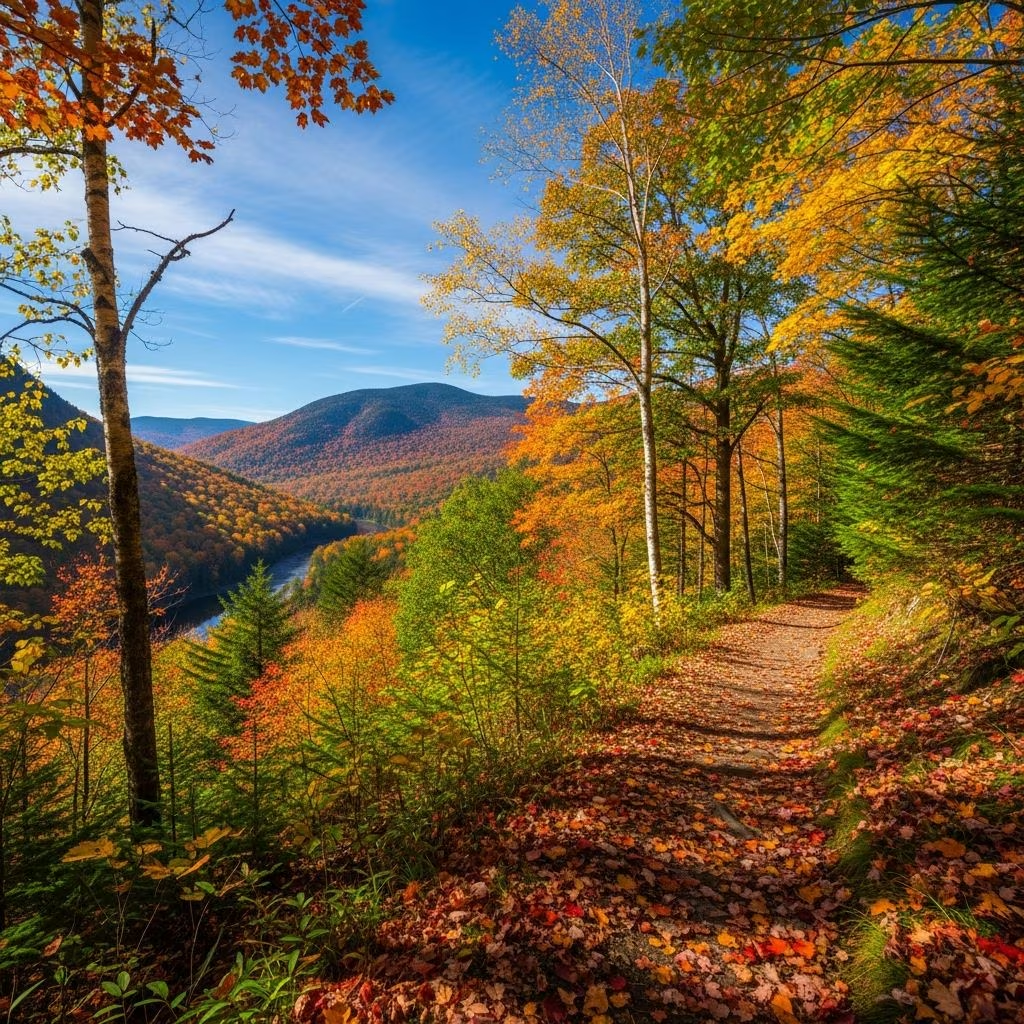
Vermont’s landscape offers a diverse array of hiking opportunities, from steep ascents to Vermont’s highest peaks to gentle paths winding through lush forests and alongside cascading waterfalls. Nestled in the heart of New England, the Green Mountains provide hikers with unparalleled vistas, vibrant fall foliage, and serene summer wildflowers. Whether you’re a seasoned mountaineer tackling the state’s 4,000-footers or a family seeking short, rewarding outings, Vermont’s trails deliver unforgettable experiences amid pristine wilderness.
The state’s most celebrated hikes lead to summits above 4,000 feet, known collectively as Vermont’s high points. These challenging routes reward perseverance with 360-degree panoramas of rolling hills, distant valleys, and sparkling lakes.
These peaks form the backbone of Vermont’s Long Trail, a 273-mile footpath traversing the state. Day hikes here build skills for thru-hiking while showcasing alpine tundra rare in southern New England.
For those preferring balanced exertion, Vermont’s mid-level hikes blend elevation gain with accessible terrain, often culminating in fire towers or open ledges.
| Trail Name | Location | Distance (miles) | Elevation Gain (ft) | Highlights |
|---|---|---|---|---|
| Mount Pisgah | Lake Willoughby | 3.5 RT | 1,900 | Lake vistas, northern wilderness |
| Sunset Ridge (alt route) | Mount Mansfield | 5.7 loop | 2,400 | Alpine flowers, ridgeline |
| Forest City Trail | Camel’s Hump | 6.2 RT | 2,300 | Hardwood forests, summit slabs |
Mount Pisgah stands out in the northeast, climbing steeply from Lake Willoughby’s shores to offer postcard-perfect reflections of the surrounding peaks. It’s a moderate challenge with big payoffs, especially at sunrise.
Vermont excels in approachable hikes suitable for beginners, children, and those with mobility considerations. These trails emphasize scenery over strain, often featuring boardwalks, gentle grades, and picnic spots.
Southern Vermont shines for these outings, with areas like Bennington and Wilmington hosting networks of gentle paths through state parks and conserved lands.
Vermont’s hydrology crafts stunning waterfall hikes, where mist-shrouded drops and mossy gorges invite exploration. Many are short detours off major roads.
These routes highlight Vermont’s hydrology, fed by abundant springs and snowmelt, creating verdant microclimates teeming with ferns and amphibians.
Vermont’s compact size belies its climatic variety—northern peaks see heavy snow, while valleys bloom early.
March-May brings thaw, turning trails to mud. Stick to higher elevations or south-facing slopes; pack bug dope for black flies.
June-August offers 70°F days, wild blueberries above treeline. Thunderstorms possible; start early.
September-October paints ridges in crimson and gold. Crowds peak mid-month; book shelters ahead.
December-March blankets trails in 100+ inches. Microspikes for ice, snowshoes for powder; Mt. Philo shines.
Always check Vermont state park sites or Green Mountain Club for closures, and practice Leave No Trace.
Layer synthetics, trek poles for steeps, and bear spray (rare encounters). Water filtration for streams; cell service spotty above 3,000 feet.
Base in Burlington for northern peaks, Stowe for Mansfield/Hump, Manchester for south. Combine with craft breweries, farm-to-table eats.
Sample 4-Day Loop:
Mt. Philo or Quechee Gorge rims—short, scenic, accessible.
Yes, leashed in most state parks and forests; check specifics.
Peak third week October; higher elevations color first.
No for most; wilderness areas may require free registration.
Weekends busy; weekdays quieter, avoid holidays.
