

Food & Culture Stays Travel Essentials Travel Guides Trip Ideas
Categories
From the Blog
Remy’s Ratatouille Adventure at EPCOT: Ride Review, Tips & 2D Update
Travel Essentials

Best Hikes in Yellowstone National Park: Easy to Strenuous Trails

Explore Yellowstone's best hikes for all levels: easy paths to waterfalls and geysers, moderate treks with panoramic views, and strenuous adventures offering epic scenery and solitude.
Travel Essentials

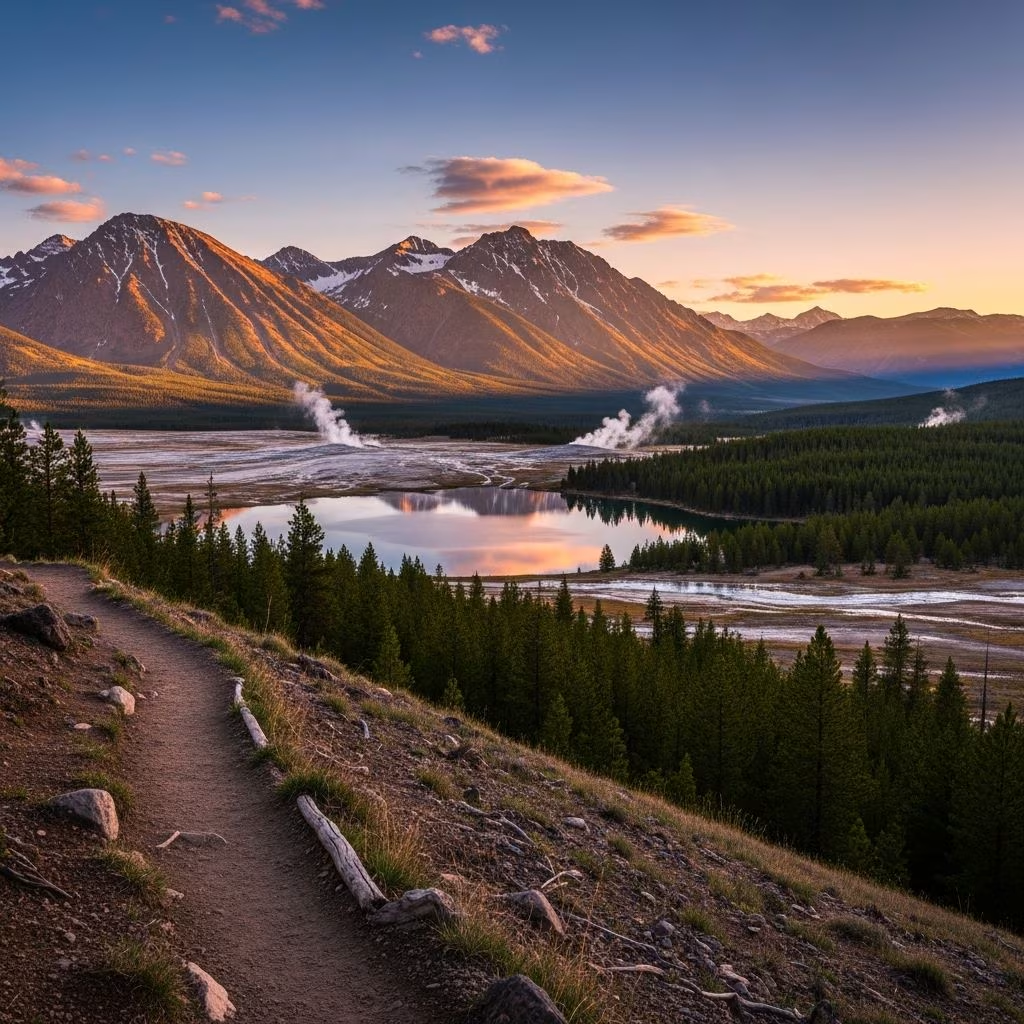
Yellowstone National Park spans over 2.2 million acres of geothermal wonders, towering peaks, and abundant wildlife, making it a hiker’s paradise. With trails ranging from gentle paths suitable for families to demanding ascents rewarding intrepid explorers with breathtaking panoramas, there’s something for everyone. This guide highlights premier routes, drawing from park insights and expert recommendations to help you plan your perfect outing. Whether you’re chasing waterfalls, summiting peaks, or spotting bison in vast valleys, these hikes showcase the park’s diverse landscapes.

Easy Trails: Perfect for Families and Casual Walkers

Beginners and families will appreciate these accessible routes that offer big rewards with minimal effort. They wind through meadows, along lakeshores, and past thermal features, often revealing wildlife and scenic beauty without steep climbs.

  • Storm Point Loop: This 2.3-mile loop near Yellowstone Lake meanders through meadows and forests to a dramatic point jutting into the water. Expect sightings of grazing bison or elk, plus occasional steam vents hinting at the park’s volcanic underbelly. Ideal for birdwatching and photography, with flat terrain suitable for all ages.
  • Trout Lake Trail: A short 1-mile out-and-back leads to a serene alpine lake teeming with cutthroat trout. The path crosses boardwalks over wetlands, providing prime wildlife viewing opportunities like otters or moose. Park at the trailhead off Northeast Entrance Road for quick access.
  • Fairy Falls Trail: Covering 6 miles round-trip with just 200 feet of elevation gain, this groomed path passes an overlook of the vibrant Grand Prismatic Spring before reaching a 200-foot cascade. Extend to Imperial and Spray Geysers for bubbling hydrothermal displays. Limited parking means arriving early.

These trails emphasize Yellowstone’s gentler side, where wildflowers bloom in summer and the air buzzes with insect life. They average 1-3 hours, leaving time for picnics amid stunning backdrops.

Moderate Challenges: Balanced Effort for Rewarding Views

For those seeking a bit more exertion, moderate hikes deliver sweeping vistas, canyons, and unique geological features. Expect 4-7 miles and 500-1,400 feet of gain, perfect for a half-day adventure.

Trail NameDistance (miles)Elevation Gain (ft)Highlights
Bunsen Peak4.41,300Gallatin Range vistas, Cathedral Rock, forested switchbacks
Mount Washburn (Dunraven Pass)6.41,40010,219-ft summit views of Tetons, Grand Canyon, Beartooths
Beaver Ponds Trail5~500Wildlife near Mammoth, quiet meadows, fewer crowds
North Rim Trail8.2+ side trailsMinimalGrand Canyon rim, Lower Falls overlook, Crystal Falls

Bunsen Peak rises steeply via switchbacks past eerie dead trees to 8,564 feet, overlooking Mammoth Hot Springs and distant ranges. Mount Washburn’s fire tower perch scans horizons from the Absarokas to the Madison Plateau. The North Rim hugs the Yellowstone River’s dramatic gorge, with a steep side path to the brink of 308-foot Lower Falls thundering below. Beaver Ponds offers a peaceful loop with beaver dams and potential bear sightings.

Strenuous Ascents: For Seasoned Hikers Seeking Solitude

Advanced trekkers thrive on these rigorous paths, often exceeding 10 miles with significant elevation. They access remote ridges and peaks, promising solitude and unparalleled perspectives.

  • Avalanche Peak: This 4.5-mile round-trip packs 2,100 feet of gain into a steep scramble, culminating in alpine meadows with 360-degree views over Yellowstone Lake and the Absarokas. Bear country demands caution and spray.
  • Sky Rim Trail: A grueling 20-mile loop climbs to nearly 10,000 feet, traversing high plateaus with vistas of northern Yellowstone. It’s a fitness test rewarding with vast panoramas.
  • Specimen Ridge: 17 miles and 3,000 feet up reveal petrified forests, Lamar Valley expanses, and Grand Canyon glimpses. Best for wildflower superbloom and bighorn sheep spotting.
  • Electric Peak: The park’s highest at 10,992 feet, this 20.6-mile out-and-back demands endurance for electric storm history and Gallatin Range supremacy.

These hikes require fitness, preparation, and weather checks, as high altitudes amplify exposure. Summer thunderstorms are common; start early.

Family-Friendly Options: Hikes with Kids in Mind

Yellowstone offers kid-approved trails blending education and fun. Focus on short distances, interpretive signs, and interactive nature.

  • Lone Star Geyser Trail: 5 miles round-trip to a predictably erupting geyser, with biking options for variety.
  • Lost Lake Trail: 4 miles via boardwalks to a hidden gem, great for duck spotting.
  • Cascade Lake: 4.4 miles to a glassy lake reflecting peaks, with minimal gain.
  • Two Ribbons Trail: Wheelchair-accessible path along the Yellowstone River, showcasing dual waterfalls.

Pack snacks, binoculars, and Junior Ranger books to engage young explorers. These trails foster a love for nature while keeping exertion low.

Essential Hiking Tips for Yellowstone Success

To maximize enjoyment and safety:

  • Wildlife Precautions: Carry bear spray, make noise, hike in groups. Bison charge if approached.
  • Gear Essentials: Sturdy boots, layers, rain gear, 2-3 liters water, high-energy food, map/GPS.
  • Trail Etiquette: Stay on paths to protect fragile soils and avoid hydrothermal burns.
  • Best Seasons: July-September for snow-free trails; shoulder months for fewer crowds.
  • Permits & Access: No day hike permits needed, but check nps.gov/yell for closures.

Elevation starts at 7,000 feet; acclimate to prevent altitude sickness. Download offline maps, as cell service is spotty.

Regional Trail Breakdown

Yellowstone’s Grand Loop Road divides hikes by area:

  • Mammoth Hot Springs: Beaver Ponds, Bunsen Peak for terraces and peaks.
  • Old Faithful: Fairy Falls, Mystic Falls for geysers.
  • Canyon: North Rim, Mount Washburn for river drama.
  • Tower/Northeast: Lamar Valley, Specimen Ridge for wolves.

Plan multi-day itineraries circling the loop for variety.

Frequently Asked Questions (FAQs)

What’s the best short hike in Yellowstone?

Brink of the Lower Falls (1 mile) offers thrilling canyon views and waterfall power.

Are there hikes suitable for dogs?

No pets allowed on trails; leave them in vehicles or kennels.

When is the best time for hiking?

Mid-July to early September avoids snow; mornings beat heat and crowds.

Do I need bear spray?

Yes, essential on all backcountry trails; rent in park if needed.

How crowded are popular trails?

Very busy mid-summer; opt for early starts or less-known routes like Trout Lake.

References

  1. Hiking – Yellowstone National Park (U.S. National Park Service) — U.S. National Park Service. 2023. https://www.nps.gov/yell/planyourvisit/hiking.htm
  2. Ask Me: The 10 Best Short Hikes in Yellowstone — The Big Outside. 2023-06-12. https://thebigoutside.com/ask-me-the-10-best-short-hikes-in-yellowstone/
  3. 11 of the Best (And Most Photo-Worthy) Day Hikes in Yellowstone Park — 57 Hours. 2024. https://57hours.com/best-of/day-hikes-yellowstone/
  4. Trail Mix: 12 Awesome Day Hikes in Yellowstone — Xanterra Parks & Resorts. 2023. https://www.xanterra.com/stories/trail-mix-12-awesome-day-hikes-in-yellowstone/
  5. Staff Favorite Hikes — Yellowstone Forever. 2024. https://www.yellowstone.org/staff-members-favorite-hikes/
SN
Sneha Tete
Sneha is a relationships and lifestyle…

Sneha is a relationships and lifestyle writer with a strong foundation in applied linguistics and certified training in relationship coaching. She brings over five years of writing experience to CultureTreker,  crafting thoughtful, research-driven content that empowers readers to build healthier relationships, boost emotional well-being, and embrace holistic living.Her writing and insights reflect the belief that beauty, happiness, and wellness begin from within, through the harmonious balance of the mind, body, and heart. With a background in instructional design and research writing, Sneha transforms complex topics into practical insights that are easy to understand and apply.Sneha has also self-published a novella on adolescent mental health, highlighting her ability to navigate emotionally layered topics with nuance and empathy. When she's not writing, you'll find her exploring storytelling through photography, diving into K-dramas, or enjoying quiet moments with her family and friends.

← Previous
Best Time to Visit Great Smoky Mountains National Park
‹›
