

 Travel Essentials
 Travel Essentials

Explore the Bahamas' most scenic hiking routes, from coastal circuits to mountain peaks, featuring wildlife encounters and natural attractions.
 Travel Essentials
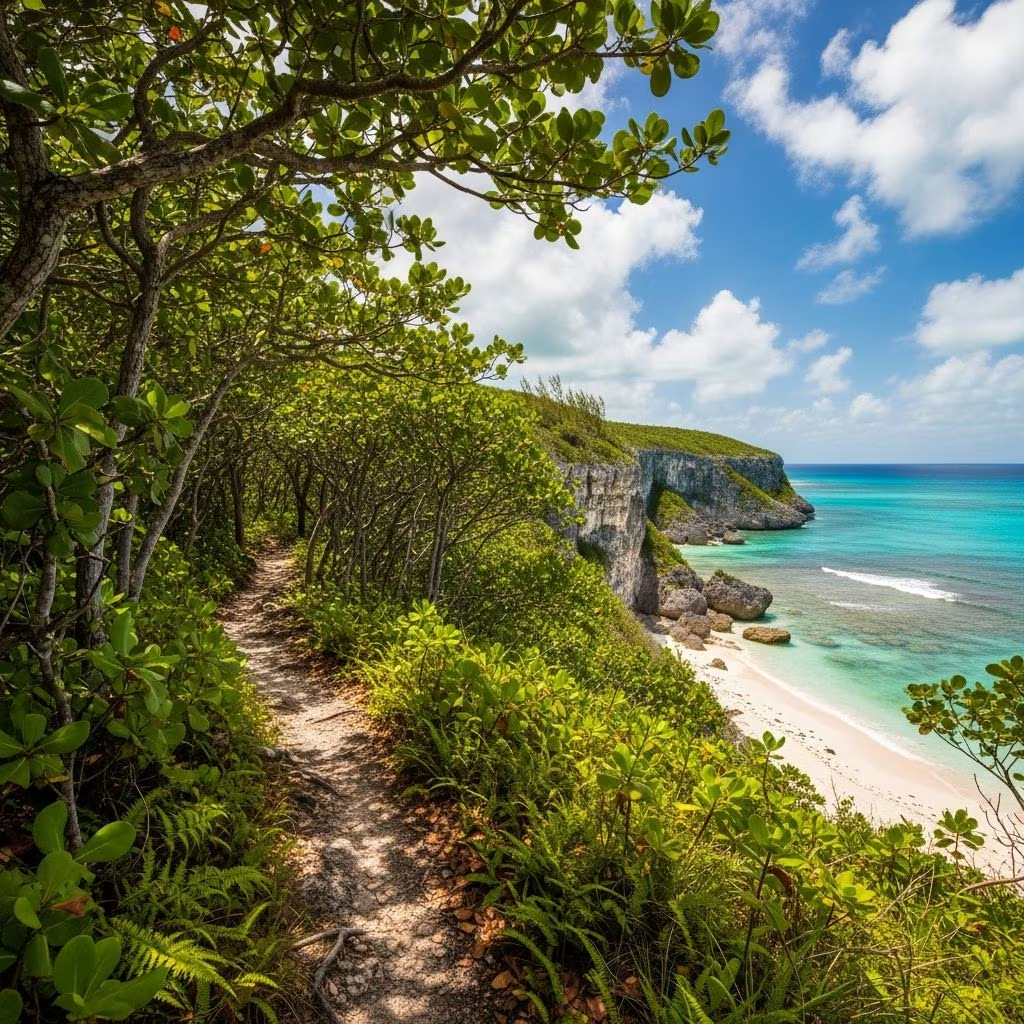
The Bahamas archipelago presents a unique destination for outdoor enthusiasts seeking to combine tropical scenery with physical activity. Beyond the well-known beach resorts and water sports, the islands offer diverse trekking opportunities that showcase the region’s ecological richness and geological diversity. Whether you’re an experienced hiker or a casual nature walker, the Bahamas provides accessible pathways through varied landscapes, from coastal circuits to inland natural features.
The Bahamian islands span over 700 islands and cays, each with distinct characteristics and trekking possibilities. The terrain ranges from low-lying limestone islands with minimal elevation changes to slightly elevated locations offering panoramic views. Most trails are relatively accessible compared to mountainous destinations, making them suitable for families and varying fitness levels. The tropical climate brings consistent warmth year-round, though seasonal hurricane patterns influence optimal travel timing.
Each island cluster maintains its own ecological character. Some areas feature dense pine and coppice forests, while others showcase coastal vegetation adapted to salt spray and sandy conditions. Mangrove forests fringe many coastlines, creating unique ecosystems accessible through specialized trail routes. The combination of terrestrial and marine environments creates distinctive trekking experiences unavailable in purely inland destinations.
Among the most distinctive trekking experiences in the Bahamas are multi-beach island circuits that circumnavigate entire islands. These routes combine beach walking with brief inland sections, offering variety throughout the journey. The Stocking Island circuit exemplifies this category, covering substantial distances while maintaining coastal proximity.
Stocking Island’s perimeter route presents a challenging full-day expedition, spanning approximately 8 miles of terrain requiring 5 to 6 hours of active hiking. The difficulty rating reflects not merely distance but the combination of soft sand walking, uneven coastal terrain, and minimal shade in many sections. Hikers encounter multiple beach environments, from powdery sand to rocky outcrops, with occasional inland passages through vegetation.
These coastal circuits provide exceptional opportunities for observing marine life, discovering secluded coves, and experiencing the islands’ natural architecture. The changing vista around each headland maintains engagement throughout extended walks. Early morning starts allow hikers to complete routes before afternoon heat intensifies, while the lower angle of morning sunlight enhances photographic opportunities and reduces glare.
The Bahamas supports diverse bird populations, making specialized ornithological hiking trails valuable for both serious birders and casual nature observers. Abaco National Park emerged as a premier destination for avian encounter experiences. The park’s designated trails provide access to habitats frequented by endemic and migratory species without requiring extraordinary physical exertion.
The primary Abaco trail covers approximately 3 miles in a round-trip format, requiring roughly 2 hours of moderate-paced walking. The moderate difficulty designation reflects elevation changes and terrain conditions rather than overall distance. The route winds through diverse habitats supporting various species adapted to Bahamian ecosystems.
Successful birdwatching requires particular attention to timing, with dawn hours proving most productive as birds engage in feeding and territorial calling. Bringing binoculars, a bird identification guide specific to Caribbean species, and maintaining quiet observation techniques significantly enhances encounter possibilities. The cooler morning temperatures also improve hiking comfort during the peak activity period.
The Bahamas’ unique geological composition created numerous blue holes—sinkholes filled with fresh or brackish water—accessible through specialized hiking routes. These formations result from limestone dissolution and cave ceiling collapses, creating dramatic landscapes unlike typical terrestrial features. Blue hole trails combine hiking with the opportunity to explore these geological wonders.
Rainbow Blue Hole Trail represents a popular route incorporating a significant blue hole as its primary destination. The hike provides context for understanding the geological processes forming these features while offering opportunities for swimming or simply observing the distinctive coloration created by light interactions with the water and surrounding rock formations.
Hikers should recognize that blue hole environments present specific conditions requiring caution. The limestone surroundings can be sharp and unstable in places, requiring careful footing near water edges. Bring appropriate water shoes if planning to wade or swim. The surrounding vegetation often provides minimal shade, necessitating sun protection and adequate hydration.
While the Bahamas lacks the elevation of continental mountains, several islands contain notable summits providing distinctive vantage points and ecological value. Cat Island’s Mount Alvernia represents the highest point in the Bahamian archipelago at 203 feet above sea level. This modest elevation might seem insignificant by global standards but provides meaningful perspectives within the island context.
The Mount Alvernia climb requires minimal technical skill or extensive time investment, making it accessible to most hikers regardless of experience level. The ascent gains approximately 200 feet through established trails, typically requiring 30 to 60 minutes depending on pace and trail conditions. The summit reveals panoramic views across Cat Island and neighboring waters, providing orientation and aesthetic rewards disproportionate to the physical effort required.
High-point treks throughout the Bahamas often incorporate cultural or historical elements. Mount Alvernia, for instance, features a small hermitage built by Father Jerome, adding historical and spiritual dimensions to the physical accomplishment. These additions transform simple elevation gains into meaningful experiences combining natural and cultural exploration.
Several islands maintain dedicated nature trails emphasizing ecological education and species identification. Bimini Nature Hiking Trail provides structured access to island environments while highlighting botanical specimens and endemic plant species. These specialized routes often include informational markers identifying significant species and explaining ecological relationships.
Medicinal plant trails exist on various islands, demonstrating traditional and contemporary applications of native vegetation. These educational routes provide context for understanding how island residents historically utilized natural resources for health and sustenance. Modern guides often explain both traditional practices and contemporary scientific understanding of plant properties.
Mangrove forest trails present particularly distinctive ecosystems accessible through specialized boardwalks or careful wading paths. These tidal zones support unique adaptations and provide habitat for species dependent on brackish water environments. The muddy substrates and water-dependent nature of mangrove ecosystems require different preparation than typical trails.
The tropical climate creates consistent conditions year-round but with variations affecting hiker comfort and safety. Hurricane season (June through November) brings increased precipitation and potential weather disruption, though major storms remain relatively infrequent. The dry season (December through May) provides more predictable conditions and lower precipitation probabilities.
Daily temperature variations remain minimal, with consistent warmth throughout the year. The significant variable involves humidity and precipitation patterns rather than temperature extremes. Planning hikes during morning hours provides cooler conditions and better visibility, with afternoon heat and potential cloud cover reducing comfort and photographic quality.
While Bahamian trails generally avoid extreme elevation or technical difficulty, their unique conditions require specific preparation. Extended beach walking on soft sand demands different muscular engagement than firm terrain, potentially causing fatigue in unprepared hikers. The combination of heat, humidity, and sun exposure creates cumulative stress distinct from temperate-climate hiking.
Gradual acclimation to heat and humidity before undertaking extended hikes improves comfort and safety. Adequate hydration before, during, and after hiking prevents heat-related complications. Building leg strength and cardiovascular fitness through regular activity enhances trail enjoyment regardless of route difficulty.
Appropriate footwear adapts to varied terrain encountered on different trail types. Sturdy hiking boots provide ankle support on uneven surfaces, while trail runners offer lightweight comfort on established paths. Water shoes prove valuable when trails incorporate water crossings or beach sections requiring wading.
Sun protection constitutes a critical element of Bahamian hiking preparation. High UV intensity requires broad-spectrum sunscreen with adequate SPF ratings applied liberally and reapplied regularly. Wide-brimmed hats and lightweight, light-colored clothing reduce direct solar exposure while maintaining ventilation.
Navigation tools have evolved significantly with technological advancement. While traditional paper maps remain valuable reference materials, GPS devices and smartphone applications provide real-time positioning and trail verification. Downloading maps for offline access ensures navigation capability regardless of cellular coverage availability.
The choice between guided tours and self-directed hiking involves tradeoffs between structure, expertise, and autonomy. Guided experiences benefit from local knowledge, increased safety through group dynamics, and educational context provided by experienced guides. Independent exploration offers flexibility, personal pacing control, and opportunities for spontaneous discovery.
Resort properties frequently maintain trail maps and can recommend routes appropriate for various skill levels. Many accommodations arrange guided nature walks, birding tours, and specialized expeditions addressing specific interests. These concierge services connect visitors with experienced local guides familiar with seasonal variations and current conditions.
Independent hikers should verify trail conditions, obtain detailed maps, and inform others of planned routes before departing. Establishing communication check-in times with accommodations provides safety redundancy. Familiarity with basic navigation techniques and route-finding skills becomes essential when exploring unfamiliar terrain without professional guidance.
Trail infrastructure throughout the Caribbean continues expanding as destinations recognize hiking’s economic and conservation benefits. The Bahamas increasingly develops structured trail systems balancing accessibility with environmental protection. Improved signage, maintained pathways, and educational installations enhance visitor experiences while reducing environmental impact from off-trail exploration.
Ecotourism initiatives connect hiking experiences with conservation efforts, allowing hikers to participate in habitat restoration and species monitoring. These programs create meaningful engagement beyond passive observation, offering participants understanding of ecological challenges and remediation strategies.
The Bahamas offers distinctive hiking experiences combining accessible trails, tropical environments, and varied geological features. From coastal circuits and mountain summits to specialized birding routes and blue hole explorations, the islands accommodate diverse interests and fitness levels. Successful experiences require appropriate preparation, suitable equipment, and respect for environmental conditions. Whether pursuing active adventure or gentle nature exploration, Bahamian trails provide meaningful connections with tropical ecosystems and island landscapes.
