

 Travel Essentials
 Travel Essentials

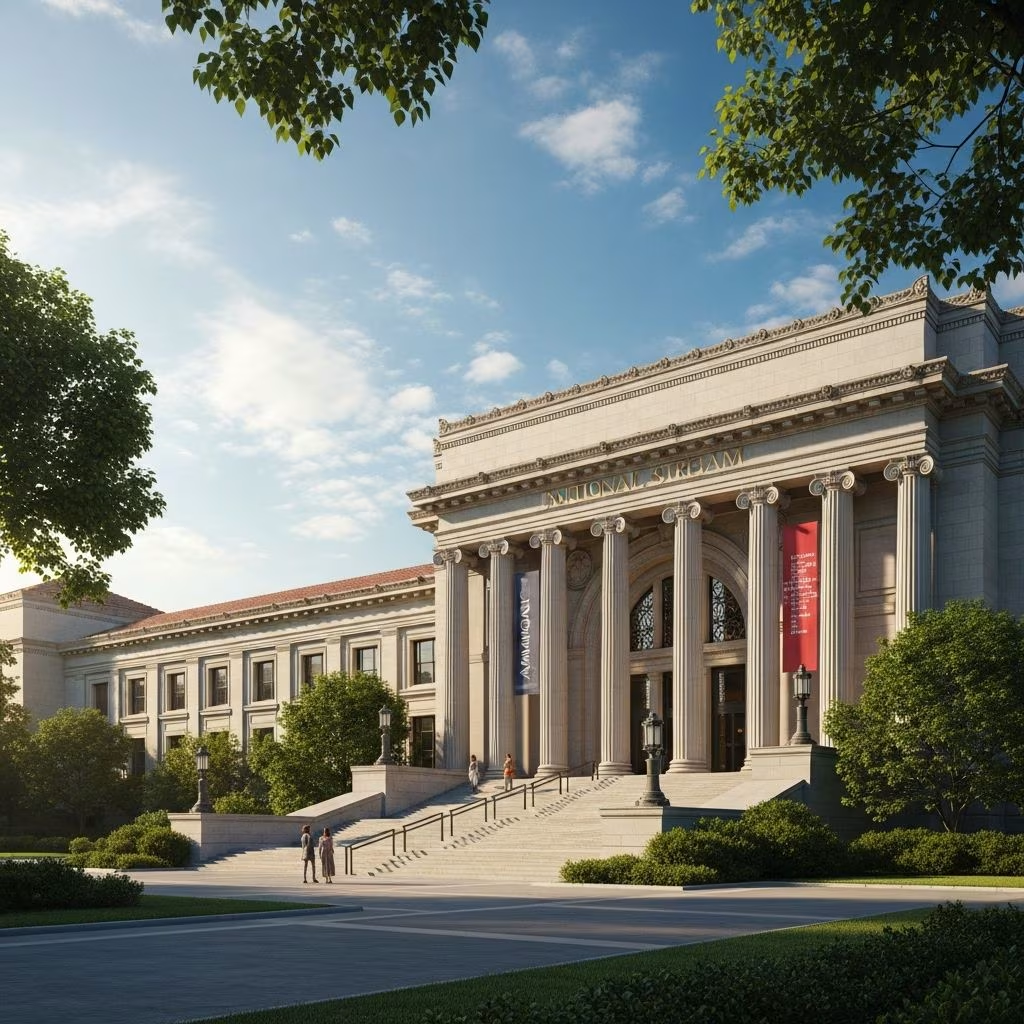
Explore America's leading historical museums featuring diverse collections, from presidential archives to cultural heritage sites that preserve and celebrate the nation's past.
 Travel Essentials
The United States is home to some of the world’s most extraordinary historical institutions, each preserving and presenting unique aspects of American heritage. These museums serve as custodians of national memory, offering visitors the opportunity to engage with pivotal moments, influential figures, and diverse cultural narratives that have shaped the nation. Whether you’re interested in presidential history, military achievements, cultural movements, or everyday life through the centuries, America’s premier historical museums provide comprehensive windows into the American experience.
Historical museums function as more than simple repositories of artifacts. They serve as educational institutions that contextualize objects within broader narratives, helping visitors understand cause and effect, cultural evolution, and the interconnectedness of historical events. By examining primary sources, personal belongings, and archival materials, museum-goers develop a more nuanced understanding of historical periods than they might gain from textbooks alone. These institutions also facilitate conversations about contested historical interpretations, encouraging critical thinking about how we understand and commemorate the past.
Presidential museums occupy a central position in America’s historical landscape, offering comprehensive examinations of individual presidencies and their impacts on national development. These institutions typically feature personal correspondence, official documents, photographs, and memorabilia that illuminate the decision-making processes and personal lives of chief executives. The curatorial approach in these museums has evolved significantly, moving beyond hagiographic presentations to include critical examination of controversial policies and difficult decisions that defined each administration.
Many presidential museums are strategically located in regions connected to the subject president’s life or career, creating opportunities for heritage tourism. Visitors can explore how presidents shaped foreign policy, domestic initiatives, and cultural conversations during their terms. Interactive exhibits and multimedia presentations make complex historical information accessible to diverse audiences, from elementary school students to history scholars.
Museums dedicated to civil rights and social justice movements occupy increasingly prominent positions within America’s historical landscape. These institutions document the struggles, achievements, and ongoing work of marginalized communities fighting for equality and recognition. Through firsthand accounts, photographic documentation, and artifacts from protest movements, these museums convey the human dimensions of historical injustice and the courage required to challenge systemic inequalities.
These collections often feature interactive components that encourage visitors to reflect on their own roles in advancing social justice. Educational programming frequently accompanies exhibitions, providing context about how historical civil rights struggles continue to influence contemporary society. The narratives presented in these institutions often challenge traditional American history narratives, offering perspectives that were historically marginalized or excluded from mainstream historical accounts.
Military history museums chronicle America’s armed conflicts, military leadership, and defense innovations across centuries. These institutions preserve artifacts ranging from uniforms and weapons to correspondence and strategic plans that shaped military campaigns. Rather than glorifying warfare, contemporary military history museums often present multifaceted examinations of conflicts, including their human costs, ethical dimensions, and lasting consequences.
Collections typically span from colonial-era conflicts through contemporary military operations, demonstrating how military technology, strategy, and organization have evolved. Personal narratives from soldiers at various ranks provide intimate perspectives on military service, complementing the broader strategic and technological narratives. Many military museums also address veterans’ experiences and the psychological and physical challenges associated with combat service.
Museums focusing on immigration and cultural heritage tell the stories of diverse populations who have contributed to American society. These institutions document arrival experiences, settlement patterns, cultural traditions, and contributions to economic and social development. Through artifacts such as household items, religious objects, and documents, visitors gain understanding of how various immigrant groups maintained cultural identity while adapting to American contexts.
These museums increasingly emphasize the agency and achievements of immigrant communities rather than presenting them primarily as passive subjects of historical processes. Exhibitions often feature personal oral histories that convey the emotional and practical dimensions of immigration. By celebrating cultural diversity, these institutions advance understanding of American pluralism and demonstrate how multiple cultural traditions have collectively shaped national identity.
Modern historical museums employ advanced technologies to enhance visitor engagement with historical content. Virtual reality experiences transport visitors to historical sites or events, creating immersive learning opportunities that transcend traditional viewing. Augmented reality applications overlay historical information onto present-day environments, helping visitors understand how landscapes have changed over time.
Digital databases allow researchers and casual visitors to access vast archival collections without traveling to museum locations. Touch-screen interfaces present complex historical information through interactive timelines, maps, and comparative analyses. Multimedia presentations combine photographs, film footage, and expert commentary to contextualize artifacts and explain historical significance. These technological enhancements make historical content accessible to diverse learning styles and maintain visitor engagement during extended museum visits.
Successfully visiting historical museums requires thoughtful planning to maximize learning and enjoyment. Consider your specific interests before selecting institutions to visit, as comprehensive museums often contain more material than can be fully experienced in a single day. Many museums offer guided tours led by knowledgeable staff who provide context and highlight significant artifacts that visitors might otherwise overlook.
Allocating sufficient time for museum visits ensures meaningful engagement rather than rushed observation. Reading museum materials before arrival helps visitors understand institutional themes and current exhibitions. Many museums offer digital maps and suggested routes through collections, accommodating different pacing preferences and interest levels. Taking advantage of museum memberships or multi-site passes often provides cost savings for visitors planning multiple visits.
Beyond exhibitions, historical museums offer extensive educational programming including lectures, documentary screenings, workshops, and symposia that deepen understanding of historical topics. Family-oriented programming makes museums accessible to younger visitors while maintaining intellectual rigor. Teacher-focused resources help educators integrate museum content into classroom curricula. Community partnerships often result in exhibitions that highlight local history and include participation from residents with personal connections to presented narratives.
Comfortable walking shoes are essential for navigating extensive museum spaces. Consider bringing a journal for note-taking and a camera if photography is permitted. Many museums provide storage for coats and bags, allowing unencumbered movement through galleries.
Most visitors benefit from dedicating three to four hours to explore major exhibitions thoroughly. Specialized interests in particular historical periods might warrant extended visits. Many museums are designed such that visitors can explore core exhibitions in a single day while returning for deeper exploration of specific collections.
Many historical museums offer reduced admission for students, seniors, and military personnel. Family passes often provide savings for group visits. Some institutions offer free admission hours at specific times. Checking museum websites for current pricing and special offerings ensures informed planning.
Photography policies vary by institution and sometimes by specific gallery. Museums typically prohibit flash photography to protect delicate artifacts and prevent distraction to other visitors. Many institutions explicitly permit personal photography for non-commercial purposes, while some require requesting permission. Checking museum guidelines before visiting clarifies photography expectations.
Historical museums serve important functions beyond entertainment and education, enabling citizens to understand how historical choices and conflicts continue affecting contemporary society. By examining past injustices, policy decisions, and cultural developments, visitors gain perspective on current challenges and appreciate progress made toward more equitable and inclusive society. Museums facilitate difficult conversations about contested historical interpretations and encourage visitors to develop informed perspectives on ongoing social and political debates.
Many museums explicitly connect historical narratives to present-day circumstances, demonstrating how understanding the past informs contemporary civic engagement. Educational materials often encourage visitors to consider how historical lessons apply to modern challenges. This bridge between past and present makes historical study relevant and empowering rather than merely academic or antiquarian.
America’s premier historical museums represent extraordinary resources for understanding the nation’s complex past. Through carefully curated collections, engaging exhibitions, and educational programming, these institutions preserve crucial historical narratives while encouraging critical thinking about how societies evolve and change. Whether visitors seek to understand presidential leadership, civil rights movements, military history, or cultural heritage, America’s museums provide comprehensive opportunities for meaningful historical engagement that enriches understanding of the American experience and its continuing influence on contemporary society.
