

 Travel Essentials
 Travel Essentials

Explore Colorado's premier hot springs resorts and natural thermal pools, from developed facilities to remote wilderness oases offering year-round relaxation.
 Travel Essentials
Colorado’s landscape harbors one of North America’s most treasured natural resources: geothermal hot springs. These mineral-enriched waters emerge from deep beneath the Rocky Mountains, creating warm sanctuaries that attract visitors seeking rejuvenation, wellness, and connection with nature. Whether you desire a luxurious resort experience with world-class amenities or an authentic wilderness adventure to remote natural pools, Colorado offers an exceptional variety of thermal destinations suited to every preference and fitness level.
Colorado’s hot springs are distributed across diverse regions of the state, each offering unique characteristics shaped by local geology and elevation. The western slope near the Rocky Mountains hosts some of the state’s most accessible and developed facilities, while high-altitude wilderness areas contain pristine, undisturbed thermal pools requiring significant hiking commitment. The mineral composition varies considerably between locations, with some springs rich in silica and others containing sulfur compounds, each providing distinct therapeutic properties.
The concentration of hot springs in Colorado reflects the state’s position along geological fault lines where geothermal energy rises closer to the Earth’s surface. Elevations range from moderate foothills to alpine terrain exceeding 11,000 feet, creating dramatic scenic backdrops for thermal bathing experiences. This geographic diversity means visitors can tailor their experience to match their desired environment and physical capabilities.
Mount Princeton Hot Springs Resort represents one of Colorado’s most storied thermal destinations, with operations dating back to 1860. This historic property near Buena Vista features multiple naturally-heated pools maintained at varying temperatures, allowing visitors to select their preferred warmth level. The resort combines developed pool infrastructure with authentic river-fed natural pools, offering both manicured resort amenities and rugged wilderness experiences. The facility welcomes year-round visitors with comprehensive vacation packages and seasonal offerings.
Glenwood Hot Springs Resort and Iron Mountain Hot Springs provide accessible thermal experiences for visitors based in western Colorado. These developed facilities feature clean, well-maintained pools with consistent water quality and comfortable changing facilities. The proximity to outdoor recreation opportunities creates convenient combination vacations, where guests can alternate between soaking and activity-based adventures.
Pagosa Springs Resort operates as a comprehensive wellness destination, welcoming day visitors and overnight guests from 9 a.m. to 10 p.m. daily. The facility offers flexible pricing structures including day rates, senior packages, and annual passes, ensuring accessibility for diverse visitor budgets. This location serves as an excellent base for exploring the San Juan Mountains region.
Hot Sulphur Springs Resort stands as Colorado’s oldest continuously operating hot springs facility, featuring 21 distinct pools scattered across a hillside setting. Operating on a walk-in basis with no capacity restrictions or advance reservations required, this resort accommodates spontaneous visitors seeking flexible scheduling. The rustic character appeals to those preferring authenticity over formal resort infrastructure.
For visitors prioritizing convenience and proximity to metropolitan areas, several hot springs destinations operate within reasonable driving distance of Denver and other major cities. Indian Hot Springs provides easily accessible thermal soaking near the Front Range, offering a warm mineral water pool designed with families in mind. The facility features gender-divided underground caves with higher temperatures and adult-only access, creating diverse soaking environments within a single location. On-site spa services including massage therapy enhance the therapeutic experience.
Old Town Hot Springs in Steamboat Springs combines traditional thermal soaking with contemporary recreation amenities. The facility features eight hot spring-fed pools, waterslides, fitness classes, and organized childcare services. This multi-purpose approach attracts families seeking varied entertainment options alongside relaxation activities.
Durango Hot Springs showcases an impressive collection of 32 unique pools offering remarkable thermal variety. The mineral-rich waters maintain temperatures ranging from 99 to 108 degrees Fahrenheit, enabling guests to customize their experience to precise comfort preferences. This exceptional selection ensures that repeat visitors encounter novel bathing environments during successive visits.
Colorado’s most adventurous thermal enthusiasts pursue remote natural hot springs requiring substantial hiking commitment through wilderness terrain. These undeveloped destinations provide authentic connection with geothermal features in pristine natural settings, rewarding intrepid explorers with solitude and unparalleled scenic beauty.
Conundrum Hot Springs ranks among Colorado’s most celebrated wilderness thermal destinations, situated at an impressive elevation of 11,200 feet within White River National Forest. Accessible only through multi-hour hiking expeditions, this high-altitude oasis offers spectacular mountain vistas and genuine wilderness immersion. The challenging approach discourages casual visitors, ensuring a contemplative atmosphere for dedicated thermal explorers.
Radium Hot Springs requires hiking through undeveloped backcountry to access natural mineral pools in their original state. The journey demands physical preparation but rewards visitors with authentic geothermal features untouched by commercial development. These natural pools maintain varying temperatures dependent on seasonal water flows and minimal infrastructure intervention.
Rainbow Hot Springs demands approximately 10 miles of round-trip hiking through Colorado’s southern wilderness areas. The location’s proximity to Great Sand Dunes National Park and proximity to the New Mexico border creates convenient travel planning for regional explorers. The complete isolation and natural setting appeal to visitors seeking profound connection with untamed thermal environments.
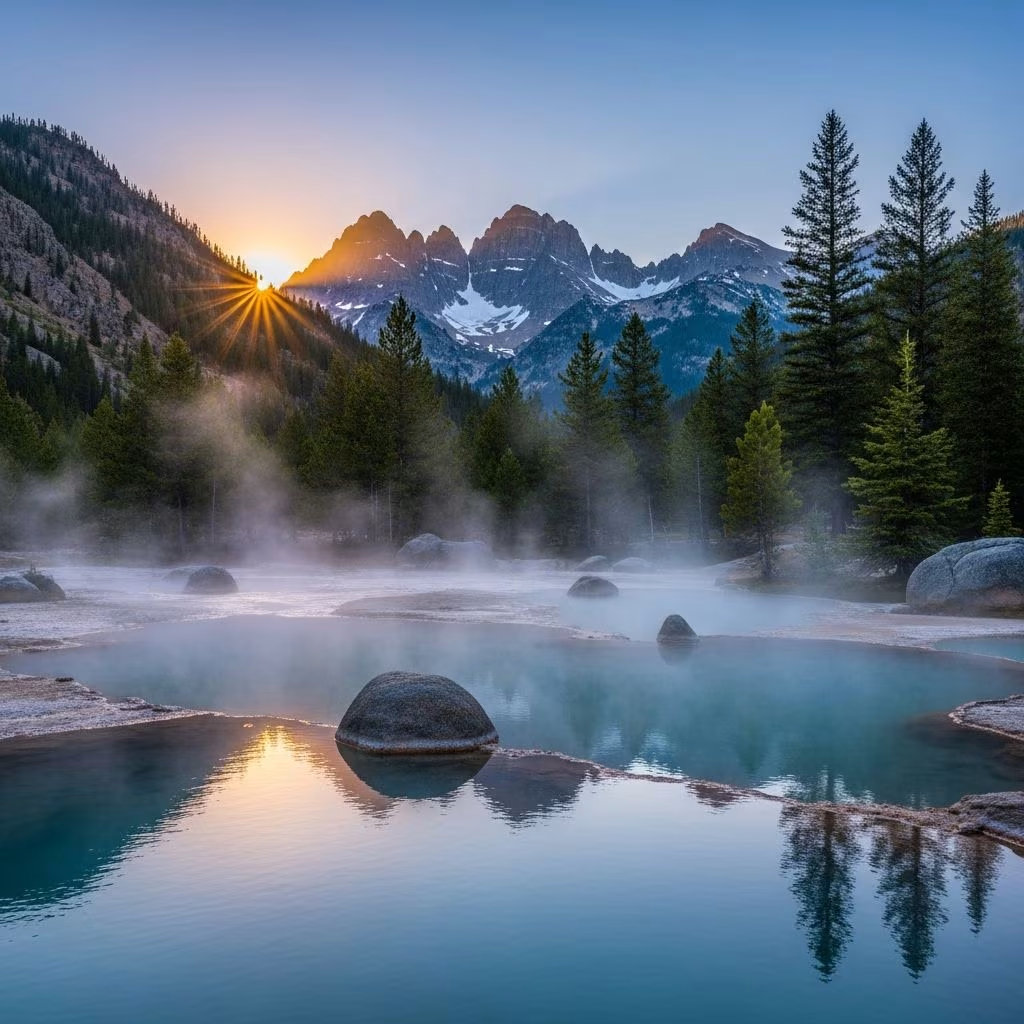
Colorado’s hot springs operate through all seasons, though visitor experiences vary considerably based on weather and seasonal conditions. Winter visits create dramatic contrasts between steaming geothermal waters and snow-covered landscapes, producing ethereal soaking experiences. Summer months attract larger crowds seeking thermal experiences within busy tourism seasons. Spring and autumn offer moderate temperatures and smaller visitor populations, providing ideal conditions for contemplative soaking.
Resort facilities maintain consistent operations regardless of season, though some seasonal packages and offerings vary. Wilderness thermal experiences require seasonal trail assessment, with spring snowmelt and summer thunderstorms affecting backcountry accessibility. Winter mountaineering skills become necessary for accessing high-altitude thermal destinations during snow season.
Many Colorado hot springs resorts offer comprehensive wellness services extending beyond thermal bathing. On-site massage therapy, including traditional and aquatic massage modalities, enhances therapeutic benefits. Spa facilities provide professional skincare treatments utilizing mineral-rich waters and local ingredients. Fitness classes, yoga sessions, and wellness programs integrate soaking experiences into broader health and wellness frameworks.
Lodging options range from rustic cabins providing authentic mountain experiences to comfortable hotel accommodations offering modern conveniences. Rustic mountain lodges appeal to visitors seeking immersion in natural environments, while upgraded facilities satisfy those prioritizing comfort and contemporary amenities. Many resorts offer package deals combining accommodation, soaking privileges, and activity opportunities.
| Hot Springs Location | Pool Count | Temperature Range | Key Features |
|---|---|---|---|
| Mount Princeton | Multiple | Varies | Historic site, river pools, spa services |
| Hot Sulphur Springs | 21 | Multiple options | Walk-in friendly, no reservations |
| Durango Hot Springs | 32 | 99-108°F | Maximum temperature variety |
| Indian Hot Springs | Multiple | Varies | Family-friendly, underground caves, spa |
| Old Town Hot Springs | 8 | Varies | Recreation amenities, childcare services |
Distance from Denver: Hot Sulphur Springs Resort requires approximately 2 hours driving time from the Denver metropolitan area, making it a feasible day trip or weekend escape for Front Range residents.
Pricing Models: Most developed facilities offer day-use rates typically ranging from $26-$30 per person, with senior discounts, multi-day passes, and annual memberships providing cost-effective options for frequent visitors. Some facilities like Hot Sulphur Springs operate cash-only systems, necessitating advance ATM visits.
Reservation Requirements: High-capacity resorts maintain walk-in access policies, while smaller facilities with limited pool capacity require advance reservations, particularly for non-overnight visitors. Policies vary between facilities, so verification before arrival ensures smooth access.
Most developed hot springs resorts accommodate families with warm mineral water pools designed for children. Temperatures vary significantly between pools, allowing age-appropriate selection. However, underground caves and adults-only areas at certain facilities restrict specific amenities. Visitors should verify age-specific policies with individual facilities before visiting.
Colorado’s hot springs contain variable mineral compositions including silica, sulfur compounds, and trace elements, each providing distinct therapeutic properties. The specific mineral content varies between locations based on underlying geology. These minerals create the characteristic bathing experience and purported health benefits associated with thermal waters.
Wilderness thermal destinations like Conundrum and Rainbow Hot Springs require appropriate seasonal access planning. Summer and early autumn offer optimal trail conditions, while winter mountaineering skills and equipment become essential for high-altitude access. Spring snowmelt and summer thunderstorms affect backcountry accessibility and safety.
Essential items include swimwear, towels, flip-flops, and personal hygiene products. Sunscreen protects against intense mountain sun reflection. Waterproof bags secure personal belongings. For wilderness destinations, comprehensive hiking gear including navigation tools, emergency supplies, and weather-appropriate clothing becomes critical.
Colorado’s thermal destinations complement broader vacation activities, creating comprehensive mountain retreats. Fly-fishing opportunities, rock climbing adventures, and off-road vehicle excursions pair effectively with soaking experiences, allowing visitors to balance activity and relaxation. Many resorts market combination packages integrating accommodation, thermal access, and guided outdoor experiences.
The accessibility of thermal facilities throughout Colorado enables travelers to incorporate soaking experiences into established vacation itineraries without requiring extensive route modifications. Day visitors can enjoy thermal bathing while exploring nearby outdoor recreation areas, while overnight guests establish multi-day basecamps for comprehensive regional exploration.
Colorado’s hot springs represent irreplaceable natural resources offering diverse experiences suited to varied visitor preferences and physical capabilities. From luxurious resort amenities featuring comprehensive spa services to remote wilderness thermal pools requiring dedicated hiking commitment, the state’s thermal landscape accommodates virtually every traveler. Whether seeking therapeutic wellness experiences, outdoor adventure combinations, or simple relaxation in natural settings, Colorado’s thermal destinations deliver memorable experiences year-round, making them essential components of comprehensive Rocky Mountain vacations.
