

 Travel Essentials
 Travel Essentials

Explore America's top hot spring destinations from Colorado to Oregon, featuring natural pools, luxury resorts, and therapeutic mineral waters for wellness seekers.
 Travel Essentials
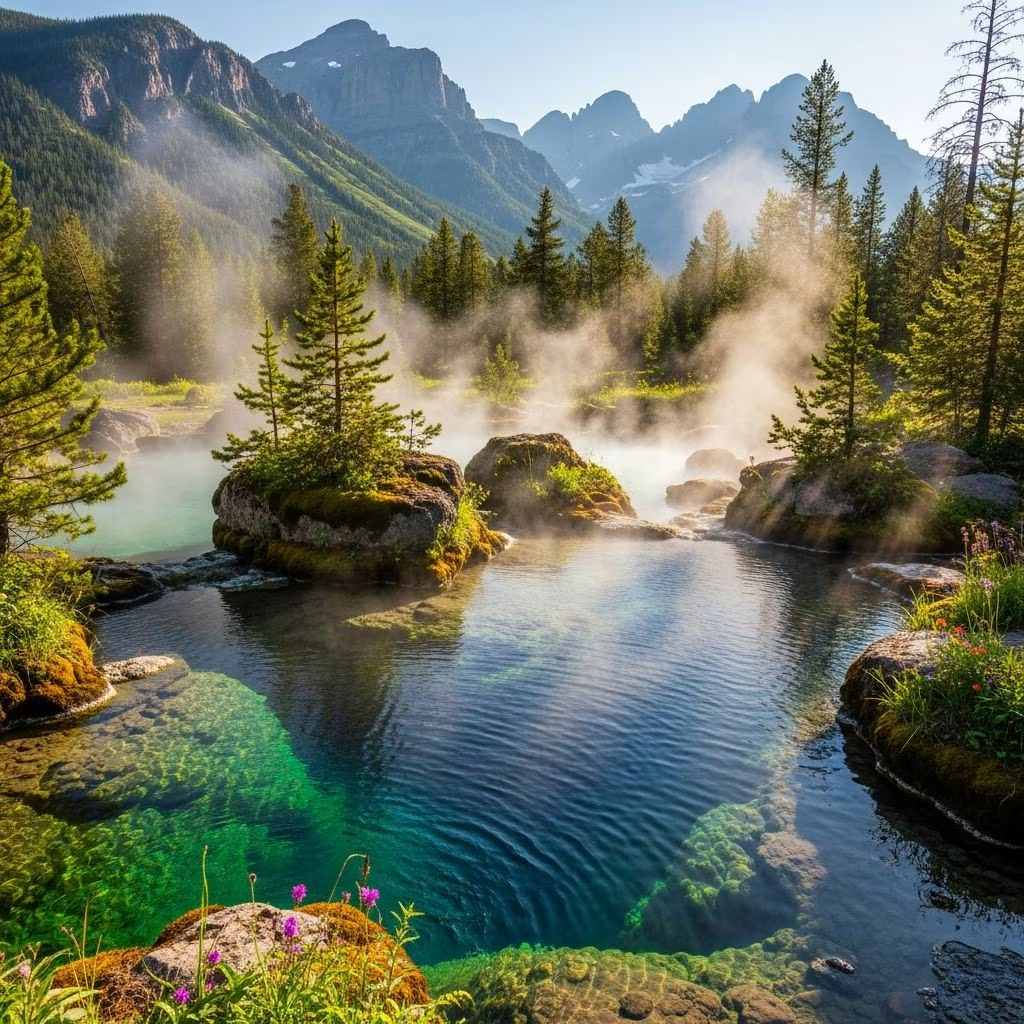
Across the vast landscape of the United States lies a network of naturally heated waters that have captivated travelers for generations. These geothermal wonders offer more than just a soothing escape from the daily grind—they provide access to mineral-rich environments long celebrated for their therapeutic properties. Whether you seek luxury accommodations paired with championship soaking facilities or prefer primitive pools nestled within untouched wilderness, America’s hot spring destinations cater to every preference and travel style.
Hot springs surface across diverse regions throughout the continental United States, Alaska, and Hawaii, each with distinctive characteristics shaped by local geology and environmental conditions. The concentration of these thermal features reflects the underlying tectonic activity and mineral deposits that define specific geographic zones. States including Colorado, California, Oregon, Washington, and Wyoming host particularly abundant collections of both commercial establishments and rustic natural pools.
The appeal of hot spring travel extends beyond simple relaxation. The mineral compositions vary significantly between locations, with some waters containing silica, lithium, sulfur, and other elements traditionally associated with healing practices across multiple cultures. Modern visitors continue this tradition while enjoying contemporary amenities, creating a bridge between ancient wellness practices and present-day comfort.
Premium hot spring resorts throughout America combine natural thermal resources with comprehensive hospitality services. These establishments represent the pinnacle of geothermal wellness infrastructure, offering visitors controlled temperature environments, spa treatments, lodging, and dining facilities.
Colorado’s largest mineral pool stretches an impressive 405 feet in length, establishing itself as the world’s most expansive facility of its kind. Located between two renowned mountain destinations, this historic property welcomes both day visitors and overnight guests seeking spa treatments and accommodations. The daytime admission rate provides an affordable entry point for casual visitors, while evening hours offer reduced-rate access for extended soaking sessions.
In the mountain valleys of Colorado, another premier resort combines multiple soaking pools with altitude-enhanced therapeutic environments. The Mother Spring aquifer feeding this location reaches surface temperatures of approximately 131 degrees Fahrenheit, requiring careful temperature management for safe recreational use. The property operates three distinct facilities, each offering specialized amenities. One location boasts twenty-four temperature-controlled soaking pools, providing visitors with unprecedented choice and customization options. The other establishments feature their own collections of therapeutic pools and spa services, collectively creating a comprehensive wellness ecosystem within a single geographic area.
Resort hot springs typically feature several common elements that distinguish them from natural alternatives. Developed infrastructure including parking areas, changing facilities, and consistent water quality management ensures reliable visitor experiences. Many resorts incorporate additional wellness services such as massage therapy, yoga instruction, and nutritional consultation alongside their thermal pools. The presence of on-site dining and lodging transforms single-day visits into multi-day wellness retreats.
For travelers prioritizing authenticity and connection with pristine environments, natural hot springs scattered throughout the country offer compelling alternatives to developed resorts. These locations require varying degrees of effort to access, from brief woodland walks to challenging backcountry hikes, filtering visitors by commitment level and physical capability.
Southern Oregon’s national forest setting protects a remarkable collection of hot springs carved directly into rock formations. These naturally stratified pools feature graduated temperatures, allowing visitors to select their preferred thermal intensity without facility modification. The dramatic setting above a major river system provides continuous audio accompaniment and scenic beauty that complements the soaking experience.
Eastern Oregon’s high desert landscape hosts an intimate family-owned establishment where water emerges from the ground at exceptionally high temperatures—approximately 170 degrees Fahrenheit. The naturally heated water requires careful mixing with cooler sources before entering soaking pools. The isolated valley location near a massive mountain range creates a sense of remoteness that appeals to visitors seeking genuine wilderness immersion.
Washington’s alpine meadows contain lesser-known thermal features that reward adventurous travelers willing to venture beyond established parking areas. A five-minute descent via wooden stairs leads to ten small wading pools aligned along a mountain river, where natural waterfalls cascade down the mountainside. The combination of flowing water, forest environment, and thermal features creates multisensory appeal extending beyond simple temperature comfort.
Central California’s intersection of mountain terrain and coastal influence harbors private mineral spring facilities nestled within dense forest. Each soaking tub accommodates two people and includes exclusive balcony seating overlooking surrounding woodland. The integration of privacy-focused design, natural landscaping, and intimate spa atmosphere distinguishes this location from larger resort operations. Visitors receive exclusive changing facilities with wooden privacy enclosures and comfortable lounging benches.
Beyond traditional soaking experiences, certain locations offer distinctive geothermal phenomena or specialized therapeutic approaches.
New York’s famous mineral spring destination has evolved beyond its original natural hot spring status. Contemporary hydrotherapy facilities within a state park setting provide manually warmed treatments utilizing the region’s cold mineral waters. Visitors benefit from historical significance combined with modern therapeutic techniques. The surrounding state park infrastructure includes nature trails, leisure activities, and a self-guided experience where visitors sample different mineral fountains—continuing a local tradition spanning generations.
Wyoming’s most famous hot spring formation cannot be entered for recreational soaking, yet remains an essential addition to any comprehensive hot spring tour. The terraced mineral deposits create otherworldly landscapes where layered mineral accumulations form steps descending the mountainside. Walking through this geological display offers appreciation for geothermal processes that operate beneath the Earth’s surface. The location serves as an educational complement to soaking-focused experiences, demonstrating the raw power of geothermal activity.
Traditional wellness practices attribute specific health benefits to thermal waters based on mineral content and chemical composition. Modern scientific understanding increasingly validates certain traditional claims while establishing realistic expectations for thermal therapy.
Individual responses vary considerably based on personal physiology, specific mineral composition, and exposure duration. Visitors should consult healthcare providers regarding specific therapeutic expectations, particularly if managing existing health conditions.
Hot spring accessibility and comfort vary throughout the calendar year, influenced by climate patterns, facility operations, and natural conditions.
Spring months represent the most comfortable visiting period, offering moderate ambient temperatures that enhance rather than compromise the thermal contrast experience. Warming daytime temperatures reduce the shock of transitioning between pool and air environment. Natural surroundings display renewal with blooming vegetation and active wildlife, adding aesthetic dimension to thermal bathing.
Summer extends the optimal visiting window, providing warm days and accessible weather across most regions. Extended daylight hours allow for longer visits and exploration of surrounding areas. However, higher ambient temperatures reduce the dramatic thermal contrast that makes hot spring immersion distinctive. Crowded conditions during peak vacation season may diminish the tranquility experience at popular locations.
Autumn and winter visits appeal to visitors prioritizing solitude and dramatic thermal contrast. Cold air temperatures amplify the sensory experience of warm water immersion. However, snow, ice, and reduced facility operations may limit accessibility at higher elevation locations. These seasons particularly reward hardy travelers seeking intimate experiences away from crowds.
Hot spring destinations vary dramatically in infrastructure sophistication and accessibility requirements. Resort locations typically offer full visitor services including parking, restrooms, changing facilities, and commercial amenities. Natural springs may require significant hiking, limited facility infrastructure, or specific seasonal access windows. Advance research regarding parking arrangements, facility hours, entry fees, and physical demands ensures appropriate preparation.
Visitor options range from day-trip excursions to multi-day wellness retreats. Resort properties offering on-site accommodations facilitate extended therapeutic immersion, often including meal plans and additional spa services. For visitors prioritizing natural settings, surrounding communities typically offer conventional lodging options within reasonable driving distance, allowing flexibility between thermal soaking and broader regional exploration.
Natural hot springs emerge directly from the Earth without human modification, retaining original mineral compositions and temperatures. Resort facilities typically modify water temperature for safety, add recreational amenities, and integrate hospitality services. Natural settings emphasize authenticity and minimal environmental disturbance, while resorts prioritize consistent visitor experiences and comprehensive services.
Scientific evidence supports certain benefits from thermal water immersion, including stress reduction, muscle relaxation, and potential cardiovascular benefits. Specific therapeutic claims remain partially validated through ongoing research. Individual results vary based on mineral composition, exposure duration, and personal physiology.
Visitors should verify water temperature before full immersion, particularly at natural springs where temperature varies unpredictably. Excessive heat exposure requires limiting soaking duration, especially for individuals with cardiovascular conditions. Dehydration risks necessitate adequate fluid intake during thermal bathing sessions.
Luxury-focused travelers benefit from established resorts offering comprehensive amenities. Budget-conscious visitors maximize resources at day-use facilities or natural springs requiring no admission fees. Adventure travelers prioritize remote natural springs accessible via moderate hiking.
America’s hot spring landscape reflects evolving visitor preferences balancing wellness, environmental consciousness, and experiential authenticity. Contemporary travelers increasingly seek combinations of thermal immersion with broader outdoor recreation, cultural exploration, and community connection. This integration transforms simple soaking sessions into comprehensive regional experiences.
Whether selecting established resorts with championship facilities or venturing toward isolated natural pools, American hot spring destinations offer legitimate alternatives to conventional vacation formats. The consistent thermal waters, mineral-rich environments, and surrounding natural beauty create multifaceted appeal transcending simple relaxation. As wellness consciousness expands and travel priorities shift toward health-focused experiences, these geothermal wonders continue attracting visitors seeking authentic restoration and rejuvenation within America’s distinctive landscapes.
