 Stays
StaysStays
Best Hotels in Chiang Mai: Heritage, Luxury & Riverside Stays
Explore curated selections of boutique hotels, luxury resorts, and mid-range accommodations in Chiang Mai, Thailand, with insider recommendations for different traveler preferences.
 Stays
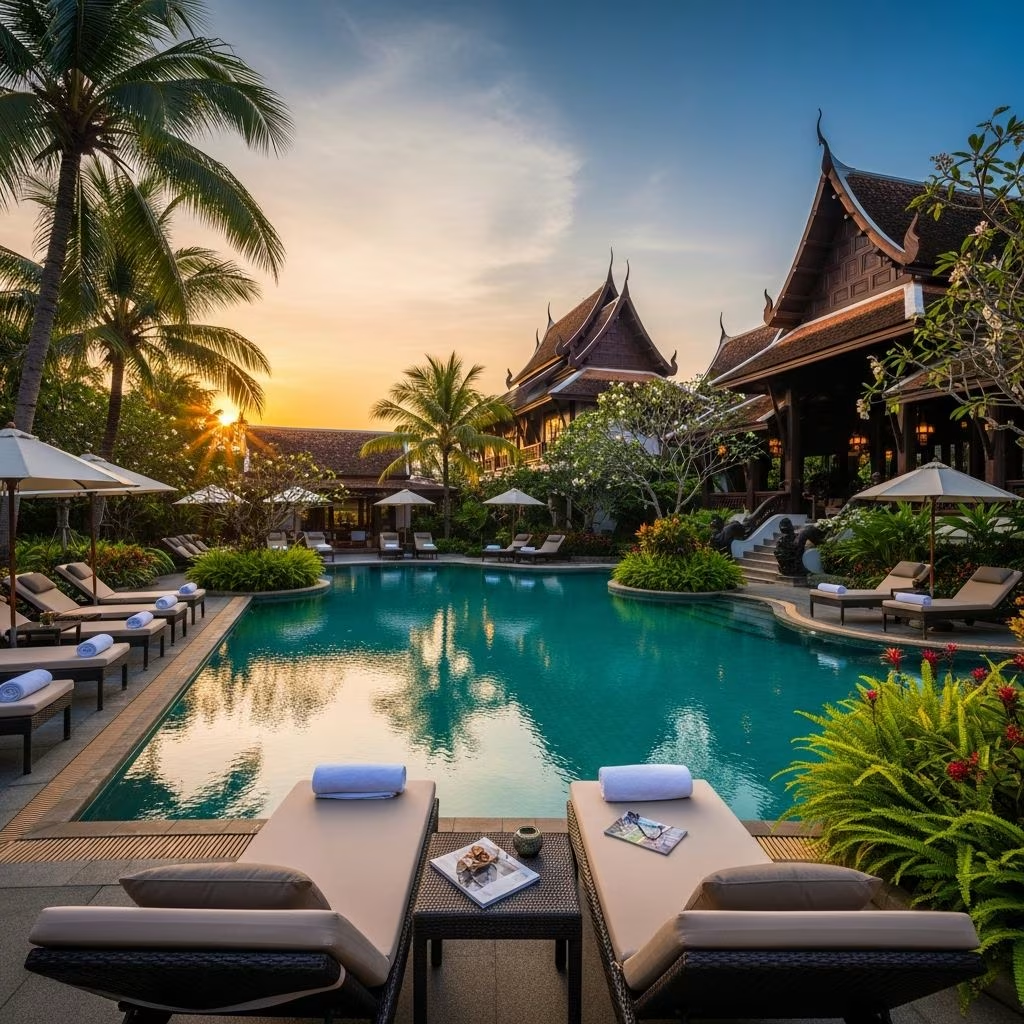
StaysChiang Mai, nestled in the mountainous terrain of Northern Thailand, has emerged as one of Southeast Asia’s most compelling destinations for travelers seeking cultural immersion, natural beauty, and authentic experiences. The city’s hospitality landscape reflects this diversity, offering everything from intimate heritage properties housed in restored traditional structures to contemporary luxury resorts that seamlessly blend modern comfort with regional aesthetics. Whether you’re planning a romantic escape, a cultural exploration, or a wellness retreat, the accommodation options in Chiang Mai cater to virtually every preference and budget level.
Understanding Chiang Mai’s Hotel Landscape
The accommodation market in Chiang Mai has evolved significantly over the past decade, with property developers and hoteliers recognizing the city’s potential as a premium destination. The historic Old City, with its ancient temples and narrow lanes, remains the preferred location for travelers seeking cultural authenticity, while riverside properties offer serene settings with scenic vistas. Meanwhile, areas near the Night Bazaar and Huai Kaew Road attract visitors seeking convenience and accessibility to shopping and dining venues. This geographical diversity allows visitors to select accommodations that align with their intended experiences, whether that involves waking to temple bells or enjoying modern urban amenities.
Colonial Heritage and Architectural Elegance
Among Chiang Mai’s most distinctive offerings are properties that showcase the region’s colonial and traditional architectural heritage. These establishments occupy carefully restored 19th-century structures, particularly the elegant teakwood mansions that once served as residences for traders and officials during Thailand’s earlier eras. Such properties successfully marry historical preservation with contemporary luxury, featuring original architectural elements including intricate wood carvings, period-appropriate design details, and authentic spatial arrangements that transport guests to another era.
Notable examples within this category feature authentic design elements alongside modern conveniences. These accommodations typically include:
- Meticulously preserved architectural features from the 19th century
- Gourmet dining establishments showcasing both international and regional cuisines
- Infinity pools designed to complement historic surroundings
- Spa facilities incorporating traditional Thai wellness practices
- Personalized service emphasizing individual attention
These heritage-focused properties appeal particularly to discerning travelers who appreciate historical context and architectural authenticity as integral components of their travel experience. The immersive quality of residing within a restored mansion creates a connection to Chiang Mai’s colonial past that contemporary construction cannot replicate.
Boutique Properties with Cultural Integration
Boutique hotels represent a significant segment of Chiang Mai’s accommodation landscape, characterized by their intimate scale, personalized service, and deliberate aesthetic choices that reflect local culture and traditions. These properties typically feature fewer than 50 rooms, allowing for attentive guest care and distinctive design narratives that distinguish them from international chain establishments.
The most successful boutique properties in Chiang Mai demonstrate thoughtful integration of Northern Thai architectural principles with contemporary comfort standards. Traditional design elements such as hand-carved wooden furnishings, locally-sourced materials, and regional artistic representations create authentic atmospheres that support cultural engagement. Many boutique hotels emphasize sustainability practices, local employment, and community partnerships, positioning themselves as responsible tourism enterprises.
Boutique accommodations in the Old Town location offer several advantages for culturally-oriented travelers:
- Immediate proximity to temples, markets, and historical sites
- Personalized recommendations from staff with deep local knowledge
- Intimate dining experiences featuring regional cuisine
- Direct participation in community activities and cultural events
- Architectural authenticity reflecting traditional Northern Thai design
Luxury Resort Experiences and Premium Services
Luxury resort properties in Chiang Mai deliver comprehensive hospitality experiences featuring extensive amenities, multiple dining venues, and specialized services that cater to travelers seeking indulgence and convenience. These establishments, often representing international hotel brands or independent luxury collections, occupy substantial properties with grounds featuring gardens, water features, and recreational facilities.
Premium resort accommodations typically include:
| Feature Category | Typical Offerings | Guest Benefit |
|---|---|---|
| Room Accommodations | Suites with separate living areas, butler service, premium bedding | Spacious comfort with personalized attention |
| Dining Venues | Multiple restaurants, bars, poolside cafes | Diverse culinary options without leaving property |
| Wellness Facilities | Full-service spas, fitness centers, yoga studios | Comprehensive health and relaxation services |
| Recreation | Swimming pools, tennis courts, activity programming | Entertainment and activity options on-site |
| Concierge Services | Tour arrangements, restaurant reservations, transportation | Seamless trip planning and execution |
These properties often occupy prime locations near the Ping River or command elevated positions with mountain vistas, providing aesthetic advantages that enhance the guest experience. Many luxury resorts have undergone significant renovation to incorporate contemporary design elements while maintaining the architectural vocabulary of Northern Thailand.
Riverside Properties and Scenic Positioning
Properties situated along the Ping River offer particular appeal to travelers seeking natural scenery, tranquil environments, and connection to Chiang Mai’s geographic features. Riverside locations provide relief from urban density while maintaining reasonable proximity to the Old City and commercial districts.
Riverside accommodations typically feature:
- Direct water views from terraces and balconies
- Sunset viewing opportunities from common areas
- Access to riverside dining and leisure activities
- Generally quieter environment compared to central locations
- Landscaping that emphasizes natural elements
The positioning along this significant waterway creates natural focal points for property design, with many establishments incorporating the river into their visual and recreational programming. Whether properties occupy direct riverside frontage or positions with visual river access, this geographical feature enhances the perceived value and experiential quality of the accommodation.
Proximity to Key Attractions and Districts
Strategic location represents a fundamental consideration when selecting accommodations, as positioning relative to major attractions, shopping areas, and transport hubs significantly influences daily convenience. Chiang Mai’s primary tourism hubs include the Night Bazaar commercial district, the Old City cultural center, and various temple complexes distributed throughout the metropolitan area.
Location consideration framework:
- Old City Focus: Prioritize cultural immersion and temple exploration through central positioning
- Night Bazaar Convenience: Maximize shopping and dining access within walking distance
- Mountain Views: Select properties offering Doi Suthep and surrounding peak vistas
- Transport Accessibility: Ensure reasonable proximity to bus stations and transportation hubs
- Nightlife Engagement: Position near entertainment districts if evening activities are priorities
Different traveler profiles benefit from different positional strategies. Cultural enthusiasts and temple visitors typically prefer Old City locations despite higher density, while relaxation-focused travelers may prioritize quieter riverside or mountain-view properties even if they require brief transportation to reach major attractions.
Mid-Range Accommodations for Budget-Conscious Travelers
Chiang Mai’s hospitality market includes substantial offerings in the mid-range segment, providing quality accommodations at accessible price points without sacrificing essential comforts or service quality. These properties bridge the gap between budget guesthouses and luxury resorts, typically featuring 50-200 rooms with standardized design and reliable service protocols.
Mid-range properties generally provide:
- Air-conditioned rooms with private facilities
- On-site restaurant and bar services
- Basic fitness and pool facilities
- Front desk assistance with tour arrangement
- WiFi connectivity and business center services
This category represents excellent value for travelers seeking comfort and convenience without premium pricing. Many mid-range properties maintain quality standards through international hotel affiliations or consistent management practices, providing reassurance regarding service consistency and facility maintenance.
Specialized Accommodation Experiences
Beyond traditional hotel categories, Chiang Mai offers specialized accommodation formats that cater to specific interests and travel styles. Villa properties, typically featuring multiple bedrooms with private pools, appeal to groups or extended-stay travelers. Adult-only boutique hotels create curated environments for adult travelers seeking quieter, sophisticated atmospheres. Wellness retreats integrate spa services, fitness programming, and health-focused dining into comprehensive hospitality packages.
Specialized options provide:
- Customizable experiences aligned with specific interests
- Intimate social environments among like-minded guests
- Enhanced focus on particular services or activities
- Flexibility in room configurations and amenities
Amenities and Service Excellence Considerations
Modern travelers increasingly evaluate accommodations based on specific amenities and service capabilities that enhance daily comfort and support intended activities. Beyond basic room furnishings, properties differentiate themselves through specialized facilities and service enhancements. Swimming pools provide recreation and cooling during warm seasons. Spa facilities integrate traditional Thai massage and wellness treatments. Restaurant quality and culinary programming significantly influence satisfaction among food-focused travelers. WiFi reliability and workspace availability matter to digital nomads and business travelers. Tour concierge services enable activity coordination without requiring guests to navigate arrangement logistics independently.
Service excellence in premium properties extends to personalized attention, with butler service in luxury suites, flexible check-in/checkout policies, and proactive guest services that anticipate needs before articulation becomes necessary. Staff language capabilities, particularly English proficiency, significantly impact international travelers’ comfort levels. Properties demonstrating genuine hospitality principles, characterized by genuine warmth and cultural respect rather than formulaic service scripts, consistently receive stronger guest satisfaction ratings.
Selecting Accommodations Aligned with Travel Intentions
Successful accommodation selection requires honest assessment of personal travel priorities, intended activities, and comfort preferences. Travelers primarily motivated by cultural exploration may prioritize Old City locations and boutique properties despite modest amenities compared to resort experiences. Those seeking relaxation and wellness might select riverside or mountain properties emphasizing spa services and peaceful environments over shopping convenience. Business travelers or digital nomads require functional workspaces, reliable connectivity, and service flexibility. Family travelers need versatile room configurations, child-friendly facilities, and activity programming options.
Evaluation framework for accommodation selection:
- Align location with primary intended activities
- Verify amenities match personal comfort requirements
- Confirm service capabilities support intended activities
- Review guest feedback from travelers with similar profiles
- Assess value proposition relative to personal budget parameters
- Verify cancellation policies and booking flexibility
Frequently Asked Questions About Chiang Mai Accommodations
- What is the optimal time to visit Chiang Mai and book accommodations?
- November through February offers pleasant weather and represents peak tourism season. Accommodation availability diminishes during these months, necessitating advance reservations. Shoulder seasons (March and October) provide moderate weather with reduced crowds and better availability. Summer monsoon season (May-September) brings discounts but occasional rainfall.
- How far are accommodations from Chiang Mai’s main airport?
- Most centrally-located hotels maintain 15-25 minute drive distances to Chiang Mai International Airport, depending on traffic conditions and specific property location. Riverside and Old City properties typically require slightly longer transit times.
- Do properties offer airport transfer services?
- Virtually all accommodation properties arrange airport transfers through partnerships with ground transportation services. Costs vary from complimentary services at luxury properties to modest fees at mid-range accommodations.
- What languages do hotel staff typically speak?
- Most hotels catering to international travelers employ English-speaking staff at front desks and management levels. Mid-range and luxury properties typically maintain higher English proficiency levels than budget accommodations.
- Are vegetarian and dietary-specific meal options available?
- Chiang Mai’s hospitality establishments generally accommodate dietary preferences and restrictions. Northern Thai cuisine emphasizes vegetable preparations, and international properties maintain varied protein options. Direct communication with restaurants ensures proper preparation and ingredient verification.
Conclusion: Discovering Your Perfect Chiang Mai Base
Chiang Mai’s diverse accommodation landscape ensures that virtually every traveler profile can identify properties aligning with their preferences, budgets, and intended experiences. Whether selecting a heritage-focused boutique property embedded in the Old City, a riverside resort emphasizing natural scenery, or a villa-style accommodation for extended family groups, the city offers quality options across multiple price points and service levels. Success in accommodation selection depends upon honest assessment of personal priorities, careful review of property offerings and guest feedback, and alignment of location and amenities with intended travel activities. By approaching accommodation selection strategically and matching properties to specific travel intentions, visitors maximize their enjoyment of Chiang Mai’s cultural richness, natural beauty, and distinctive Northern Thai hospitality.
References
- Best Hotels In Chiang Mai – Our Top 9 Stays For All Budgets — Big Little Travels. 2026. https://biglittletravels.com/best-hotels-in-chiang-mai/
- THE 10 BEST Hotels in Chiang Mai, Thailand 2026 — Tripadvisor. 2026. https://www.tripadvisor.com/Hotels-g293917-Chiang_Mai-Hotels.html
- The 10 best 5-star hotels in Chiang Mai, Thailand — Booking.com. 2026. https://www.booking.com/fivestars/city/th/chiang-mai.html
- Best Luxury Hotels In Chiang Mai 2026 — The Luxury Editor. 2026. https://theluxuryeditor.com/location/asia/thailand/chiang-mai-province/chiang-mai/
- Top 10 Boutique Hotels in Chiang Mai Luxury & Cultural Stays — Pierre Blake. 2026. https://pierreblake.com/top-10-boutique-hotels-in-chiang-mai-luxury-meets-culture/
On This Page
Understanding Chiang Mai's Hotel Landscape Colonial Heritage and Architectural Elegance Boutique Properties with Cultural Integration Luxury Resort Experiences and Premium Services Riverside Properties and Scenic Positioning Proximity to Key Attractions and Districts Mid-Range Accommodations for Budget-Conscious Travelers Specialized Accommodation Experiences Amenities and Service Excellence Considerations Selecting Accommodations Aligned with Travel Intentions Frequently Asked Questions About Chiang Mai Accommodations Conclusion: Discovering Your Perfect Chiang Mai Base← Previous
Best Restaurants in Krakow: Old Town, Kazimierz & Michelin Picks
Next →
Best Bars in Krakow: Kazimierz, Old Town & Nightlife Guide
Related Reading