

 Travel Essentials
 Travel Essentials

Explore diverse day trip options from Hua Hin, from national parks and wildlife encounters to historical landmarks and natural wonders that showcase Thailand's beauty.
 Travel Essentials
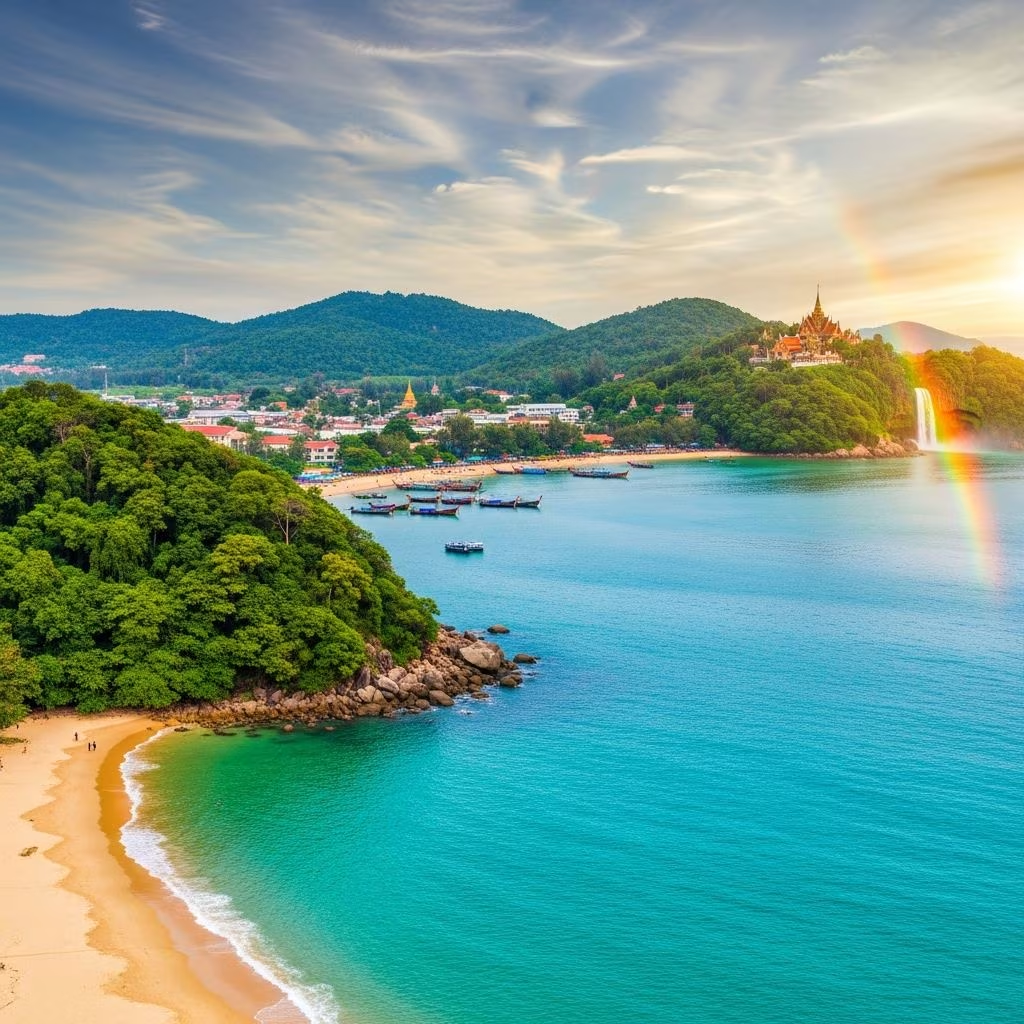
Hua Hin, a charming coastal destination on Thailand’s western shore, serves as an excellent base for exploring the diverse attractions scattered throughout the Prachuap Khiri Khan province and surrounding regions. While the town itself offers beaches, markets, and cultural sites, the real treasures lie just beyond its boundaries. Travelers seeking meaningful experiences can venture into pristine natural landscapes, encounter remarkable wildlife, and discover historical monuments that tell the story of Thai heritage. This guide presents a curated selection of exceptional day trips that showcase the region’s geographical and cultural richness.
The Hua Hin area sits within a region characterized by dramatic limestone formations, extensive wetlands, and coastal ecosystems that have earned international recognition for their ecological significance. The terrain transforms dramatically as you move inland from the beaches, with towering mountain peaks giving way to marshes and river systems teeming with biodiversity. This geographical diversity creates unique opportunities for travelers to experience multiple ecosystems within a single day, from marine environments to terrestrial habitats and underground geological formations.
One of the most compelling destinations within striking distance of Hua Hin is a spectacular national park that encompasses over three hundred limestone peaks. This vast protected area stretches across thousands of hectares and represents one of Thailand’s most significant wetland zones. The landscape here is genuinely extraordinary, with towering karst formations creating an almost otherworldly backdrop for exploration. The park’s designation as a major wetland reflects its importance as a critical habitat for migratory species and endemic wildlife.
Within this expansive park, the most celebrated attraction is an underground cavern system that has captivated travelers for generations. The main chamber of this cave is particularly renowned for its architectural pavilion, constructed in traditional Thai design with gold and jade-colored elements. The pavilion exists within the cave as a functional structure, but its visual magnificence depends entirely on natural light conditions. Visitors who time their visit to coincide with the mid-morning hours—specifically between 10 and 11 in the morning—will witness the sun’s rays illuminating the pavilion at an angle that transforms it into an almost ethereal sight. This temporary phenomenon makes the experience time-sensitive and explains why many tours emphasize punctuality and scheduling.
For adventurous travelers who prefer active exploration to passive sightseeing, the same national park offers accessible hiking trails that reward effort with panoramic perspectives. One particularly popular route ascends a mountain ridge located in close proximity to a prominent beach within the park boundaries. This moderate hiking trail takes approximately 30 minutes to one hour to complete, depending on fitness level and pace. The path itself is well-maintained but rocky, requiring sturdy footwear to navigate safely over the uneven terrain and boulders that comprise much of the trail surface.
The reward for reaching the summit is a 360-degree panoramic vista that encompasses the entire coastline in a single sweeping view. From this vantage point, visitors can appreciate the true scale and isolation of the region’s beaches, understanding why this area has remained relatively undeveloped compared to other Thai coastal destinations. The elevated perspective also reveals the relationship between the mountain formations, the wetlands, and the sea, providing context for the park’s ecological significance. Entry to this hiking area requires a modest fee of approximately 200 Thai baht (roughly 6 US dollars) for adult visitors, with operating hours extending from 8 AM until mid-afternoon.
Beyond the geological attractions, the region supports an extraordinarily rich assemblage of fauna that represents one of Southeast Asia’s most biodiverse ecosystems. Approximately three hundred distinct bird species utilize the wetland areas as feeding grounds and rest stops during their annual migrations to southern regions. The birds exist within a complex web of predators and competitors, including primates such as crab-eating macaques and dusky leaf monkeys, small carnivores like fishing cats, and larger mammals including wild elephants and ungulates. This abundance of wildlife reflects decades of conservation efforts and the natural park’s strict protection policies.
Specialized wildlife observation tours can be arranged from Hua Hin, focusing specifically on mammalian species found in protected sanctuary areas adjacent to the main national park. These tours typically require advance booking and last approximately seven hours, incorporating transportation, guided walks, and often a traditional meal prepared using locally-sourced ingredients. The tours operate under strict ethical guidelines that prioritize animal welfare and minimize human disturbance to natural behaviors. Guides possess extensive knowledge of animal tracking, ecology, and behavioral patterns, enhancing the educational value of the experience beyond simple wildlife viewing.
Beyond natural attractions, the region contains significant cultural landmarks that reflect Thailand’s royal heritage and architectural traditions. A notable summer palace constructed during the early 20th century demonstrates the aesthetic preferences and building technologies of Thailand’s earlier modern period. This teak wood structure features dramatic coastal positioning and incorporates distinctive architectural elements, including separate bathing pavilions positioned along extended corridors with panoramic sea views. The palace has undergone restoration efforts to preserve its historical integrity while adapting the structure for contemporary visitor access.
The region also supports important religious sites, including temples positioned atop mountainous terrain that offers strategic and symbolic advantages. These elevated temples often feature distinctive architectural characteristics and host communities of wildlife, creating unique spaces where spiritual and natural elements coexist. The elevated positions naturally provide extensive views of surrounding landscapes, making these temples popular destinations for visitors seeking both cultural and visual experiences simultaneously.
Day trips from Hua Hin can incorporate gastronomic experiences that showcase regional culinary traditions and agricultural heritage. Specialty farms and agritourism operations throughout the province offer opportunities to engage with local food production, learn traditional cooking methods, and participate in hands-on culinary activities. Some operations focus specifically on plant-based cuisine, offering cooking classes and demonstrations that highlight vegetables, herbs, and preparation techniques unique to Thai cuisine.
Transportation Options: Visitors typically arrange day trips through organized tour operators or rent personal vehicles (motorcycles or automobiles) for independent exploration. Organized tours include pickup from accommodations, provide experienced guides, and handle logistical complications. Independent travelers enjoy greater flexibility in scheduling and pacing but require navigation skills and familiarity with Thai road conditions.
Timing and Seasonality: The region experiences distinct seasonal patterns that affect visitor comfort and accessibility. The cooler months from November through January provide optimal conditions for outdoor activities, with moderate temperatures and lower humidity levels. Rainy season visits are possible but require flexibility regarding certain activities, particularly hiking and cave exploration.
Physical Requirements: Day trips vary considerably in physical demands, ranging from sedentary boat-based activities to moderately strenuous hiking. Visitors should assess their physical capabilities and select experiences accordingly. Proper footwear, sun protection, and hydration are essential for all outdoor activities.
Most day trip destinations are located within 30-60 kilometers of Hua Hin, requiring approximately 45 minutes to 90 minutes of travel time by vehicle. This proximity allows for full-day excursions with adequate time at each location.
November through January offers the most favorable conditions, with cooler temperatures and minimal rainfall. This period is considered peak season, though visits during other months remain viable with appropriate planning.
Most destinations accommodate visitors of varying ages and abilities, though specific activities may have physical or developmental requirements. Tour operators can recommend age-appropriate options and provide necessary accommodations.
Essential items include sturdy footwear, sun protection (hat, sunscreen, sunglasses), insect repellent, adequate hydration supplies, and a camera. Specific activities may require additional items such as swimming attire or binoculars.
| Destination Type | Primary Attractions | Duration | Physical Intensity | Best Season |
|---|---|---|---|---|
| National Park Exploration | Caves, beaches, panoramic views | 7-8 hours | Moderate | Nov-Jan |
| Wildlife Observation | Mammals, birds, ecosystems | 7 hours | Moderate to High | Nov-Jan |
| Cultural Sites | Temples, palaces, historical structures | 4-6 hours | Low to Moderate | Year-round |
| Culinary Experiences | Cooking classes, farm visits | 3-4 hours | Low | Year-round |
The region surrounding Hua Hin offers remarkable diversity for travelers seeking meaningful day trip experiences. Whether pursuing geological wonders, wildlife encounters, cultural immersion, or culinary adventures, the surrounding landscape provides opportunities to engage with Thailand’s natural and cultural richness. Successful day trips require thoughtful planning regarding logistics, timing, physical preparation, and appropriate expectation-setting. By selecting destinations and experiences aligned with personal interests and capabilities, visitors can create lasting memories while supporting local communities and conservation efforts that preserve these remarkable environments.
