 Stays
StaysStays
Best Ice Hotels in the World: Top Frozen Stays
Explore the planet's most remarkable ice hotels, from Nordic masterpieces to North American wonders. Experience unique frozen architecture and unforgettable Arctic adventures.
 Stays
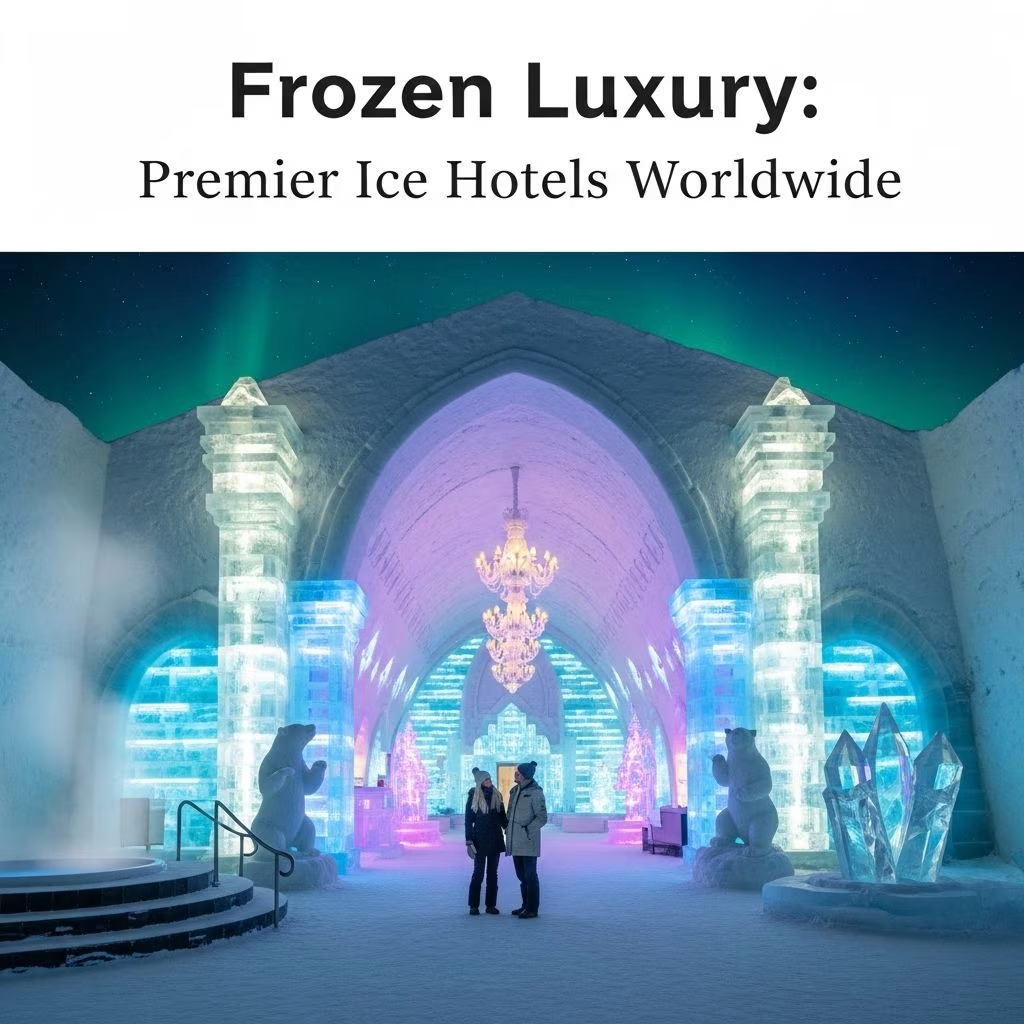
StaysImagine awakening in a bedroom crafted entirely from crystalline ice, surrounded by walls that shimmer under the Arctic moonlight. Ice hotels represent a remarkable convergence of engineering innovation and natural wonder, offering travelers an experience that transcends conventional hospitality. These extraordinary structures emerge annually from vast quantities of snow and ice, transformed by skilled artisans into palatial accommodations that challenge our understanding of comfort and design.
The concept of sleeping within walls of frozen water seemed impossible mere decades ago. Today, ice hotels operate across multiple continents, attracting adventure seekers and luxury travelers who crave something profoundly different from traditional resorts. Each property presents its own architectural philosophy, regional aesthetic, and approach to the fundamental challenge of creating habitable spaces from temporary materials.
The Nordic Dominance: Scandinavia’s Frozen Palaces
Scandinavia has established itself as the global epicenter of ice hotel innovation and excellence. The region’s extreme Arctic conditions, combined with a rich tradition of winter engineering, created the perfect environment for this hospitality revolution to flourish.
Sweden’s Pioneering Achievement
The Icehotel in Jukkasjärvi, Sweden stands as the world’s first and largest hotel constructed from snow and ice. Established in 1989, this pioneering establishment fundamentally transformed how we conceptualize winter accommodation. Located 200 kilometers from the Arctic Circle, the hotel is meticulously reconstructed each year using approximately 2,500 two-ton blocks of snice—a specialized combination of snow and ice—extracted directly from the nearby Torne River.
What distinguishes Icehotel from seasonal competitors is its year-round operational model. While many ice properties close during warmer months, Icehotel maintains permanent ice rooms throughout the calendar, though it expands significantly during the winter season. The property features specialized ice bars, saunas that operate through innovative heating systems, and hot tubs that provide dramatic contrast to the freezing accommodations.
Pricing at Icehotel ranges from approximately £140 per night for heated rooms to £215 per night for authentic ice chambers, reflecting the premium nature of this pioneering establishment.
Norway’s Arctic Superlatives
Norway hosts several exceptional ice hotel properties, each contributing distinct characteristics to the Nordic ice hospitality landscape. Sorrisniva Igloo Hotel in Alta represents both a geographical and architectural distinction—it is simultaneously the world’s northernmost ice hotel and among the largest. Spanning nearly 27,000 square feet of frozen architecture, Sorrisniva occupies a commanding position in the Alta Arctic region.
The hotel operates seasonally from December 20 through April 1, providing travelers with access to extended polar night conditions and remarkable aurora borealis viewing opportunities. Accommodations feature rooms crafted from ice and snow, with rates commencing at £399 per night for double occupancy.
Additional Norwegian options include Kirkenes Snowhotel, which serves as a secondary destination for visitors seeking alternative Arctic experiences[10]. These properties collectively demonstrate Norway’s commitment to establishing itself as an essential ice hotel destination.
Finland’s Innovative Variations
Finland contributes multiple distinctive ice hotel concepts to the Scandinavian offerings. The Arctic SnowHotel near Rovaniemi operates seasonally from December 15 through March 31, positioning itself as an authentic Arctic Circle experience. Located technically in Sinetta near Rovaniemi, the property captures the essence of Finnish Lapland’s frozen landscape.
The SnowCastle of Kemi presents an intriguing variation on the traditional ice hotel model. Unlike seasonal-only properties, this Finland facility maintains year-round operations while undertaking significant expansions and additions during winter months. This hybrid approach allows visitors flexibility while preserving the authentic frozen structure experience.
Laplands Hotels SnowVillage in Kittilä offers another Finnish perspective on ice accommodation[10], contributing to Finland’s reputation as a center of innovation within the ice hospitality sector.
North American Integration: Expanding the Concept
Canada has successfully established itself as North America’s primary ice hotel destination. Hôtel de Glace, situated in Saint-Gabriel-de-Valcartier near Québec City, represents the continent’s only dedicated ice hotel. Operating seasonally beginning in January, this property showcases entirely hand-crafted architectural elements including ice chandeliers, meticulously chiseled snow sculptures, and curved frozen roofs.
Master craftspeople annually recreate the property’s elaborate frozen furniture, gleaming ice entranceways, and structural elements, ensuring that each season brings fresh artistic interpretation to the fundamental ice hotel concept. This commitment to artisanal craftsmanship distinguishes Canadian ice hospitality from purely utilitarian Nordic approaches.
The property’s proximity to Québec City makes it accessible to North American travelers who might otherwise require transatlantic journeys to experience ice hotel accommodations, democratizing access to this specialized travel experience.
European Expansion: Beyond the Nordic Region
European ice hotel development has extended beyond Scandinavia into regions with suitable Arctic or subarctic conditions. Balea Ice Hotel in Romania represents Eastern European entry into the ice hospitality market, while Iglu Dorf in Gstaad, Switzerland offers a Western European alpine interpretation of the ice hotel concept.
These properties demonstrate that ice hotel viability extends across diverse geographical contexts, provided that adequate winter temperatures and construction resources exist. The proliferation of European options provides continental travelers with multiple entry points into frozen accommodation experiences.
Essential Characteristics of Ice Hotel Experiences
Architectural and Design Elements
Ice hotels employ sophisticated architectural principles adapted to their temporary frozen materials. Structural engineers must calculate load-bearing capacities of ice, design thermal zones that allow guest comfort without compromising structural integrity, and create drainage systems for inevitable seasonal melt. Artistic considerations complement functional requirements, with ice sculptors creating elaborate chandeliers, furniture, and decorative elements that transform functional structures into galleries of frozen art.
Thermal Management Systems
Perhaps the most critical challenge in ice hotel operations involves maintaining guest comfort within subzero environments. Properties employ sophisticated insulation strategies, specialized bedding systems, and heating technologies that prevent ice melting while providing adequate warmth for occupants. Modern ice hotels feature separate heated facilities—saunas, hot tubs, and warming lounges—where guests can thaw between cold room experiences.
Seasonal Operations and Cyclical Reconstruction
Most ice hotels operate seasonally, with construction beginning in autumn and operations commencing in winter months. The Icehotel in Sweden, begun in 1989, established the pattern of annual demolition and reconstruction. This cyclical approach means that each season brings architectural novelty, artistic innovation, and fresh design interpretations.
Guest Amenities and Facility Variations
Modern ice hotels extend beyond bedrooms to encompass comprehensive resort facilities. Properties typically feature ice bars serving specialized cocktails in glasses carved from ice, elaborate restaurant facilities, spa services that contrast heated indoor spaces with frozen outdoor elements, and entertainment venues.
The guest experience encompasses far more than sleeping in cold rooms. Visitors participate in activities including ice sculpture workshops, Arctic wildlife viewing, cross-country skiing, snowmobiling expeditions, and aurora borealis observation. These complementary experiences transform ice hotels from novelty accommodations into comprehensive winter destinations.
Planning Your Ice Hotel Experience
Optimal Timing Considerations
Ice hotel operations concentrate during winter months when sustained subzero temperatures prevent structural degradation. Most properties operate between November and March, with variations depending on regional climate patterns. Early winter (December through January) typically offers the most reliable conditions and extensive operational infrastructure, while shoulder seasons (November and March) may present pricing advantages alongside potential operational limitations.
Booking and Pricing Strategies
Accommodation costs vary significantly across properties and room types. Heated adjacent rooms typically cost less than authentic ice chambers, allowing budget-conscious travelers to sample ice hotel experiences without maximum financial commitment. Premium ice rooms command premium pricing, often ranging from £200 to £400+ per night depending on property and season.
Physical Preparation Requirements
Sleeping in subzero rooms demands adequate physical preparation and appropriate expectations. Guests should understand that ice hotel rooms maintain temperatures between -5°C and -15°C (23°F to 5°F), necessitating specialized bedding systems and cold-weather clothing. Medical considerations including circulation issues, severe asthma, or extreme cold sensitivity may contraindicate ice room experiences.
Comparative Overview of Leading Properties
| Property | Location | Established | Size/Capacity | Seasonal Period |
|---|---|---|---|---|
| Icehotel | Jukkasjärvi, Sweden | 1989 | Largest worldwide | Year-round |
| Sorrisniva Igloo Hotel | Alta, Norway | Recent | ~27,000 sq ft | Dec 20-Apr 1 |
| Hôtel de Glace | Saint-Gabriel-de-Valcartier, Canada | Recent | North America’s only | January onward |
| Arctic SnowHotel | Rovaniemi/Sinetta, Finland | Recent | Moderate | Dec 15-Mar 31 |
Frequently Asked Questions
Is sleeping in an ice hotel safe?
Yes, modern ice hotels employ rigorous safety protocols including structural engineering assessments, emergency heating systems, and trained staff. Structural integrity receives constant monitoring, and emergency protocols ensure rapid guest evacuation if necessary, though such situations remain extraordinarily rare.
How cold are ice hotel rooms?
Rooms typically maintain temperatures between -5°C and -15°C (23°F to 5°F). Specialized thermal bedding and proper clothing make this temperature range manageable for most healthy adults.
What activities complement ice hotel stays?
Typical activities include aurora borealis observation, ice sculpture workshops, cross-country skiing, snowmobiling, and Arctic wildlife viewing. Most properties offer packages combining ice hotel accommodation with regional adventure experiences.
Are ice hotels suitable for children?
Some properties accommodate children with parental supervision, though extreme cold poses challenges for very young guests. Properties typically establish minimum age recommendations based on individual facility policies.
What distinguishes ice from snow hotels?
Pure ice hotels utilize frozen water blocks extracted from rivers or lakes, while snow hotels incorporate packed and compressed snow. Ice constructions offer greater structural stability, while snow properties provide alternative aesthetic and thermal characteristics.
The Future of Frozen Hospitality
Ice hotel expansion continues globally as climate-controlled construction techniques improve and international demand grows. Emerging properties in regions with suitable conditions suggest that frozen hospitality will expand beyond current Nordic concentration. Simultaneously, established properties innovate continuously, introducing artistic installations, technological amenities, and experiential programming that maintain market competitiveness.
The ice hotel phenomenon represents more than architectural novelty—it embodies humanity’s capacity to create remarkable experiences within extreme environmental constraints. Whether motivated by adventure-seeking, architectural curiosity, or simply the desire for genuinely unique travel experiences, visitors to ice hotels participate in a hospitality revolution that transforms frozen landscapes into destinations of choice rather than mere endurance challenges.
References
- Top 10 Cool Ice Hotels around the World – Travel Video 2025 — YouTube. 2025. https://www.youtube.com/watch?v=iHSvwDWyYyQ
- ICEHOTEL Winter — ICEHOTEL Official Website. 2026. https://www.icehotel.com/icehotel-winter
- I’ve Visited Every Ice Hotel in the Nordics – Here’s My Honest Ranking — Megan Starr Travel Blog. 2025. https://www.meganstarr.com/ice-hotels-in-scandinavia-nordics/
- Coolest Igloos & Ice Hotels in the world — Host Unusual. 2025. https://hostunusual.com/categories/igloos-ice-hotels/
- Five ice hotels worth being cold over — PAXnews.com. 2025. https://www.paxnews.com/news/other/five-ice-hotels-worth-being-cold-over
- Would you sleep in an igloo? These ice hotels are the epitome of cool — Lonely Planet. 2026. https://www.lonelyplanet.com/articles/best-ice-hotels
- Yes, Ice Hotels Are Real—And You Can Find Them Around the World — Travel Awaits. 2025. https://www.travelawaits.com/3003842/coolest-ice-hotels-in-the-world/
On This Page
The Nordic Dominance: Scandinavia's Frozen Palaces North American Integration: Expanding the Concept European Expansion: Beyond the Nordic Region Essential Characteristics of Ice Hotel Experiences Guest Amenities and Facility Variations Planning Your Ice Hotel Experience Comparative Overview of Leading Properties Frequently Asked Questions The Future of Frozen Hospitality← Previous
Best Phoenix Neighborhoods for Families, Luxury & Urban Living
Next →
15 Free Things to Do in Puerto Rico in 2026
Related Reading